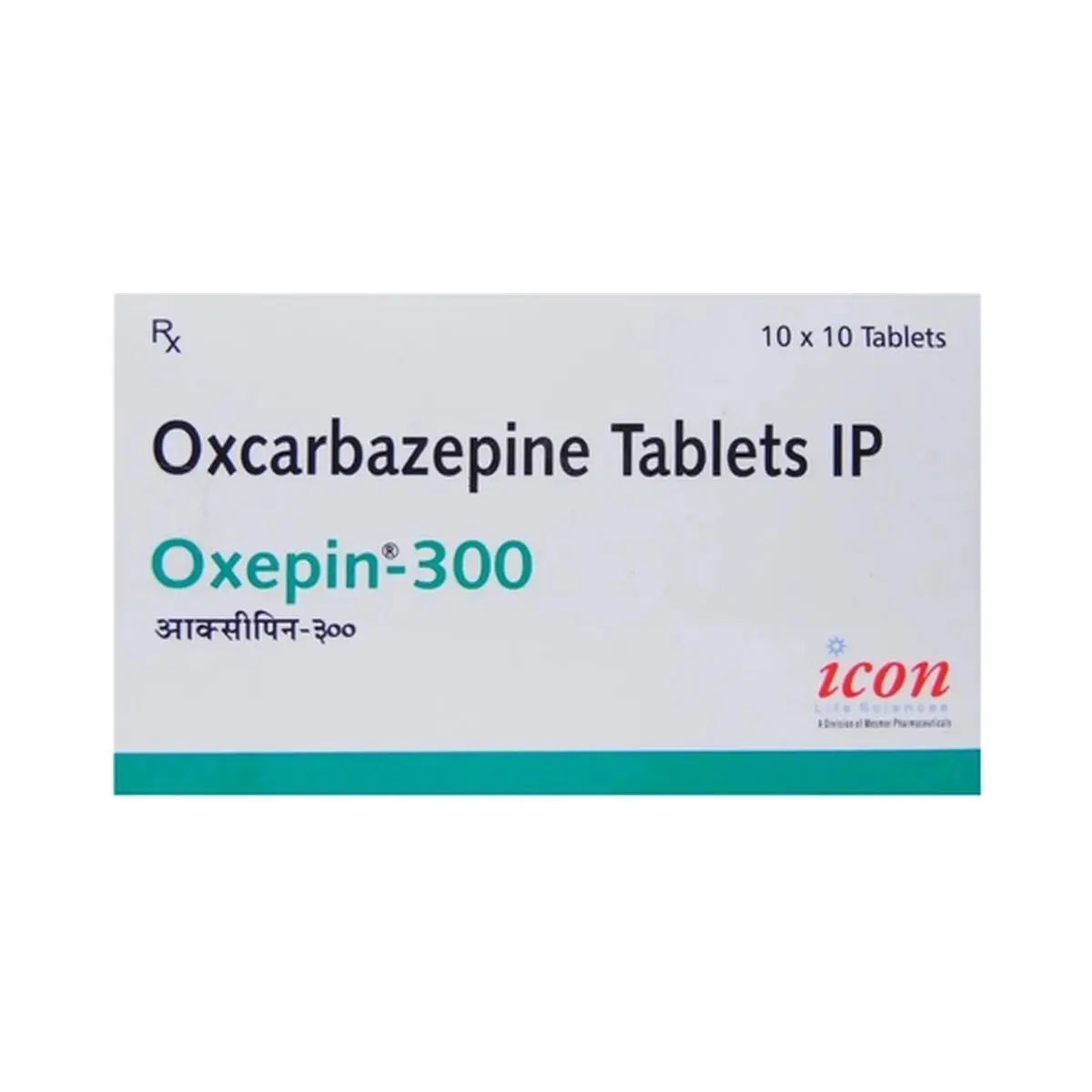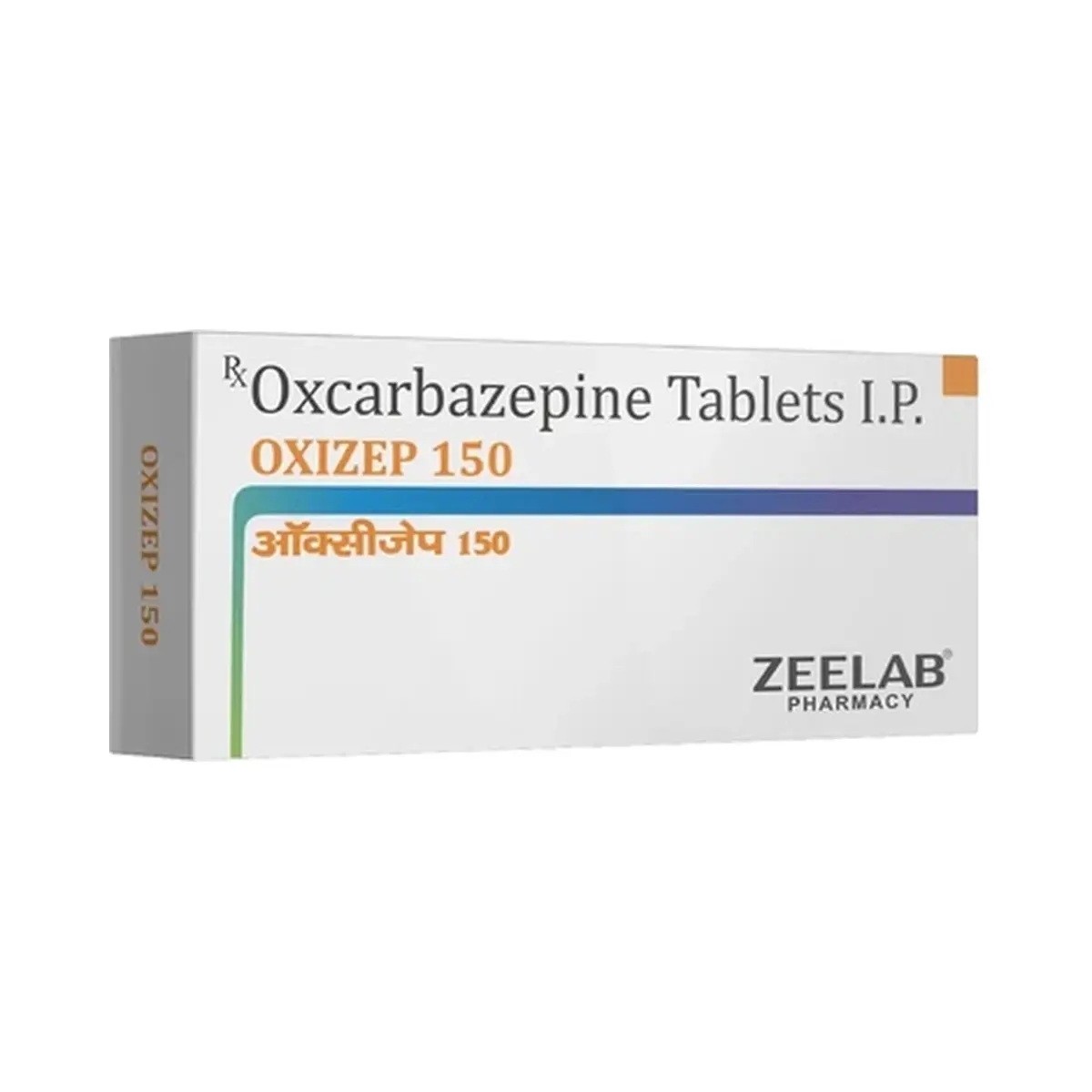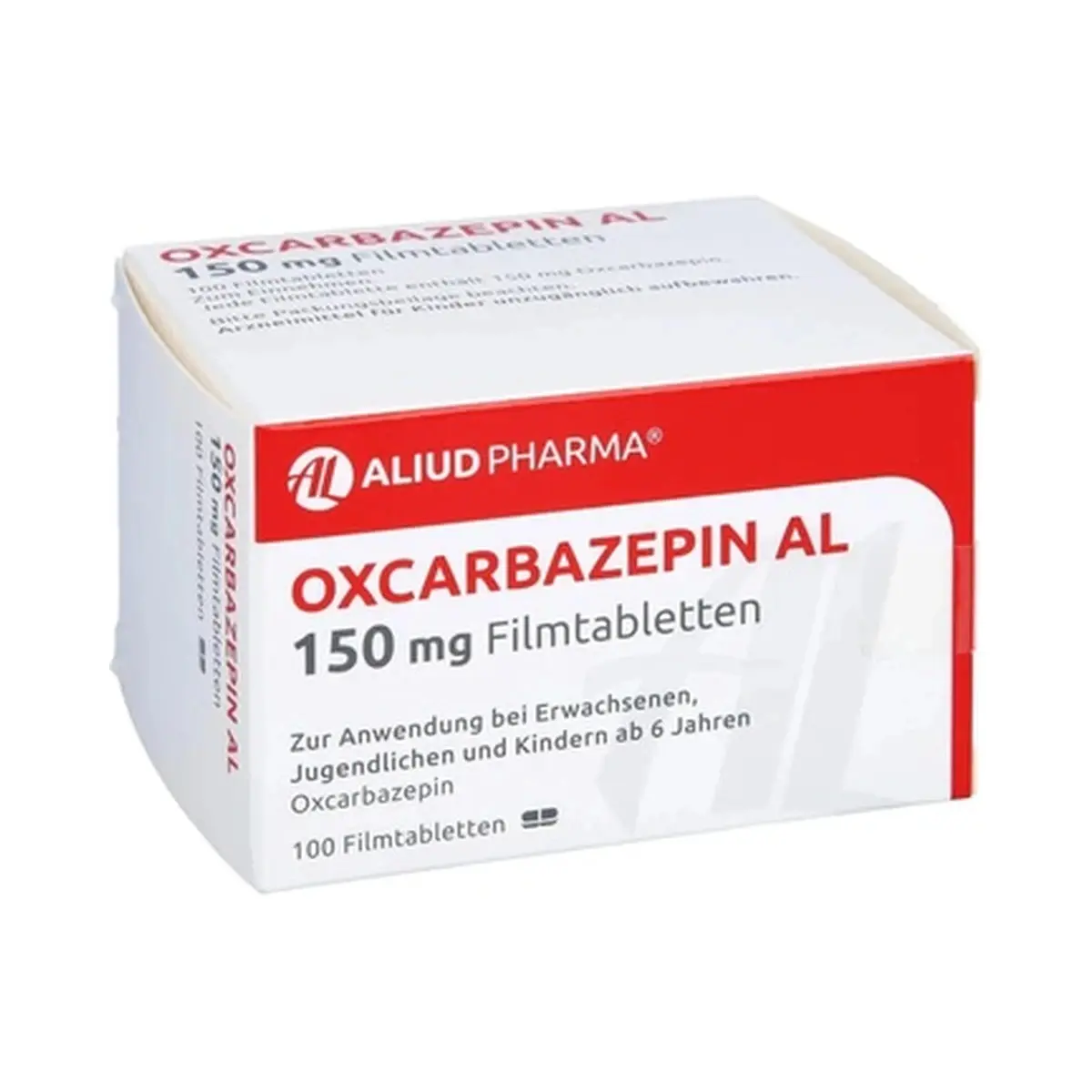
Description
Oxepine (Oxcarbazepine) 150 mg
Oxepine 150 mg appears to be a product containing oxcarbazepine, an antiepileptic medicine used for seizure control. The verified active ingredient is oxcarbazepine, as identified in official prescribing information for oxcarbazepine tablets and TRILEPTAL.
Active Ingredient and Medicine Class
Oxcarbazepine is an anticonvulsant medicine in the antiepileptic drug class. It is closely related to carbamazepine but has its own safety and interaction profile. After administration, it is converted to an active metabolite that provides most of its clinical effect.
Established Medical Uses
Official U.S. prescribing information states that oxcarbazepine is indicated as monotherapy or adjunctive therapy for partial-onset seizures in adults, and as adjunctive therapy in children aged 2 years and older and monotherapy in children aged 4 years and older with partial-onset seizures. Published reviews and trials support its established role in focal epilepsy.
How It Works
Oxcarbazepine is converted in the body to an active metabolite called 10-monohydroxy derivative (MHD). Its anticonvulsant effect is thought to come mainly from stabilising overactive nerve membranes and reducing repetitive firing of neurons, which helps limit seizure activity.
Important Safety Information
Oxcarbazepine should not be used in people with known hypersensitivity to oxcarbazepine or to eslicarbazepine acetate. Important warnings include low sodium levels, serious skin reactions, angioedema or anaphylaxis, cross-hypersensitivity in people allergic to carbamazepine, suicidal thoughts or behaviour, cognitive or coordination problems, DRESS/multi-organ hypersensitivity, and possible blood-related adverse events. It may reduce the effectiveness of hormonal contraceptives and can interact with several antiepileptic medicines, including phenytoin, carbamazepine and phenobarbital. Pregnancy-related risk is also noted in official labeling.
Possible Side Effects
Commonly reported adverse effects include dizziness, somnolence, headache, nausea, vomiting, fatigue, diplopia, abnormal vision, ataxia, tremor, nystagmus and abnormal gait. More serious reactions can include severe rash, hypersensitivity syndromes, hyponatraemia, liver or blood abnormalities, and mood or behaviour changes.
Scientific Evidence
Peer-reviewed reviews and controlled-trial summaries report that oxcarbazepine is effective for partial seizures in adults and children, both as monotherapy and as add-on treatment. The published literature also describes its active metabolite, pharmacology, and a generally favourable tolerability profile compared with some older antiepileptic medicines, while confirming that clinically important interactions and adverse effects still occur.
Medical Information Notice
This page is an educational summary based on sources available at the time of review and does not replace the official patient leaflet or individual assessment by a qualified healthcare professional.
Medical Sources
- U.S. Food and Drug Administration (FDA) — TRILEPTAL (oxcarbazepine) film-coated tablets/oral suspension, Prescribing Information
- Breckenridge Pharmaceutical / DailyMed — Oxcarbazepine tablets, Full Prescribing Information
- J F Horga de la Parte et al. — “Oxcarbazepine for Treatment of Partial Epilepsy: A Review and Recommendations for Clinical Use” — Epilepsy & Behavior (2003). PubMed