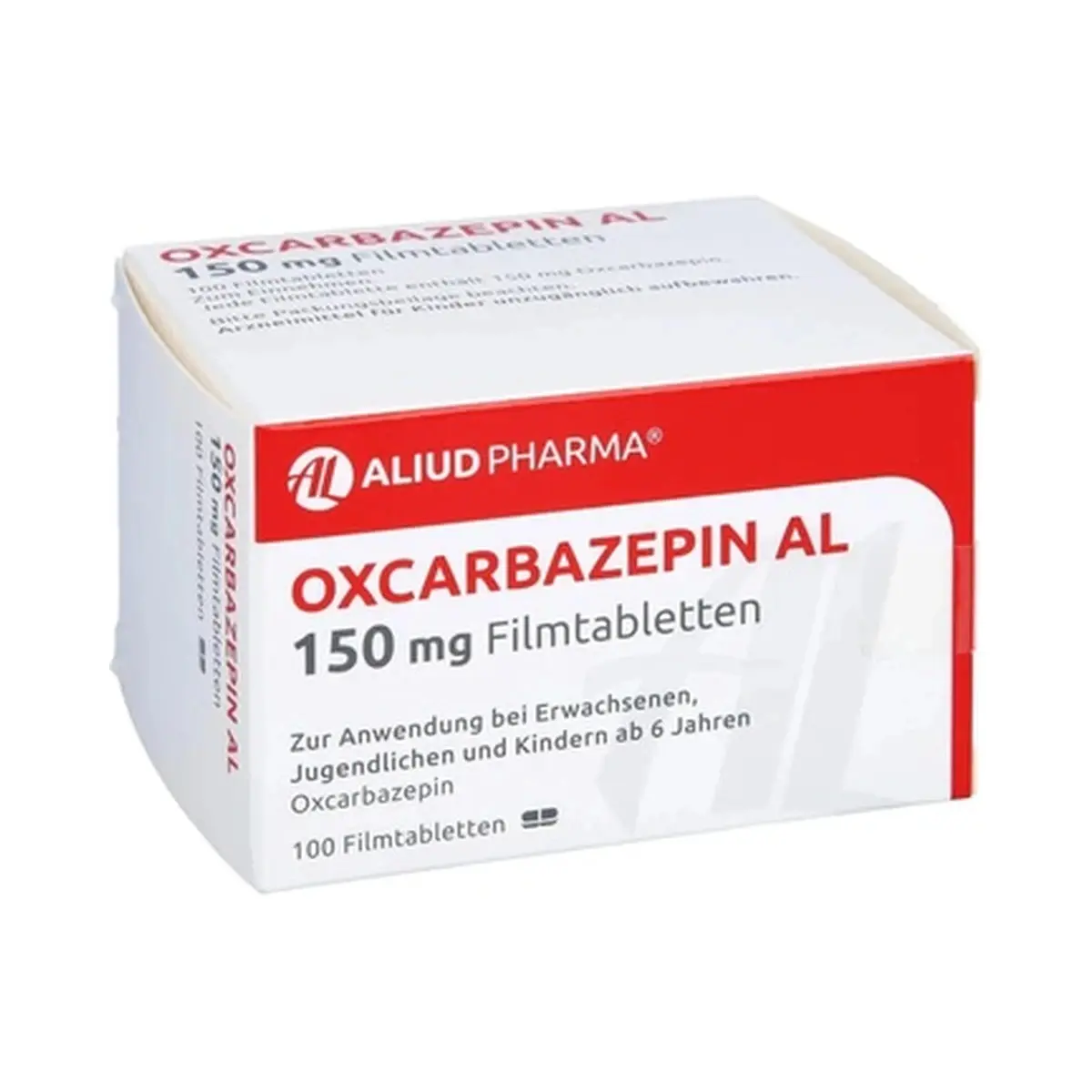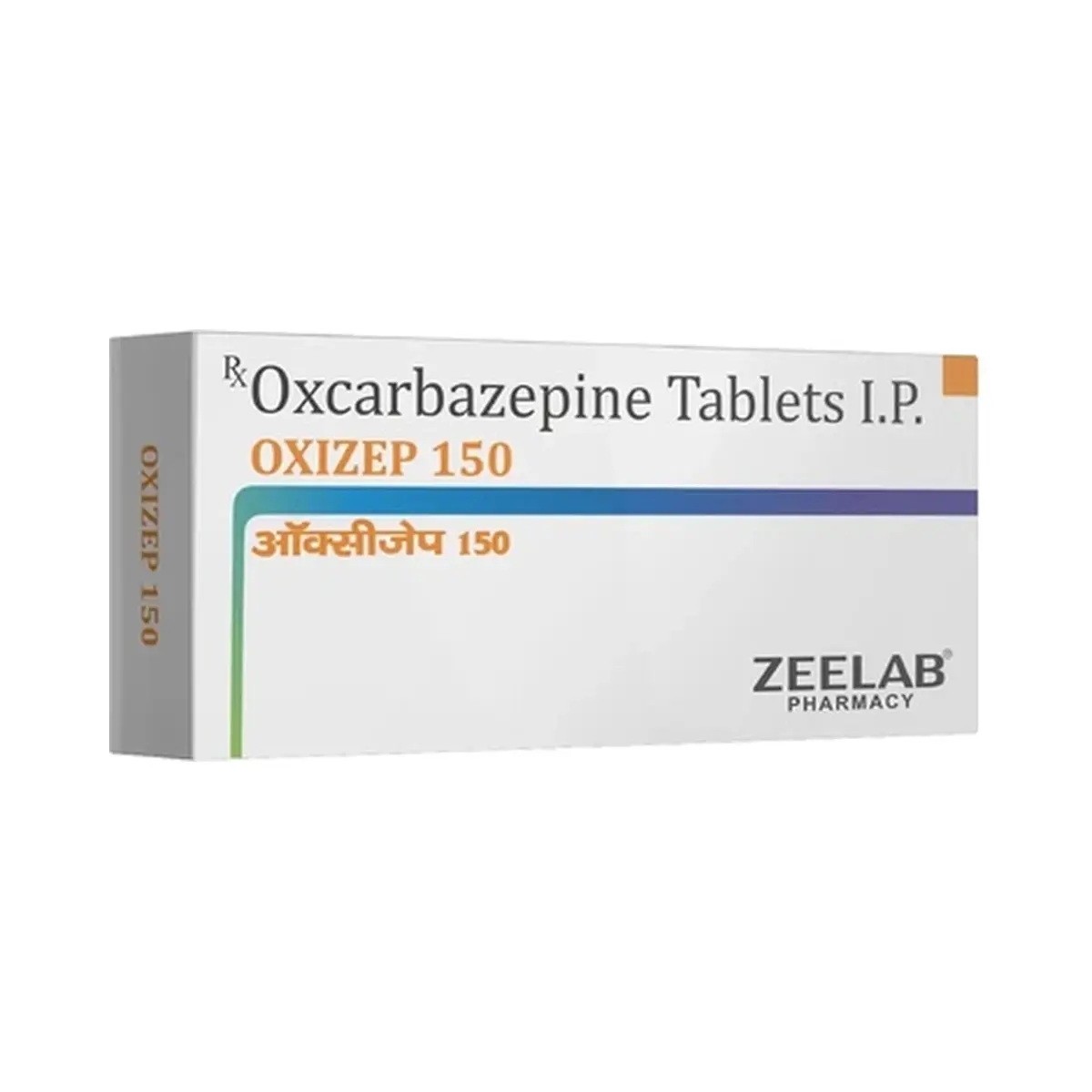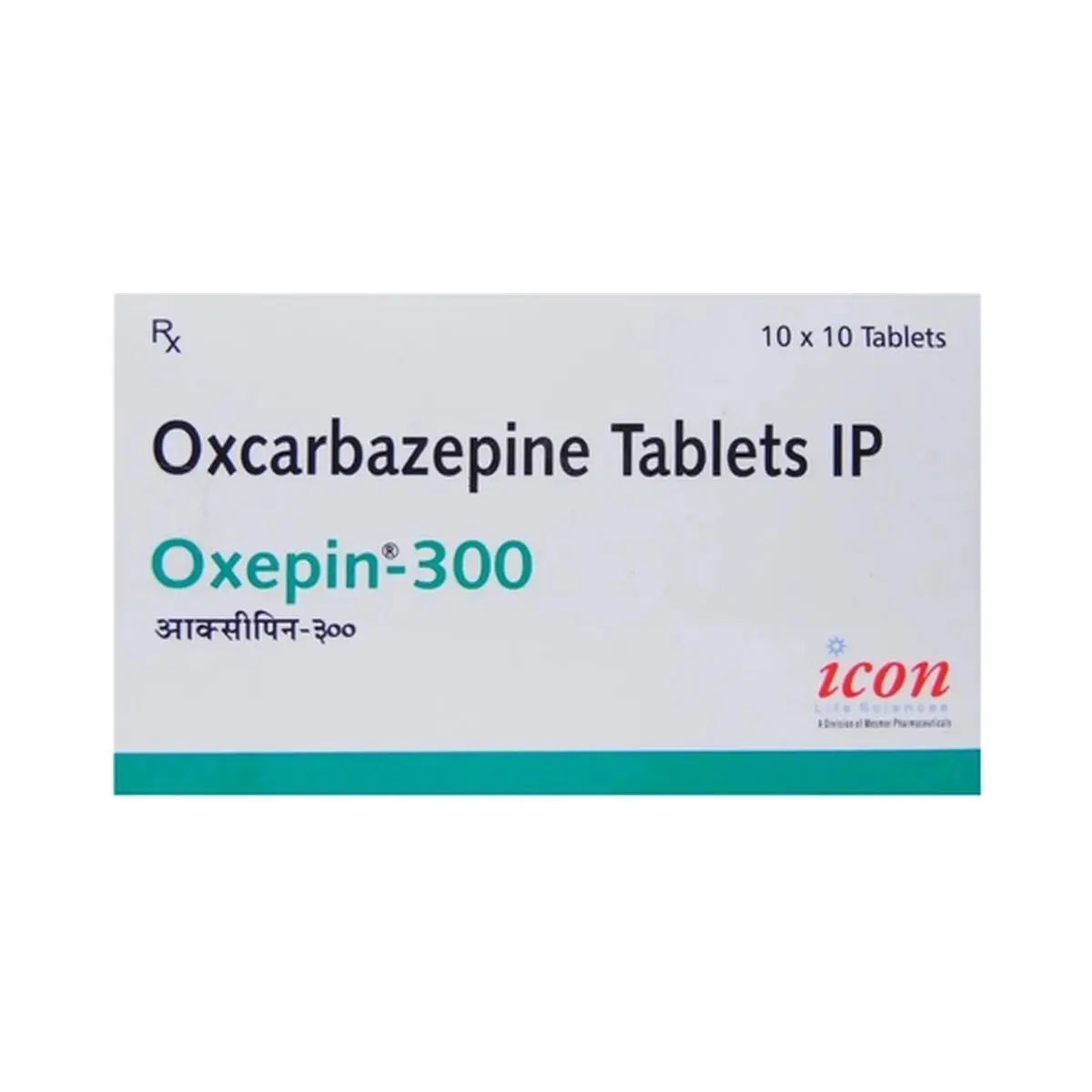
Description
Oxepine (Oxcarbazepine) 300 mg
Oxepine 300 mg is identified here as a tablet containing oxcarbazepine, an antiepileptic medicine used in the management of certain seizure disorders. Regulatory prescribing information for oxcarbazepine products describes it as an oral medicine for partial-onset seizures, and published reviews describe its established role in epilepsy treatment.
Active Ingredient and Medicine Class
Active ingredient: oxcarbazepine. Medicine class: anticonvulsant / antiepileptic agent. Oxcarbazepine is closely related to carbamazepine, but it is a distinct medicine with its own safety and interaction profile.
Established Medical Uses
Official prescribing information for oxcarbazepine tablets states that it is indicated for monotherapy or adjunctive therapy in partial-onset seizures in adults, and in certain pediatric age groups depending on the product label. Published clinical reviews support its use for focal or partial epilepsy, including seizures that may secondarily generalise.
How It Works
Oxcarbazepine is converted in the body to its active metabolite, commonly called MHD. This active metabolite helps stabilise overactive nerve cells in the brain and reduces the spread of seizure activity. Reviews and prescribing information describe a pharmacologic profile with relatively limited involvement of hepatic cytochrome P450 enzymes compared with some older antiepileptic medicines.
Important Safety Information
Important warnings include hyponatremia, serious skin reactions, anaphylaxis or angioedema, DRESS/multi-organ hypersensitivity, hematologic events, suicidal thoughts or behaviour, and possible worsening of seizures in some patients. Oxcarbazepine should not be used in people with known hypersensitivity to oxcarbazepine or its components. Caution is also advised in patients with a history of reaction to carbamazepine because cross-hypersensitivity can occur. It may reduce the effectiveness of hormonal contraceptives and can interact with other antiseizure medicines such as phenytoin, carbamazepine and phenobarbital. Pregnancy risks are also noted in prescribing information.
Possible Side Effects
Common adverse reactions reported in prescribing information include dizziness, somnolence, diplopia, fatigue, nausea, vomiting, ataxia, abnormal vision, headache, nystagmus, tremor, and abnormal gait. More serious reactions can include low sodium levels, severe rash, hypersensitivity reactions, blood disorders, and neuropsychiatric effects.
Scientific Evidence
Peer-reviewed reviews and systematic reviews report that oxcarbazepine is effective for partial epilepsy and is generally considered a useful option for monotherapy or add-on therapy. The published literature also notes that its interaction profile is often more favourable than carbamazepine’s, although clinically relevant interactions still occur.
Medical Information Notice
This summary is for educational purposes only and is based on sources available at the time of review. It does not replace the official patient leaflet, prescribing information, or individual assessment by a qualified healthcare professional.
Medical Sources
- DailyMed / FDA label: Oxcarbazepine tablets, prescribing information. View source
- FDA: TRILEPTAL (oxcarbazepine) prescribing information. View source
- Horga de la Parte JF et al. “Oxcarbazepine in the treatment of epilepsy. A review and update.” Rev Neurol. 2006. PubMed