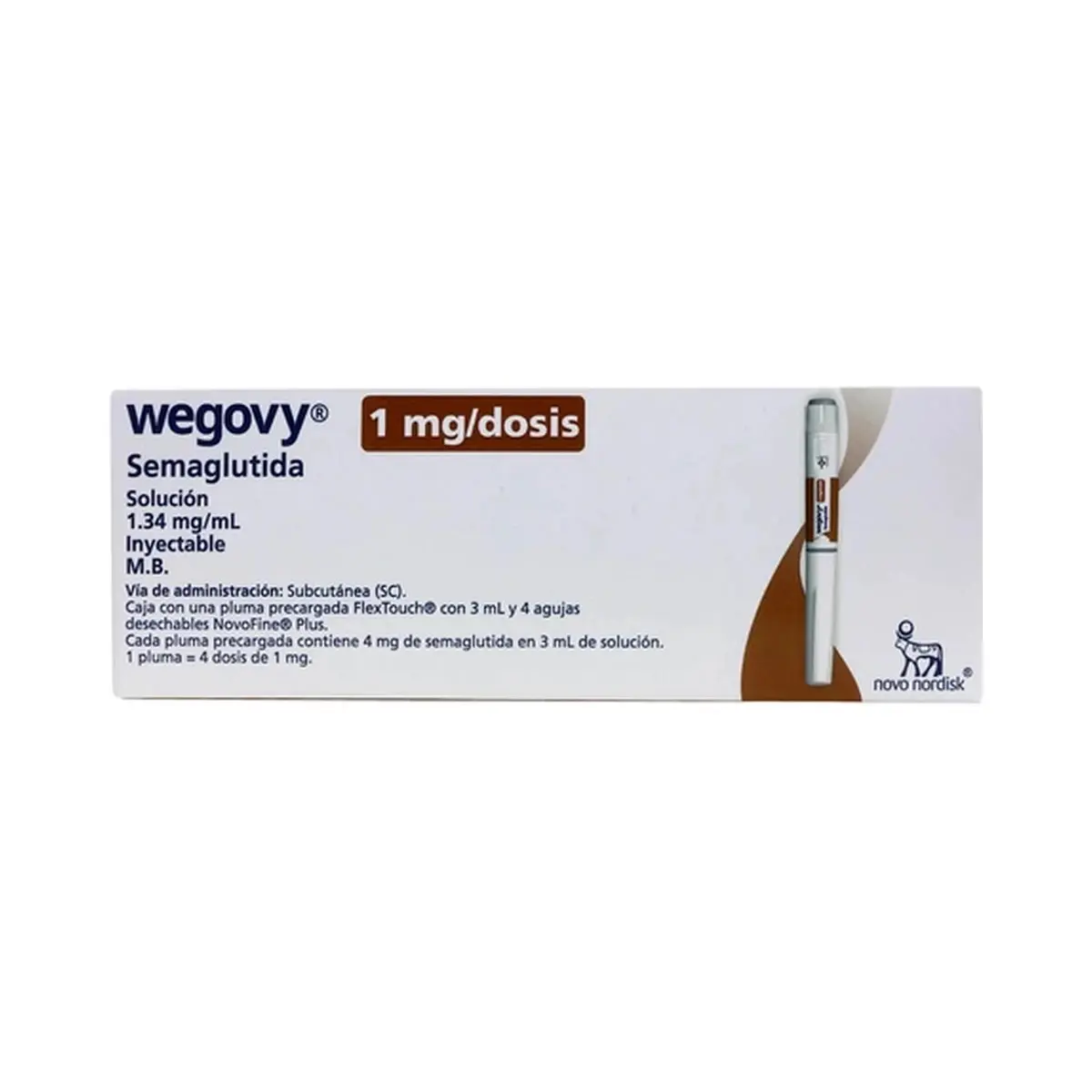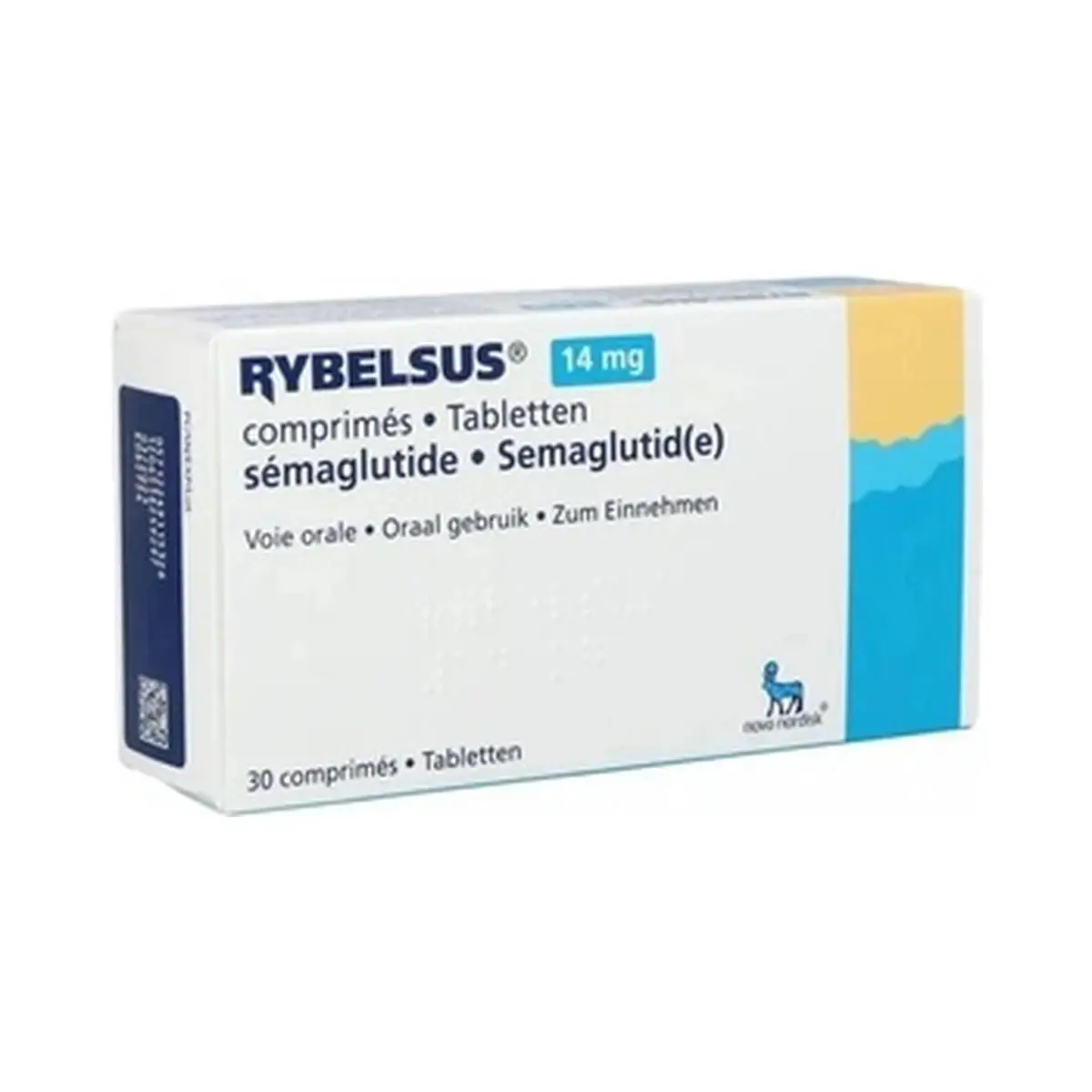
Description
Ozempic (Semaglutide) 1 mg injection
Ozempic is a prescription medicine containing semaglutide. It is a subcutaneous injection used in adults with type 2 diabetes to improve glycaemic control. In some patients, it is also used to reduce the risk of major cardiovascular events. It is not insulin and is not indicated for type 1 diabetes or diabetic ketoacidosis.
Active Ingredient and Medicine Class
The active ingredient is semaglutide, a glucagon-like peptide-1 (GLP-1) receptor agonist. This class of medicine acts on incretin pathways involved in insulin secretion and appetite regulation.
Established Medical Uses
Ozempic is established for improving blood sugar control in adults with type 2 diabetes. Regulatory information also supports use in adults with type 2 diabetes and established cardiovascular disease to reduce the risk of cardiovascular death, non-fatal heart attack, or non-fatal stroke.
How It Works
Semaglutide mimics a natural hormone that helps the body respond to glucose after meals. It increases glucose-dependent insulin release, lowers glucagon secretion, and slows gastric emptying. It also acts on appetite-related pathways, which can reduce food intake.
Important Safety Information
Ozempic is contraindicated in people with a personal or family history of medullary thyroid carcinoma or in those with multiple endocrine neoplasia syndrome type 2, and it should not be used in patients with serious hypersensitivity to semaglutide or excipients. Important warnings include acute pancreatitis, diabetic retinopathy complications, acute kidney injury related to dehydration from gastrointestinal effects, gallbladder disease, and hypoglycaemia when used with insulin or an insulin secretagogue. Semaglutide can also delay gastric emptying, which may affect absorption of some oral medicines.
Possible Side Effects
The most commonly reported adverse effects include nausea, vomiting, diarrhoea, abdominal pain, and constipation. More serious reactions can include pancreatitis, worsening diabetic eye disease, severe allergic reactions, kidney problems, and low blood sugar when combined with other glucose-lowering medicines.
Scientific Evidence
In the SUSTAIN-6 cardiovascular outcomes trial, semaglutide lowered the rate of major adverse cardiovascular events compared with placebo in adults with type 2 diabetes at high cardiovascular risk. A later pooled analysis of the SUSTAIN and PIONEER programmes also supported cardiovascular benefit across varying risk levels.
Medical Information Notice
This summary is based on sources available at the time of review and is provided for educational purposes only. It does not replace the official patient leaflet, prescribing information, or assessment by a qualified healthcare professional.
Medical Sources
- U.S. Food and Drug Administration (FDA), Ozempic (semaglutide) injection, prescribing information
- European Medicines Agency (EMA), Ozempic: Risk Management Plan Summary
- Marso SP et al., “Semaglutide and Cardiovascular Outcomes in Patients with Type 2 Diabetes,” New England Journal of Medicine, 2016, PubMed