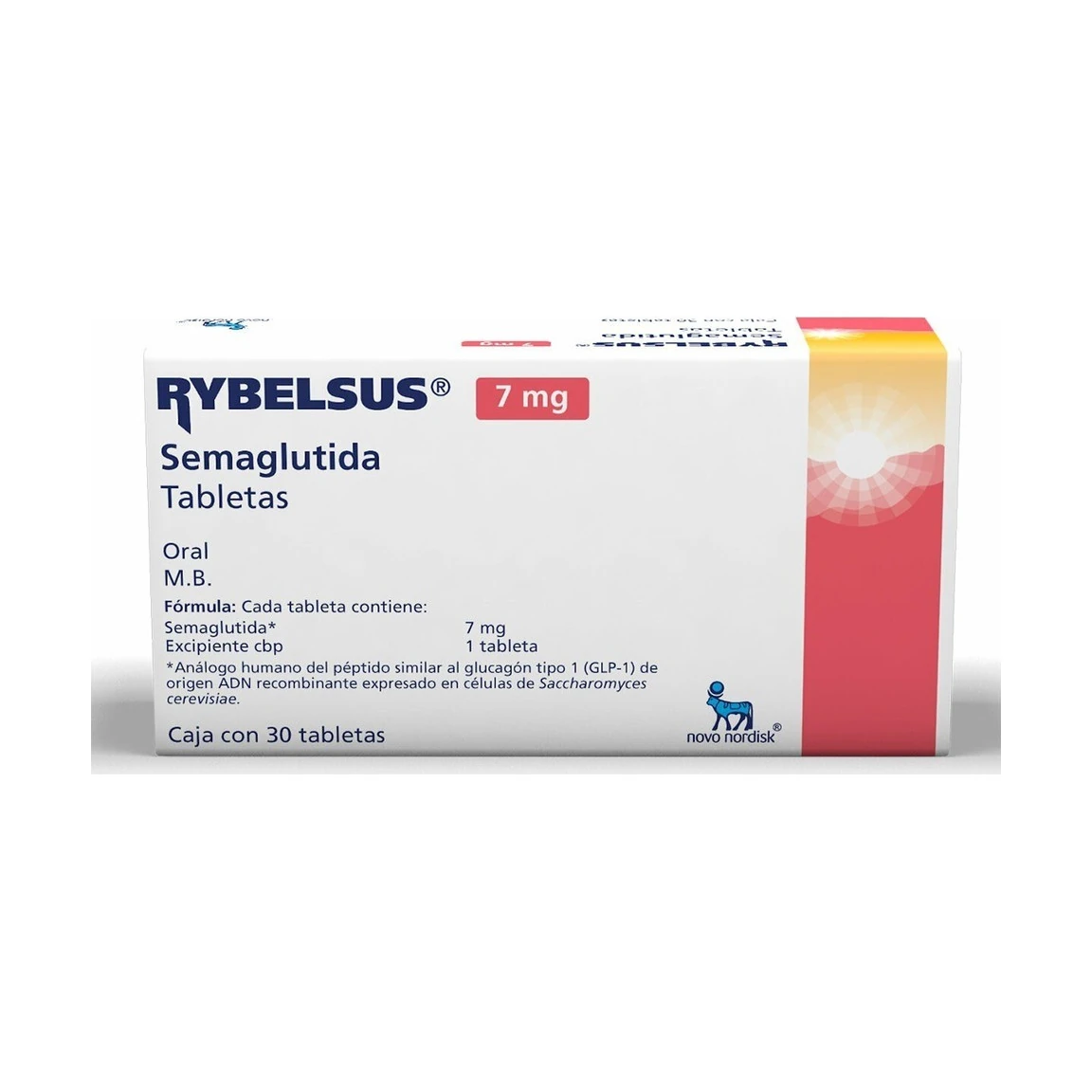
Description
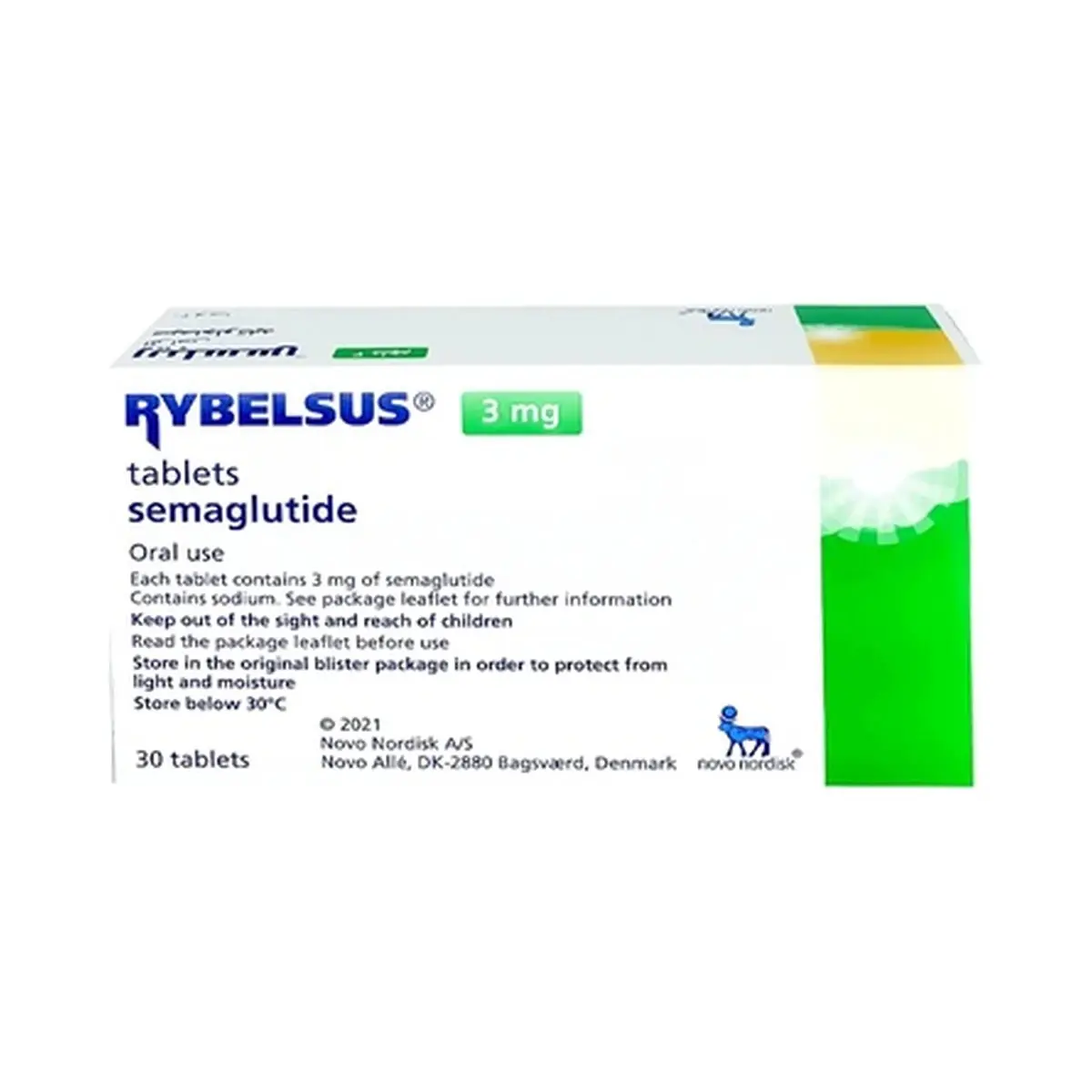
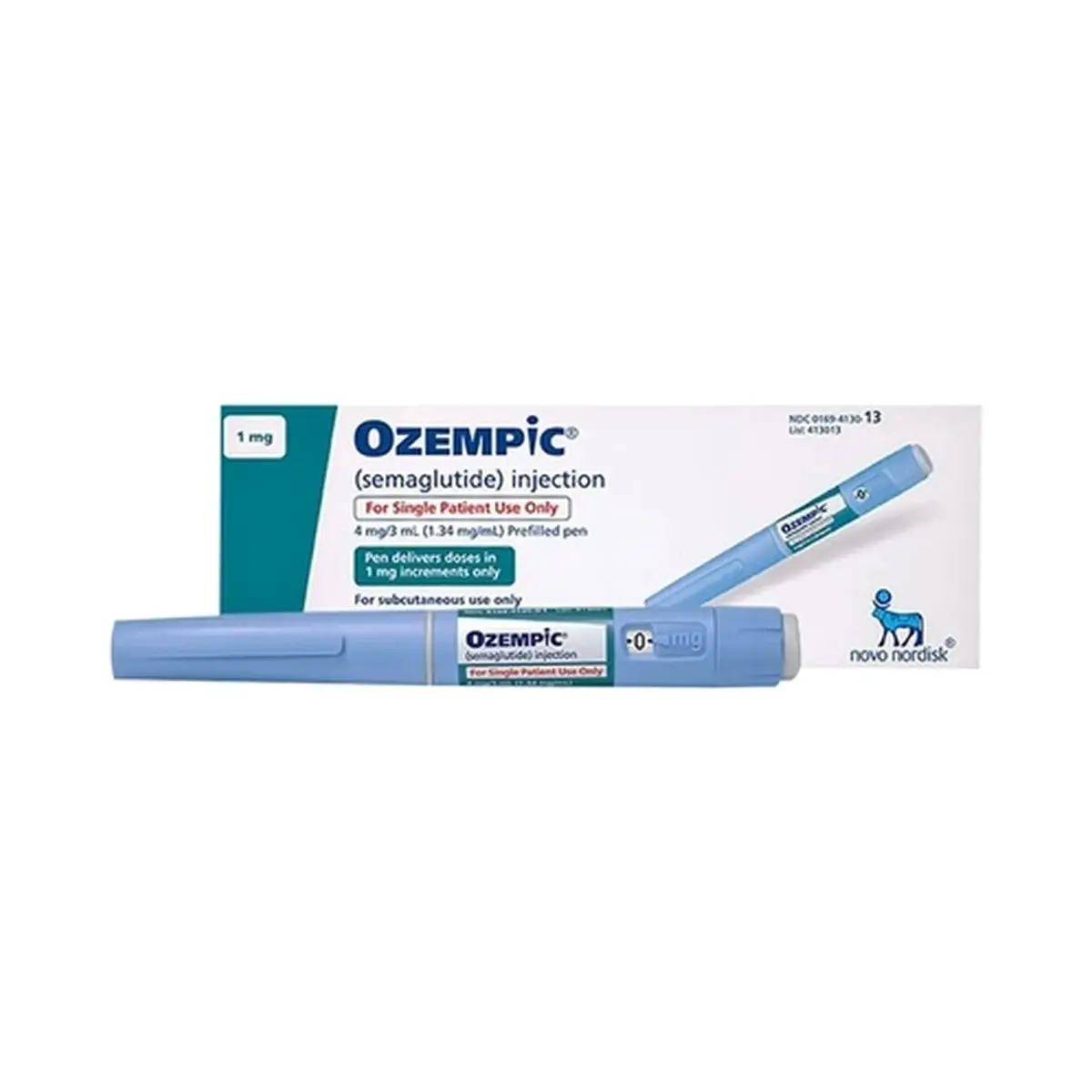
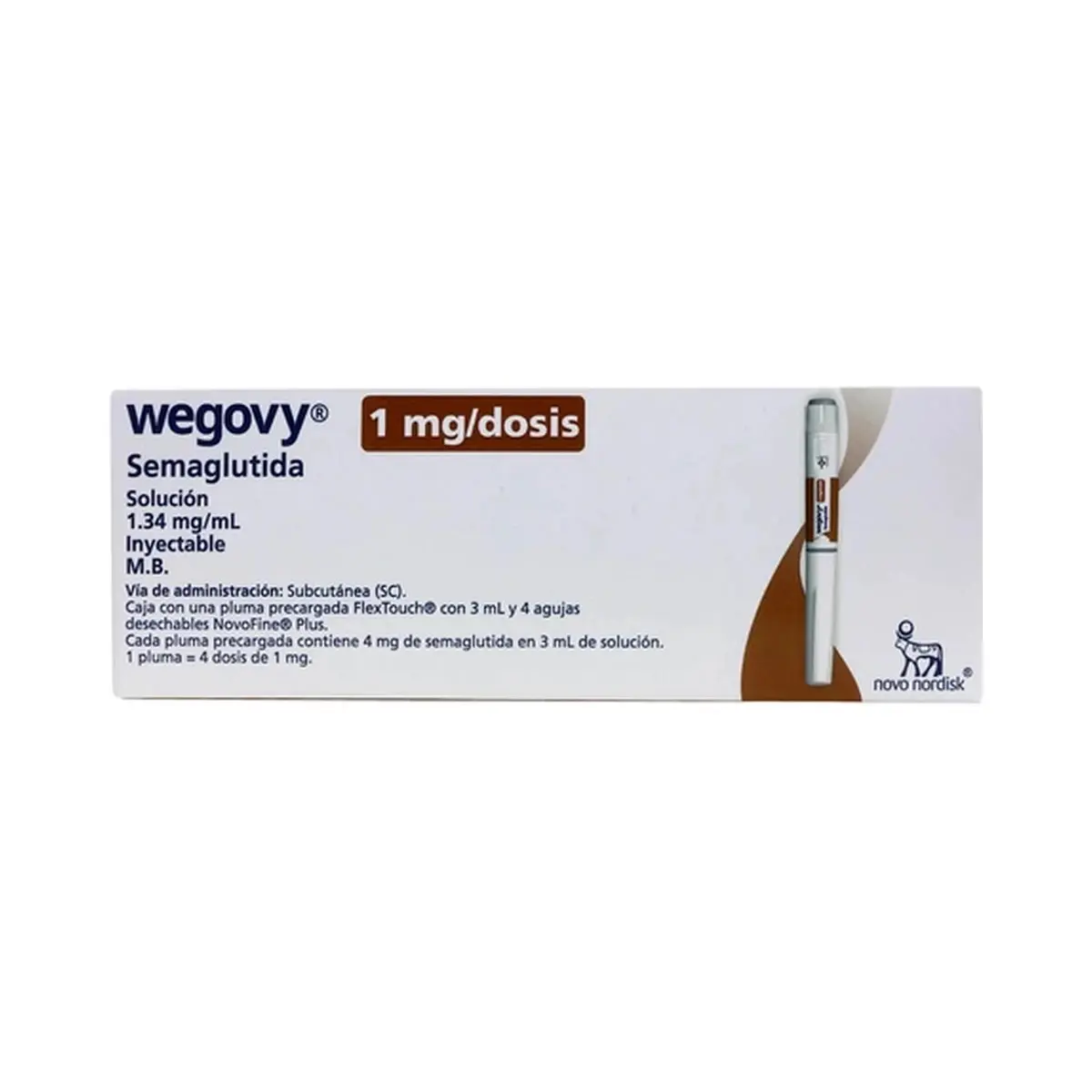
Rybelsus (Semaglutide)
Rybelsus contains semaglutide, an oral glucagon-like peptide-1 (GLP-1) receptor agonist. It is used in adults with type 2 diabetes to improve blood glucose control. The 7 mg tablet is one of the established oral strengths of this medicine.
Active Ingredient and Medicine Class
The active ingredient is semaglutide. It belongs to the GLP-1 receptor agonist class of antidiabetic medicines. This class helps lower blood glucose through effects on insulin and glucagon regulation.
Established Medical Uses
Official prescribing information identifies Rybelsus as an adjunct to diet and exercise for improving glycemic control in adults with type 2 diabetes mellitus. It is not indicated for type 1 diabetes.
How It Works
Semaglutide mimics a natural gut hormone called GLP-1. It increases glucose-dependent insulin secretion, reduces inappropriate glucagon release, and slows gastric emptying. These actions help reduce blood glucose levels after meals and throughout the day.
Important Safety Information
Rybelsus carries a boxed warning about thyroid C-cell tumors seen in rodents; it is contraindicated in patients with a personal or family history of medullary thyroid carcinoma and in patients with multiple endocrine neoplasia syndrome type 2. It should not be used in people with a serious hypersensitivity reaction to semaglutide or any excipient.
Important precautions include acute pancreatitis, acute kidney injury related to volume depletion, diabetic retinopathy complications, and gallbladder disease. Hypoglycemia risk increases when used with insulin or sulfonylureas. Semaglutide also delays gastric emptying and may affect the absorption of some oral medicines; levothyroxine exposure has been reported to increase. Rybelsus should not be used in people with type 1 diabetes or diabetic ketoacidosis.
Possible Side Effects
The most common adverse effects are gastrointestinal, especially nausea, vomiting, diarrhea, abdominal pain, constipation, and reduced appetite. Other important reactions can include dyspepsia, fatigue, headache, and dizziness.
Serious but less common reactions may include severe gastrointestinal symptoms, pancreatitis, gallbladder problems, kidney injury, allergic reactions, and worsening of diabetic retinopathy in susceptible patients.
Scientific Evidence
Randomized trials in the PIONEER programme and later reviews found that oral semaglutide improves HbA1c and can reduce body weight in adults with type 2 diabetes. Across phase 3 studies, gastrointestinal adverse effects were the main tolerability issue, most often appearing early or during dose escalation. Published reviews also support its overall glucose-lowering efficacy in type 2 diabetes.
Medical Information Notice
This educational summary is based on sources available at the time of review and does not replace the official patient leaflet or individual assessment by a qualified healthcare professional.
Medical Sources
- U.S. Food and Drug Administration (FDA): RYBELSUS (semaglutide) tablets, for oral use — Prescribing Information
- Strain WD, et al.: Oral semaglutide in type 2 diabetes — Diabetes, Obesity and Metabolism (2020)