Description
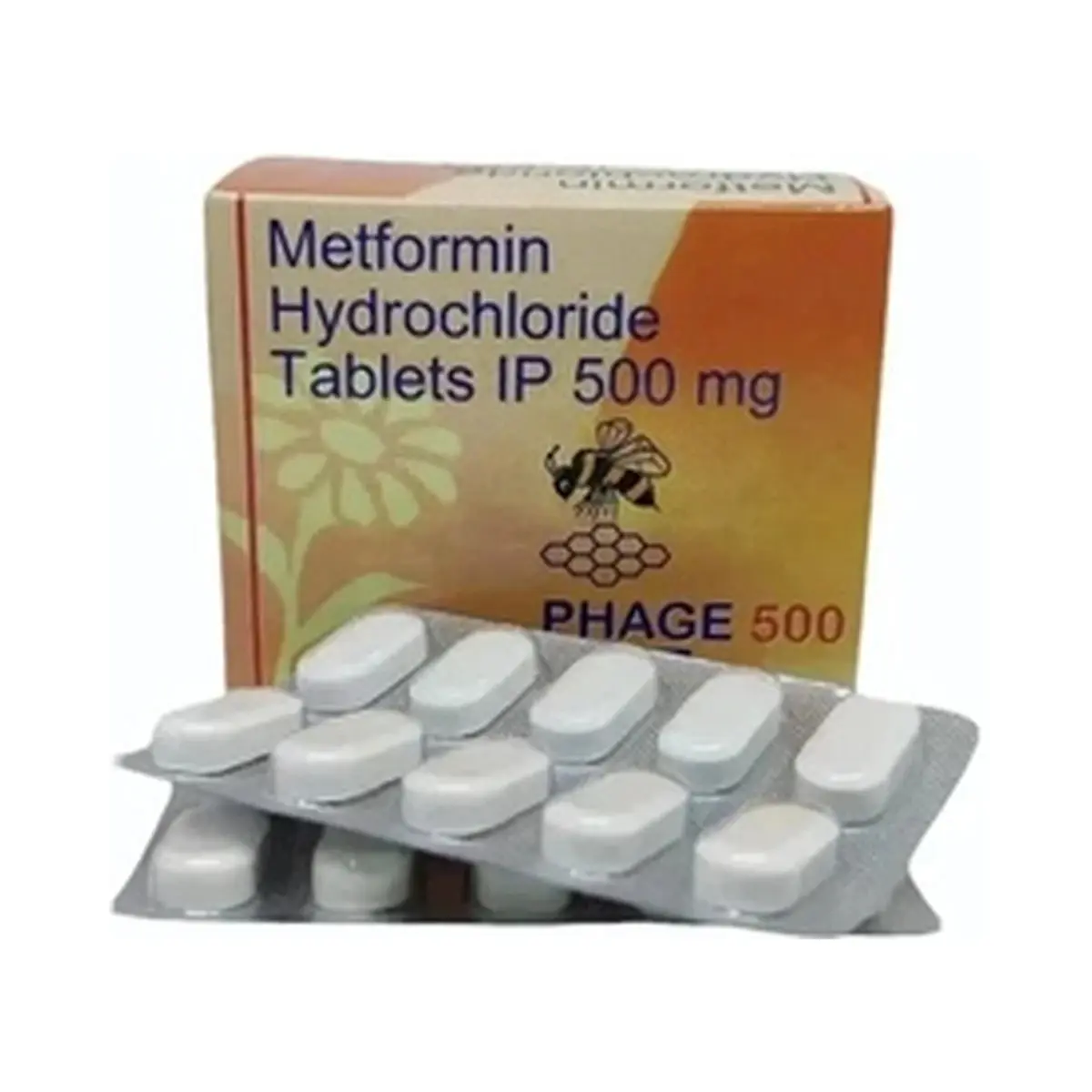
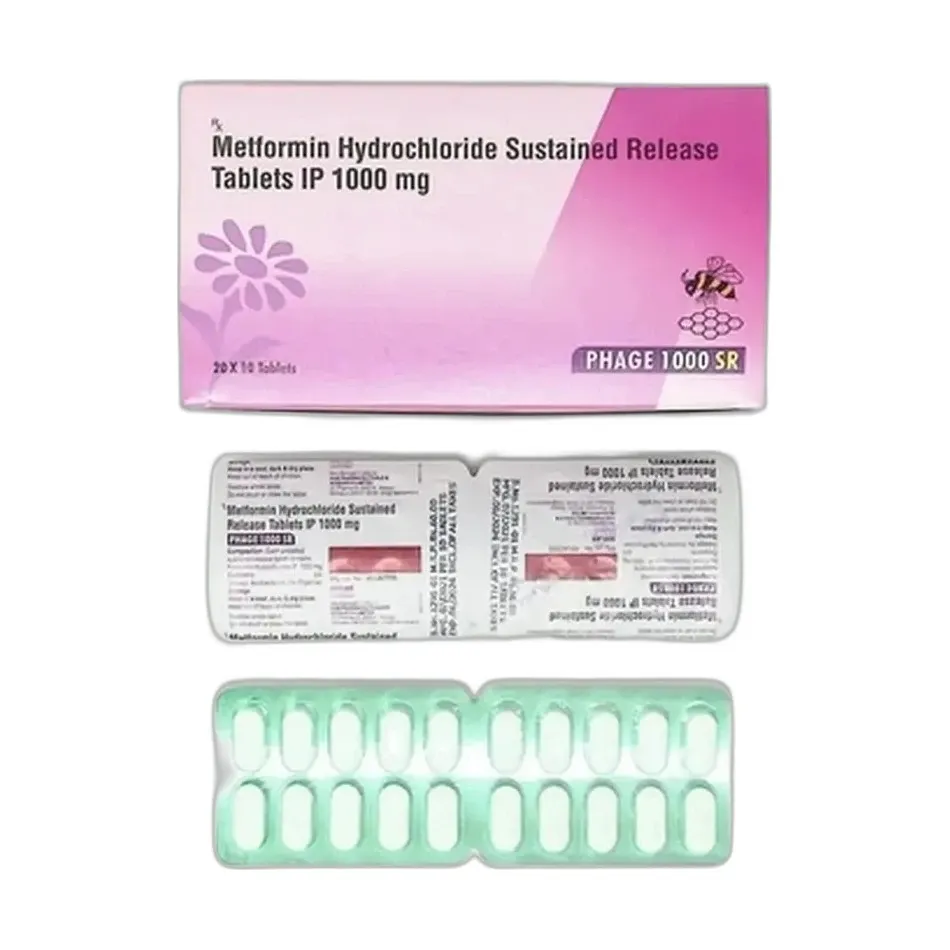
Phage (Metformin) 1000 SR mg
Phage 1000 SR mg appears to be an extended-release oral metformin product. Metformin is an antidiabetic medicine used for type 2 diabetes mellitus. The strength “1000 SR mg” is useful for product identification only.
Active Ingredient and Medicine Class
The verified active ingredient is metformin hydrochloride. It belongs to the biguanide class of glucose-lowering medicines. Extended-release formulations are designed to release metformin gradually.
Established Medical Uses
Metformin extended-release tablets are indicated as an adjunct to diet and exercise to improve glycemic control in adults with type 2 diabetes mellitus. They are not used for type 1 diabetes or diabetic ketoacidosis.
How It Works
Metformin lowers blood glucose mainly by reducing liver glucose production and improving insulin sensitivity. Human and review literature also supports effects in the gut and on energy metabolism, including mitochondrial pathways and AMPK-related signaling.
Important Safety Information
Key contraindications and precautions include severe kidney impairment, metabolic acidosis, and use in situations where lactic acidosis risk is increased. Prescribing information also warns about temporary discontinuation around iodinated contrast procedures and careful use with medicines that can increase metformin exposure, such as dolutegravir, cimetidine, ranolazine, and vandetanib. Alcohol excess is an important precaution. Hypoglycemia is uncommon with metformin alone but may occur with insulin or insulin secretagogues.
Possible Side Effects
The most common adverse effects are gastrointestinal, including diarrhea, nausea, vomiting, abdominal pain, constipation, abdominal distention, dyspepsia, flatulence, and taste disturbance. Headache and dizziness are also reported. Rare but serious reactions include lactic acidosis.
Scientific Evidence
PubMed-indexed reviews consistently describe metformin as a long-established first-line oral therapy for type 2 diabetes, with glucose-lowering effects linked to reduced hepatic glucose output and improved insulin sensitivity. More recent reviews discuss additional mechanisms involving the intestine, mitochondria, and cellular energy sensing pathways, while noting that the full mechanism remains incompletely understood.
Medical Information Notice
This educational summary is based on sources available at the time of review and does not replace the official patient leaflet or assessment by a qualified healthcare professional.
Medical Sources
- DailyMed — Metformin hydrochloride extended-release tablets, prescribing information. View source
- FDA — Metformin Hydrochloride Extended-Release Tablets USP, 500 mg and 1000 mg. View source
- Sanchez-Rangel E, Inzucchi SE — “Metformin: mechanisms of antihyperglycemic action, other pharmacodynamic properties, and safety perspectives.” Diabetes Care (review). PubMed