Description
Phage (Metformin) 500 mg
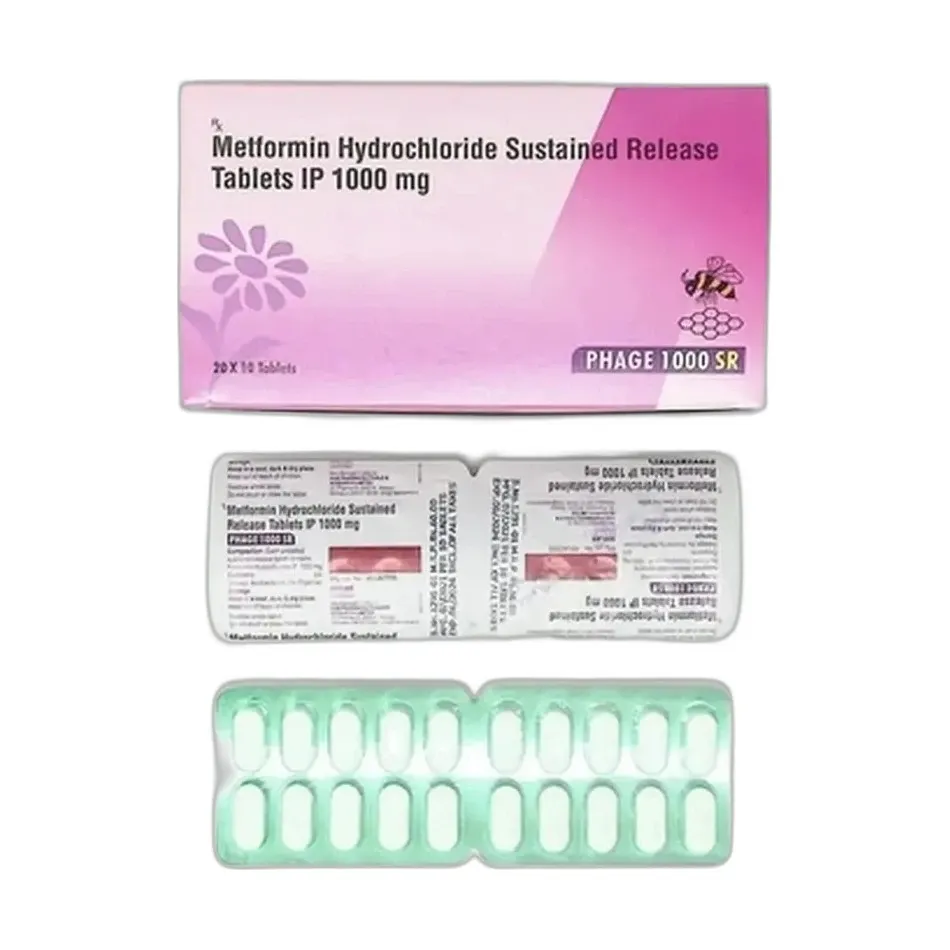
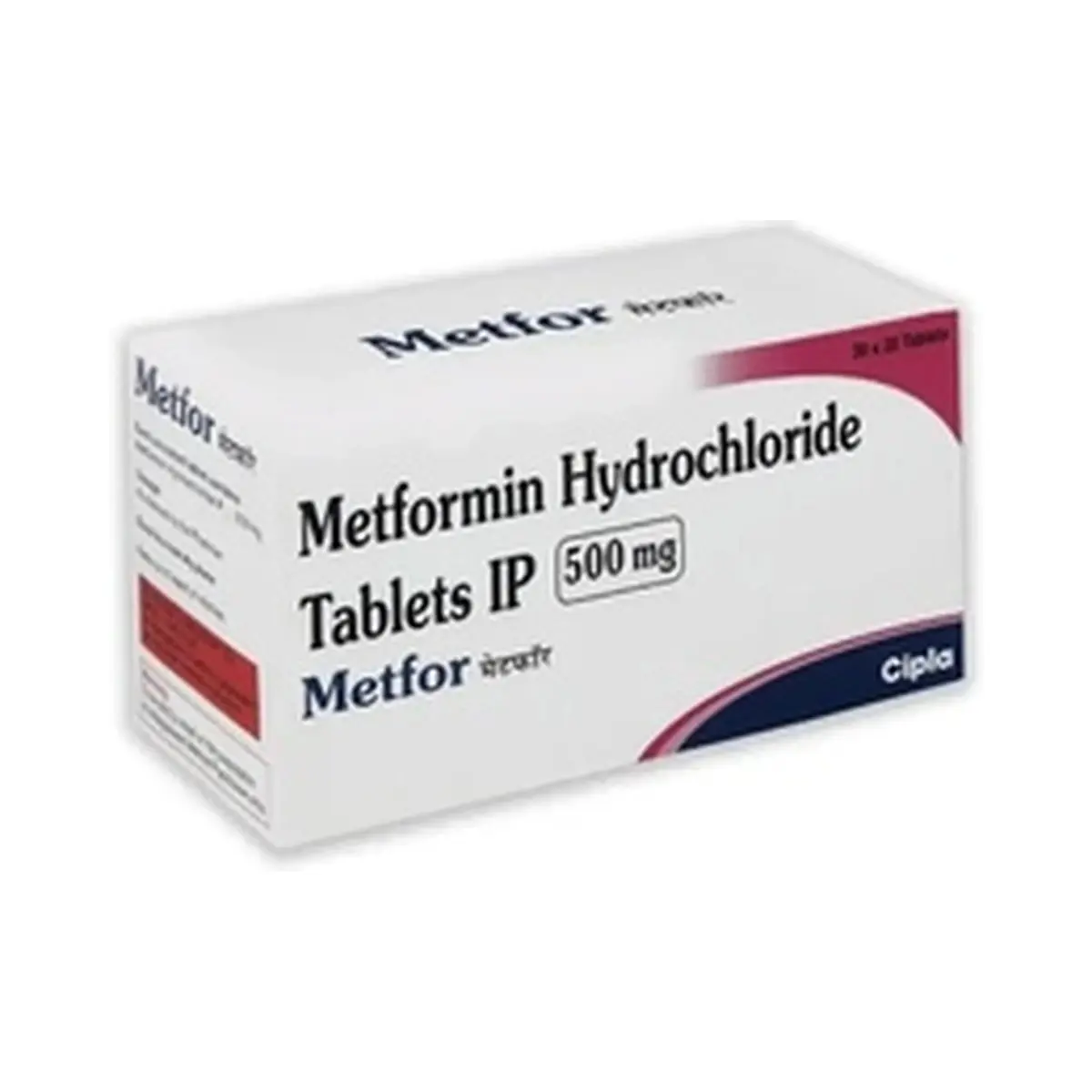
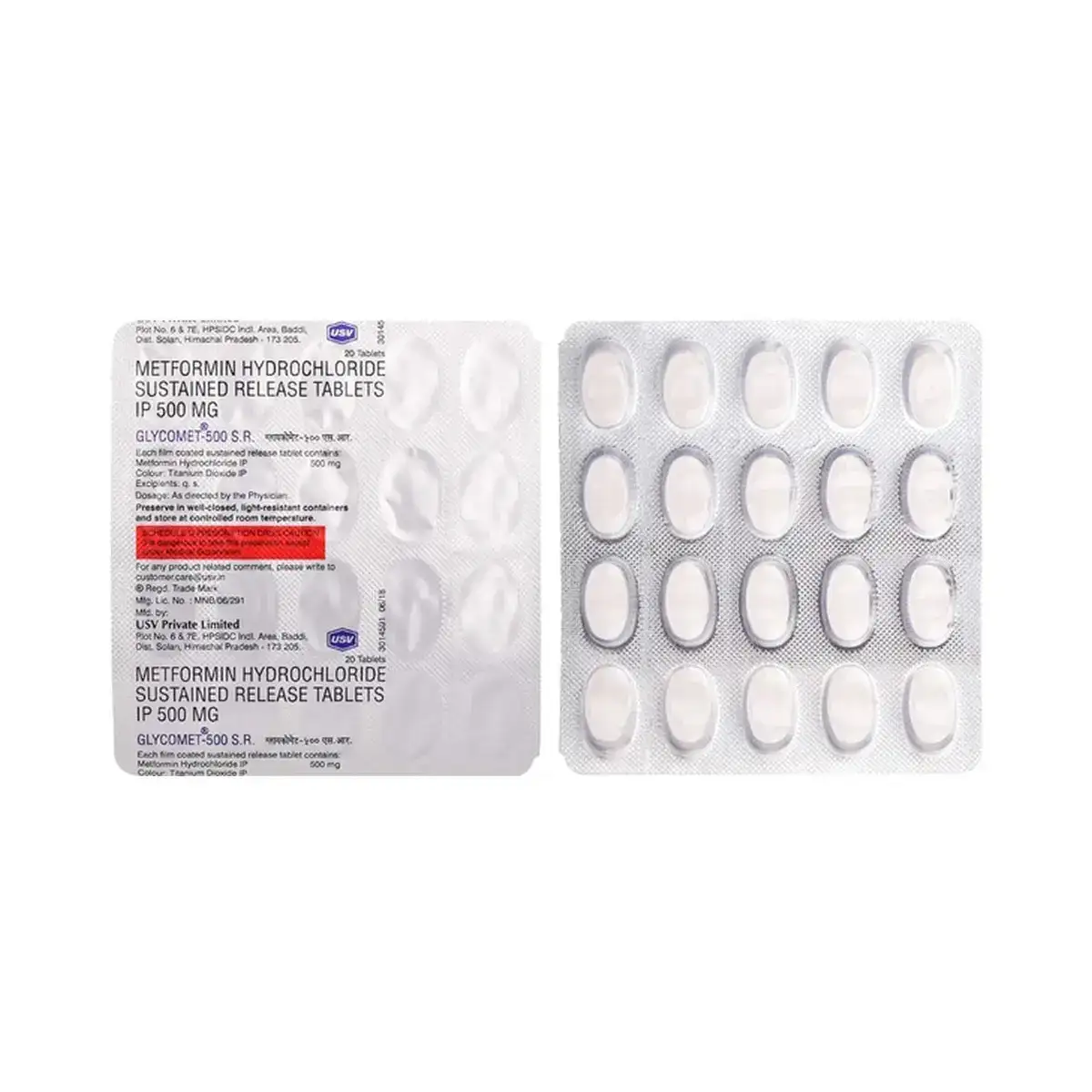
Phage 500 mg is identified by the supplied product name as a metformin 500 mg oral tablet. Metformin is an established antidiabetic medicine used to improve blood glucose control in type 2 diabetes. The product description provided is consistent with regulated metformin tablet products, but the trade name itself was not independently verified in the sources reviewed.
Active Ingredient and Medicine Class
The verified active ingredient is metformin hydrochloride, a biguanide antihyperglycaemic medicine. It is a widely used oral glucose-lowering agent for type 2 diabetes.
Established Medical Uses
Metformin tablets are indicated as an adjunct to diet and exercise to improve glycaemic control in patients with type 2 diabetes. In some regulated products, metformin may also be used with other antidiabetic medicines such as insulin or a sulfonylurea in adults when additional control is needed.
How It Works
Metformin lowers blood glucose mainly by reducing glucose production in the liver and improving the body’s sensitivity to insulin. Peer-reviewed reviews also describe effects on mitochondrial energy metabolism and related pathways, including AMPK signalling, although the full mechanism is not completely understood.
Important Safety Information
Metformin is contraindicated in patients with significant renal disease or renal dysfunction and in those with known hypersensitivity to metformin. Important precautions include reduced kidney function, advanced age, hepatic disease, hypoxic states, dehydration and sepsis, all of which can increase the risk of lactic acidosis. Clinically significant interactions include carbonic anhydrase inhibitors, which may increase acidosis risk, and medicines that reduce renal clearance of metformin, such as cimetidine, dolutegravir, ranolazine and vandetanib. Alcohol can also increase risk. Metformin should be used cautiously when renal function is reduced.
Possible Side Effects
The most commonly reported adverse effects are gastrointestinal, especially diarrhoea, nausea, vomiting, flatulence, abdominal discomfort and indigestion. Headache, asthenia and taste disturbance may also occur. More serious but less common reactions include lactic acidosis, vitamin B12 reduction with longer use, liver injury reported after marketing, and hypersensitivity-type skin reactions.
Scientific Evidence
Clinical studies and reviews support metformin as an effective glucose-lowering treatment for type 2 diabetes. Evidence in the prescribing information shows reductions in fasting glucose and HbA1c in placebo-controlled studies, while peer-reviewed reviews describe its long-standing role as first-line therapy and summarise its hepatic, intestinal and mitochondrial actions. Gastrointestinal adverse effects remain the most frequent limitation to tolerability.
Medical Information Notice
This educational summary is based on sources available at the time of review and does not replace the official patient leaflet, prescribing information or assessment by a qualified healthcare professional.
Medical Sources
- DailyMed — Metformin Hydrochloride Tablets, USP
- DailyMed — Metformin Hydrochloride tablets, prescribing information
- Kapoor N, et al. — “Understanding the glucoregulatory mechanisms of metformin in type 2 diabetes mellitus” — Nature Reviews Endocrinology (2019) — PubMed