Description
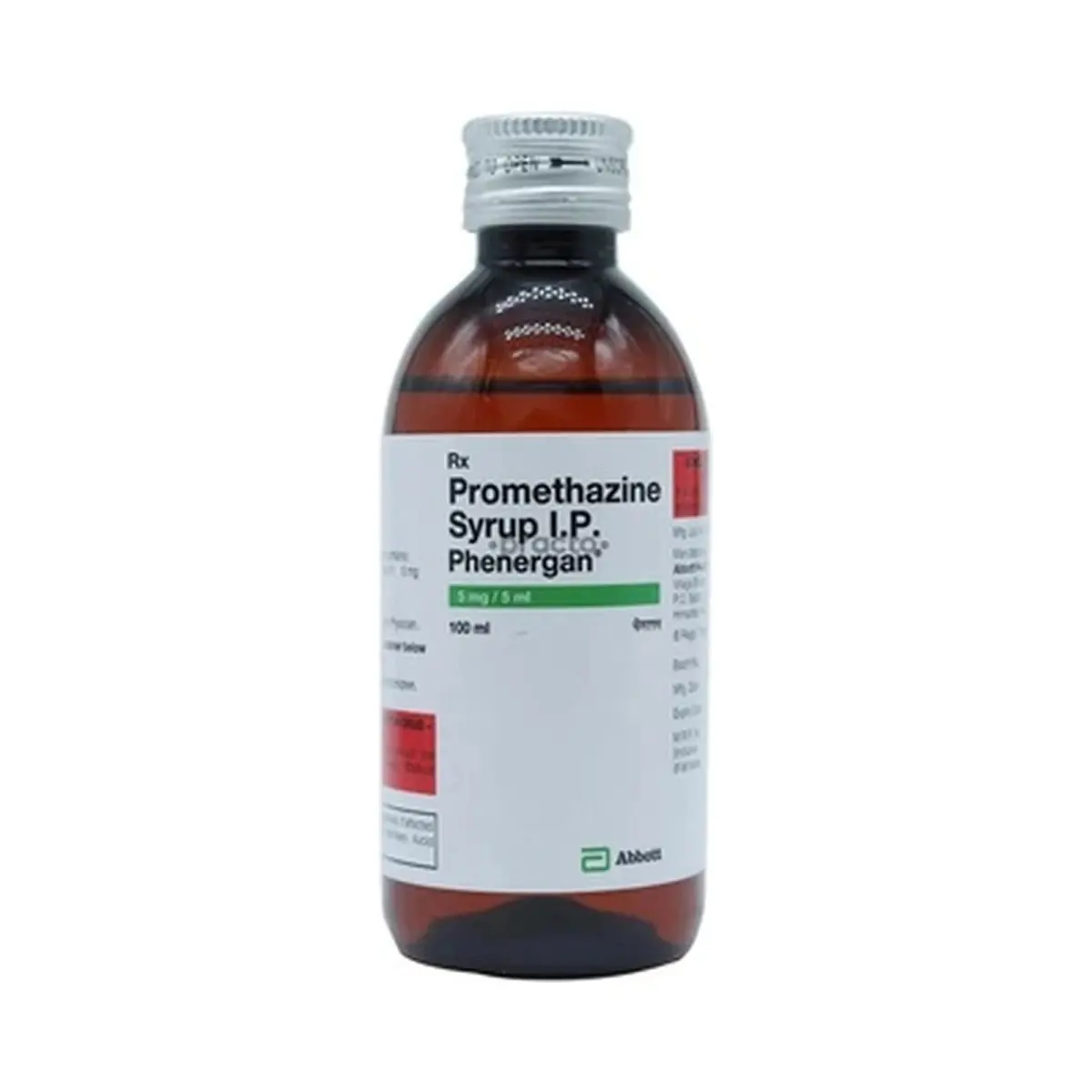
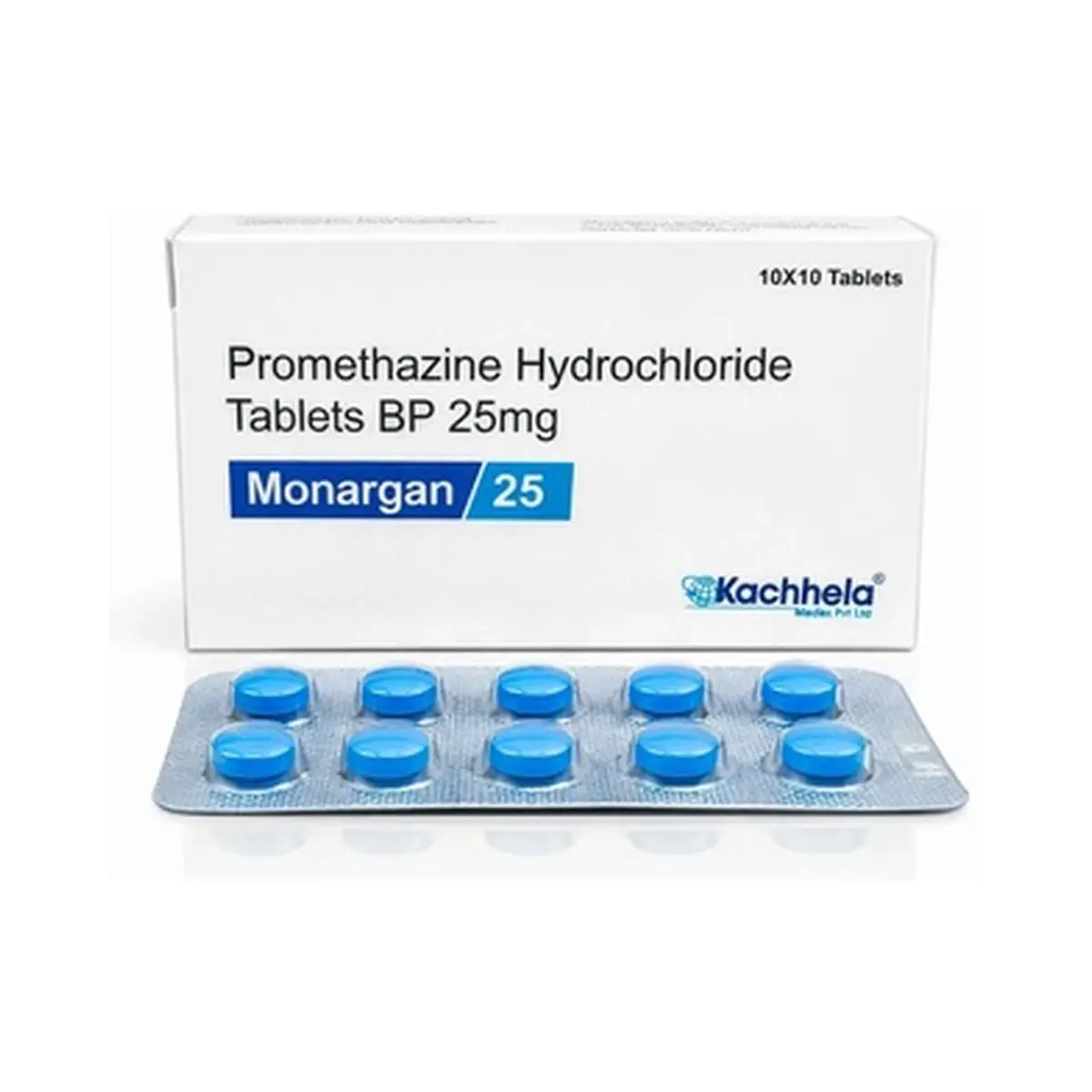
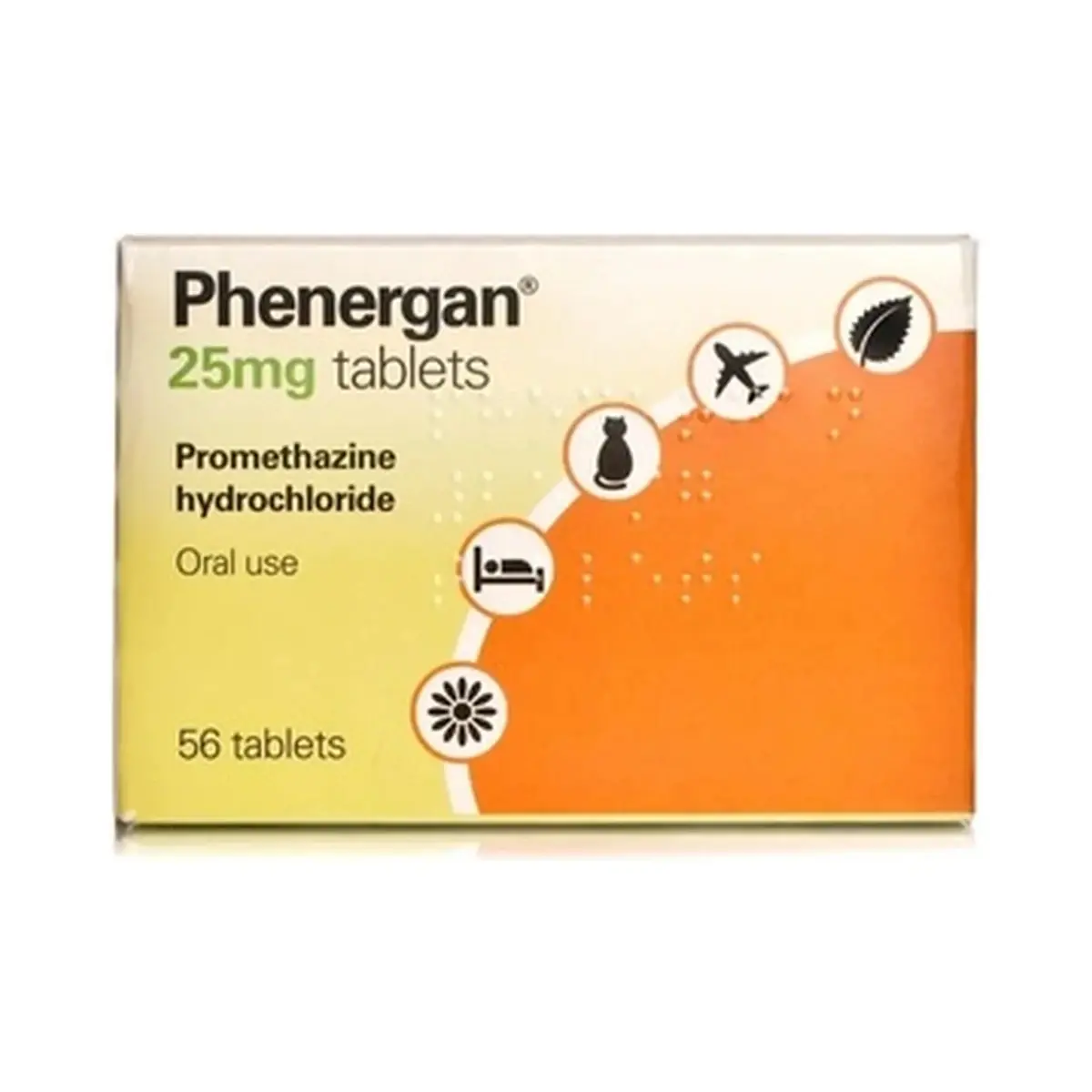
Phenergan (Promethazine) 25 mg
Phenergan 25 mg is a branded oral tablet product containing promethazine hydrochloride. Promethazine is a first-generation antihistamine with sedative, antiemetic and antimuscarinic effects. It is used in several countries under different product licences, including for allergy-related symptoms and nausea and vomiting, depending on the approved local label.
Active Ingredient and Medicine Class
The verified active ingredient is promethazine hydrochloride, a phenothiazine derivative and H1 antihistamine. It is considered a first-generation antihistamine because it readily enters the central nervous system and can cause drowsiness.
Established Medical Uses
Regulatory and scientific sources describe promethazine as used for allergic conditions, nausea and vomiting, motion sickness, and sedation. Product-specific indications vary by country and licence, so the exact approved uses for a given Phenergan product should be confirmed in the official local leaflet.
How It Works
Promethazine blocks histamine H1 receptors and also has anticholinergic and sedative actions. These effects help reduce histamine-driven allergy symptoms and can also lessen nausea, vomiting and motion-sickness symptoms.
Important Safety Information
Promethazine can cause marked sedation and may impair alertness. It should not be used in children under 2 years because of the risk of serious and potentially fatal respiratory depression. Important precautions also include use with other medicines that depress the central nervous system, since effects such as drowsiness and breathing suppression may be increased. Promethazine has antimuscarinic effects, so caution is needed in people who are sensitive to anticholinergic medicines.
Promethazine has also been associated with QT prolongation in scientific literature, so risk may be higher in susceptible patients or when combined with other QT-prolonging medicines.
Possible Side Effects
Common adverse effects include drowsiness, dizziness, dry mouth and blurred vision. Other clinically important reactions can include confusion, agitation, low blood pressure, and respiratory depression, especially in vulnerable patients or when combined with other sedating medicines. Serious but less common risks include abnormal heart rhythm and severe hypersensitivity reactions.
Scientific Evidence
Recent peer-reviewed reviews describe promethazine as an established H1-antihistamine with antiemetic, sedative and anticholinergic actions, while also emphasising its toxicity profile and safety concerns, particularly for injectable formulations. Other published work supports its potential to affect cardiac repolarisation and prolong QT interval.
Medical Information Notice
This educational summary is based on sources available at the time of review and does not replace the official patient leaflet or individual assessment by a qualified healthcare professional.
Medical Sources
- DailyMed: PHENERGAN- promethazine hcl tablet
- DailyMed: PROMETHAZINE HYDROCHLORIDE tablet
- Roberts, et al.: Promethazine: A Review of Therapeutic Uses and Toxicity, Journal of Emergency Medicine, 2024.
- Sadhasivam et al.: H(1) antihistamine drug promethazine directly blocks hERG K(+) channel, European Journal of Pharmacology, 2009.