Description
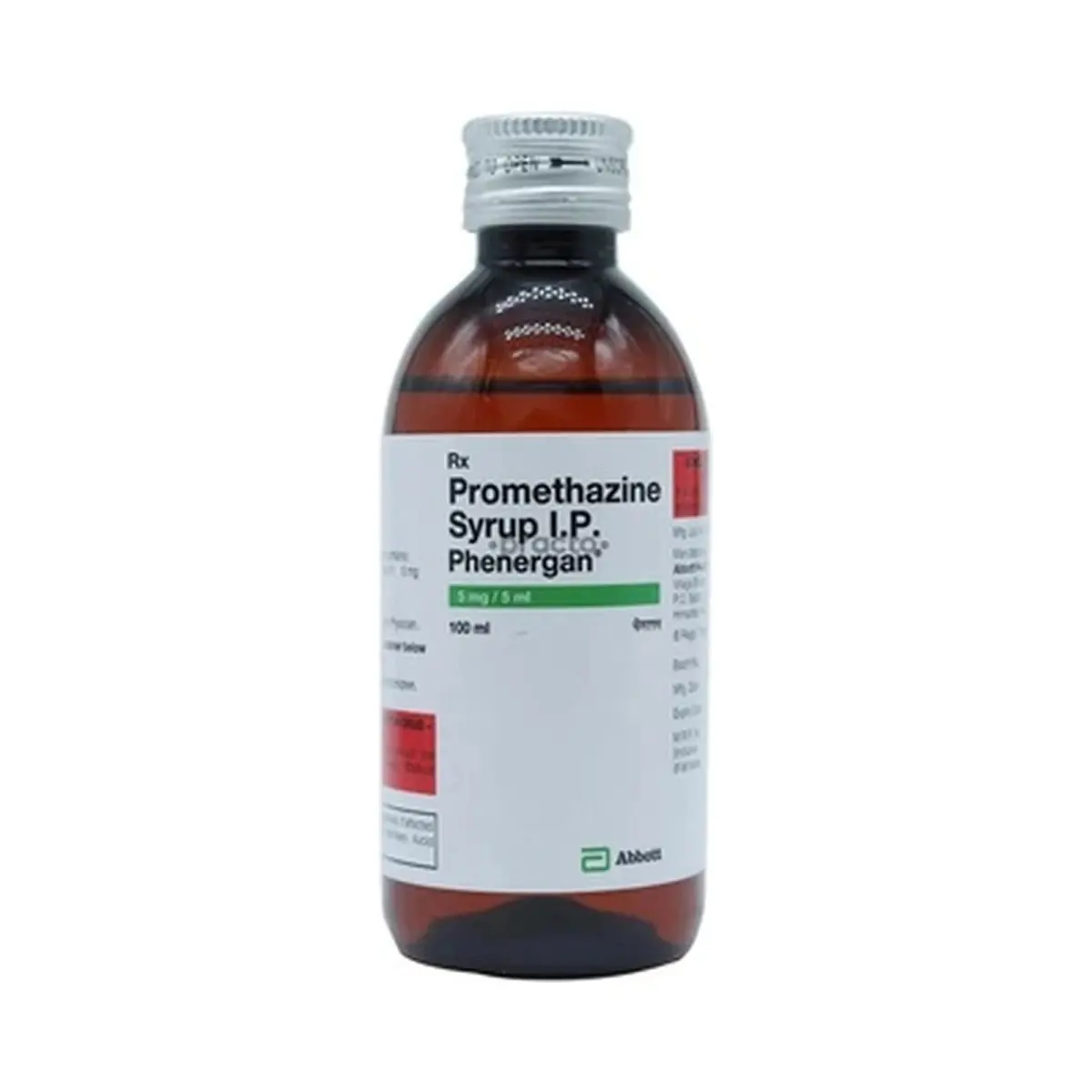
Phenergan Syrup (Promethazine) 5 mg/5 ml
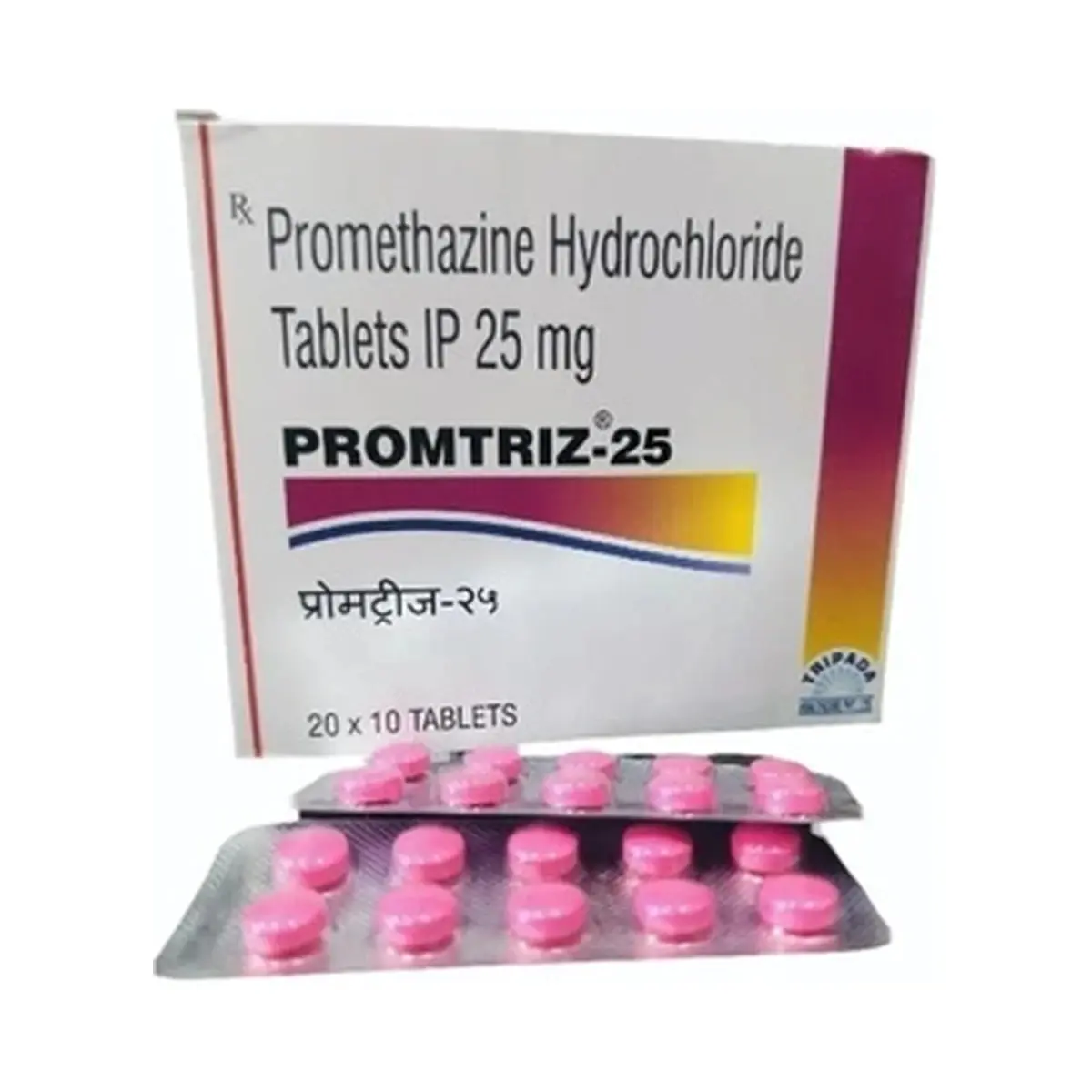
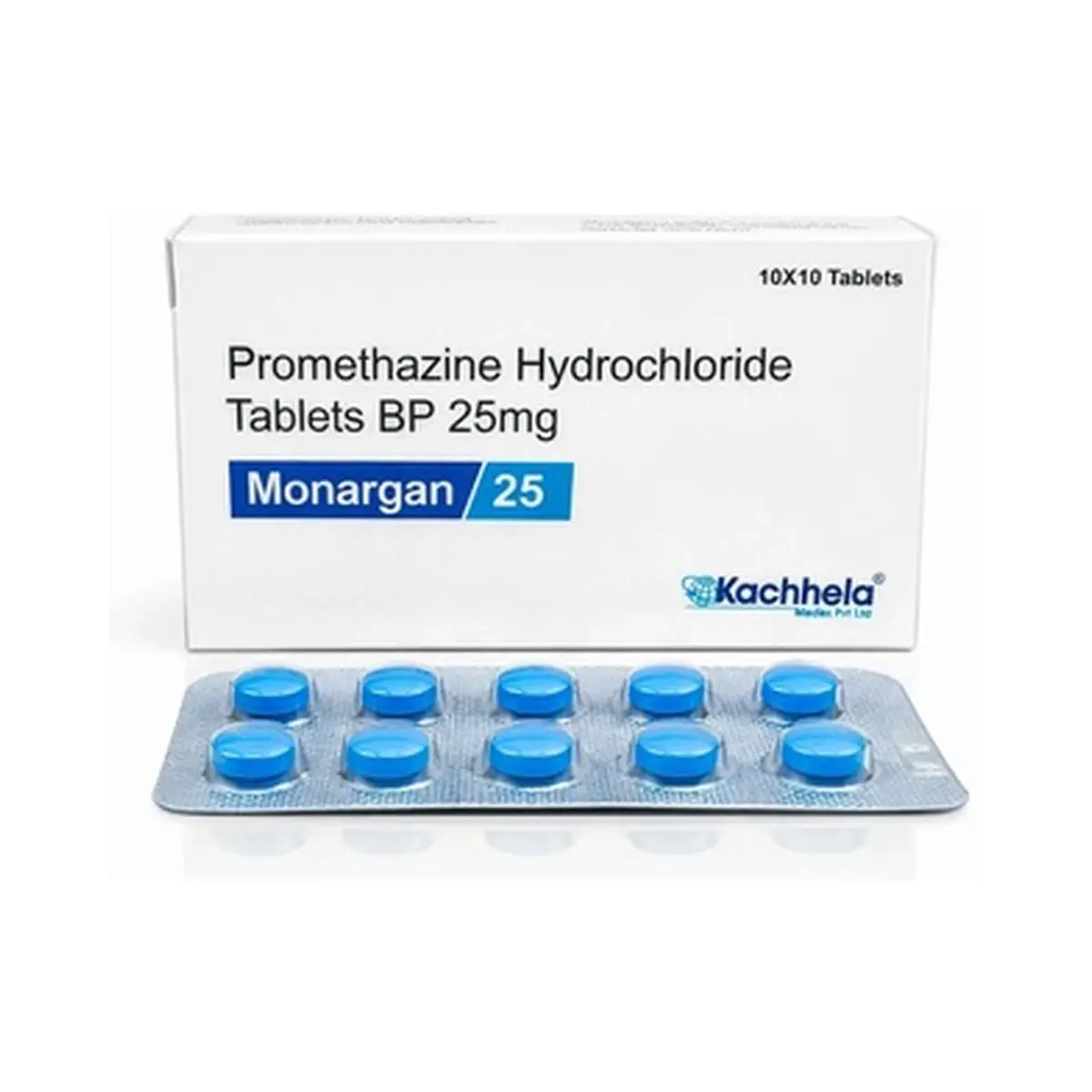
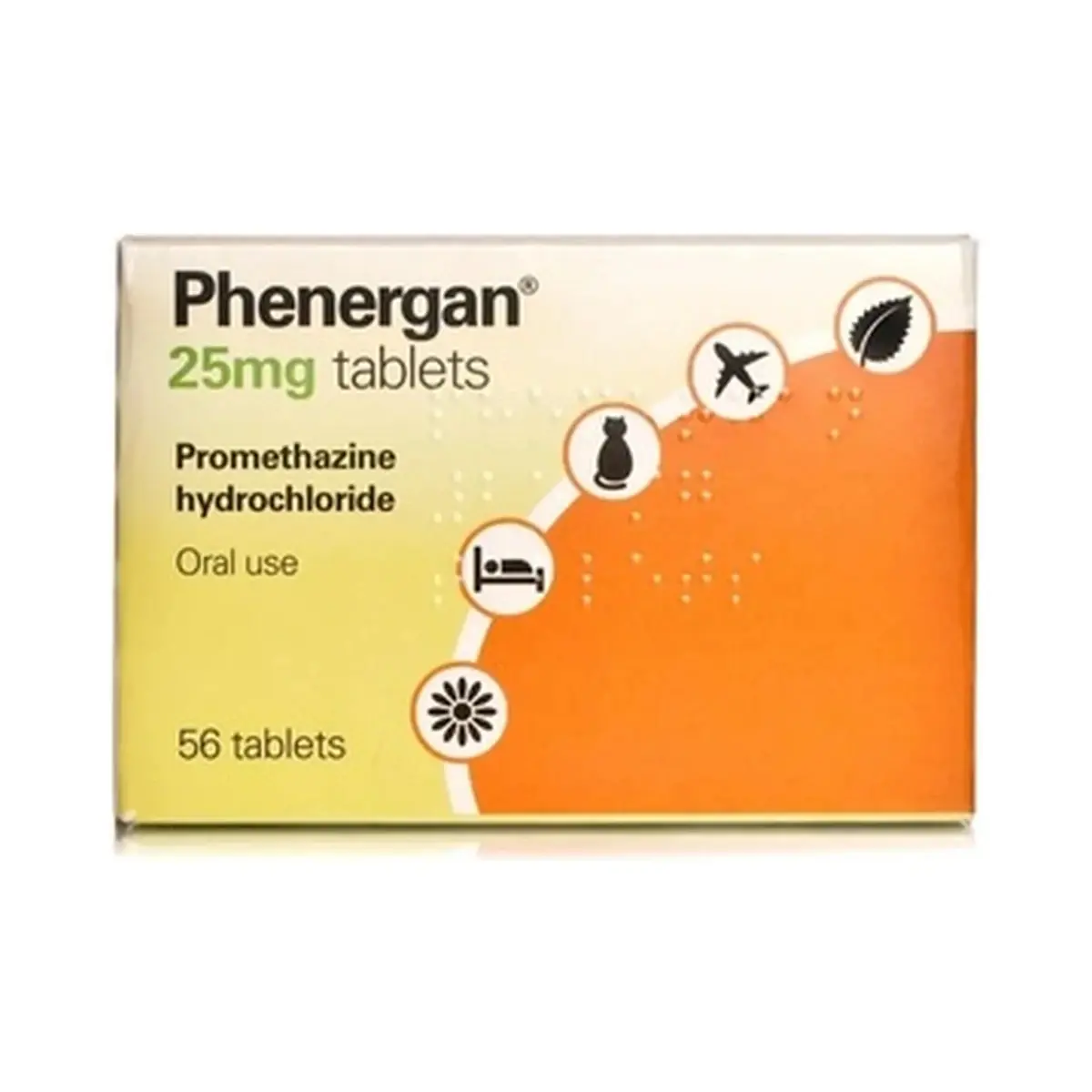
Phenergan Syrup 5 mg/5 ml is a branded oral liquid formulation containing promethazine hydrochloride, a first-generation antihistamine of the phenothiazine class. It is used for symptomatic relief of allergic conditions, and promethazine is also used in some settings for nausea, vomiting, motion sickness, sedation and related indications depending on local prescribing information.
Active Ingredient and Medicine Class
The verified active ingredient is promethazine hydrochloride at 5 mg per 5 ml. Promethazine is a sedating H1-antihistamine and phenothiazine derivative with anticholinergic, antiemetic and sedative properties.
Established Medical Uses
Regulatory product information for promethazine syrup and elixir supports use for symptomatic treatment of allergic conditions such as allergic rhinitis, urticaria and other histamine-mediated reactions. Some official labels also include antiemetic and short-term sedative uses, though the exact approved indications can vary by country and product label.
How It Works
Promethazine works mainly by blocking histamine H1 receptors, which helps reduce itching, sneezing, runny nose and other allergy symptoms. It also has antimuscarinic and central nervous system depressant effects, which explain its sedating properties and some of its adverse effects.
Important Safety Information
Promethazine should not be used in people with known hypersensitivity to promethazine, other phenothiazines or any product ingredient. FDA labeling warns that it can cause potentially fatal respiratory depression and should be avoided in patients with compromised respiratory function. It may lower the seizure threshold, and caution is advised in seizure disorders, glaucoma, prostatic hypertrophy, urinary or gastric outlet obstruction, cardiovascular disease and liver impairment. Concomitant use with alcohol, sedatives, opioids, tricyclic antidepressants and other central nervous system depressants can increase sedation and respiratory risk. FDA labeling also warns against use in children under 2 years of age.
Possible Side Effects
Common adverse effects include drowsiness, sedation, dizziness, blurred vision, confusion and dry mouth. More serious reactions can include severe breathing problems, extrapyramidal symptoms, seizures, jaundice, blood cell abnormalities and marked over-sedation, especially in children or when combined with other depressant medicines.
Scientific Evidence
Peer-reviewed reviews describe promethazine as a long-established H1 antagonist with antihistamine, sedative, anti-kinetotic and antiemetic activity. The literature also highlights its narrow safety margin in some settings and its clinically important sedative and respiratory-depressant interactions.
Medical Information Notice
This summary is based on sources available at the time of review and is intended for educational use only. It does not replace the official patient leaflet, prescribing information or assessment by a qualified healthcare professional.
Medical Sources
- FDA — Promethazine HCl Syrup Plain Prescribing Information
- electronic Medicines Compendium (emc) — Phenergan Elixir 5 mg/5 ml Oral Solution Summary of Product Characteristics
- Southard BT, Al Khalili Y, et al. — Promethazine. StatPearls. 2024.