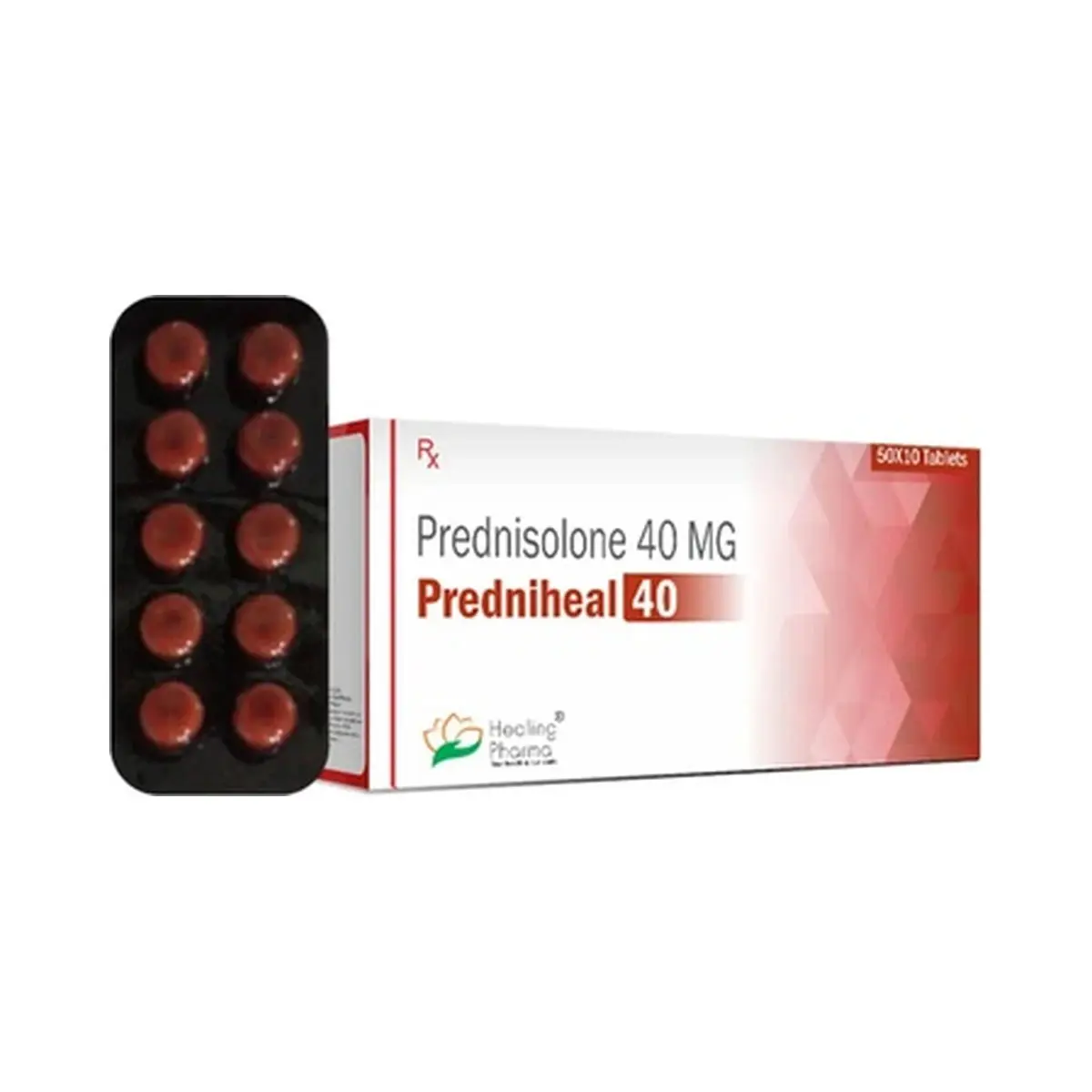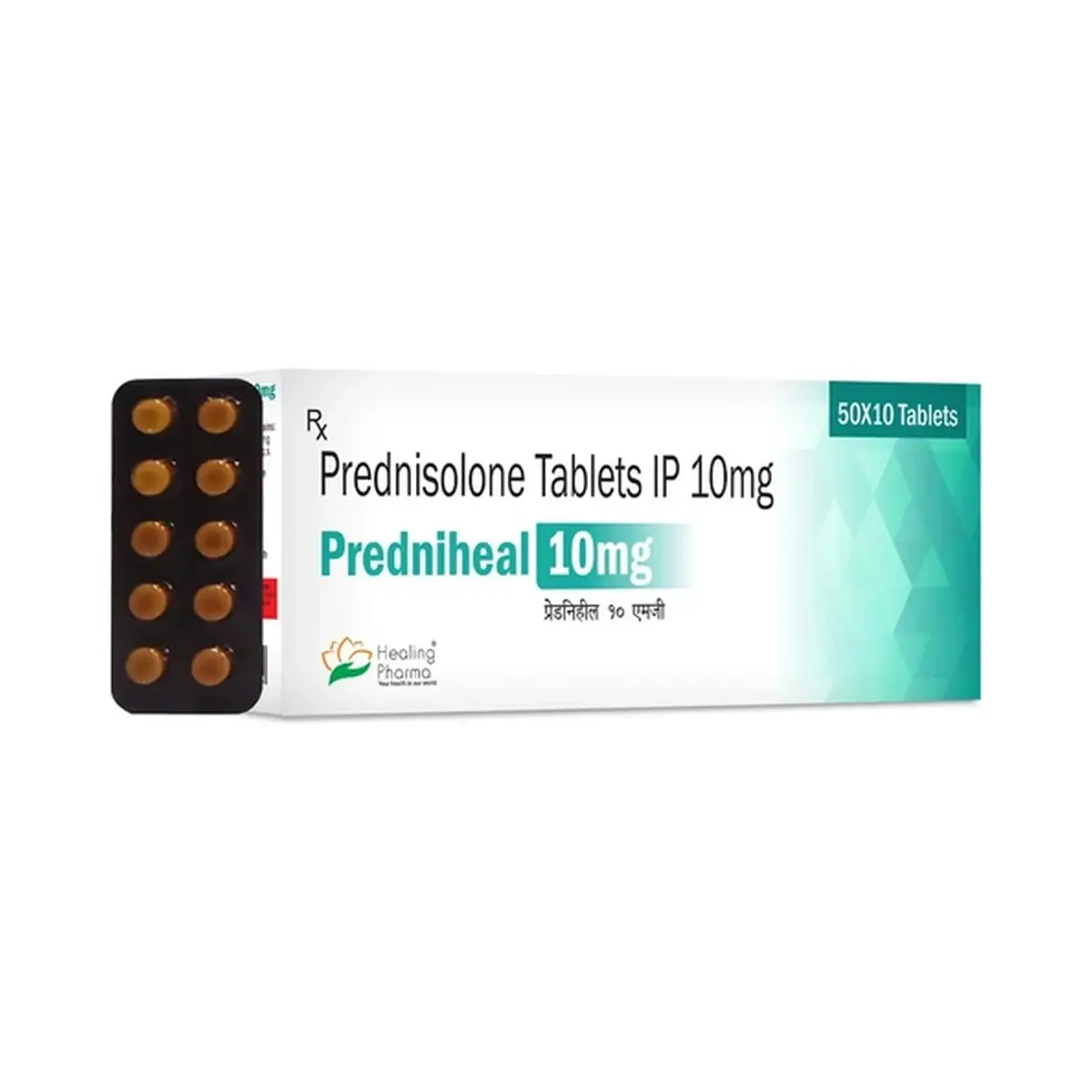
Description
Predniheal (Prednisolone) 10 mg
Predniheal 10 mg contains prednisolone, a systemic corticosteroid used for its anti-inflammatory and immunosuppressive effects. It is an oral tablet formulation for conditions where corticosteroid therapy is clinically appropriate. This summary is based on verified prescribing information for prednisolone and supporting scientific literature.
Active Ingredient and Medicine Class
Prednisolone is a glucocorticoid corticosteroid. Drugs in this class act on the glucocorticoid receptor and alter the expression of inflammatory and immune-response genes. Prednisolone is a systemic medicine, meaning it acts throughout the body rather than only at one local site.
Established Medical Uses
Verified prescribing information shows prednisolone is used for a broad range of inflammatory, allergic, autoimmune and other steroid-responsive disorders. These include severe allergic conditions, dermatologic inflammatory diseases, certain endocrine disorders, some gastrointestinal and rheumatic conditions, and other situations where suppression of inflammation or immune activity is required. The exact approved uses vary by product and country.
How It Works
Prednisolone binds to glucocorticoid receptors inside cells. This changes the activity of genes involved in inflammation, reducing the production of inflammatory mediators and dampening immune-cell activity. The result is decreased swelling, redness, pain and other signs of inflammatory disease.
Important Safety Information
Prednisolone is contraindicated in systemic fungal infections in the product labels reviewed. It can increase susceptibility to infections, worsen existing infections and mask signs of infection. Important precautions include latent or active infection, hepatitis B reactivation risk with prolonged immunosuppressive use, and the potential for adrenal suppression with corticosteroid exposure. Clinically significant interactions are well recognised with medicines such as cyclosporine and other immunosuppressive agents; corticosteroid-related adverse effects may also be more likely with prolonged or high-dose therapy.
Possible Side Effects
Common or important adverse effects of systemic corticosteroids include increased appetite, weight gain, fluid retention, elevated blood pressure, changes in blood glucose, mood or behavioural changes, and sleep disturbance. More serious reactions can include infection, adrenal suppression, osteoporosis, muscle weakness, peptic ulcer complications, eye problems and psychiatric effects.
Scientific Evidence
Peer-reviewed reviews and meta-analyses consistently show that systemic corticosteroids are effective anti-inflammatory agents but carry clinically important risks, especially with higher doses or longer use. Reported adverse outcomes include hyperglycaemia, hypertension, weight gain, osteoporosis, adrenal suppression and increased infection risk.
Medical Information Notice
This page is an educational summary based on sources available at the time of review and does not replace the official patient leaflet or assessment by a qualified healthcare professional.
Medical Sources
- DailyMed / FDA label: Prednisolone Tablets, USP
- Dejean C, Richard D.: “Mechanisms of action of glucocorticoids.” Revue de Médecine Interne (2013). PubMed