Description
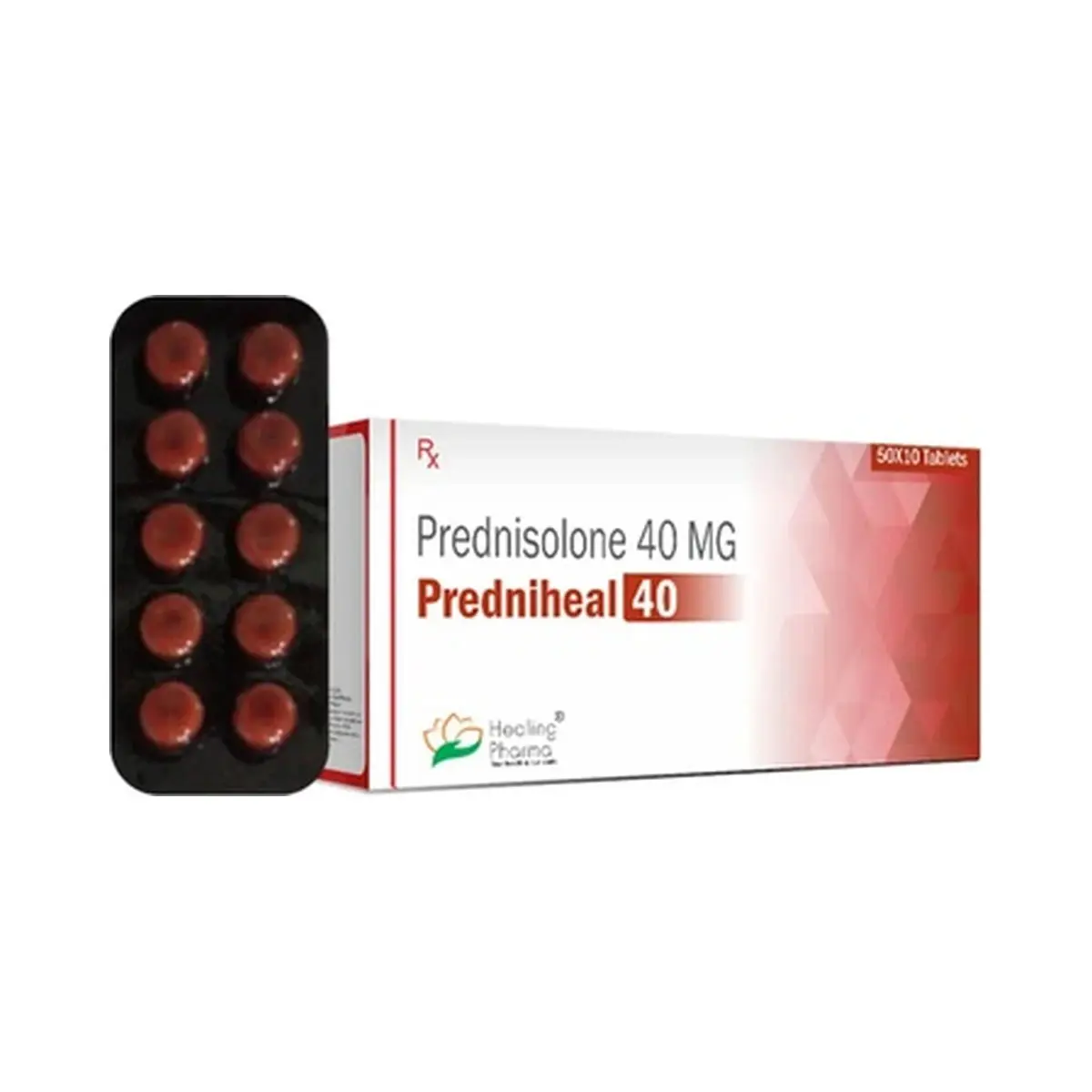
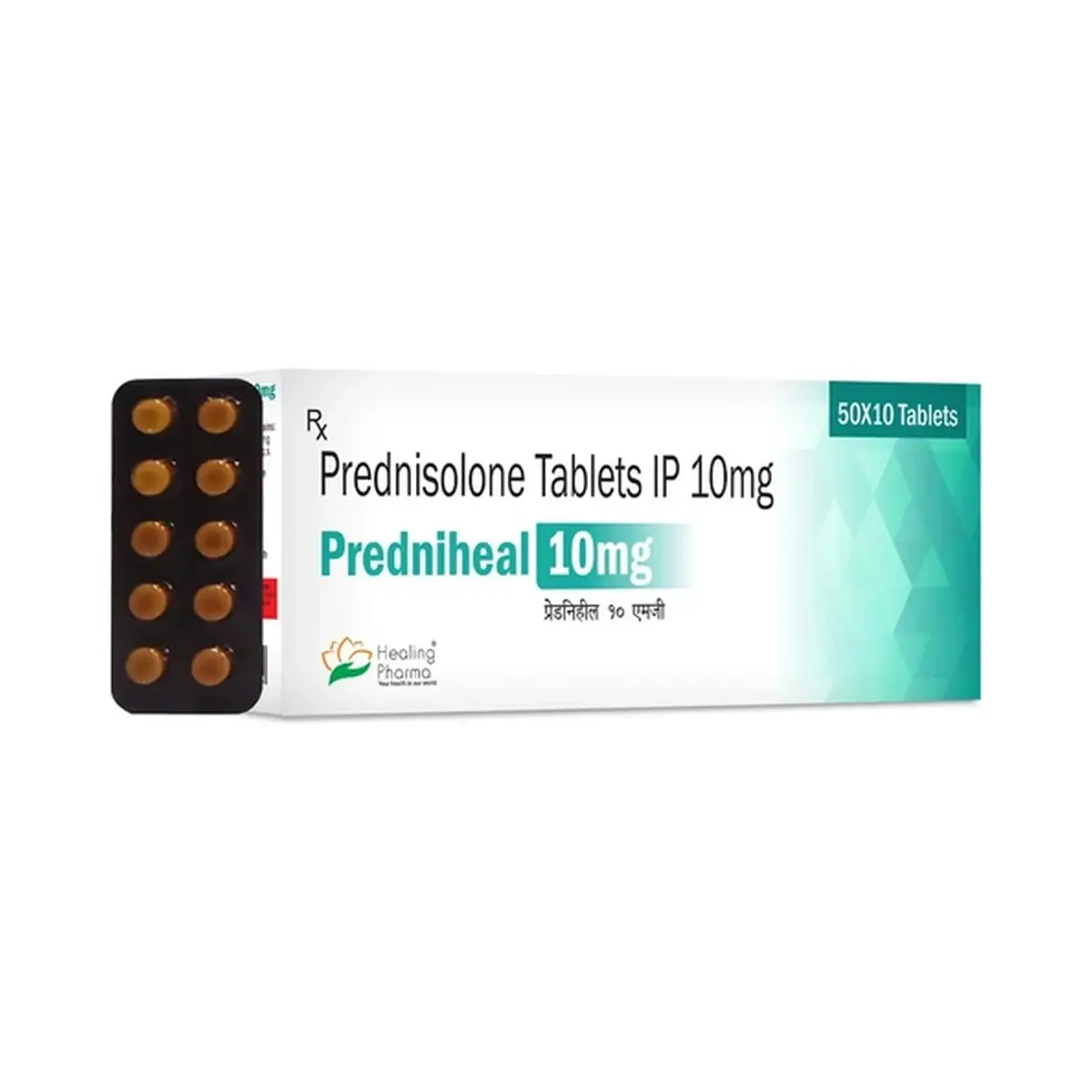
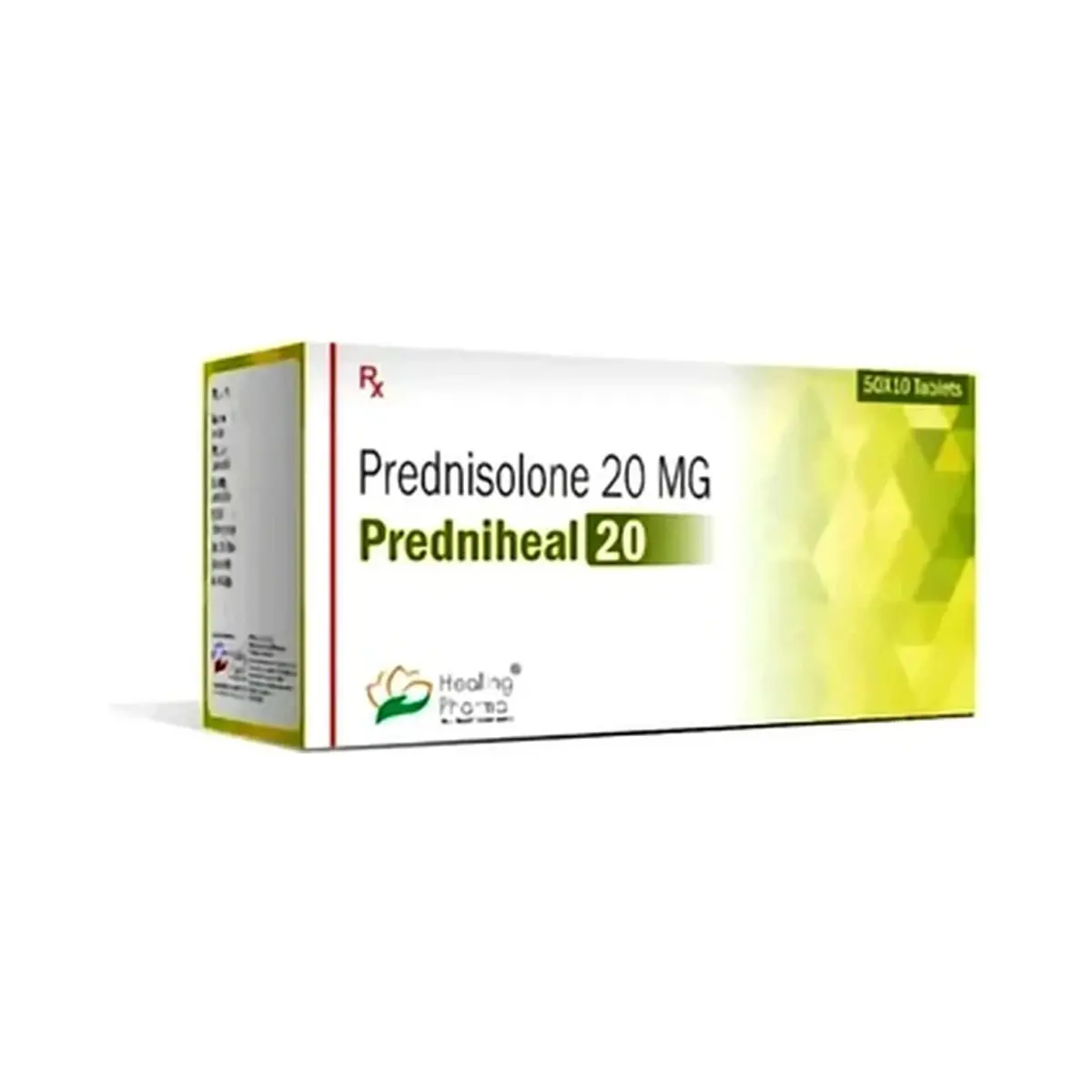
Predniheal (Prednisolone) 20 mg
Predniheal 20 mg is a branded oral prednisolone tablet. Prednisolone is a systemic corticosteroid used for its anti-inflammatory and immunosuppressive effects.
Active Ingredient and Medicine Class
The verified active ingredient is prednisolone, a glucocorticoid corticosteroid. It is a prescription medicine used to reduce inflammation and suppress abnormal immune activity. Official prescribing information for prednisolone-containing products identifies it as a corticosteroid for oral use.
Established Medical Uses
Prednisolone is used in a broad range of inflammatory, allergic, autoimmune, respiratory, dermatologic, gastrointestinal, hematologic and other conditions where systemic corticosteroid treatment is indicated. Regulatory labeling for prednisolone-containing medicines includes use in disorders such as adrenal insufficiency replacement support, allergic reactions, asthma and other inflammatory diseases, depending on the specific product and market authorization.
How It Works
Prednisolone works by binding to glucocorticoid receptors inside cells and altering the expression of inflammatory genes. This lowers the activity of immune cells and reduces the release of inflammatory mediators, which helps control swelling, redness, and immune-driven tissue damage. Reviews in PubMed describe glucocorticoids as having established anti-inflammatory and immunosuppressive actions through these receptor-mediated pathways.
Important Safety Information
Prednisolone should not be used in patients with known hypersensitivity to corticosteroids or product components. Important precautions include the risk of adrenal suppression with systemic corticosteroid exposure, and increased susceptibility to infections during treatment. Clinically significant interactions may occur with other medicines that affect steroid metabolism or immune function, and with therapies that raise the risk of infection or gastrointestinal complications. Official labeling also warns about corticosteroid-related endocrine, infectious, metabolic and psychiatric risks.
Possible Side Effects
Commonly reported adverse effects of systemic corticosteroids include increased appetite, fluid retention, indigestion, mood changes, insomnia and elevated blood glucose. More serious reactions can include infection, adrenal suppression, hypertension, osteoporosis, eye complications, and severe psychiatric or allergic reactions. Long-term glucocorticoid use is associated with clinically important risks, including opportunistic infections and metabolic effects.
Scientific Evidence
Clinical evidence supports the use of oral prednisolone in inflammatory disease control. A PubMed-indexed systematic review in rheumatoid arthritis found that low-dose prednisolone improved pain, tenderness and grip strength compared with placebo and some non-steroidal anti-inflammatory drugs. Broader reviews also describe glucocorticoids as a cornerstone therapy in inflammatory and immune-mediated disorders, while emphasizing dose-related toxicity and the need for careful risk assessment.
Medical Information Notice
This summary is for educational purposes only and is based on sources available at the time of review. It does not replace the official patient leaflet, product label, or assessment by a qualified healthcare professional.
Medical Sources
- Official source: DailyMed, Prednisolone Tablets, USP
- Official source: FDA, ORAPRED ODT (prednisolone sodium phosphate orally disintegrating tablets) Prescribing Information
- W. J. Jusko, “Pharmacokinetics and receptor-mediated pharmacodynamics of corticosteroids”, Toxicology, 1995
- Short-term low-dose corticosteroids vs placebo and nonsteroidal antiinflammatory drugs in rheumatoid arthritis, PubMed