Description
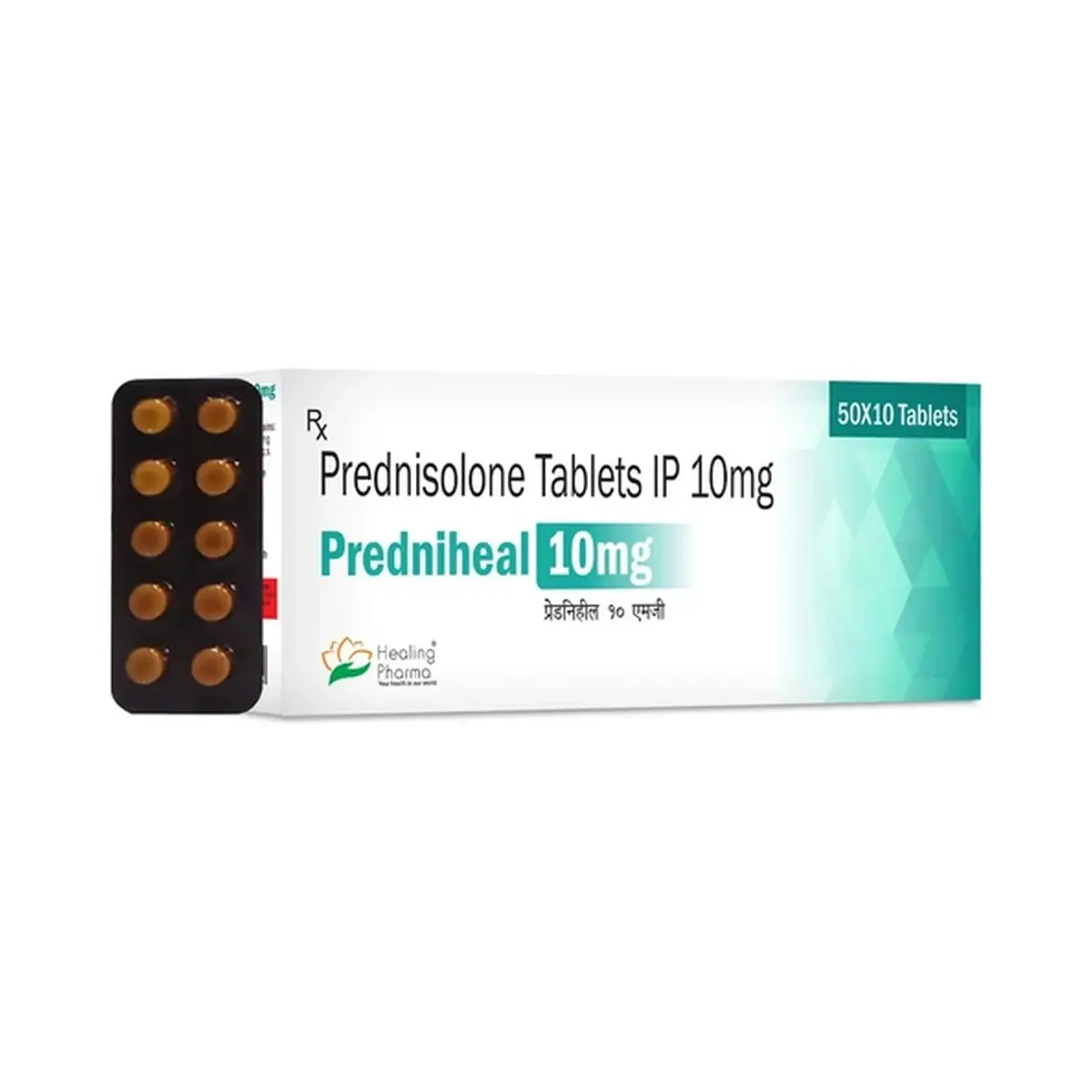
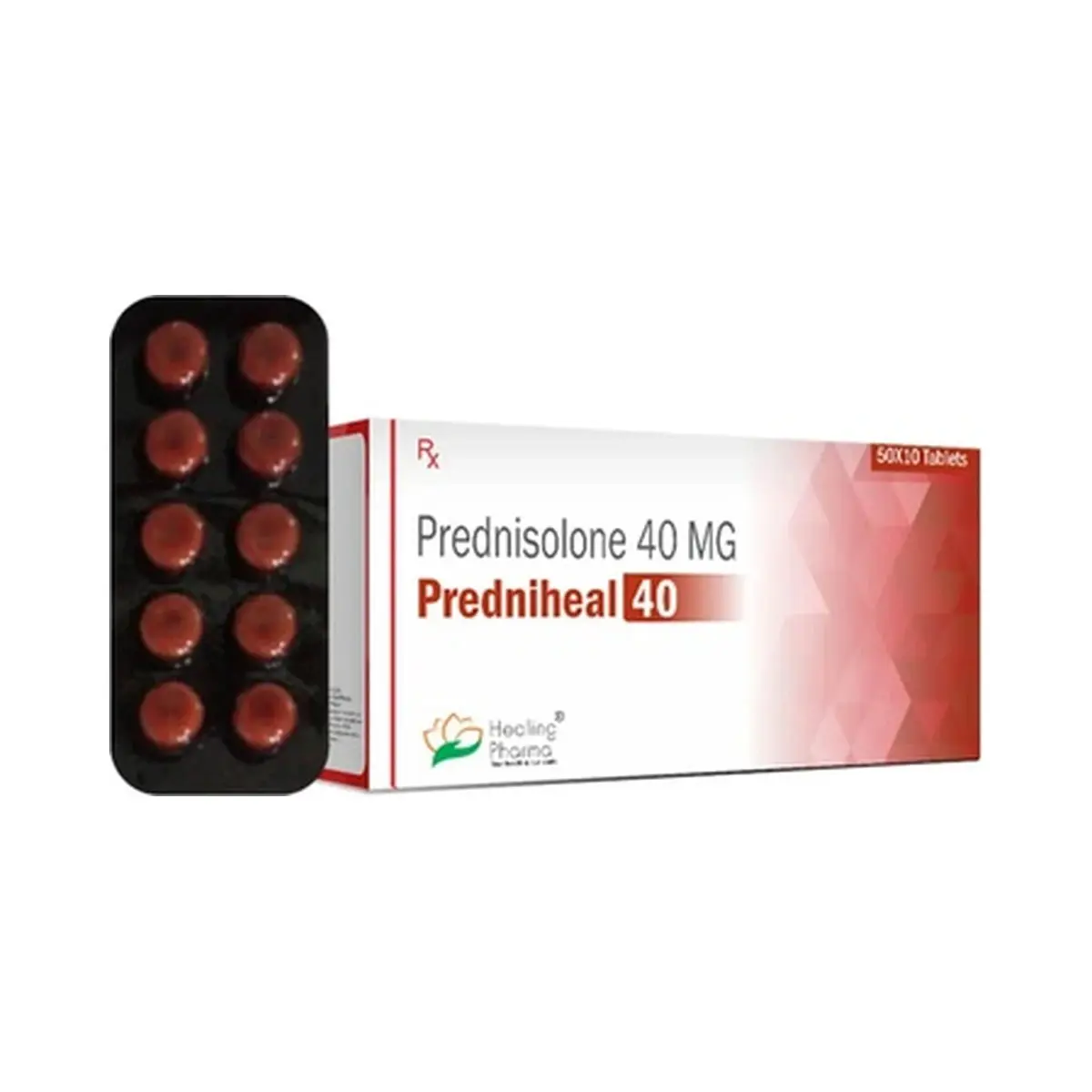
Predniheal (Prednisolone) 40 mg
Predniheal 40 mg contains prednisolone, a systemic corticosteroid used for anti-inflammatory and immunosuppressive treatment. It is a prescription medicine intended for conditions where suppression of inflammation or abnormal immune activity is clinically indicated.
Active Ingredient and Medicine Class
The verified active ingredient is prednisolone. It belongs to the glucocorticoid corticosteroid class. Prednisolone is a systemic steroid with anti-inflammatory, anti-allergic and immunosuppressive effects.
Established Medical Uses
Official product information and prescribing references for prednisolone and related corticosteroids support use in a wide range of inflammatory and immune-mediated disorders, including rheumatic, allergic, dermatologic, respiratory, ocular, gastrointestinal, hematologic and other systemic conditions. The exact approved indications vary by country and product.
How It Works
Prednisolone works by binding to glucocorticoid receptors and changing the expression of genes involved in inflammation and immune responses. This reduces inflammatory mediator production and dampens immune-cell activity, which is why it can lessen swelling, redness, pain and other inflammatory features.
Important Safety Information
Systemic prednisolone is not suitable for everyone. Important contraindications and precautions include hypersensitivity to prednisolone or excipients, systemic infection unless specific anti-infective therapy is being used, and ocular herpes simplex in some product information. Caution is also needed in patients with diabetes, hypertension, peptic ulcer disease, osteoporosis, glaucoma, cataract, psychiatric history, liver disease and in those at increased infection risk.
Clinically significant interactions are reported with CYP3A4 inhibitors, which may increase systemic steroid exposure, and with enzyme inducers such as rifampicin, phenytoin and carbamazepine, which may reduce effect. Interactions with salicylates and other medicines may also be clinically relevant.
Possible Side Effects
Common or recognised adverse effects of systemic corticosteroids include fluid retention, increased appetite, weight gain, changes in glucose tolerance, raised blood pressure, mood or behavioural changes, insomnia and increased susceptibility to infection. More serious reactions can include adrenal suppression, peptic ulcer complications, psychiatric effects, osteoporosis, myopathy, eye complications and, rarely, severe hypersensitivity reactions.
Scientific Evidence
Peer-reviewed reviews describe prednisolone and related systemic corticosteroids as long-established therapies for inflammatory and immune-mediated disease. Human evidence supports their anti-inflammatory and immunosuppressive role, while also showing that adverse effects become more important with higher exposure and longer use.
Medical Information Notice
This summary is provided for educational purposes only and is based on sources available at the time of review. It does not replace the official patient leaflet, prescribing information or assessment by a qualified healthcare professional.
Medical Sources
- Medicines.org.uk (emc) — Prednisolone 5mg Tablets – Summary of Product Characteristics (SmPC)
- DailyMed — PREDNISONE delayed-release tablets, Prescribing Information
- Smith PJ et al. “Glucocorticosteroids as immunosuppressive agents.” Journal of Allergy and Clinical Immunology (1997). PubMed