Description
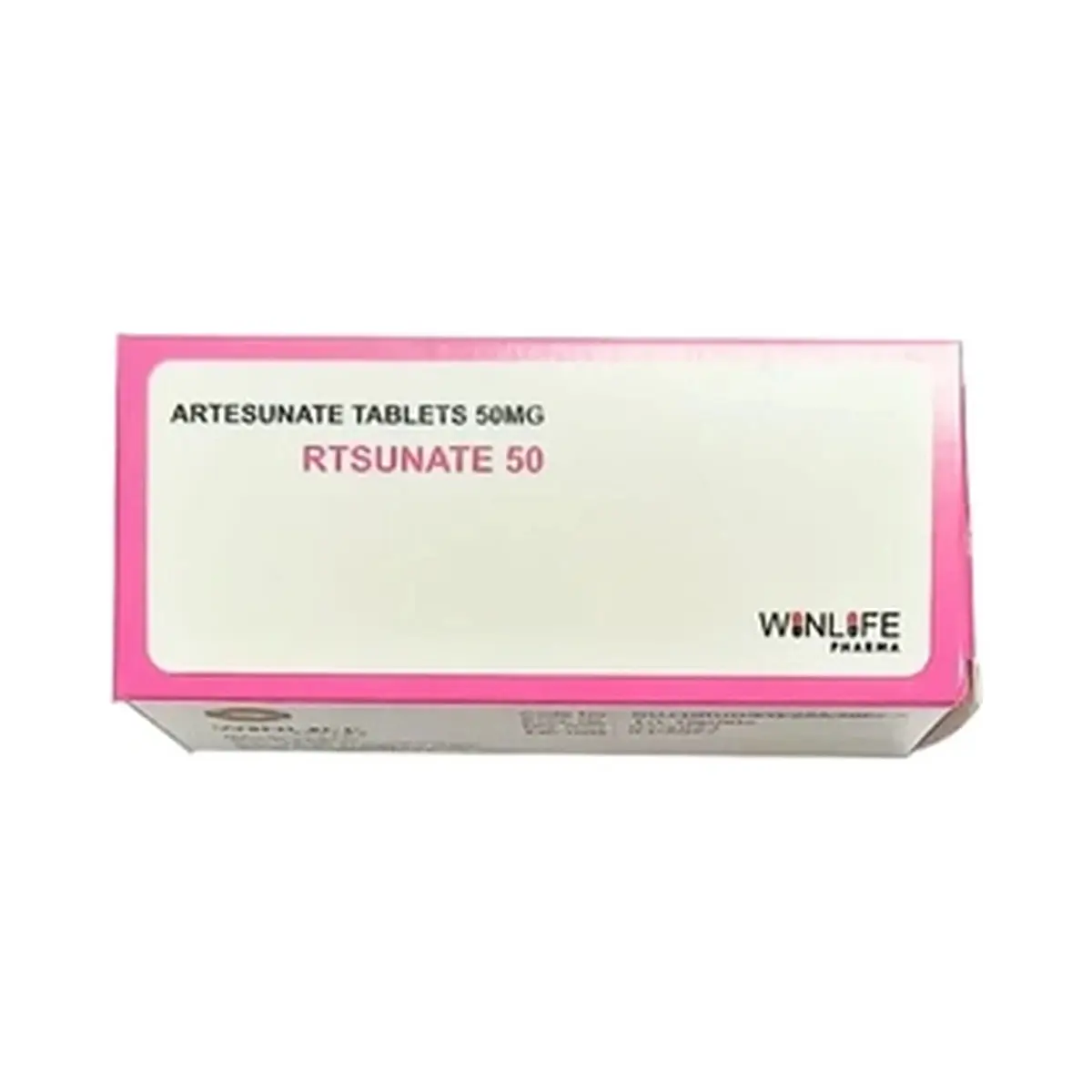
Rtsunate (Artesunate) 50 mg tablets
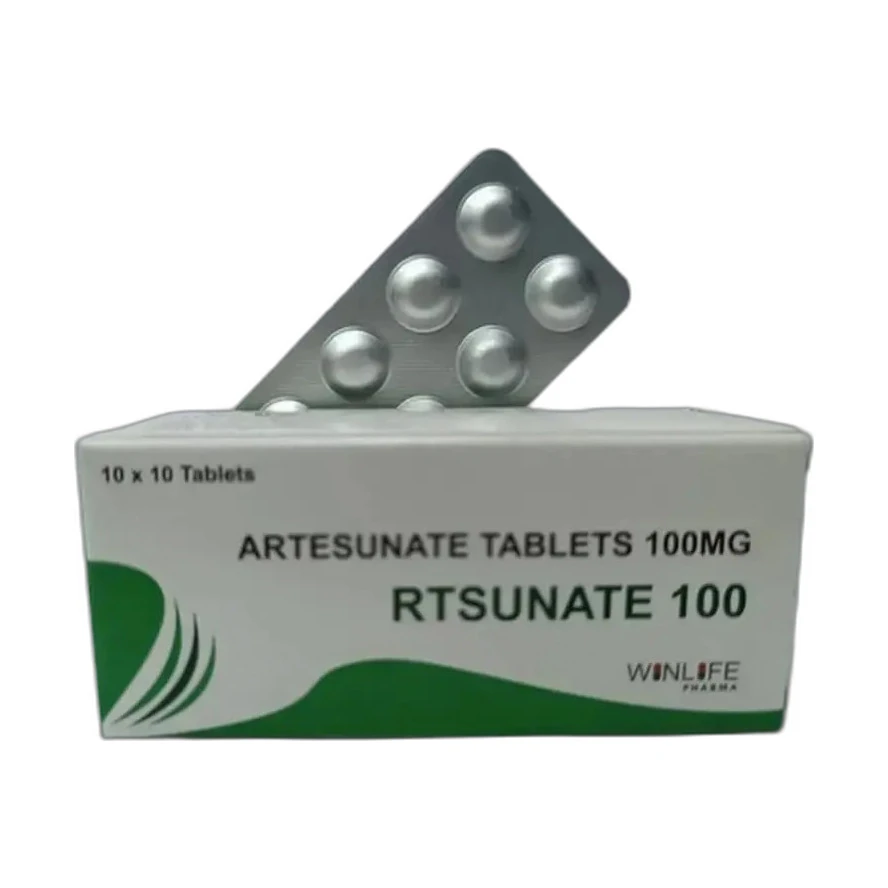
Rtsunate 50 mg tablets are presented as an oral artesunate product. Artesunate is an antimalarial medicine from the artemisinin group. It acts quickly against malaria parasites in the blood, but oral artemisinin monotherapy is not recommended in modern malaria control guidance because it can contribute to drug resistance.
Active Ingredient and Medicine Class
The verified active ingredient is artesunate 50 mg. Artesunate is a semisynthetic derivative of artemisinin and is classified as an antimalarial. It belongs to the artemisinin class of medicines used against Plasmodium parasites.
Established Medical Uses
Artesunate is used in malaria treatment. Authoritative guidance identifies artemisinin-based combination therapies as the most effective treatment for uncomplicated Plasmodium falciparum malaria, while injectable artesunate is used for severe malaria and then followed by an appropriate oral antimalarial regimen. Oral artesunate has been studied clinically, but oral artemisinin monotherapy is discouraged because it promotes resistance.
Artesunate and its active metabolite are active against blood-stage asexual Plasmodium parasites, including chloroquine-resistant strains. They do not clear the dormant liver forms responsible for relapse in P. vivax or P. ovale, so additional antimalarial treatment may be needed in those infections according to official guidance.
How It Works
Artesunate is rapidly converted in the body to dihydroartemisinin, its active metabolite. The drug contains an endoperoxide bridge that is activated by heme iron inside the parasite. This triggers oxidative damage and interferes with the parasite’s protein and nucleic acid synthesis, leading to rapid parasite killing and faster clearance from the blood.
Important Safety Information
Important safety concerns include serious hypersensitivity reactions, including anaphylaxis, and a class concern about resistance when artesunate is used alone. Official malaria guidance also warns that oral artemisinin monotherapy contributes to the development and spread of artemisinin resistance.
Artesunate should be used cautiously in malaria species that can relapse from liver forms, because artesunate does not act on hypnozoites. In the FDA labeling for artesunate injection, clinically significant drug-interaction concerns include reduced exposure when given with some antiretroviral medicines such as ritonavir or nevirapine, and with strong UGT inducers such as rifampin, carbamazepine, or phenytoin.
Possible Side Effects
Reported adverse effects of artesunate include abdominal pain, vomiting, fever, headache, dizziness, dysgeusia, tinnitus, cough, and rash. Serious reactions can include hypersensitivity, anaphylaxis, Stevens-Johnson syndrome, delayed hemolysis, and immune hemolytic anemia. In injection labeling, delayed hemolysis is a recognised post-treatment risk; this is an important safety issue for the artesunate class overall.
Scientific Evidence
Human studies and reviews show that artesunate has rapid antimalarial activity and is pharmacologically versatile across oral, rectal, intramuscular, and intravenous routes. Clinical pharmacokinetic research demonstrates that oral artesunate is quickly converted to dihydroartemisinin and produces rapid blood-stage parasite killing. More recent review literature also supports the role of artesunate in malaria therapy, while reinforcing that monotherapy is not the preferred strategy because of resistance concerns.
Medical Information Notice
This page is an educational summary based on sources available at the time of review. It does not replace the official product leaflet, local prescribing information, or individual assessment by a qualified healthcare professional.
Medical Sources
- U.S. Food and Drug Administration. Artesunate for Injection, Prescribing Information
- World Health Organization. Global Malaria Programme: Treatment guidance
- World Health Organization. Artemisinin resistance: Q&A
- Ashley EA et al. Review of the clinical pharmacokinetics of artesunate and its active metabolite dihydroartemisinin following intravenous, intramuscular, oral or rectal administration. Malaria Journal, 2011. View scientific article
- Awad MI et al. Pharmacokinetics of artesunate following oral and rectal administration in healthy Sudanese volunteers. Tropical Doctor, 2004. View scientific article