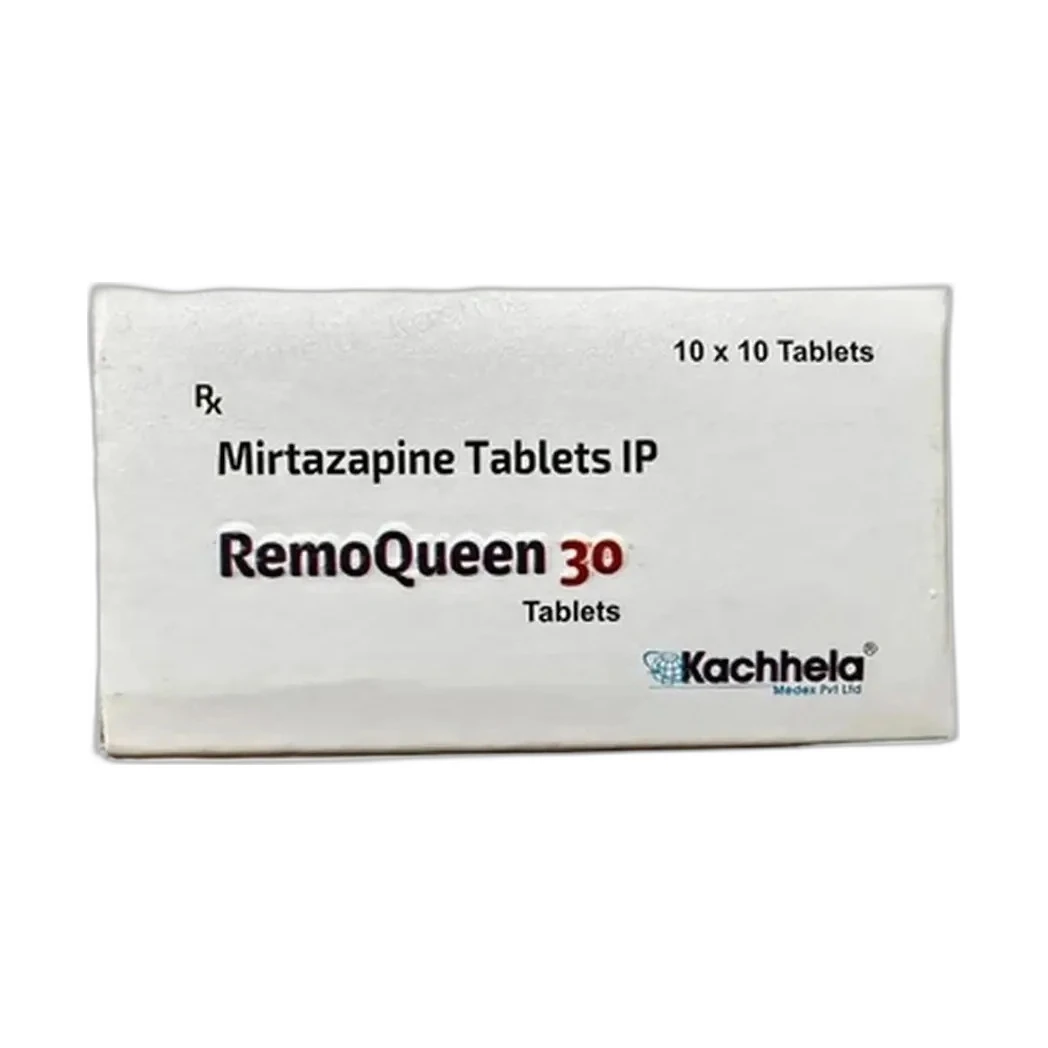
Description
Remoqueen (Artesunate) 30 mg
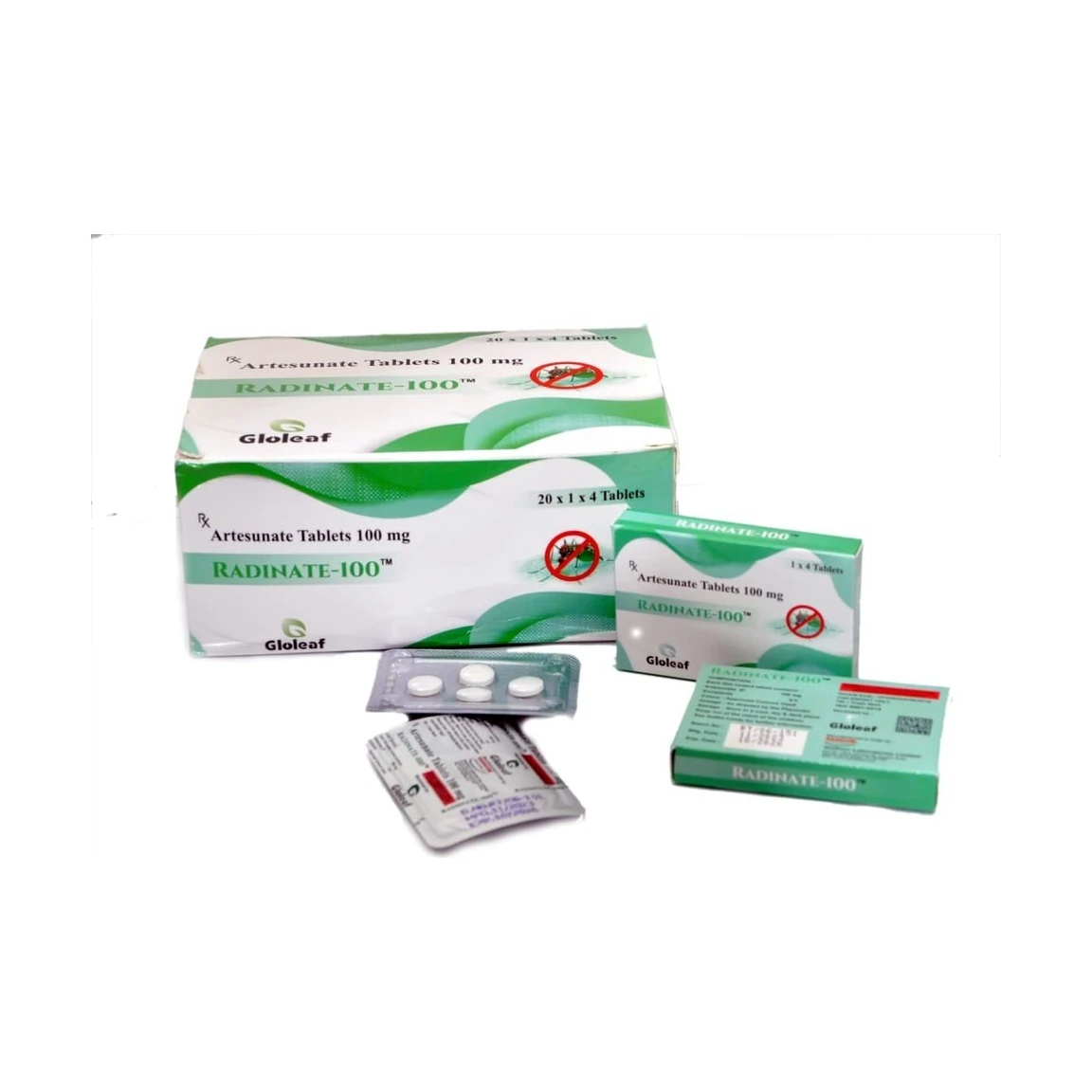
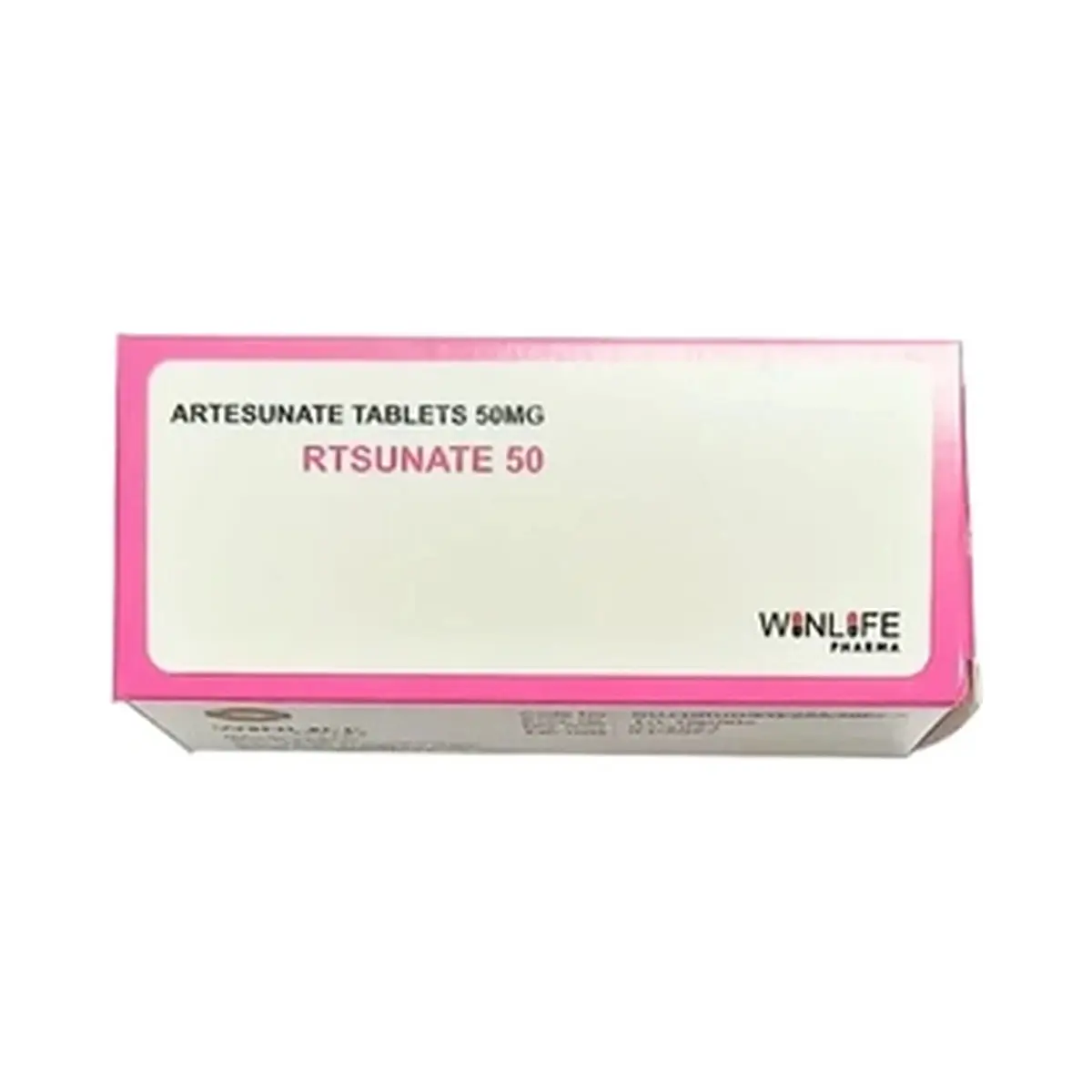
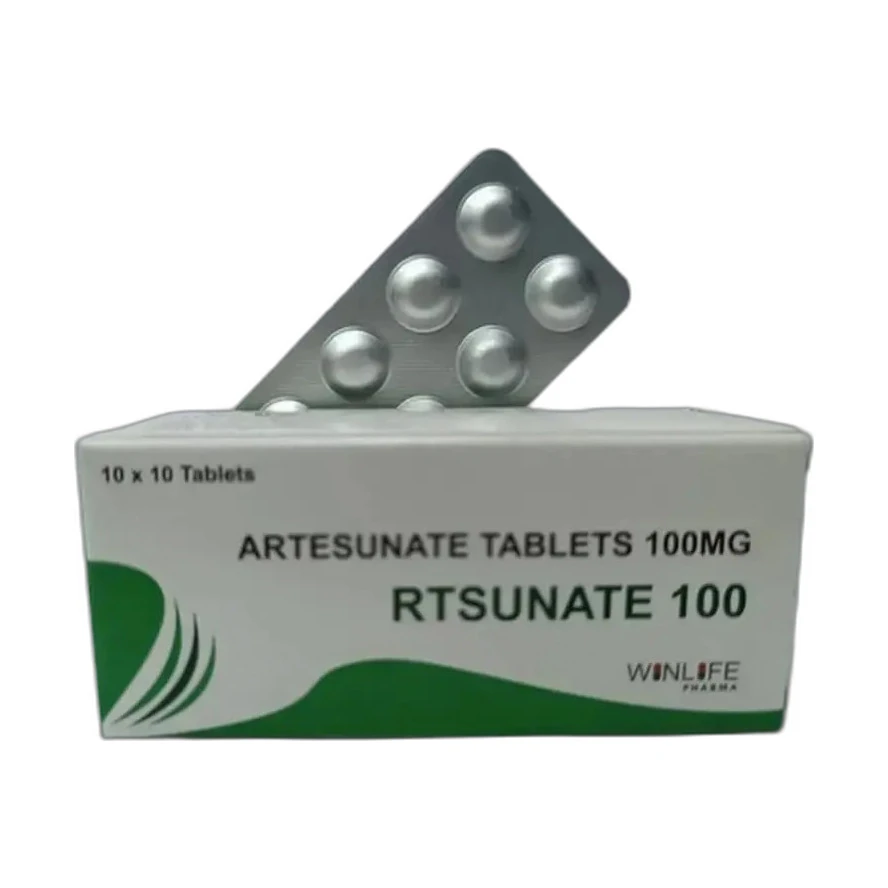
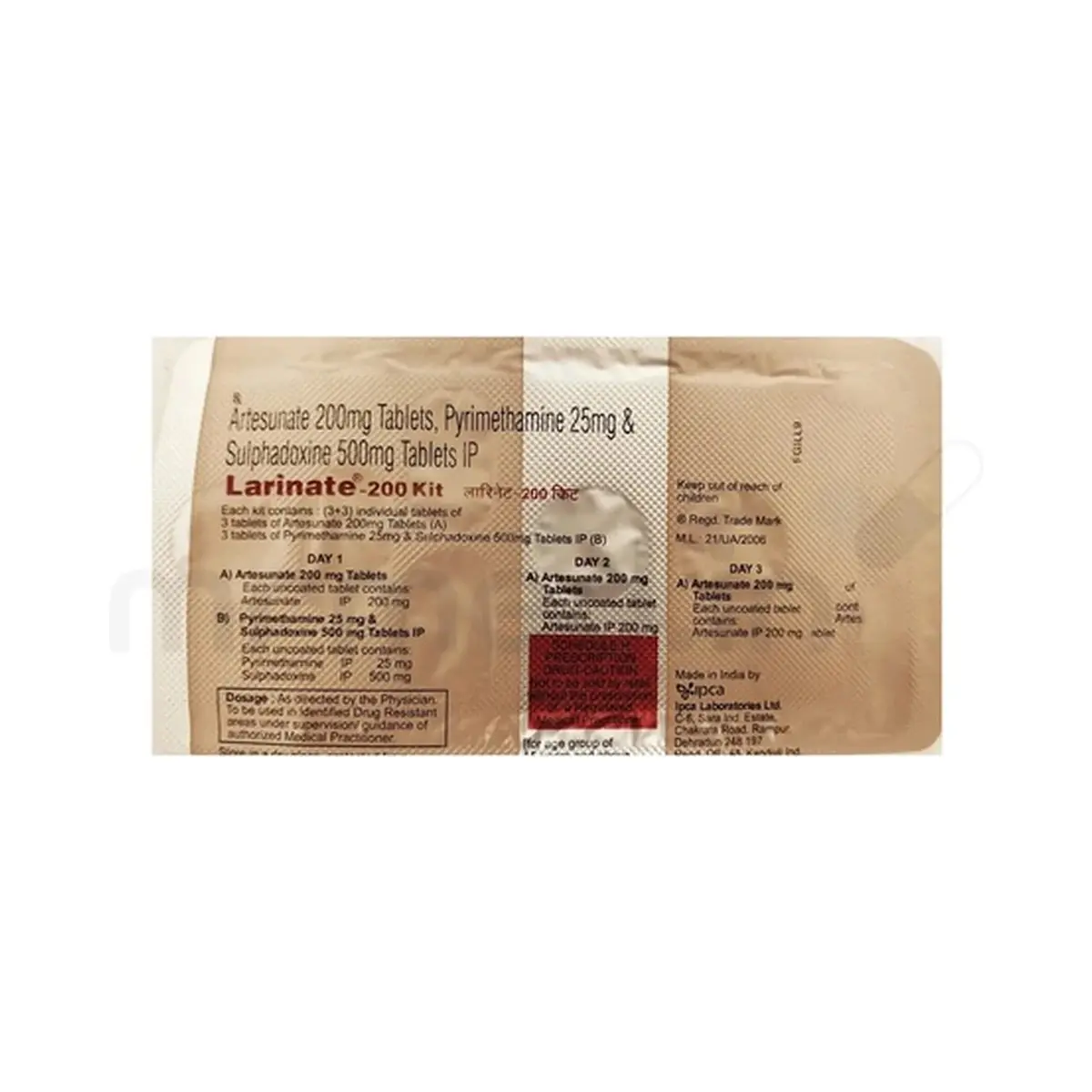
Remoqueen 30 mg is an artesunate-containing antimalarial medicine. Artesunate is a semi-synthetic derivative of artemisinin used against malaria parasites, especially blood-stage Plasmodium infections. Because the exact trade name could not be independently verified, this summary is based on the verified active ingredient, artesunate.
Active Ingredient and Medicine Class
The active ingredient is artesunate, which belongs to the artemisinin-class antimalarials. Artesunate is rapidly converted in the body to dihydroartemisinin, its active metabolite. This class is known for its fast parasite-killing activity and is widely used in malaria treatment strategies that include combination therapy.
Established Medical Uses
Artesunate is an established antimalarial medicine. Official guidance recognises artemisinin derivatives as part of antimalarial treatment, particularly in artemisinin-based combination therapies for uncomplicated malaria. For severe malaria, official prescribing information supports parenteral artesunate as initial treatment, followed by a complete oral antimalarial regimen when the patient can take oral therapy. Artesunate and related artemisinin drugs are active against blood-stage malaria parasites, including chloroquine-resistant strains.
Oral artemisinin monotherapy is not recommended in WHO guidance because it contributes to the development and spread of artemisinin resistance. Artesunate is not active against the dormant liver forms of P. vivax and P. ovale, so it does not by itself prevent relapse from those species.
How It Works
Artesunate contains an endoperoxide bridge that is activated inside the parasite by heme iron. This activation produces reactive molecules that damage parasite proteins and nucleic acids, leading to rapid parasite death and a fall in parasite burden. The medicine acts mainly on the asexual blood stages of malaria parasites and is valued for its speed of action.
Important Safety Information
The most important safety concerns for artesunate include serious hypersensitivity reactions and hemolysis. Artesunate product information for the injectable formulation warns that hypersensitivity, including anaphylaxis, has occurred and that delayed hemolytic anemia can appear after treatment. Artesunate should also be used with caution in the context of malaria in pregnancy, where treatment decisions depend on the severity of illness and the full clinical setting.
Clinically important interactions and resistance-related concerns are also relevant. Artesunate is associated with a risk of recrudescence when used as monotherapy, and reduced sensitivity has been documented in some malaria-endemic regions. WHO advises against oral artemisinin monotherapy because of resistance concerns. Artesunate does not clear dormant liver stages of P. vivax or P. ovale, so additional antimalarial treatment may be required in those infections.
Possible Side Effects
Reported adverse effects of artesunate include abdominal pain, vomiting, fever, headache, dizziness, rash, cough, dysgeusia, and tinnitus. More serious reactions can include hemolytic anemia, hypersensitivity reactions, anaphylaxis, jaundice, hemoglobinuria, reduced reticulocyte count, leukopenia, and thrombocytopenia. In severe malaria, some abnormal laboratory findings and organ dysfunction may also reflect the underlying disease rather than the medicine alone.
Scientific Evidence
Clinical studies and reviews show that artesunate is a rapidly acting antimalarial with activity against Plasmodium falciparum. Review literature describes faster fever and parasite clearance with oral artesunate regimens compared with older antimalarial approaches, and broader evidence supports artesunate as a key component of modern malaria treatment. For severe malaria, high-quality evidence and official guidance favour parenteral artesunate over quinine because of improved outcomes. Scientific reviews also note that oral artesunate should generally be paired with a longer-acting partner drug to reduce recrudescence and resistance risk.
Medical Information Notice
This page is an educational summary based on sources available at the time of review. It does not replace the official patient leaflet, local prescribing information, or assessment by a qualified healthcare professional.
Medical Sources
- World Health Organization. WHO guidelines for malaria. Official guideline on malaria treatment and artemisinin use. View official guideline
- U.S. Food and Drug Administration. Artesunate for Injection, prescribing information. Official prescribing information covering artesunate pharmacology, warnings, adverse reactions, and microbiology. View prescribing information
- L B Barradell et al. Artesunate. A review of its pharmacology and therapeutic efficacy in the treatment of malaria. Drugs, 1995. View scientific article
- Qigui Li et al. Artesunate: The Best Drug in the Treatment of Severe and Complicated Malaria. Pharmaceuticals, 2010. View scientific article