Description
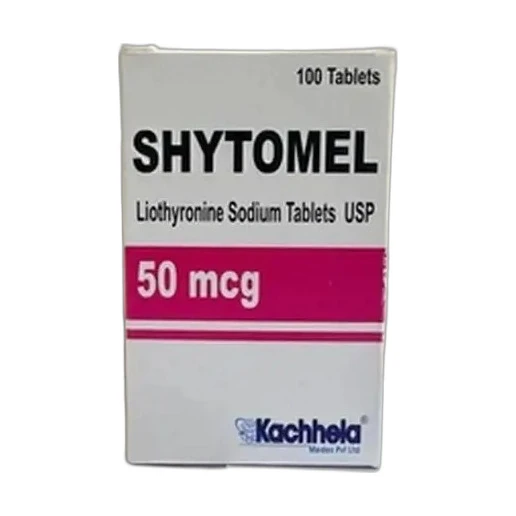
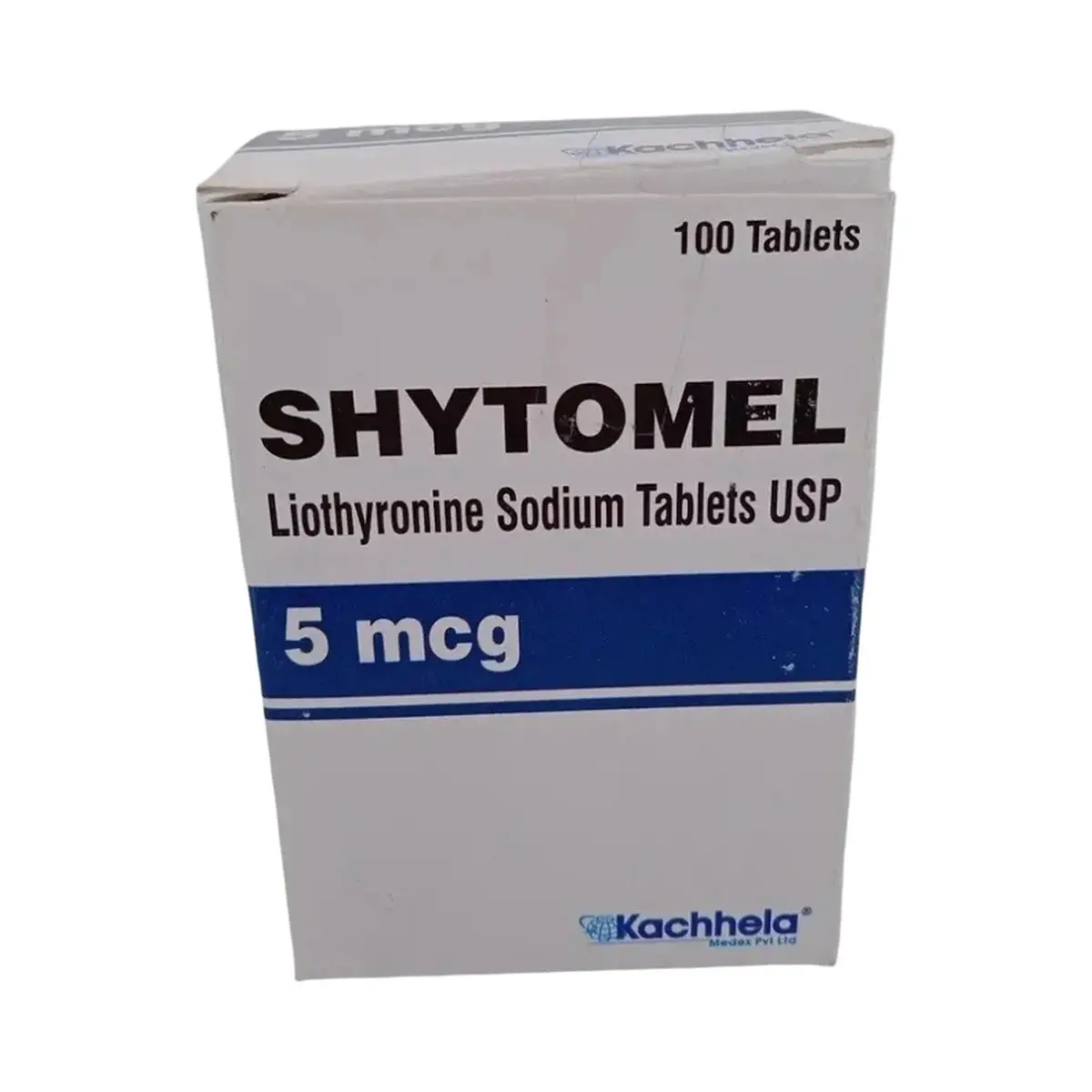
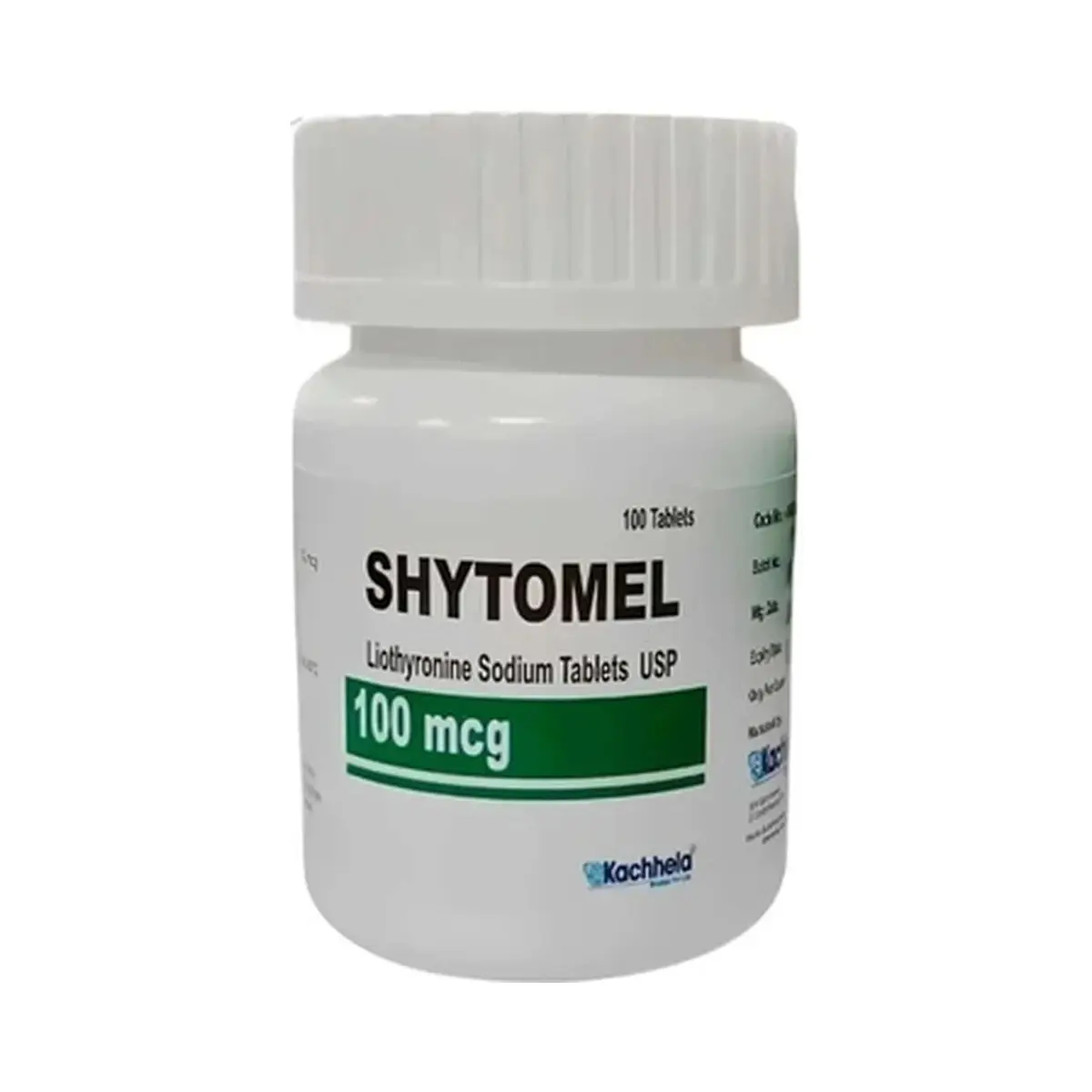
Shytomel (Liothyronine) 100 mcg
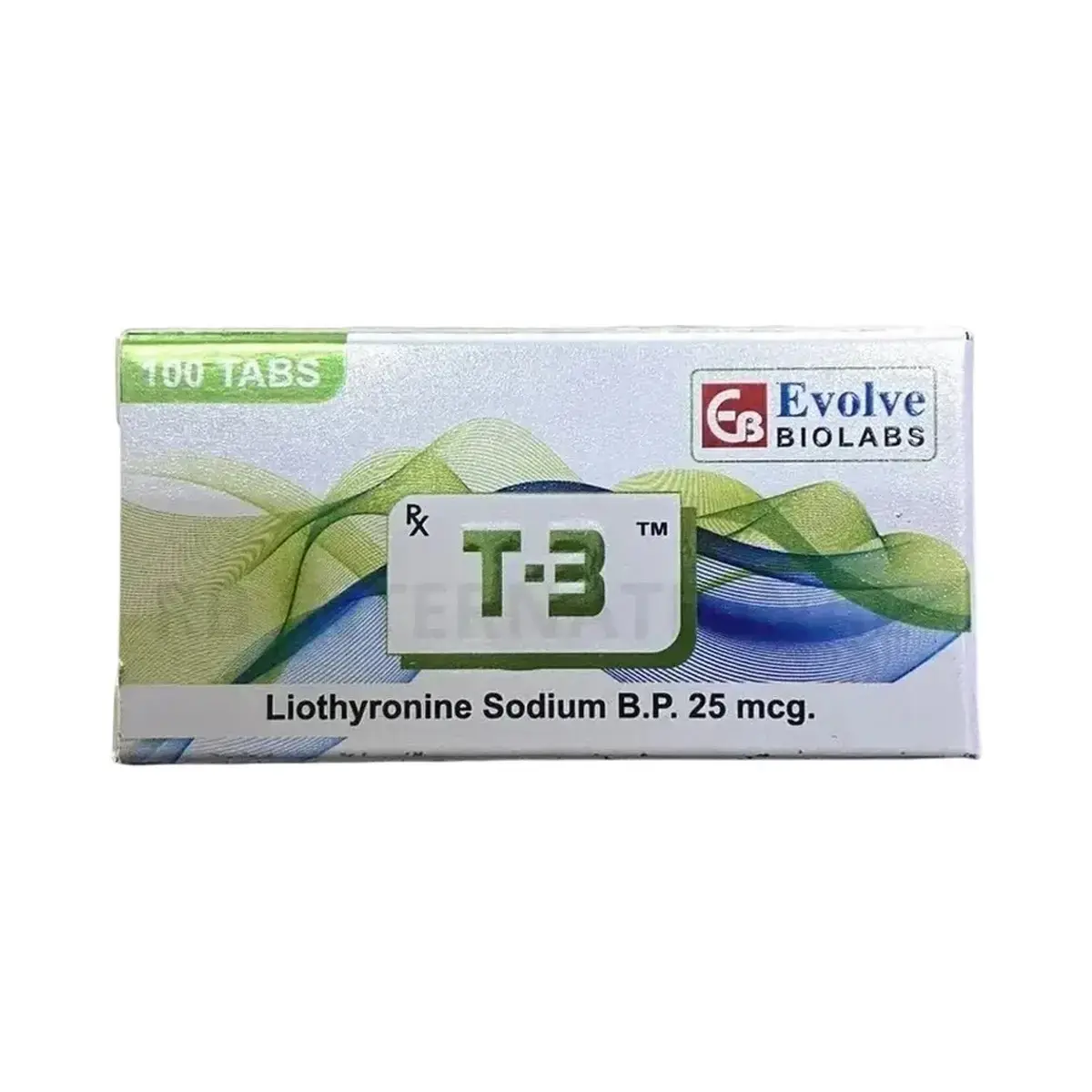
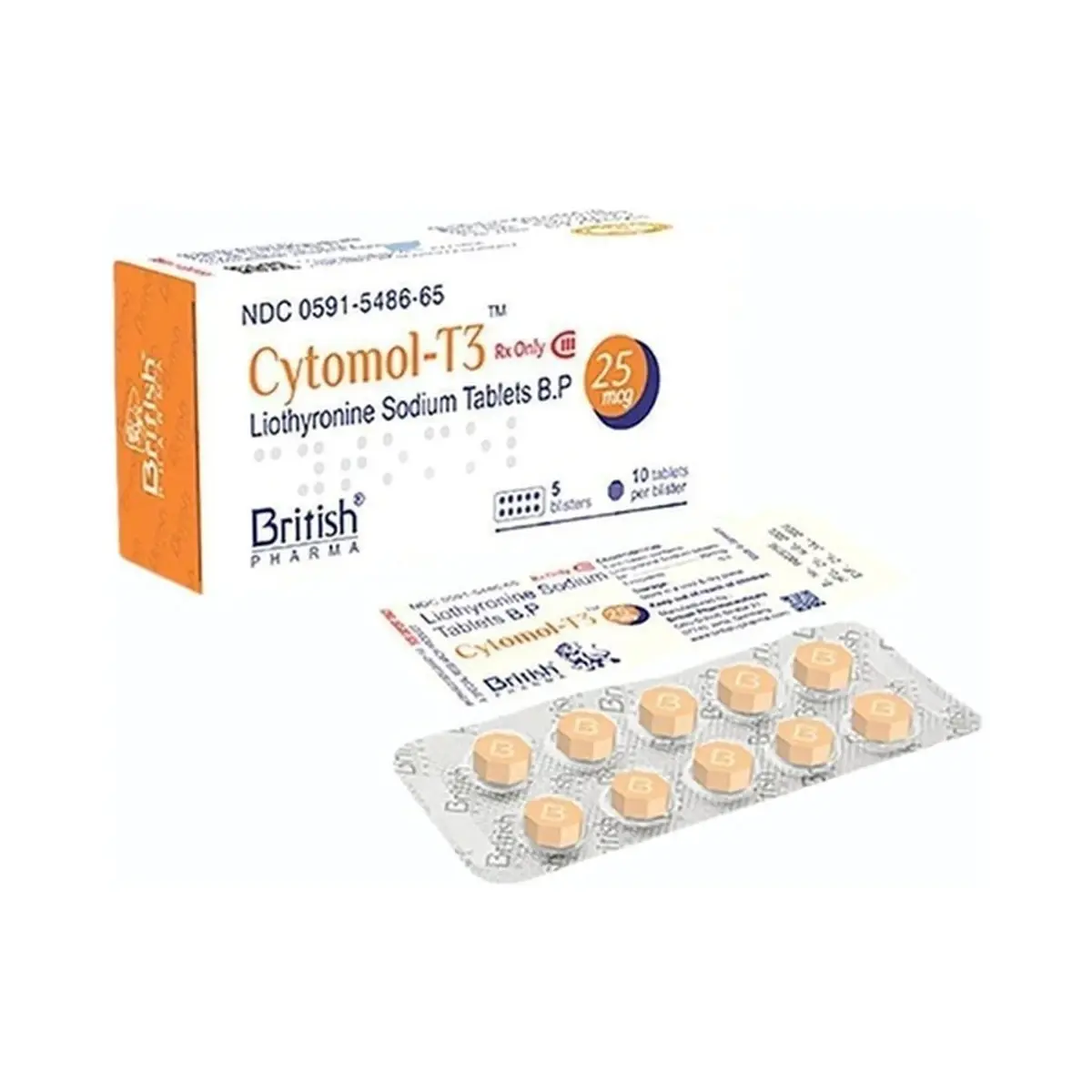
Shytomel is a tablet product identified as containing liothyronine, a synthetic thyroid hormone used as replacement therapy when the body does not produce enough thyroid hormone. Liothyronine is the active form of thyroid hormone, also known as T3. The verified safety and use information below is based on prescribing information for liothyronine sodium tablets and related peer-reviewed evidence.
Active Ingredient and Medicine Class
The verified active ingredient is liothyronine sodium. It is a thyroid hormone replacement medicine, specifically a synthetic form of triiodothyronine (T3).
Established Medical Uses
Official labeling supports liothyronine for hypothyroidism and for TSH suppression in well-differentiated thyroid cancer. Regulatory information also includes use in thyroid suppression testing. Peer-reviewed reviews and consensus statements note that liothyronine is generally not preferred as routine long-term monotherapy for hypothyroidism, and that any use in selected patients is controversial and should be based on careful clinical assessment.
How It Works
Liothyronine replaces the body’s T3 hormone. Thyroid hormones help regulate metabolism, heart function, body temperature, and energy use. Because T3 is the biologically active thyroid hormone, its effects can begin more quickly than those of T4-only replacement medicines.
Important Safety Information
Liothyronine should not be used in patients with untreated thyrotoxicosis or uncontrolled adrenal insufficiency. Labeling also warns that thyroid hormone treatment can worsen or unmask cardiac disease, including angina or arrhythmias, especially in susceptible patients. Important interactions and clinical cautions include medicines that affect thyroid hormone absorption, metabolism, or monitoring, and drugs that can alter heart rhythm or thyroid test interpretation. Oral thyroid hormone products are not used to treat myxedema coma.
Possible Side Effects
Reported adverse effects are often those expected from excess thyroid hormone and may include palpitations, nervousness, tremor, insomnia, sweating, weight loss, and heat intolerance. More serious reactions can include rapid or irregular heartbeat, worsening of angina, and symptoms of hyperthyroidism if the dose is too high for the individual.
Scientific Evidence
Published reviews and consensus statements report that most randomized trials have not shown clear overall benefit for routine levothyroxine/liothyronine combination therapy over levothyroxine alone in hypothyroidism. A 2023 British consensus statement says some carefully selected patients with persistent symptoms despite adequate levothyroxine may be considered for a trial of combination therapy, but the decision should be individualized. Recent systematic review evidence continues to find unresolved safety and effectiveness questions for liothyronine use.
Medical Information Notice
This page is an educational summary based on sources available at the time of review. It does not replace the official patient leaflet, product label, or assessment by a qualified healthcare professional.
Medical Sources
- DailyMed — LIOTHYRONINE SODIUM tablet
- FDA — CYTOMEL (liothyronine sodium) tablets, for oral use
- Ahluwalia R, et al. — “Use of liothyronine (T3) in hypothyroidism: Joint British Thyroid Association/Society for endocrinology consensus statement.” Clinical Endocrinology (2023). PubMed