Description
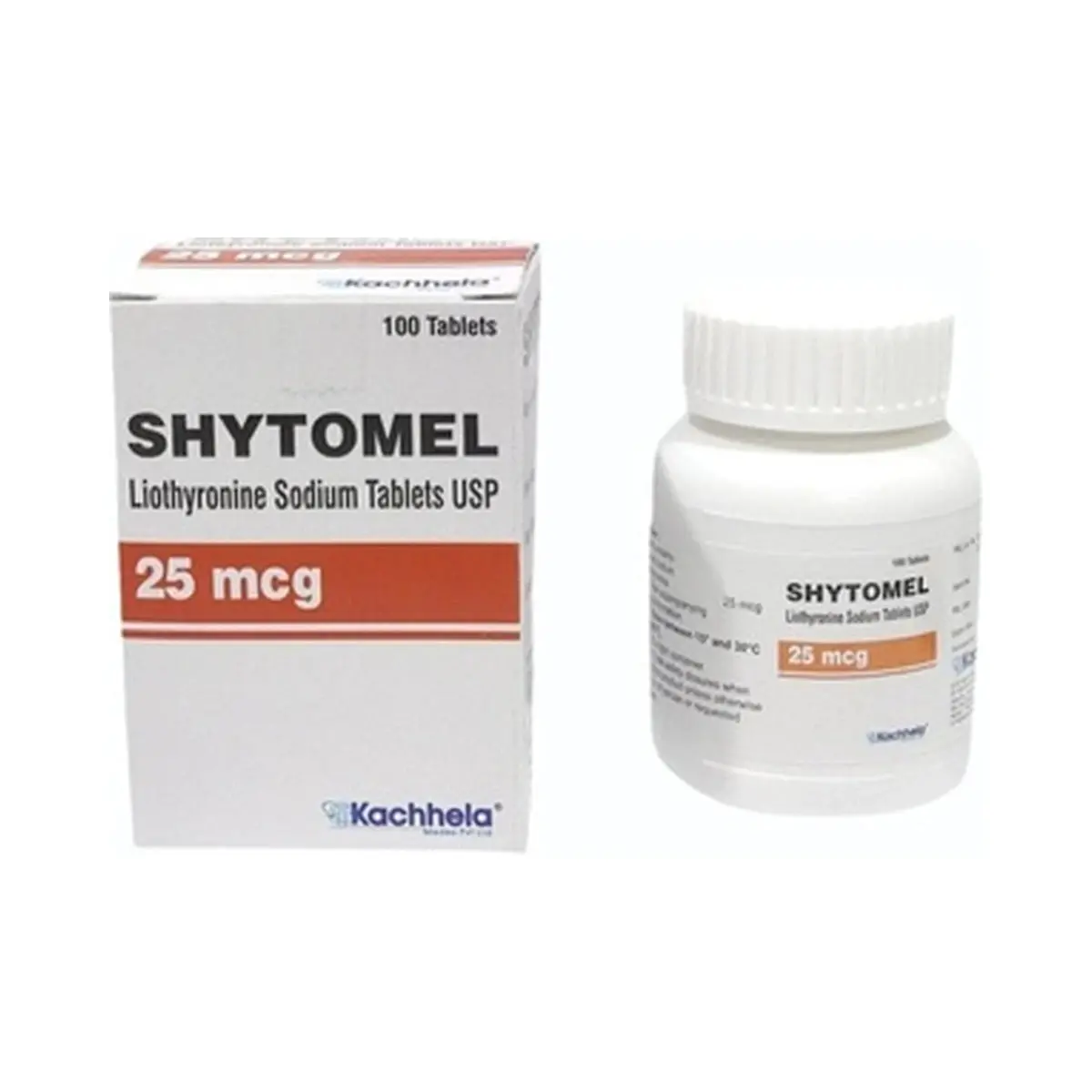
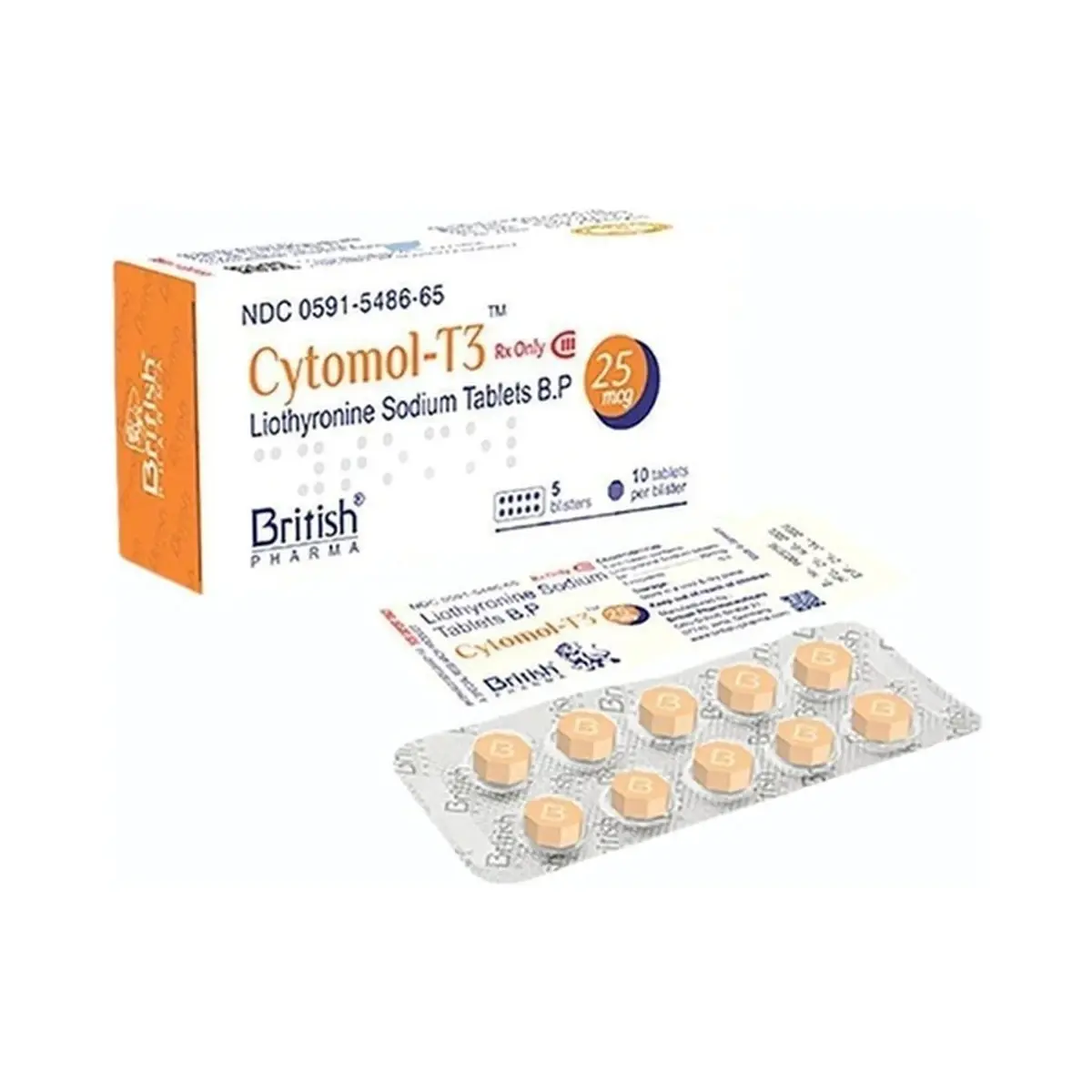
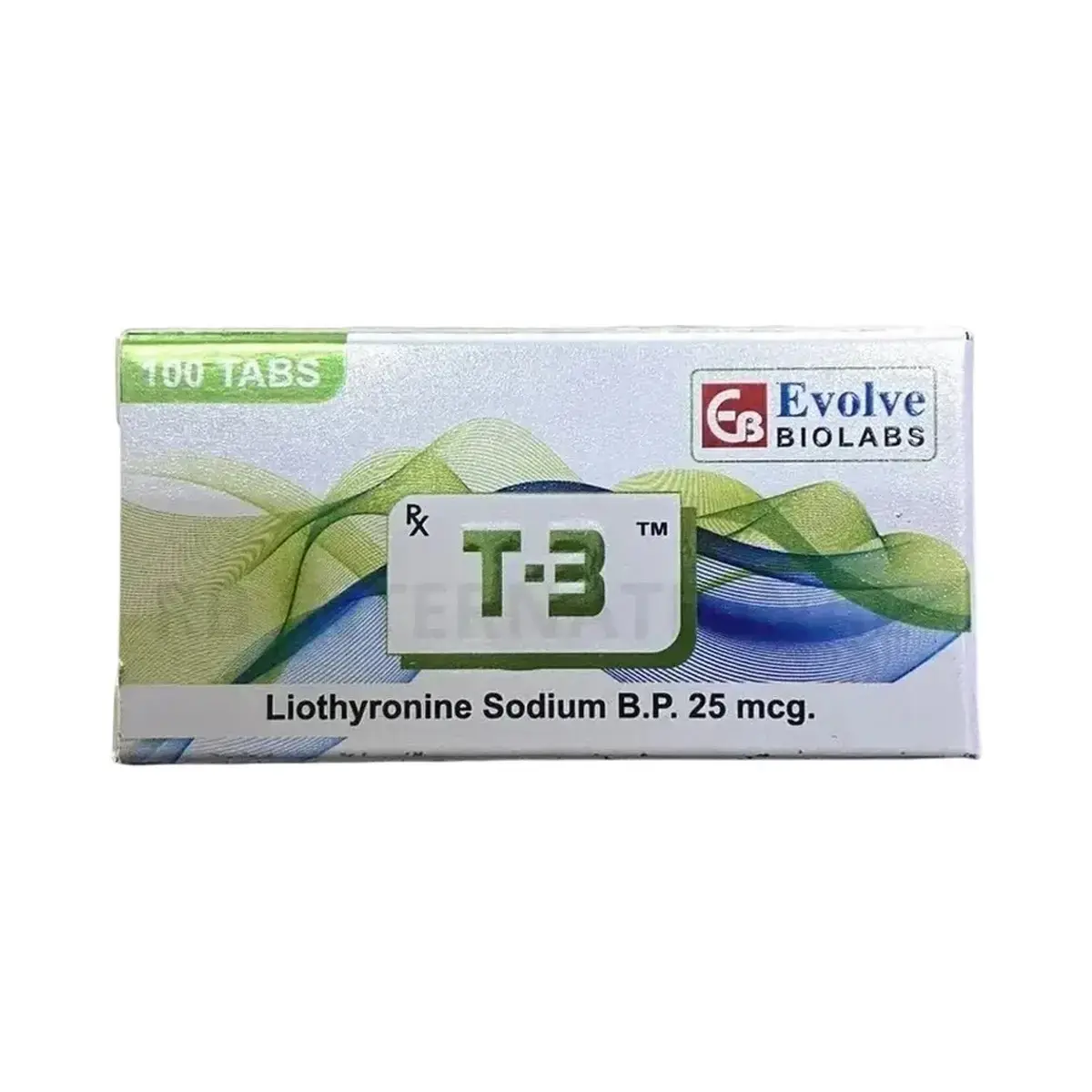
T3 (Liothyronine) 25 mcg
T3 (Liothyronine) 25 mcg is a thyroid hormone medicine containing liothyronine sodium, the synthetic form of triiodothyronine (T3). It is used as thyroid hormone replacement in selected thyroid disorders and is a prescription medicine with important safety considerations.
Active Ingredient and Medicine Class
The verified active ingredient is liothyronine sodium. It is a synthetic thyroid hormone and a form of T3. Thyroid hormone medicines act by replacing or supplementing deficient thyroid hormone activity in the body.
Established Medical Uses
Official prescribing information for liothyronine sodium tablets includes use in hypothyroidism and in TSH suppression in well-differentiated thyroid cancer. Clinical guidance also discusses its use in selected patients who remain symptomatic despite adequate levothyroxine treatment, usually as part of specialist-managed combination therapy rather than routine first-line treatment.
How It Works
Liothyronine is the active thyroid hormone T3. It binds to thyroid hormone receptors in tissues and helps regulate metabolism, growth, energy use, and other body functions influenced by thyroid hormone levels. Because T3 is biologically active, its effects can appear more rapidly than those of levothyroxine in some settings.
Important Safety Information
Liothyronine should be used carefully in people with cardiovascular disease, arrhythmias, or conditions that make excess thyroid hormone risky. It is contraindicated in untreated thyrotoxicosis and should not be used to manage obesity or weight loss. Important drug interactions are described with medicines that can alter thyroid hormone effects or laboratory interpretation, including anticoagulants, insulin or other antidiabetic medicines, and drugs such as amiodarone, digoxin, estrogens, and enzyme-inducing agents. Thyroid hormone excess can worsen bone loss and cardiac symptoms.
Possible Side Effects
Recognised adverse effects are often those of excessive thyroid hormone exposure, such as palpitations, rapid heartbeat, nervousness, tremor, insomnia, sweating, heat intolerance, headache, weight loss, diarrhoea, and increased appetite. Serious reactions can include angina, arrhythmias, and signs of thyrotoxicosis.
Scientific Evidence
Recent reviews and consensus statements report that randomized trials have not shown consistent superiority of levothyroxine-liothyronine combination therapy over levothyroxine alone for most patients with hypothyroidism. A 2023 consensus statement supports only carefully selected trials of liothyronine in some persistently symptomatic adults after other causes have been considered. A recent systematic review also notes that the long-term safety profile remains an area of uncertainty.
Medical Information Notice
This educational summary is based on sources available at the time of review and does not replace the official patient leaflet, prescribing information, or assessment by a qualified healthcare professional.
Medical Sources
- DailyMed — Liothyronine Sodium tablet, full prescribing information
- Ahluwalia R, et al. — “Use of liothyronine (T3) in hypothyroidism: Joint British Thyroid Association/Society for endocrinology consensus statement,” Clinical Endocrinology, 2023 — PubMed