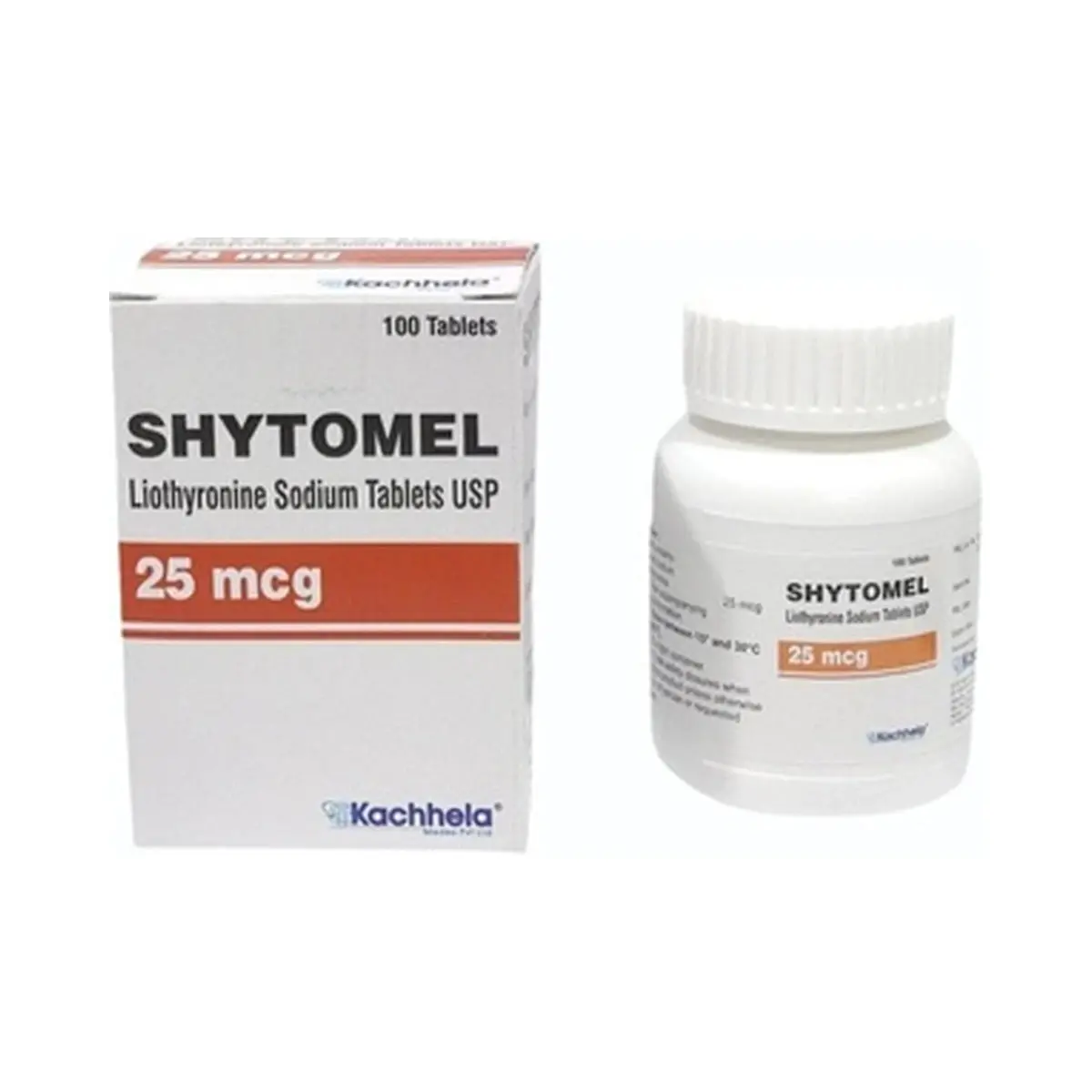
Description
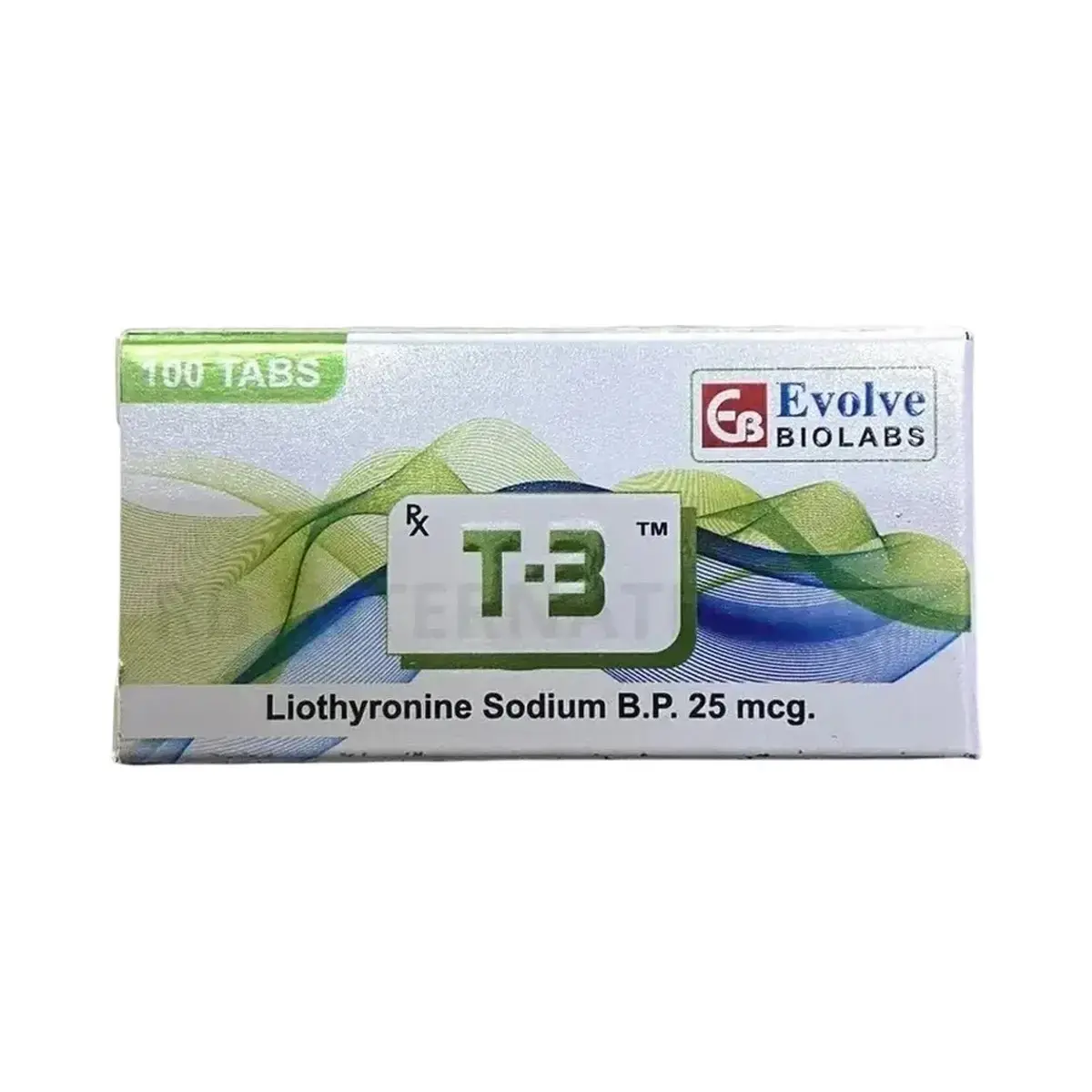
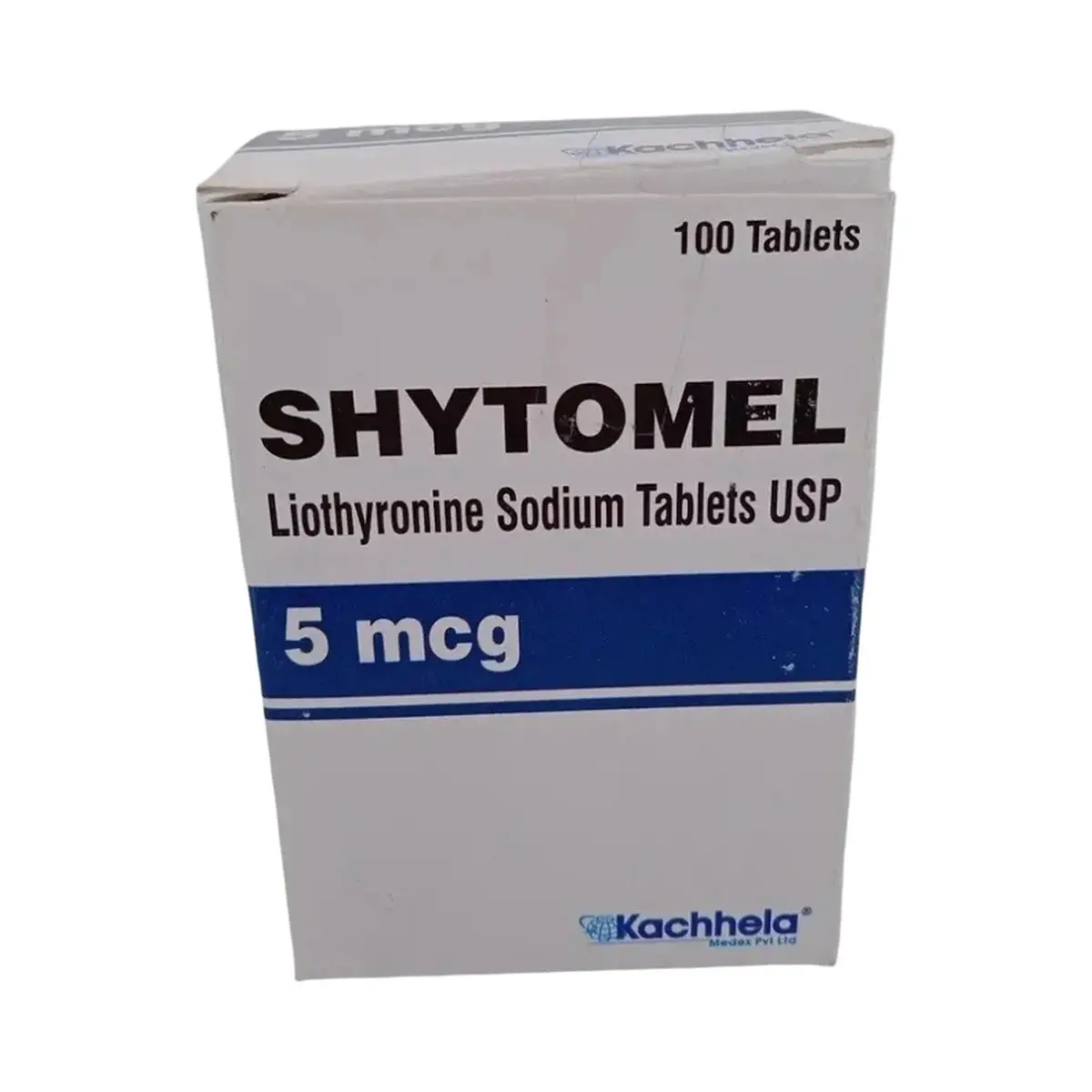
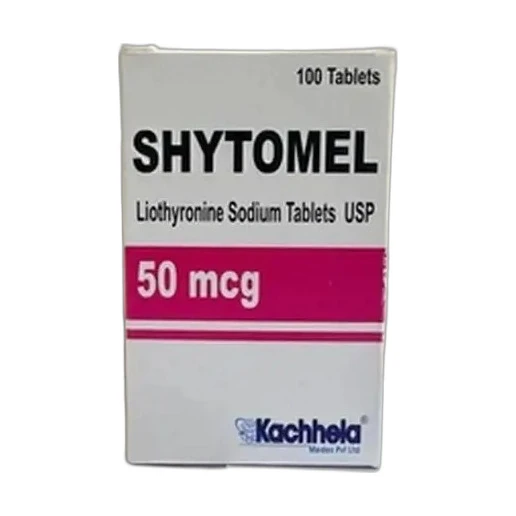
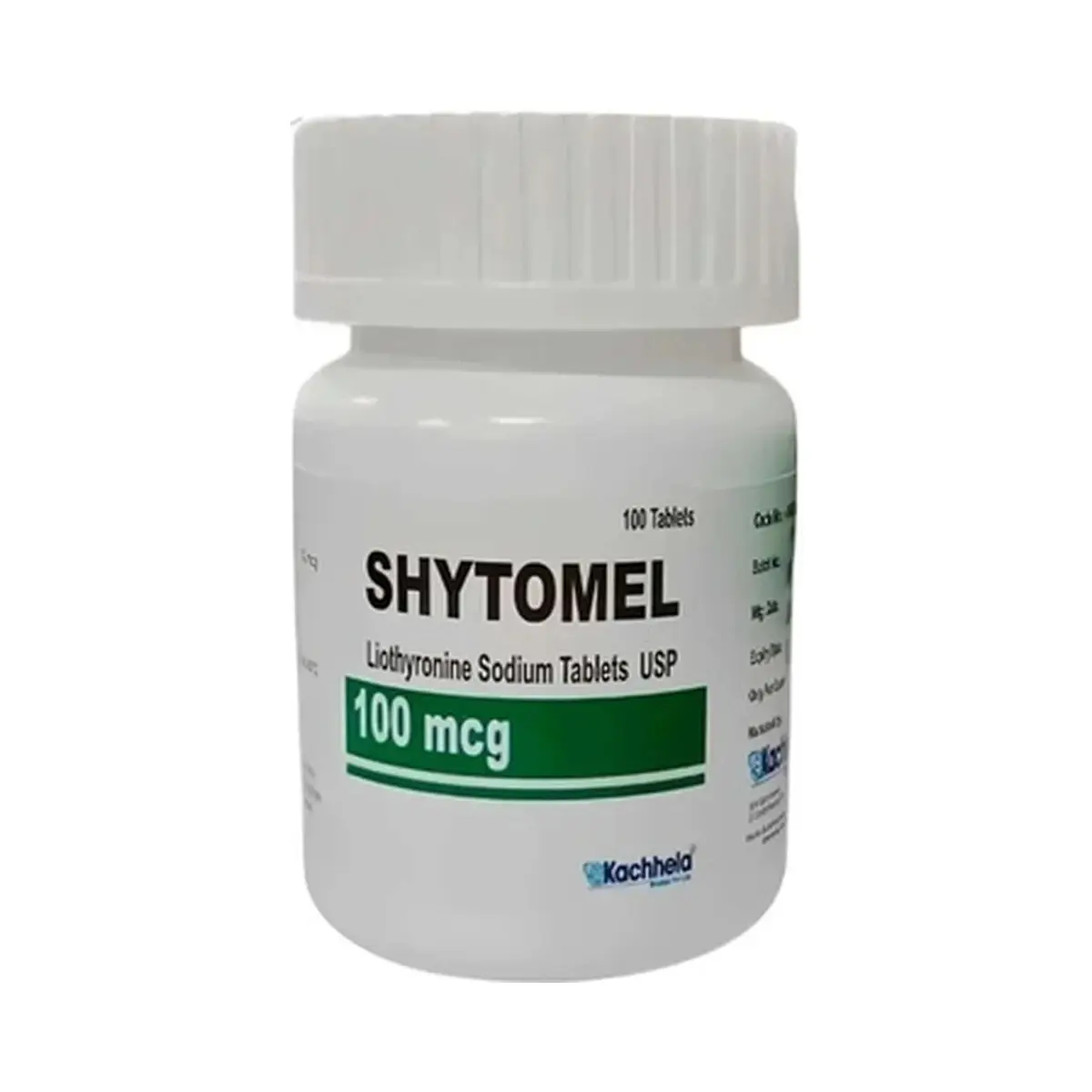
Shytomel (Liothyronine) 25 mcg
Shytomel is a brand name for liothyronine, a synthetic thyroid hormone used as replacement therapy when the body does not make enough active thyroid hormone. The 25 mcg tablet strength is an identification detail; the medicine itself is liothyronine, also known as T3.
Active Ingredient and Medicine Class
The verified active ingredient is liothyronine sodium, an L-triiodothyronine (T3) thyroid hormone. It belongs to the thyroid hormone replacement class. Official prescribing information identifies it as an oral thyroid hormone preparation for use in hypothyroidism and certain thyroid-related indications.
Established Medical Uses
Liothyronine is indicated as replacement therapy in congenital or acquired hypothyroidism, including primary, secondary, and tertiary forms. It is also used in selected thyroid cancer-related settings as an adjunct to surgery and radioiodine therapy, and in thyroid suppression testing. For routine long-term hypothyroidism treatment, many guidelines still favour levothyroxine first, while liothyronine use remains more limited and situation-dependent.
How It Works
Liothyronine replaces the active thyroid hormone triiodothyronine (T3). T3 acts on thyroid hormone receptors in many tissues and helps regulate metabolism, energy use, temperature control, heart rate, and growth and development. Compared with levothyroxine, liothyronine has a more rapid onset of action because it is already the active hormone.
Important Safety Information
Liothyronine should not be used for weight loss, and overtreatment can cause hyperthyroidism. Important precautions include cardiovascular disease, older age, pregnancy, and other conditions where thyroid hormone requirements or risks may differ. Clinically significant interactions may occur with sympathomimetic medicines and other drugs that affect thyroid hormone action or monitoring. It is not intended for benign thyroid nodule suppression or for hypothyroidism during recovery from subacute thyroiditis.
Possible Side Effects
Recognised adverse effects are those of excessive thyroid hormone exposure and may include palpitations, rapid heartbeat, nervousness, tremor, sweating, intolerance to heat, insomnia, and unintended weight loss. More serious reactions may include arrhythmias, chest pain, worsening of heart disease, and other manifestations of thyrotoxicosis.
Scientific Evidence
Peer-reviewed reviews and consensus statements note that evidence for routine liothyronine use in hypothyroidism is limited, and many randomised trials have not shown clear benefit of T3-containing regimens over levothyroxine alone. Recent guidance supports only selective, individualised use in carefully chosen patients who remain symptomatic despite appropriate levothyroxine treatment and evaluation for other causes. Long-term safety remains an area of ongoing study.
Medical Information Notice
This summary is for educational purposes only and is based on sources available at the time of review. It does not replace the official patient leaflet, prescribing information, or assessment by a qualified healthcare professional.