Description
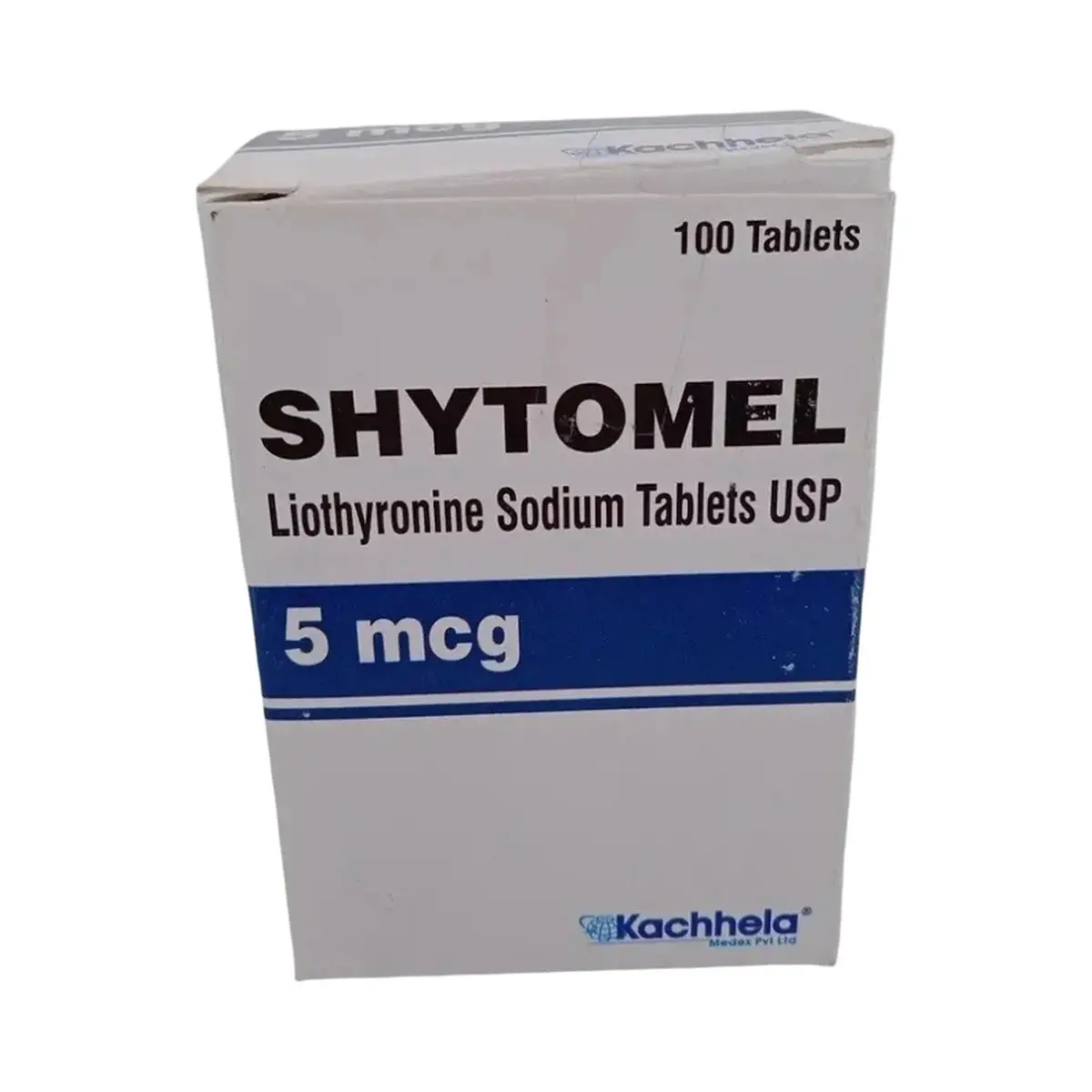
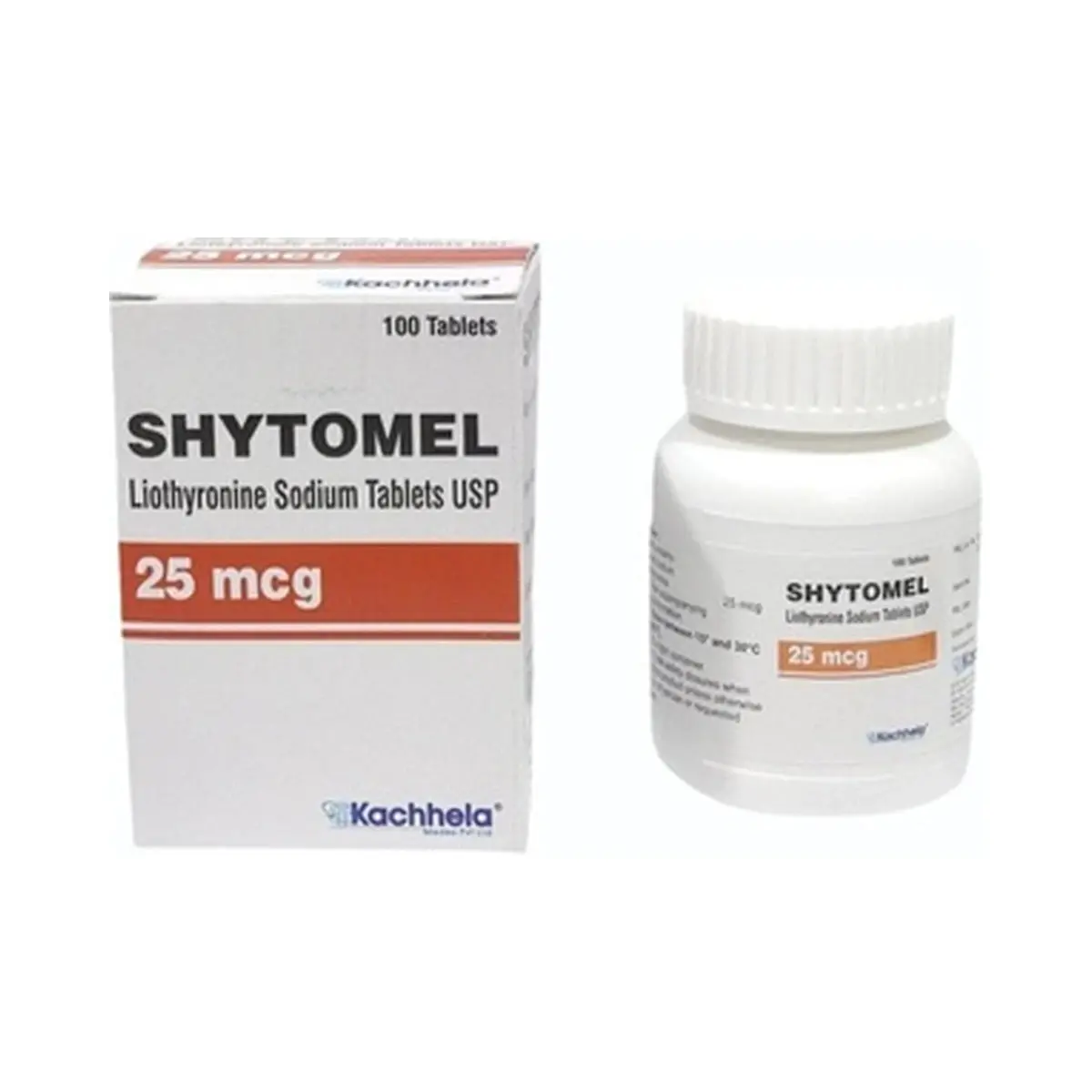
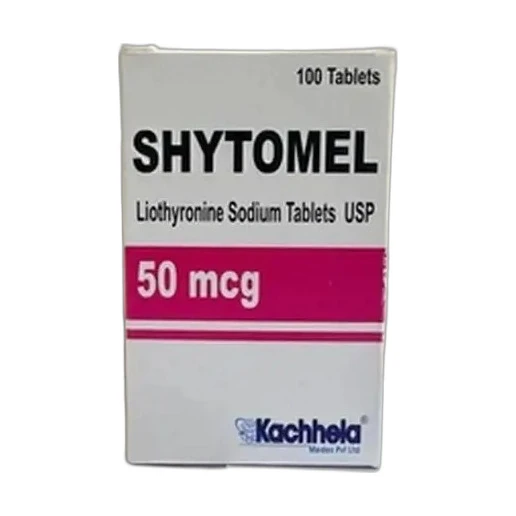
Shytomel (Liothyronine) 50 mcg
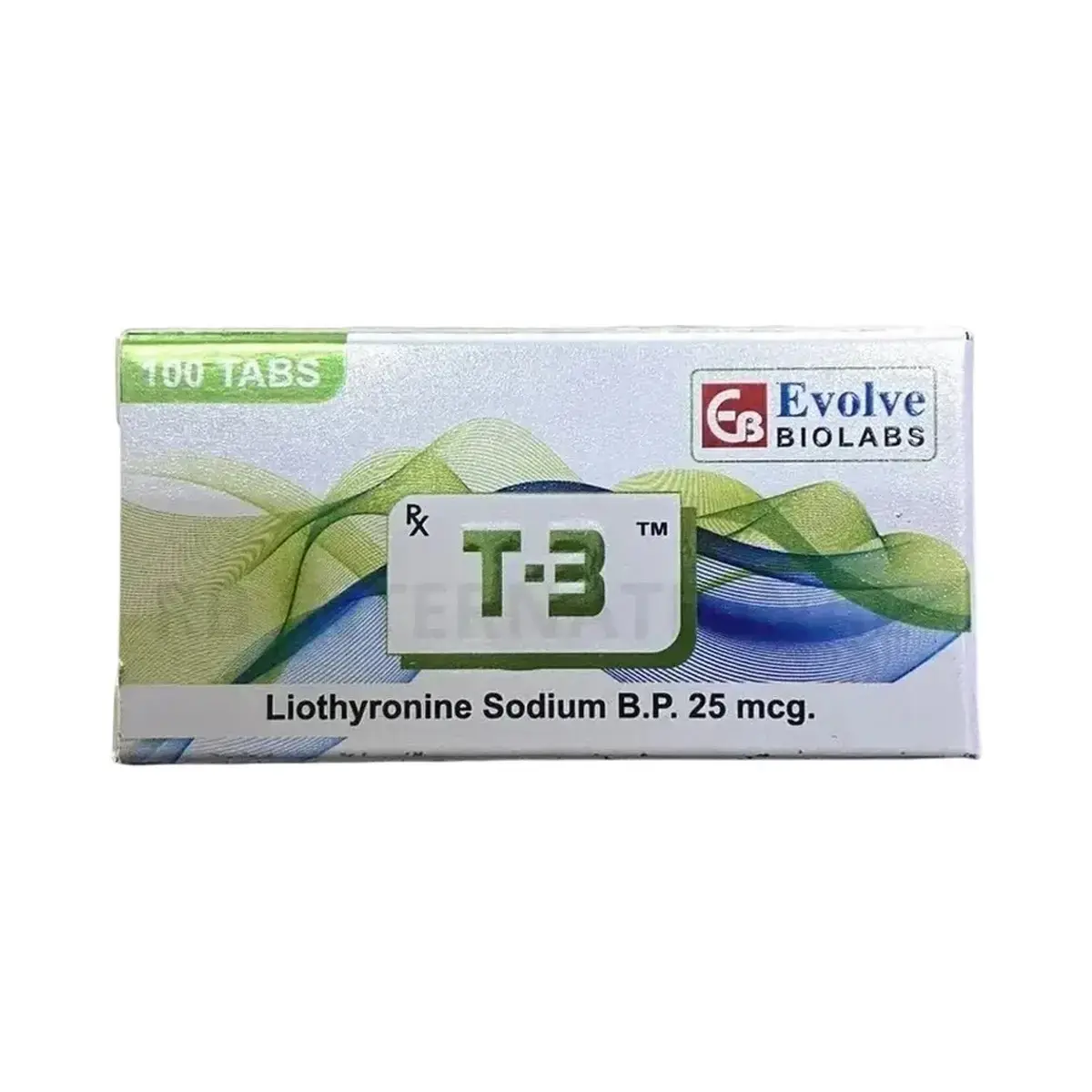
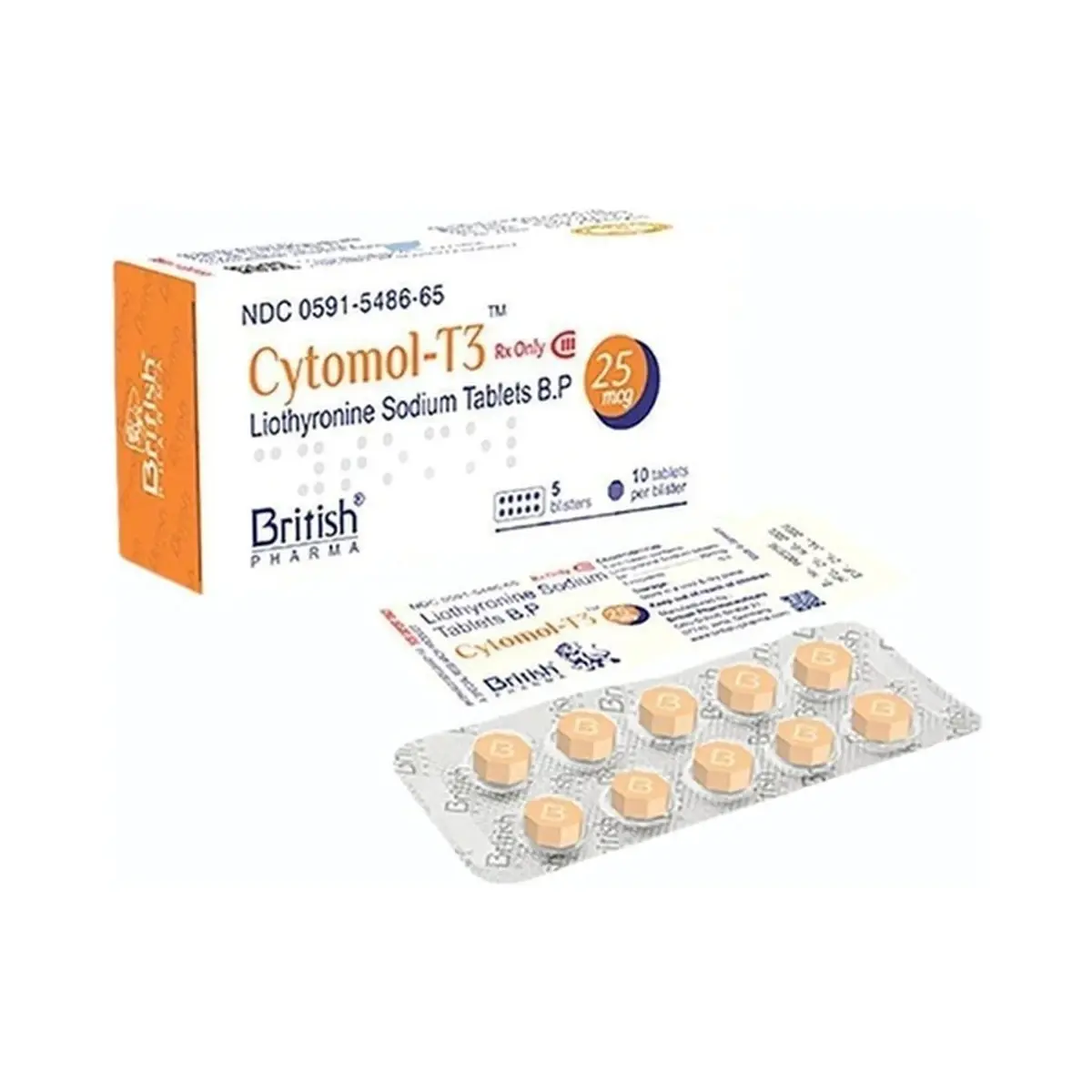
Shytomel 50 mcg is identified here as liothyronine, a synthetic thyroid hormone used in thyroid hormone replacement therapy. Liothyronine is the active form of thyroid hormone (T3). The product name itself was treated only as an identification clue; the verified medicine information is based on liothyronine prescribing sources.
Active Ingredient and Medicine Class
Active ingredient: liothyronine sodium.
Medicine class: thyroid hormone; synthetic triiodothyronine (T3).
Established Medical Uses
Official prescribing information identifies liothyronine for hypothyroidism and for pituitary TSH suppression in the management of well-differentiated thyroid cancer. Regulatory labeling also states it should not be used to treat obesity or for weight loss, and oral thyroid hormone products are not for myxedema coma.
How It Works
Liothyronine replaces or supplements thyroid hormone activity by providing T3, the biologically active thyroid hormone. It acts on thyroid hormone receptors in tissues to influence gene expression and regulate metabolism, growth, and energy use. Because T3 is active without conversion from T4, it has a more rapid onset of effect than levothyroxine.
Important Safety Information
Liothyronine is contraindicated in untreated thyrotoxicosis and in uncorrected adrenal insufficiency. Prescribing information warns that overtreatment can cause serious or life-threatening toxicity, particularly in people with cardiovascular disease or when used with sympathomimetic amines. Important interactions include medicines that alter thyroid hormone absorption, metabolism, protein binding, or tissue response.
Special caution is needed in people with coronary disease, arrhythmias, older age, or other conditions in which excess thyroid hormone could be harmful.
Possible Side Effects
Adverse effects are mainly those of excess thyroid hormone. Commonly reported reactions include palpitations or arrhythmias, headache, nervousness, irritability, insomnia, tremor, muscle weakness, increased appetite, weight loss, diarrhea, heat intolerance, menstrual irregularities, dyspnea, and skin rash. Serious reactions may include myocardial infarction or other cardiovascular complications in susceptible patients.
Scientific Evidence
Clinical evidence for routine liothyronine use in hypothyroidism has been mixed, and multiple randomized trials have not shown consistent benefit over levothyroxine alone for quality of life or well-being. A 2023 British thyroid consensus statement concluded that combination therapy may be considered only for selected patients with confirmed overt hypothyroidism who remain symptomatic despite adequate levothyroxine treatment, after other causes have been excluded.
Medical Information Notice
This page is an educational summary based on sources available at the time of review and does not replace the official patient leaflet, prescribing information, or individual assessment by a qualified health professional.
Medical Sources
- DailyMed / FDA label: Liothyronine Sodium Tablets, prescribing information. View source
- Ahluwalia R, et al.: “Use of liothyronine (T3) in hypothyroidism: Joint British Thyroid Association/Society for endocrinology consensus statement.” Clinical Endocrinology (2023). PubMed