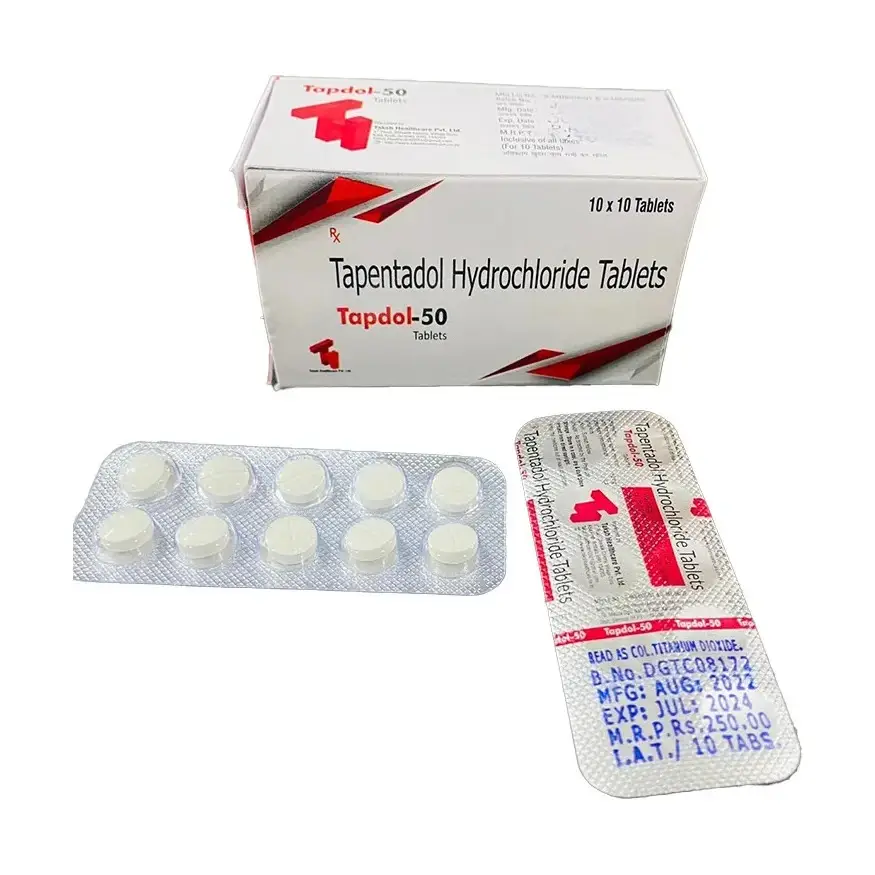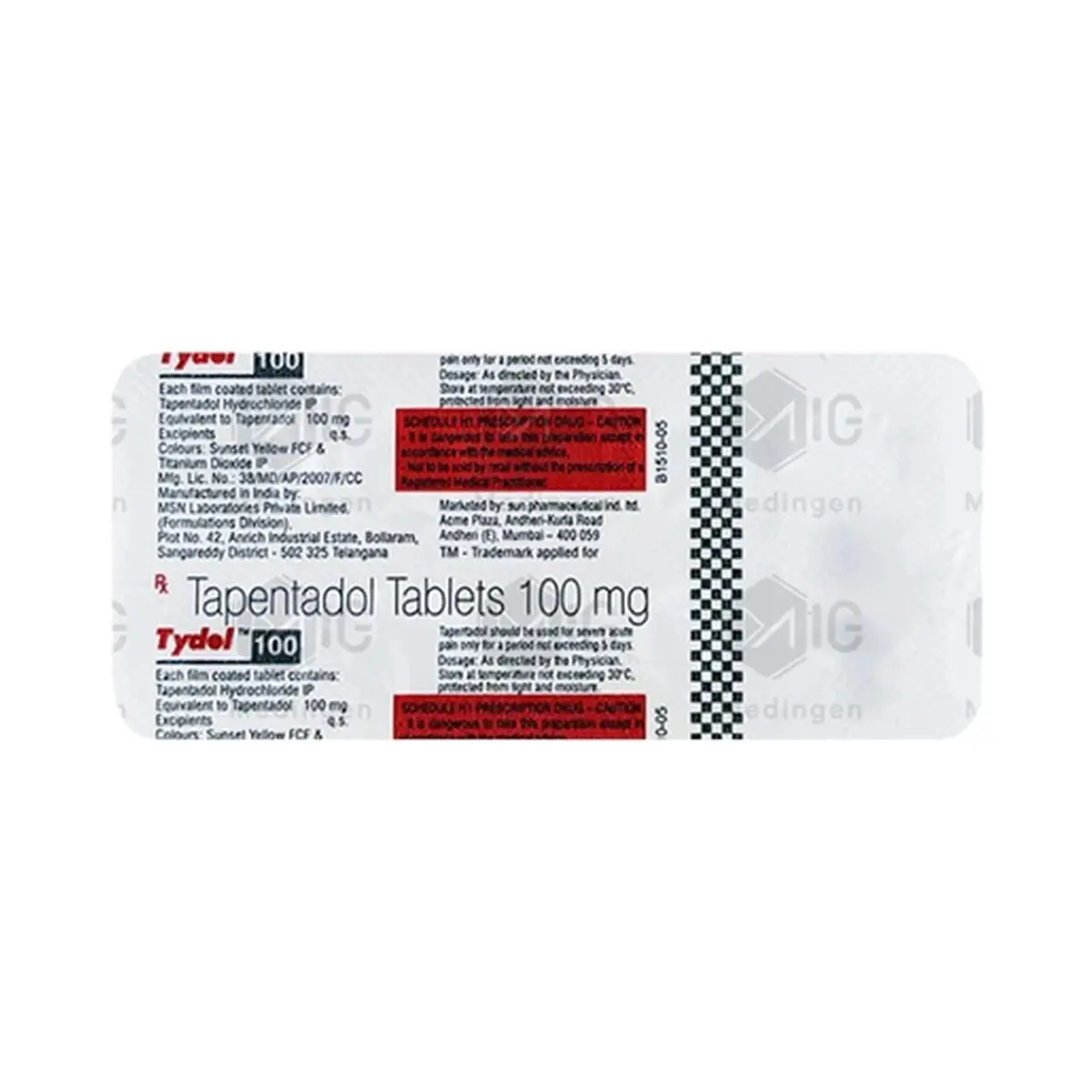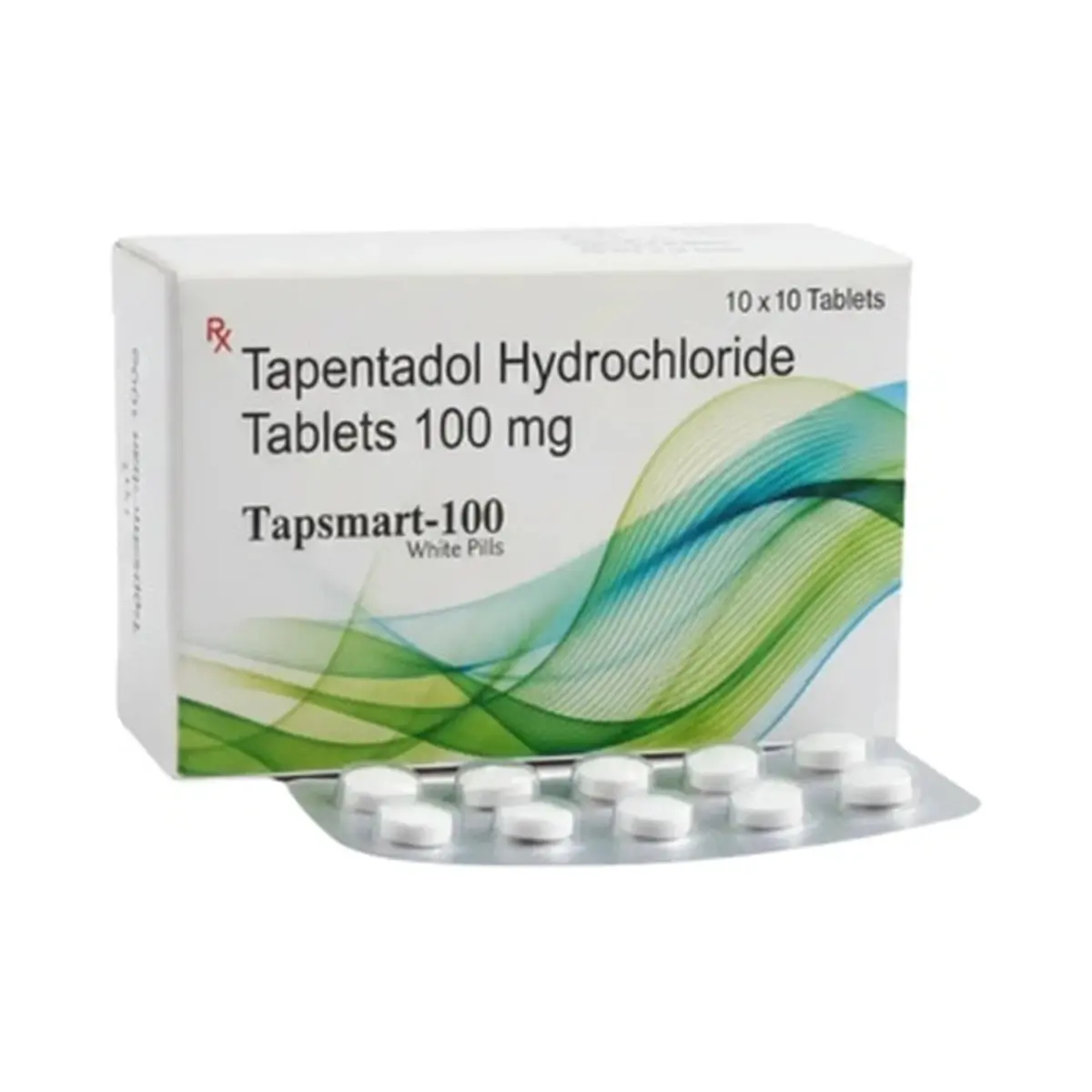
Description
Tap smart (Tapentadol) 200 mg
Tap smart 200 mg is a brand name for tapentadol, an opioid analgesic used for pain relief. Tapentadol is a centrally acting medicine with dual analgesic activity and is considered a strong opioid medicine. The product name should be verified against local regulatory status, but the active ingredient tapentadol is well established in official prescribing information.
Active Ingredient and Medicine Class
Tapentadol is a synthetic opioid analgesic. It acts as a mu-opioid receptor agonist and also inhibits noradrenaline reuptake, giving it a dual mechanism of action. This pharmacology distinguishes it from classical opioids that act mainly through opioid receptors alone.
Established Medical Uses
Official product information for tapentadol tablets supports use for moderate to severe pain when an opioid analgesic is required and alternative treatments are inadequate. In the United States, tapentadol tablets are indicated for severe acute pain; extended-release formulations are used for severe chronic pain in appropriate patients. Tapentadol has also been studied in chronic and neuropathic pain settings.
How It Works
Tapentadol reduces pain by two complementary actions. First, it stimulates mu-opioid receptors in the central nervous system, which decreases pain signalling. Second, it blocks the reuptake of noradrenaline, helping strengthen descending pain-inhibitory pathways. Human and review evidence supports both mechanisms contributing to analgesia.
Important Safety Information
Tapentadol is an opioid and carries important risks of addiction, abuse, misuse, and overdose. It is contraindicated in patients with significant respiratory depression, acute or severe bronchial asthma in unmonitored settings, known or suspected gastrointestinal obstruction, hypersensitivity to tapentadol, and concurrent use of monoamine oxidase inhibitors or use within the previous 14 days. Important cautions include severe liver or kidney impairment, low blood pressure, seizure risk, and opioid withdrawal in physically dependent patients. Concomitant use with benzodiazepines, alcohol, or other central nervous system depressants can cause profound sedation, respiratory depression, coma, or death.
Possible Side Effects
Common adverse effects of tapentadol include nausea, vomiting, constipation, dizziness, drowsiness, headache, and dry mouth. More serious reactions can include respiratory depression, severe sedation, hypotension, confusion, serotonin syndrome in susceptible combinations, adrenal insufficiency, and allergic reactions. Like other opioids, it may also cause dependence and withdrawal symptoms if stopped abruptly after prolonged use.
Scientific Evidence
Published reviews in PubMed describe tapentadol as an analgesic with dual MOR-NRI activity and clinical efficacy in moderate to severe pain. Review literature also suggests it may have better gastrointestinal tolerability than some traditional opioids, while still retaining typical opioid-class safety concerns. Evidence has also been discussed for use in mixed and neuropathic pain states, though findings vary by study design and indication.
Medical Information Notice
This summary is for educational purposes only and is based on sources available at the time of review. It does not replace the official patient leaflet, prescribing information, or individual assessment by a qualified health professional.
Medical Sources
- U.S. Food and Drug Administration / DailyMed — Tapentadol Tablets, Full Prescribing Information: View source
- Michael R. Tzschentke et al. — “The mu-opioid receptor agonist/noradrenaline reuptake inhibition (MOR-NRI) concept in analgesia: the case of tapentadol” — Trends in Pharmacological Sciences (2014): PubMed