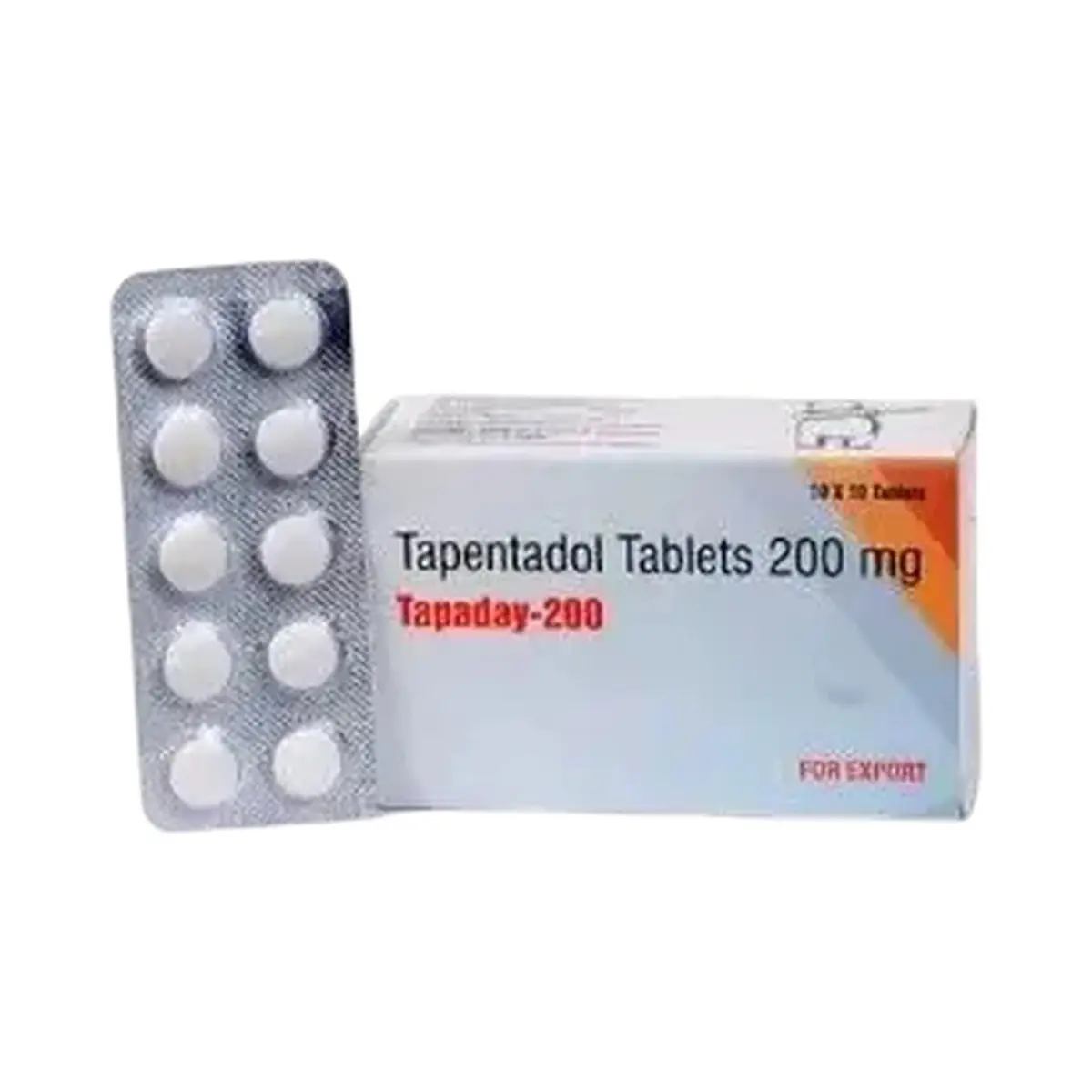
Description
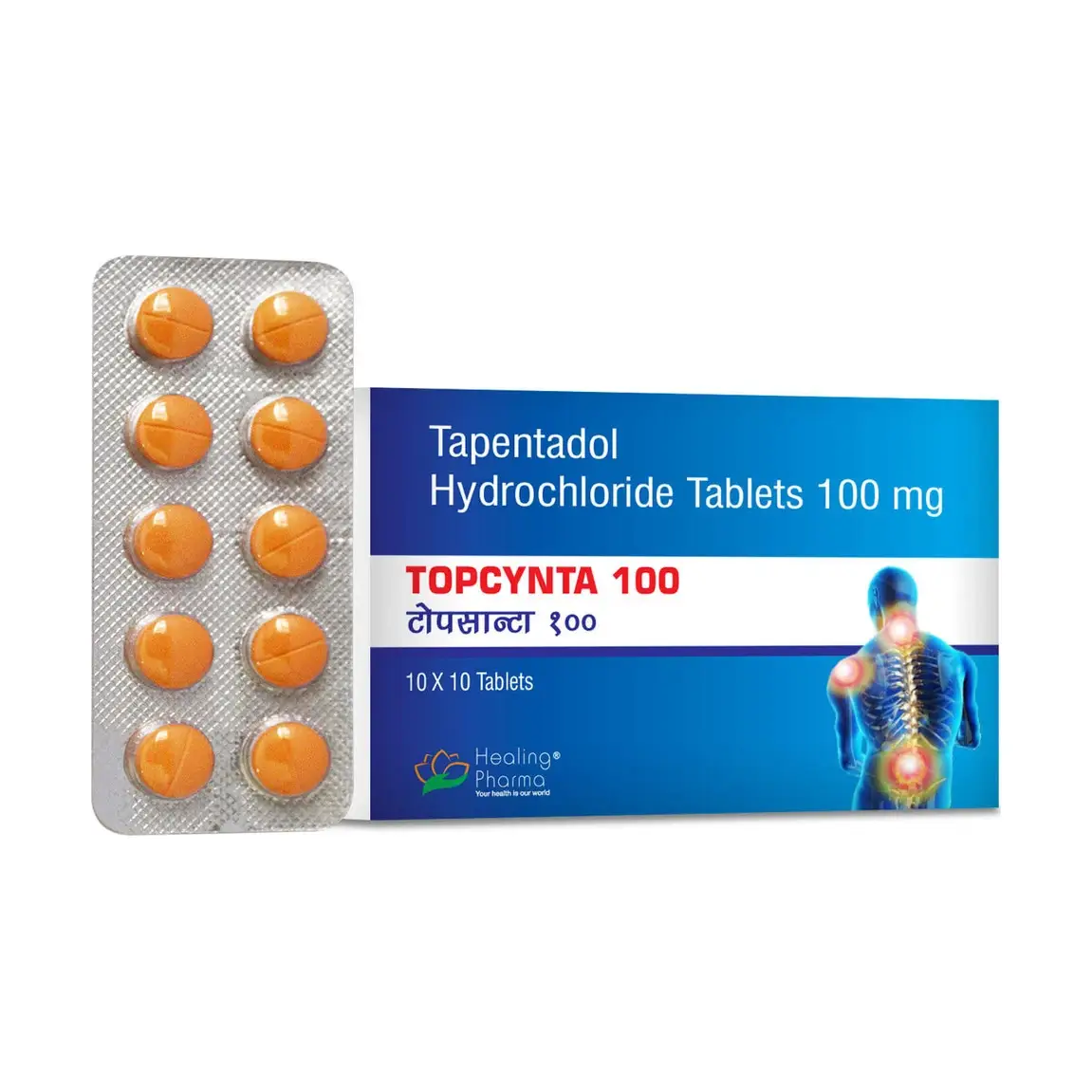
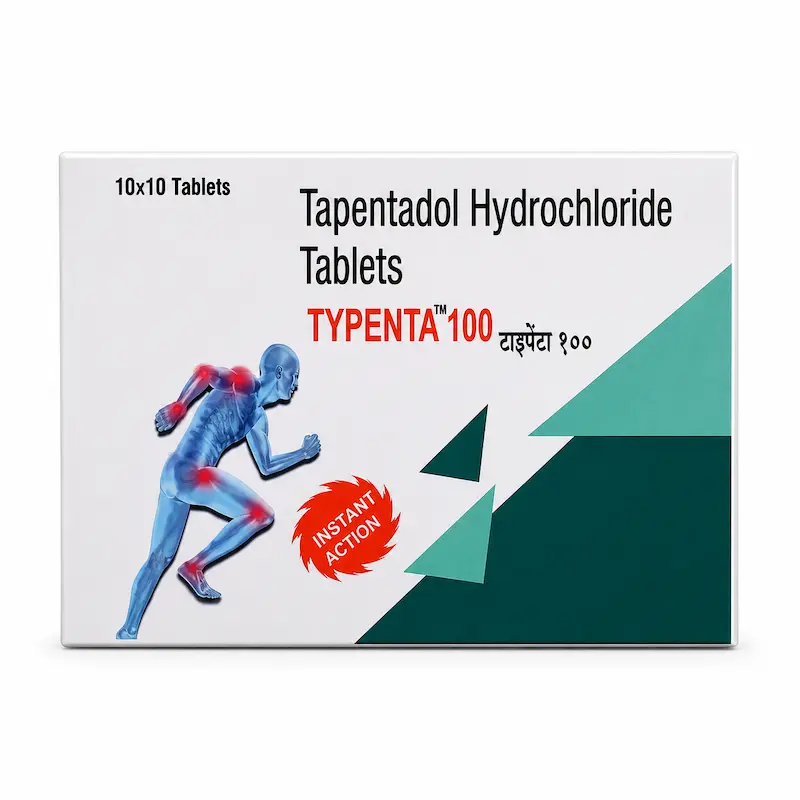
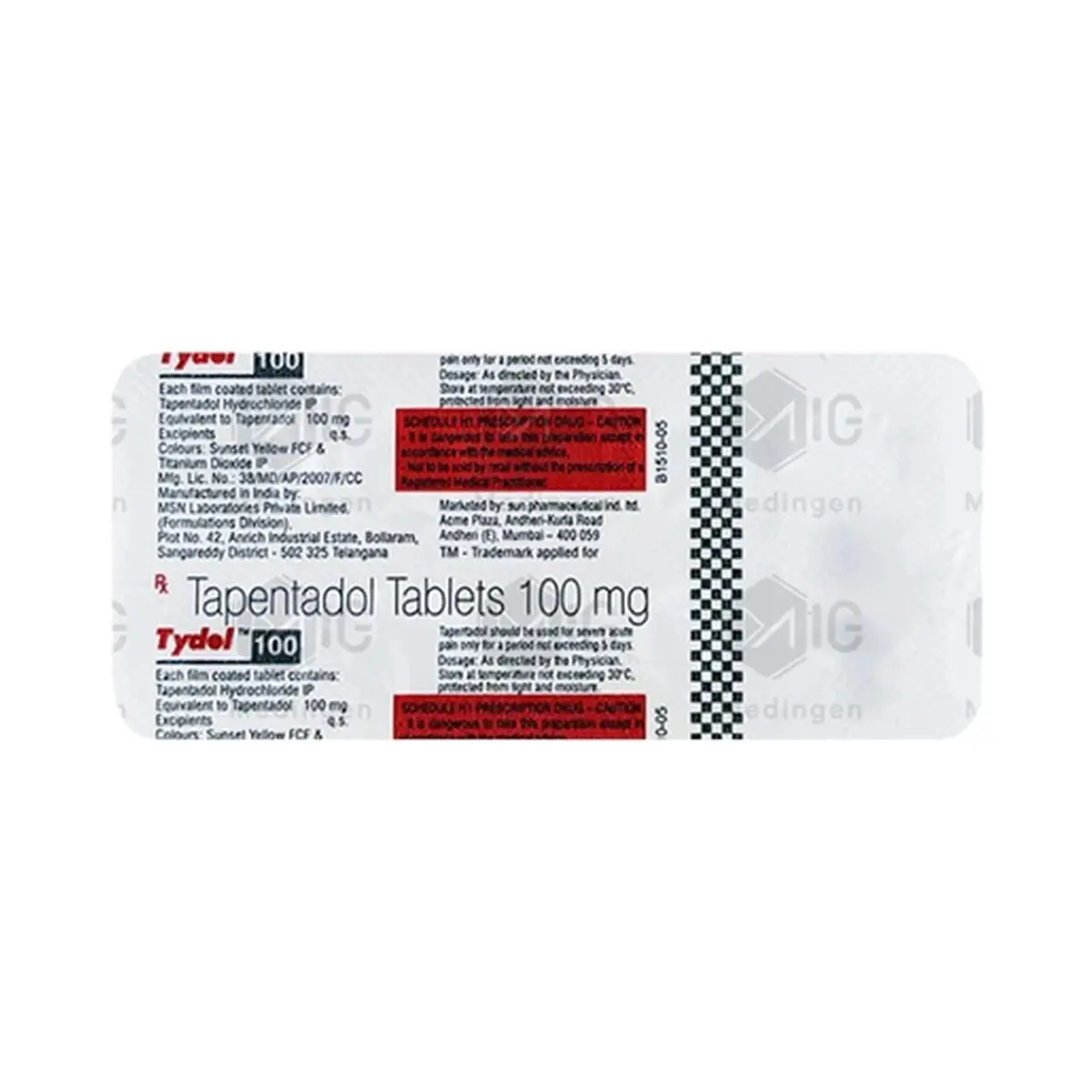
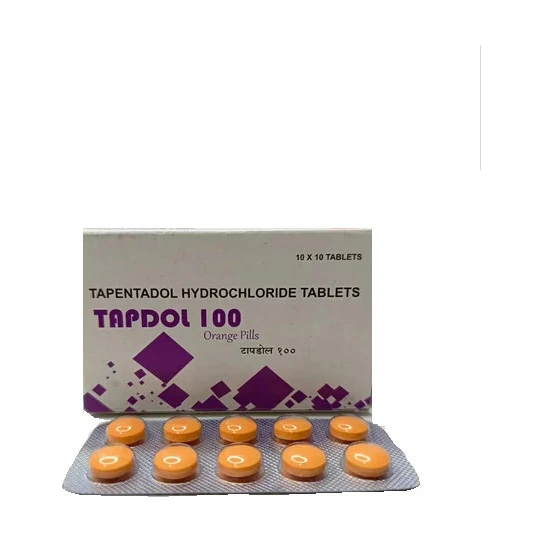
Tapaday (Tapentadol) 200 mg
Tapaday is a brand name used for tapentadol, an opioid analgesic. The product name and strength are used here for identification only. Tapentadol is a centrally acting pain medicine used for the management of pain where an opioid analgesic is considered appropriate.
Active Ingredient and Medicine Class
The verified active ingredient is tapentadol. It belongs to the class of opioid analgesics and also has norepinephrine reuptake inhibition activity. This dual mechanism places it in the MOR-NRI category of analgesics.
Established Medical Uses
Tapentadol immediate-release tablets have been studied and approved for moderate to severe acute pain in adults. Regulatory labeling also describes its use in pain conditions such as postoperative pain. Tapentadol extended-release formulations are used for severe chronic pain in some jurisdictions, but this page is based on the immediate-release tablet form identified by the product name.
How It Works
Tapentadol reduces pain through two main actions: it activates mu-opioid receptors in the central nervous system and it inhibits norepinephrine reuptake. Together, these effects reduce pain signalling and can help with nociceptive and some mixed pain states. Unlike some opioids, tapentadol has no known active metabolite contributing to its analgesic effect.
Important Safety Information
As an opioid medicine, tapentadol carries important risks including respiratory depression, sedation, misuse, abuse, dependence, and overdose. It should not be used with monoamine oxidase inhibitors. Clinically important interactions may occur with other central nervous system depressants, including alcohol, benzodiazepines, and other opioids, because combined effects can increase profound sedation and breathing problems. Caution is also warranted in people with hepatic impairment, a history of substance use disorder, or conditions that increase the risk of respiratory compromise.
Possible Side Effects
Common adverse effects reported with tapentadol include nausea, dizziness, vomiting, somnolence, constipation, pruritus, and headache. Less common but serious reactions can include respiratory depression, severe hypersensitivity reactions, serotonin syndrome-like toxicity in susceptible combinations, and withdrawal symptoms if opioid exposure is interrupted in dependent patients.
Scientific Evidence
Clinical reviews and trials in PubMed show that tapentadol immediate-release can provide analgesia in moderate to severe acute pain. In comparative studies, it has shown pain relief broadly similar to oxycodone in some settings, with lower rates of certain opioid-related adverse effects such as nausea, vomiting, and constipation in some analyses. Evidence also supports its dual-mechanism pharmacology as the basis for its analgesic profile.
Medical Information Notice
This page is an educational summary based on sources available at the time of review and does not replace the official patient leaflet, prescribing information, or individual assessment by a qualified healthcare professional.
Medical Sources
- FDA — NUCYNTA (tapentadol) immediate-release oral tablets, Prescribing Information
- Craig T Hartrick et al. — “Tapentadol immediate release for the relief of moderate-to-severe acute pain,” Expert Opinion on Pharmacotherapy, 2010 — PubMed