Description
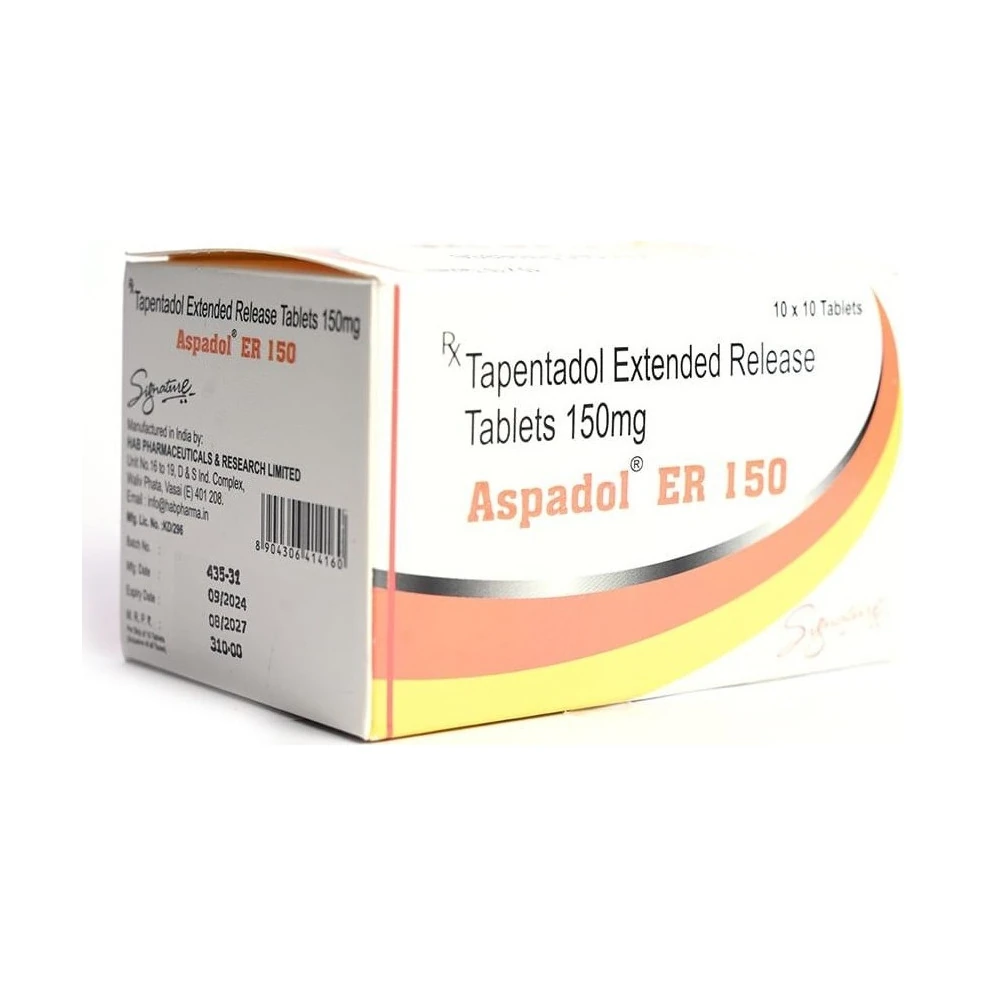
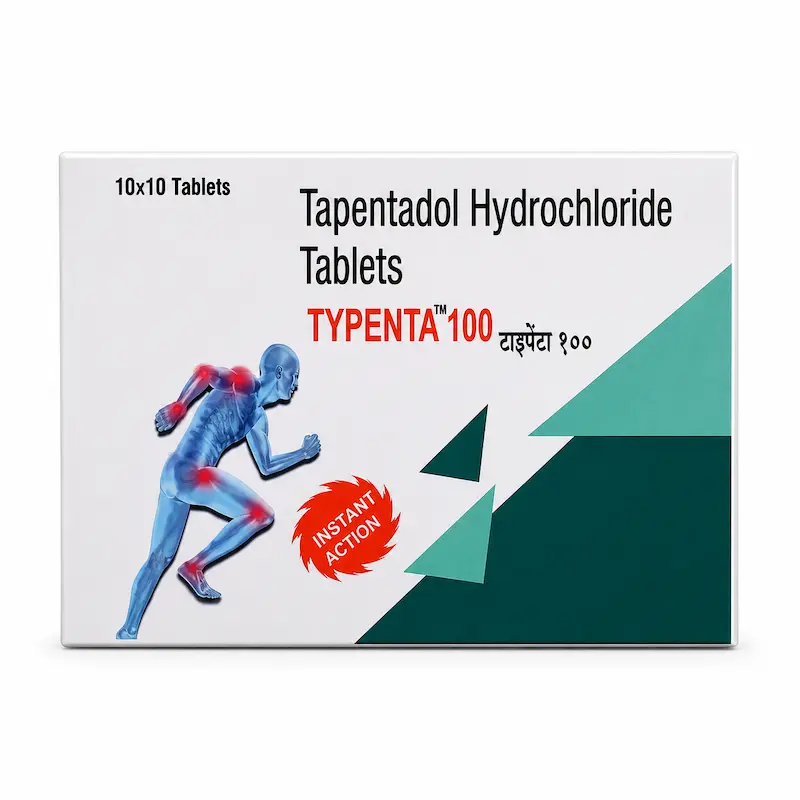
Typenta (Tapentadol) 100 mg
Typenta 100 mg is identified by the supplied product name as a tapentadol tablet. Tapentadol is an opioid analgesic used for pain relief. Regulatory sources for tapentadol tablets confirm it is a centrally acting medicine with established use in opioid-requiring pain, though exact authorised indications can vary by country and product.
Active Ingredient and Medicine Class
The verified active ingredient is tapentadol. It is a centrally acting opioid analgesic with dual pharmacological action: μ-opioid receptor agonism and norepinephrine reuptake inhibition.
Established Medical Uses
Tapentadol tablets are used for the management of pain that is severe enough to require an opioid analgesic when alternative treatments are inadequate. In regulatory information, tapentadol has been authorised for acute pain in some settings, and extended-release forms have been used for chronic pain in others. The exact indication for Typenta should be confirmed against the local product label.
How It Works
Tapentadol relieves pain through two complementary mechanisms. First, it activates μ-opioid receptors, which reduces the perception of pain. Second, it inhibits norepinephrine reuptake, which strengthens descending pain-inhibiting pathways in the nervous system. This dual action is the basis for its analgesic effect.
Important Safety Information
Tapentadol is an opioid and carries important risks, including misuse, dependence, overdose, and respiratory depression. It should be used with caution in people with severe breathing problems, severe hepatic impairment, severe renal impairment, head injury, increased intracranial pressure, or impaired consciousness. It is contraindicated in patients with hypersensitivity to tapentadol, and product information also warns against use with monoamine oxidase inhibitors. Concomitant use with benzodiazepines, alcohol, other central nervous system depressants, or serotonergic medicines can increase serious safety risks. Caution is also advised with other opioid medicines because mixed agonist-antagonists may reduce analgesia or precipitate withdrawal.
Possible Side Effects
Common adverse effects include nausea, vomiting, dizziness, somnolence, constipation, headache, and sweating. More serious reactions can include marked sedation, breathing difficulty, low blood pressure, serotonin syndrome, severe allergic reactions, and opioid withdrawal or opioid-induced hyperalgesia in susceptible patients.
Scientific Evidence
Clinical reviews and trial summaries indexed in PubMed describe tapentadol as an effective analgesic for moderate to severe pain, with immediate-release formulations studied in acute pain and prolonged-release formulations studied in chronic pain. Human studies also suggest that tapentadol may cause less nausea, vomiting, and constipation than some traditional opioids at equianalgesic doses, although it remains an opioid with clinically important safety concerns.
Medical Information Notice
This page is an educational summary based on sources available at the time of review and does not replace the official patient leaflet, prescribing information, or individual assessment by a qualified healthcare professional.
Medical Sources
- U.S. Food and Drug Administration (FDA) — NUCYNTA (tapentadol) tablets, prescribing information. View source
- DailyMed — Tapentadol tablets, full prescribing information. View source
- Hartrick CT et al. “Tapentadol immediate release for the relief of moderate-to-severe acute pain.” Expert Opinion on Pharmacotherapy (2009). PubMed