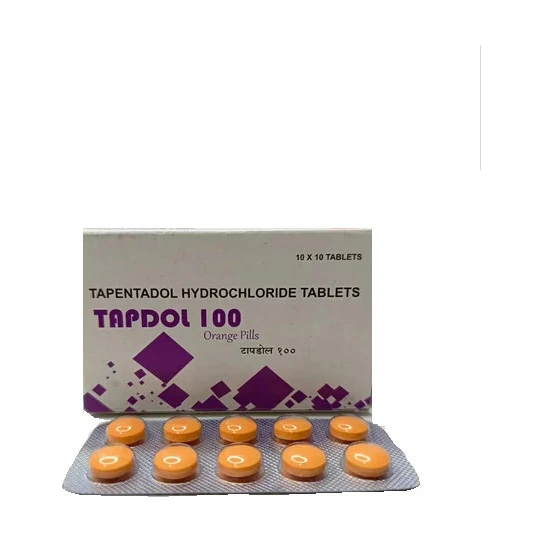
Description
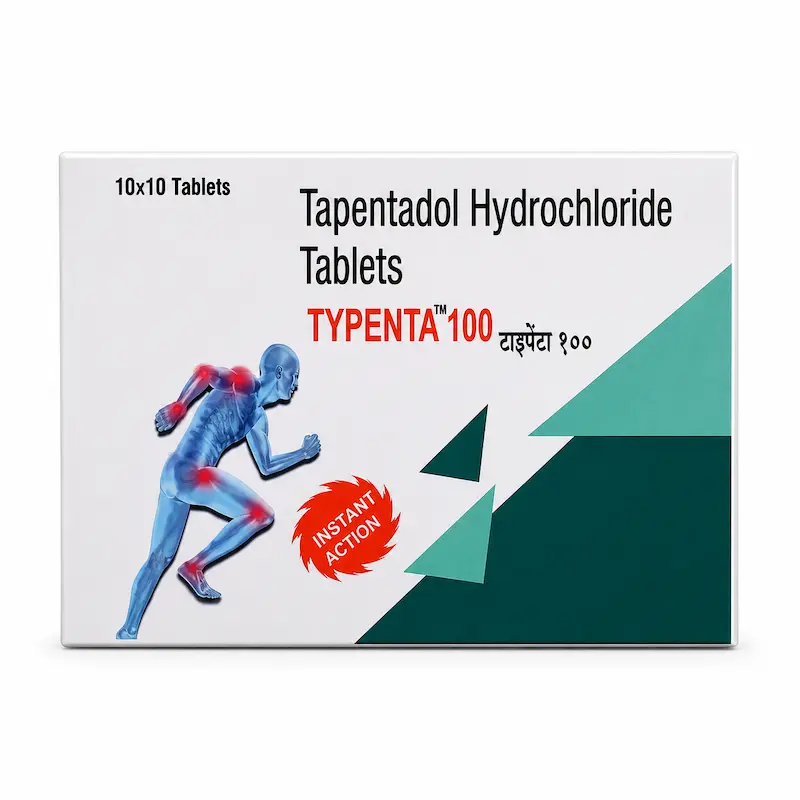
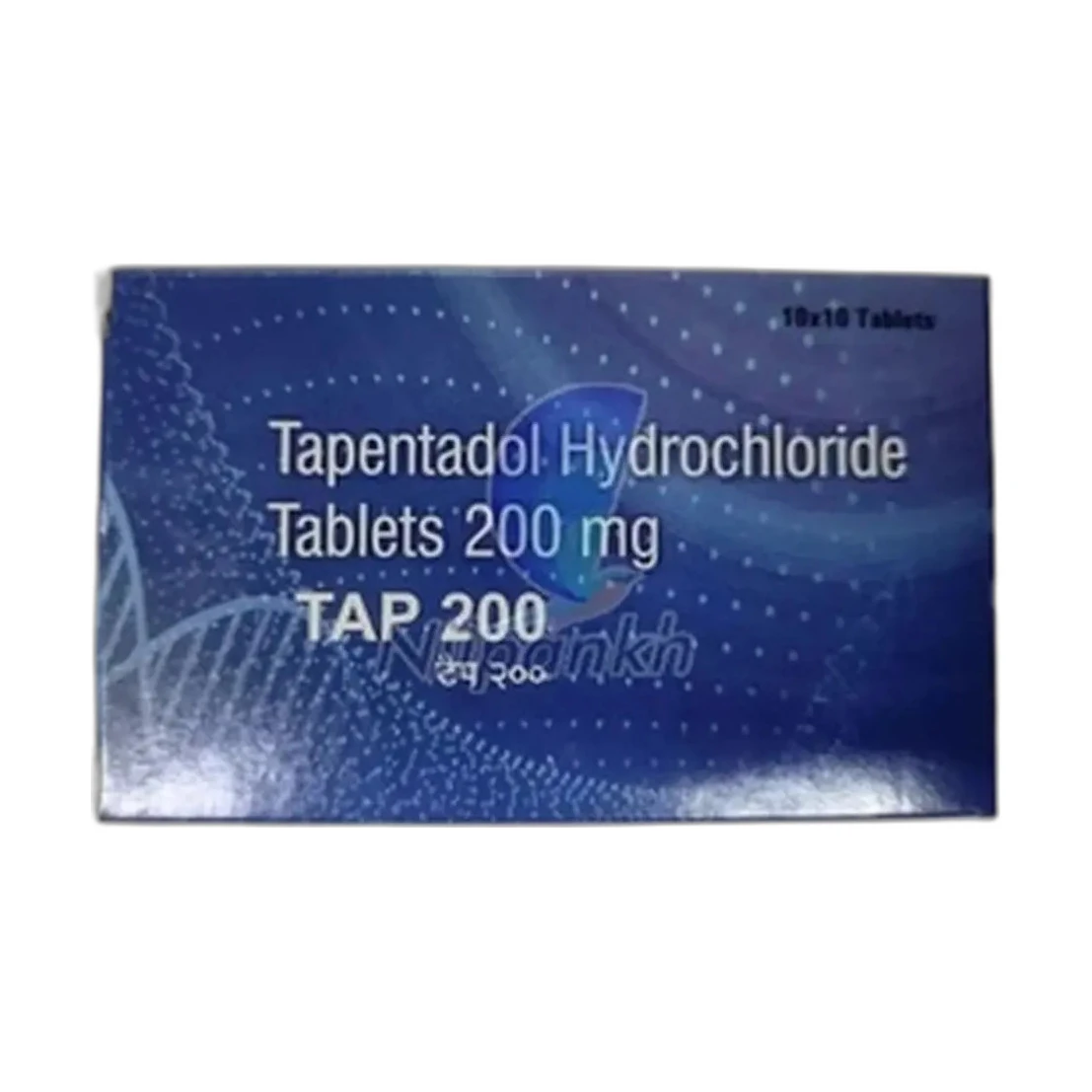
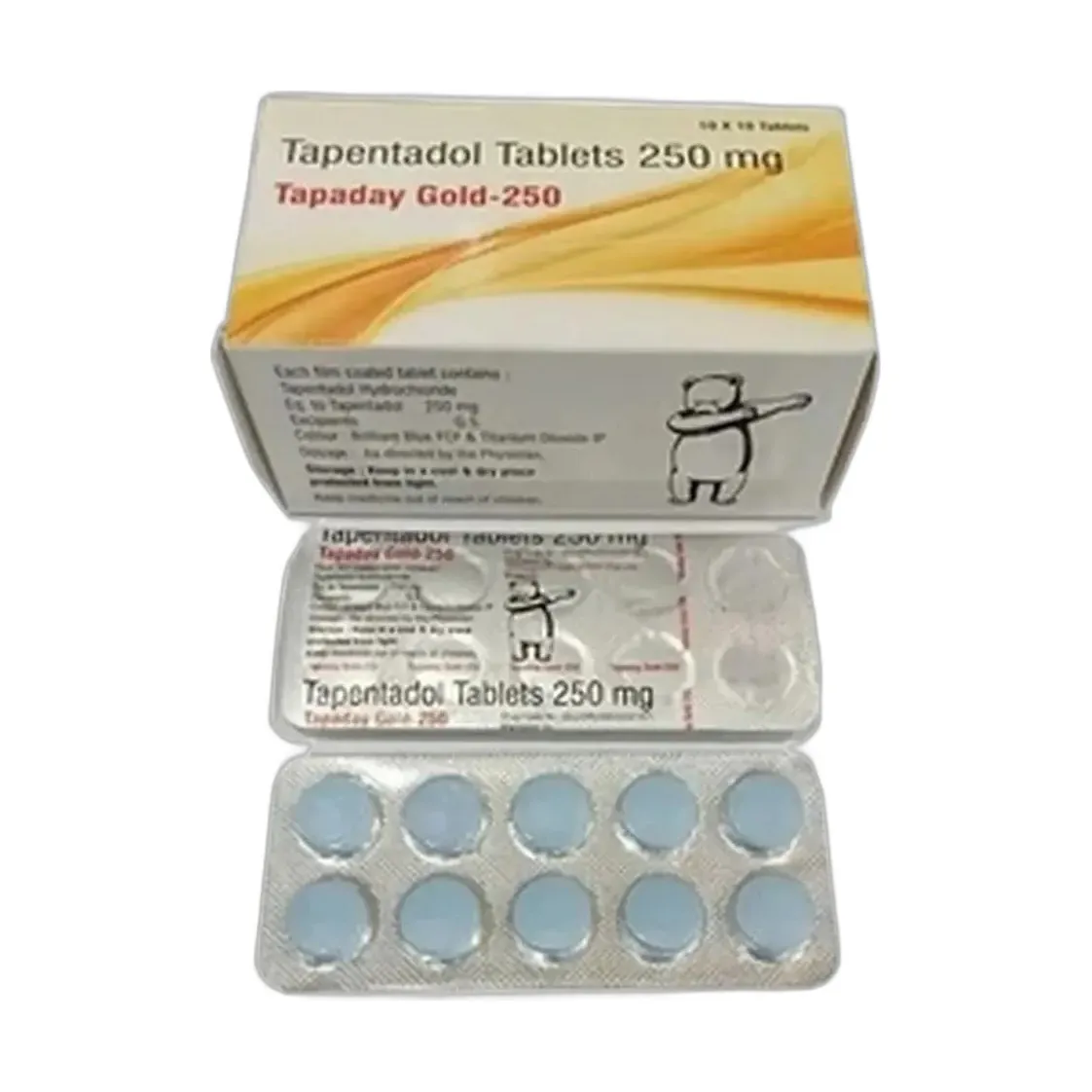
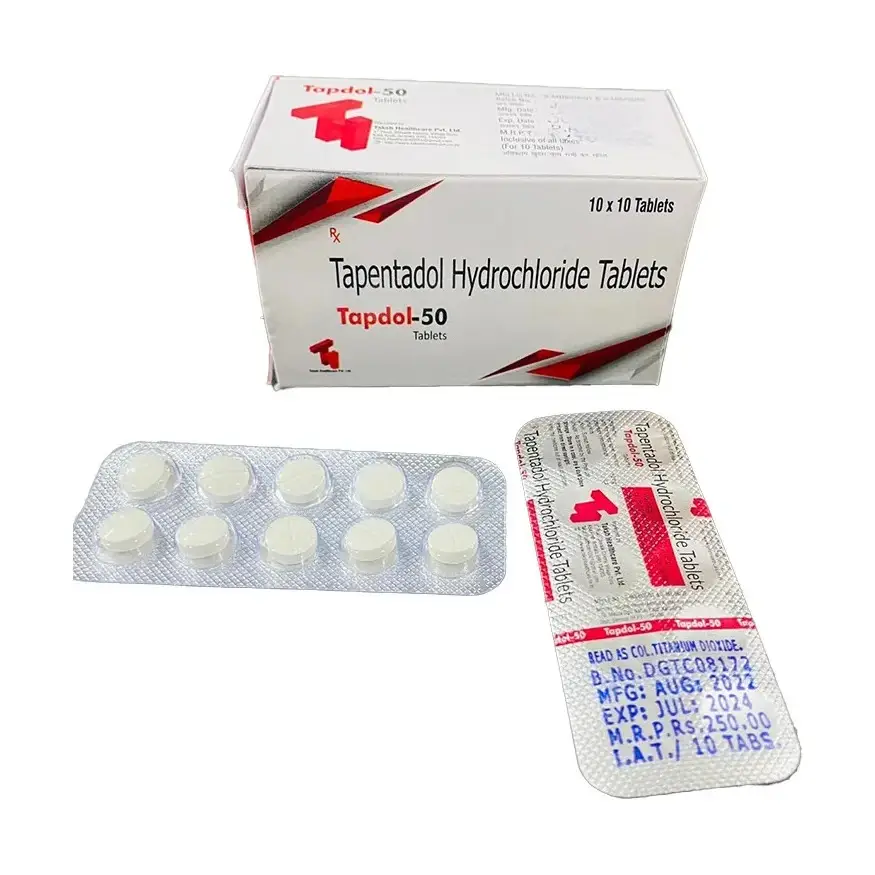
Tapdol (Tapentadol) 100 mg
Tapdol 100 mg is a tapentadol-containing oral medicine. Tapentadol is an opioid analgesic used for pain relief. The product name and strength suggest a tablet formulation, but the verified medicine information applies to tapentadol itself rather than this trade name specifically.
Active Ingredient and Medicine Class
The active ingredient is tapentadol. It is a centrally acting analgesic in the opioid class, with dual action as a µ-opioid receptor agonist and a noradrenaline reuptake inhibitor. Regulatory product information classifies tapentadol as an opioid analgesic.
Established Medical Uses
Tapentadol is established for the management of moderate to severe pain in adults, depending on the formulation and jurisdiction. In EU-style product information for prolonged-release tapentadol, it is indicated for severe chronic pain that can be adequately managed only with opioid analgesics. In U.S. prescribing information for immediate-release tapentadol tablets, it is indicated for acute pain severe enough to require an opioid analgesic when alternative treatments are inadequate.
How It Works
Tapentadol reduces pain by combining two mechanisms in one medicine: it activates opioid receptors in the central nervous system and also inhibits noradrenaline reuptake. This dual action helps dampen pain signalling. Unlike some opioids, tapentadol is described in product information as having no pharmacologically active metabolite.
Important Safety Information
Tapentadol is an opioid and carries clinically important risks including abuse, misuse, dependence, respiratory depression, and overdose. Product information warns against use in situations where opioid risks outweigh benefit and notes a fatal overdose can occur, especially with accidental ingestion. It should not be used with MAO inhibitors or within the relevant washout period. Strong caution is also needed with other central nervous system depressants, including alcohol, sedatives, and other opioids, because combined use can increase sedation and breathing problems. Tapentadol is also subject to important interaction risks with serotonergic medicines and with drugs that affect seizure threshold.
Possible Side Effects
Common adverse effects include nausea, vomiting, dizziness, drowsiness, constipation, headache, and tiredness. More serious reactions can include profound sedation, respiratory depression, confusion, low blood pressure, serotonin syndrome, and seizure-related events in susceptible patients or with interacting medicines.
Scientific Evidence
PubMed-indexed reviews and meta-analyses support tapentadol as an effective analgesic for moderate to severe pain, with a pharmacological profile that may be useful when nociceptive and neuropathic pain components overlap. Review literature also suggests tolerability is often acceptable, though opioid-class adverse effects remain important and should not be underestimated.
Medical Information Notice
This summary is for educational purposes only and is based on sources available at the time of review. It does not replace the official patient leaflet, prescribing information, or assessment by a qualified healthcare professional.
Medical Sources
- U.S. Food and Drug Administration (FDA) — NUCYNTA (tapentadol) tablets for oral use, Prescribing Information
- Medicines and Healthcare products Regulatory Agency / emc — Tapentadol Krka 100 mg prolonged-release tablets, Summary of Product Characteristics
- Zavaleta-Monestel E et al. — Tapentadol: A Comprehensive Review of Its Role in Pain Management — Cureus, 2024