Description
Tramadol
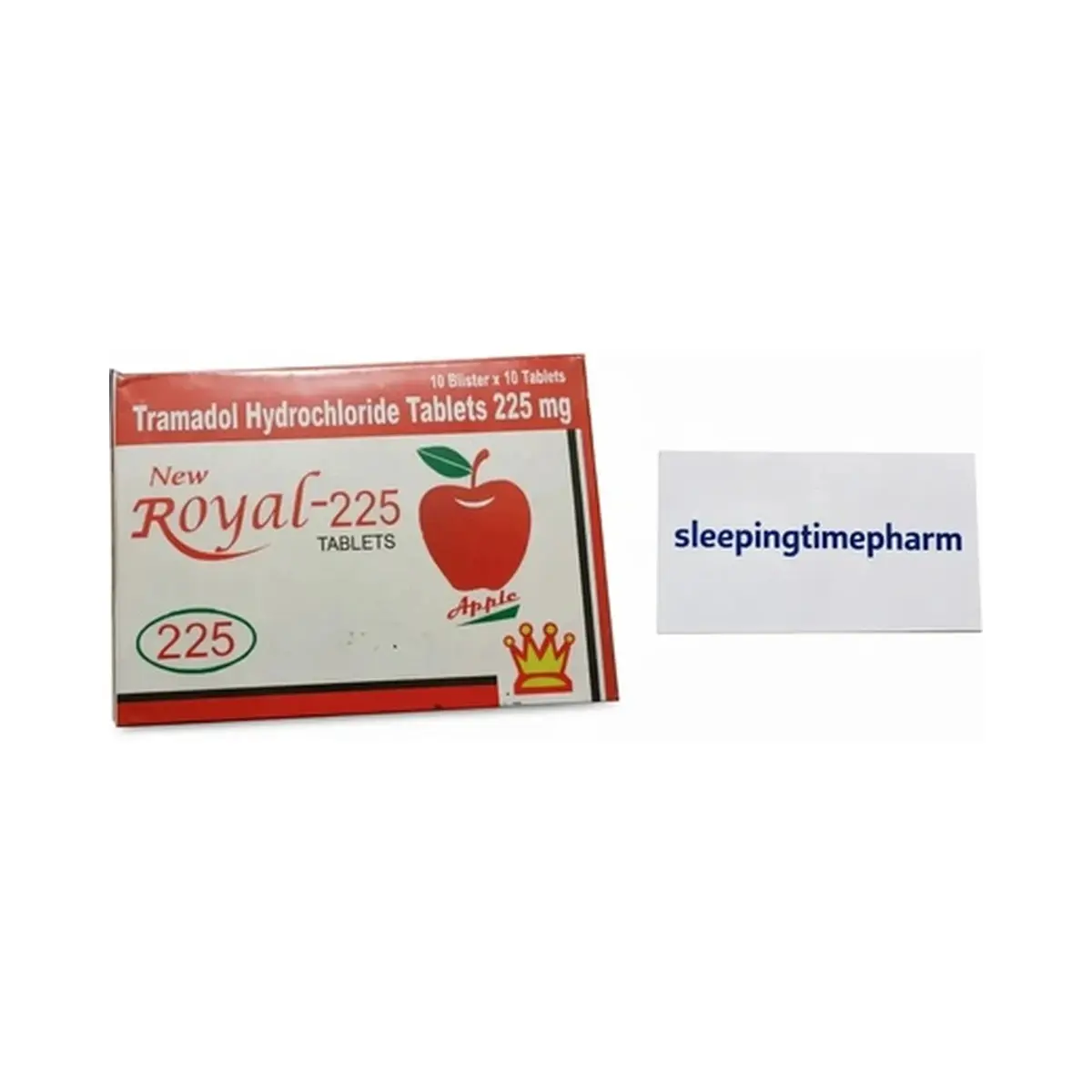
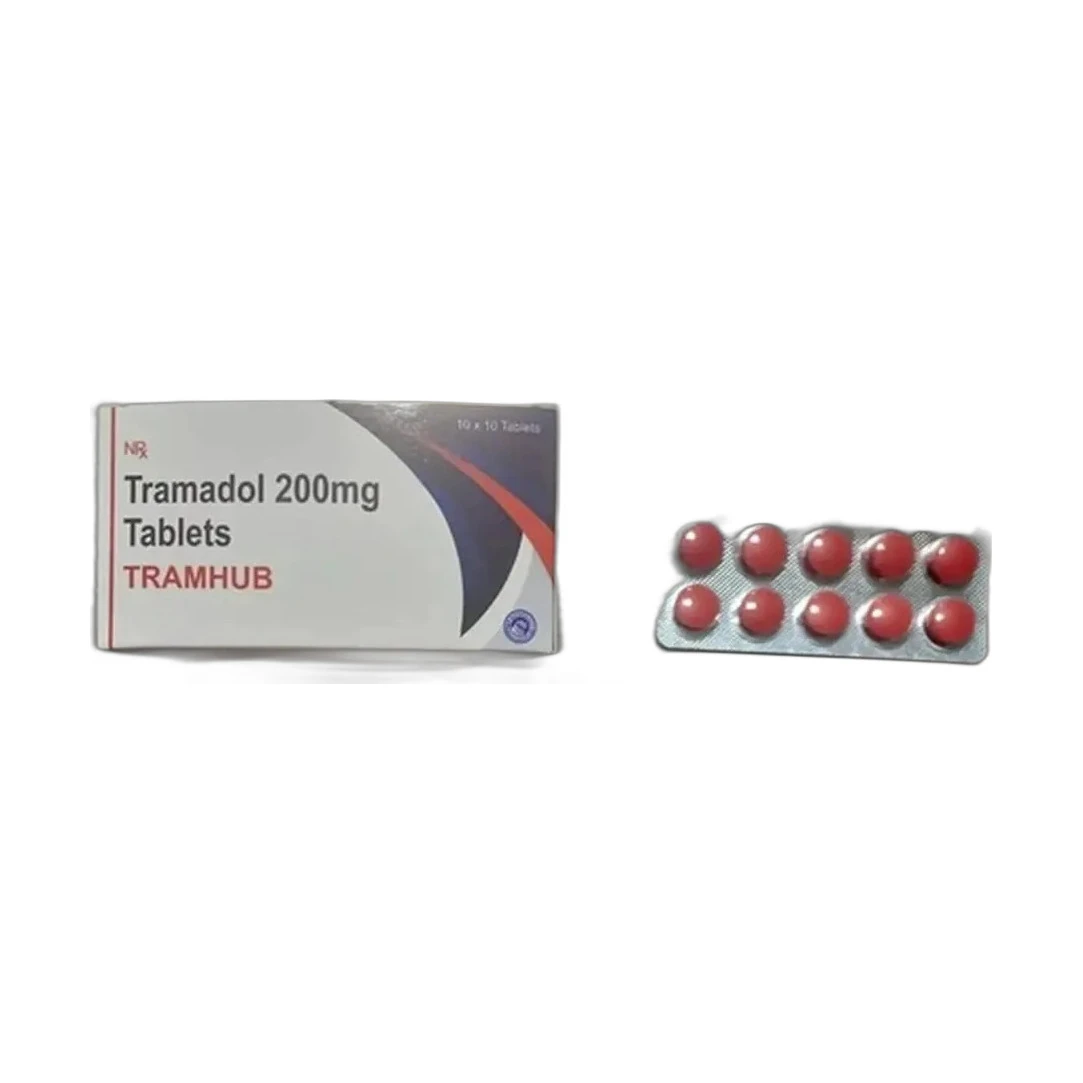
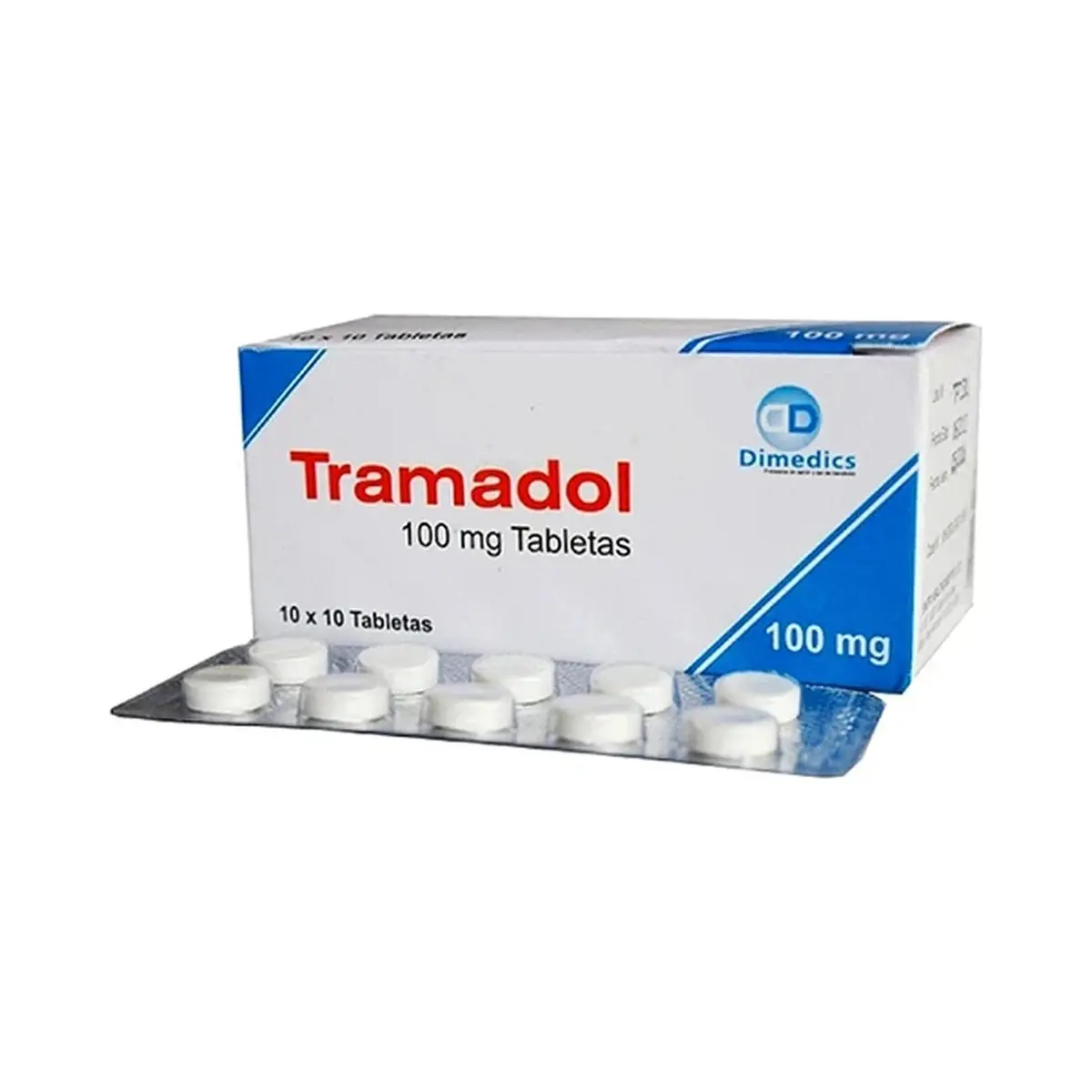
Tramadol is an opioid analgesic used for pain relief. The product name provided identifies a tramadol 100 mg oral tablet, but the official medical information is based on tramadol hydrochloride tablets as the verified active ingredient.
Active Ingredient and Medicine Class
The verified active ingredient is tramadol hydrochloride. It is a centrally acting analgesic with weak opioid activity and additional effects on noradrenaline and serotonin reuptake. This places it among the opioid analgesics, with a mixed mechanism of action.
Established Medical Uses
Official prescribing information describes tramadol hydrochloride tablets for the management of moderate to moderately severe pain in adults. Clinical literature also describes its use in a range of acute and chronic pain conditions, but the licensed indication should be taken from the relevant local product label.
How It Works
Tramadol relieves pain through more than one pathway. Its parent drug and active metabolite act on opioid receptors, and tramadol also inhibits the reuptake of noradrenaline and serotonin. These combined effects help reduce pain perception.
Important Safety Information
Tramadol has important opioid-related risks, including misuse, dependence, overdose, and life-threatening respiratory depression. It should not be used in patients with known hypersensitivity to tramadol or other listed contraindications in the official label. Important precautions include seizure risk, serotonin syndrome, and interactions with benzodiazepines, other central nervous system depressants, CYP2D6 inhibitors, and CYP3A4 inhibitors or inducers. The label also warns about impaired ability to drive or operate machinery, withdrawal with abrupt discontinuation, and special risks in pregnancy, lactation, and in children.
Possible Side Effects
Common adverse effects may include dizziness, nausea, constipation, headache, somnolence, and vomiting. More serious reactions can include respiratory depression, seizures, serotonin syndrome, severe hypersensitivity reactions, hyponatremia, hypoglycemia, and withdrawal symptoms.
Scientific Evidence
Peer-reviewed reviews describe tramadol as an atypical opioid analgesic with clinically established pain-relieving activity in moderate to severe pain, supported by both its opioid action and monoaminergic effects. Recent review evidence continues to assess its efficacy and harms across acute and chronic pain settings.
Medical Information Notice
This summary is for educational purposes only and is based on sources available at the time of review. It does not replace the official patient leaflet, prescribing information, or assessment by a qualified healthcare professional.
Medical Sources
- DailyMed / U.S. prescribing information: Tramadol Hydrochloride Tablets, full prescribing information. Official prescribing information
- Li Z, et al. “Discovery and development of tramadol for the treatment of pain.” Expert Opinion on Drug Discovery (2017). PubMed article