Description
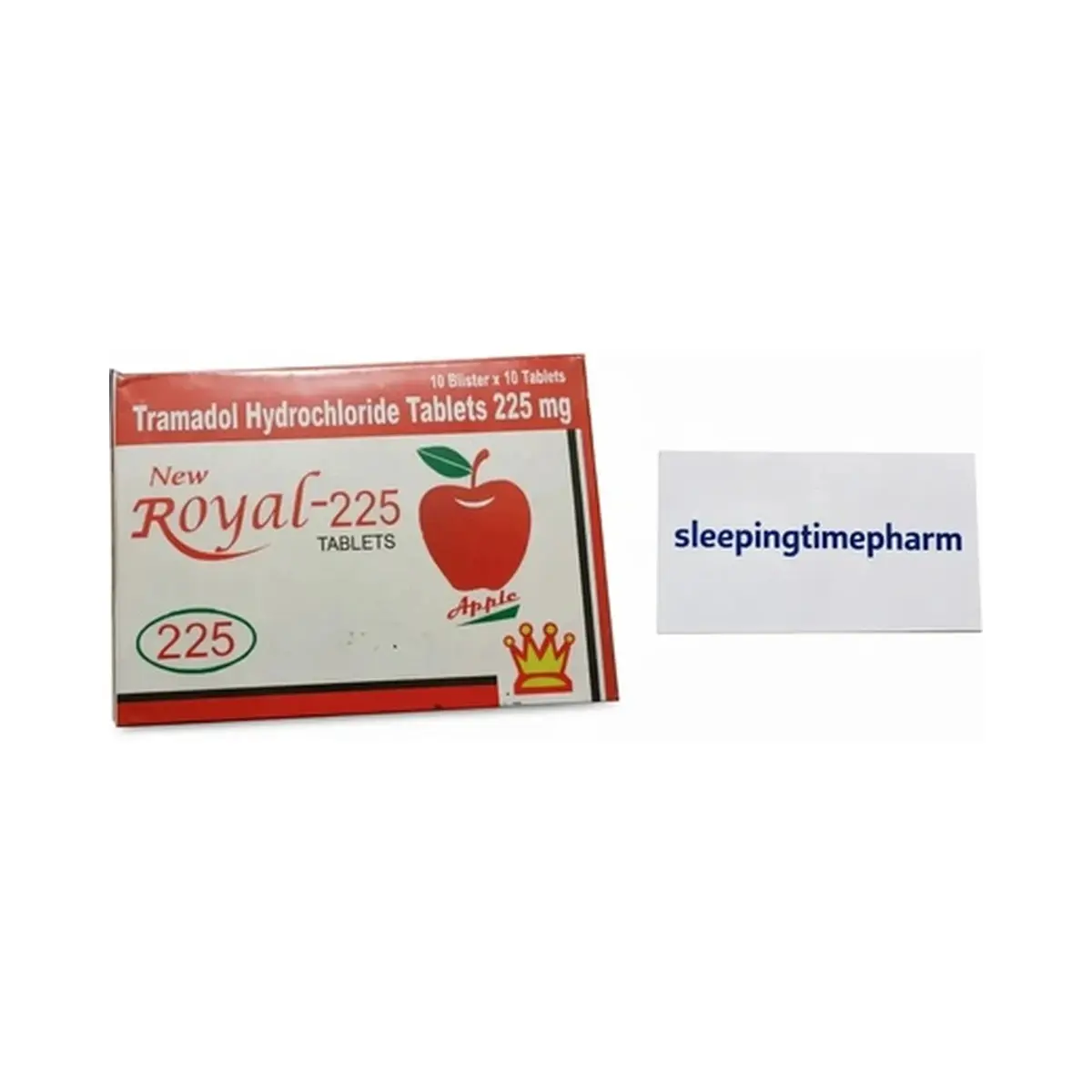
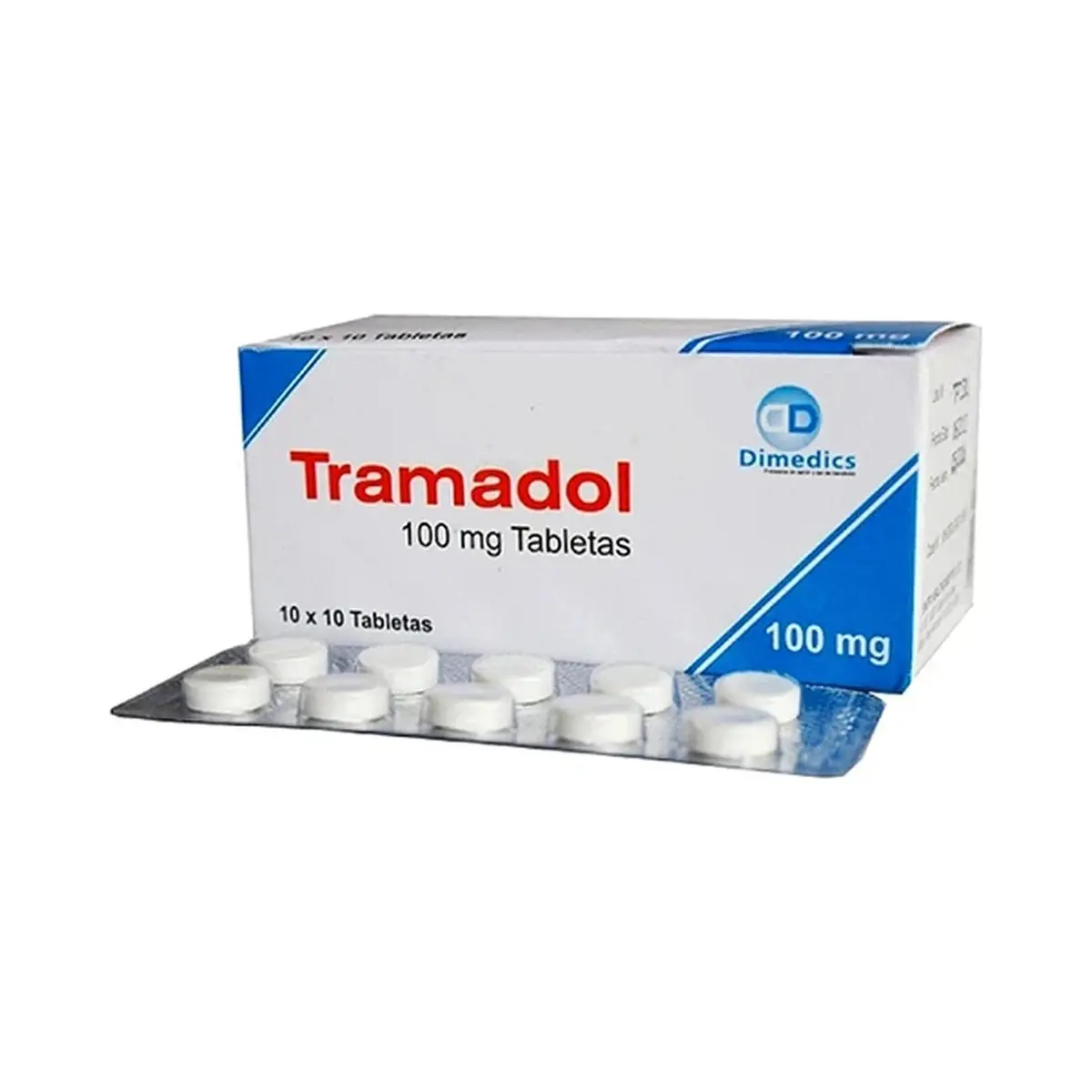
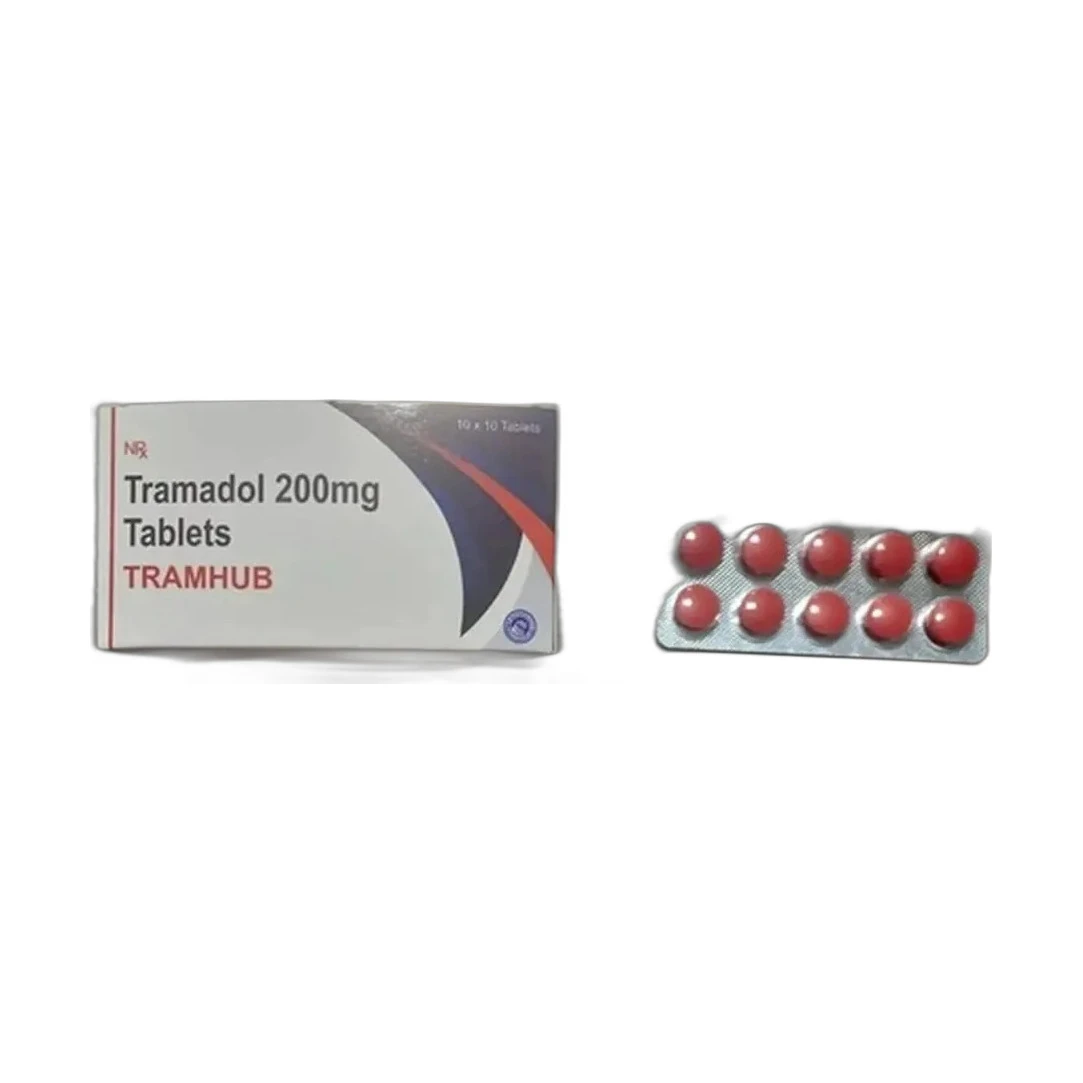
Trazoken (Tramadol) 100 mg
Trazoken 100 mg is identified here as a tramadol 100 mg tablet. Tramadol is an opioid analgesic used for pain relief. The verified product details available do not establish a unique brand-specific formulation beyond tramadol itself.
Active Ingredient and Medicine Class
Active ingredient: tramadol hydrochloride.
Medicine class: centrally acting analgesic with opioid activity. Tramadol is commonly described as an atypical opioid because it combines opioid receptor activity with effects on serotonin and norepinephrine reuptake.
Established Medical Uses
Official prescribing information for tramadol tablets supports use for the management of moderate to moderately severe pain in adults. Published clinical reviews also describe its use in acute and chronic pain settings, although the strength of benefit varies by condition and study design.
How It Works
Tramadol relieves pain through two main mechanisms: it binds to opioid receptors, and it also inhibits the reuptake of norepinephrine and serotonin. Its active metabolite contributes to opioid activity. These combined actions help reduce the perception of pain.
Important Safety Information
Tramadol carries important opioid-related risks, including misuse, abuse, dependence, and potentially serious respiratory depression. It should not be used with monoamine oxidase inhibitors, and interaction risk is clinically important with other serotonergic medicines because of the possibility of serotonin syndrome. The risk of seizures is also recognized, especially with interacting medicines, overdose, or other predisposing factors. Concomitant use with benzodiazepines or other central nervous system depressants can increase the risk of profound sedation, breathing problems, coma, and death. Regulatory labeling also highlights caution with CYP2D6 and CYP3A4 inhibitors and in patients with a history of opioid hypersensitivity.
Possible Side Effects
Common adverse effects include nausea, dizziness, drowsiness, constipation, headache, dry mouth, and sweating. More serious reactions can include respiratory depression, seizure, serotonin syndrome, severe allergic reactions, and symptoms related to opioid misuse or overdose.
Scientific Evidence
PubMed-indexed reviews describe tramadol as an established analgesic with dual opioid and monoaminergic activity. Human evidence supports analgesic benefit in some pain conditions, but reviews also show clinically important safety concerns, particularly in relation to serotonin toxicity, seizures, and other opioid-related harms. Recent systematic review evidence suggests only modest benefit in chronic pain while adverse events may be more frequent.
Medical Information Notice
This page is an educational summary based on sources available at the time of review and does not replace the official patient leaflet or individual assessment by a qualified healthcare professional.
Medical Sources
- DailyMed, Tramadol Hydrochloride Tablets, Prescribing Information
- Raffa RB, et al. “What is the main mechanism of tramadol?” European Journal of Pain, 2012. PubMed