Description
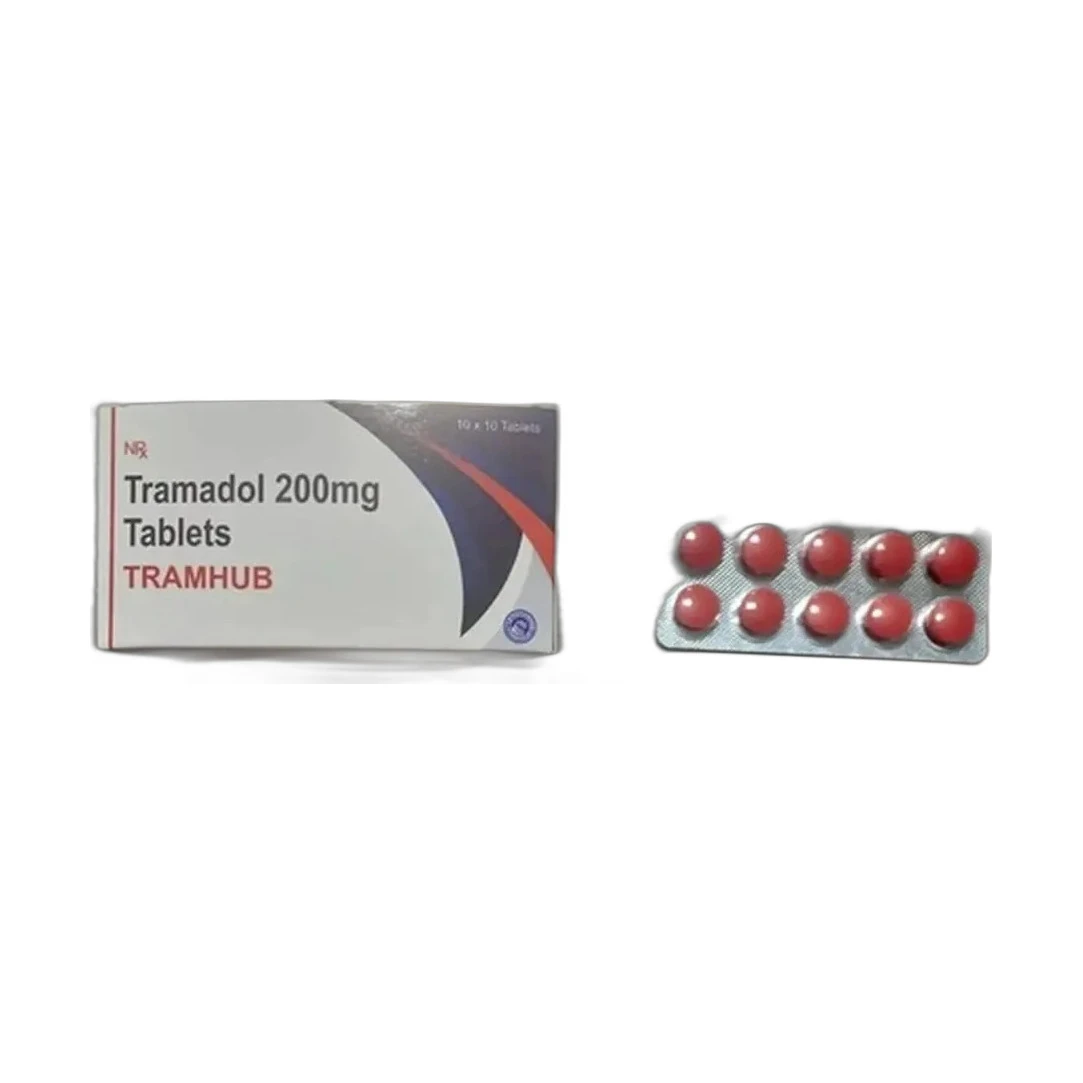
Tramhub (Tramadol) 200 mg
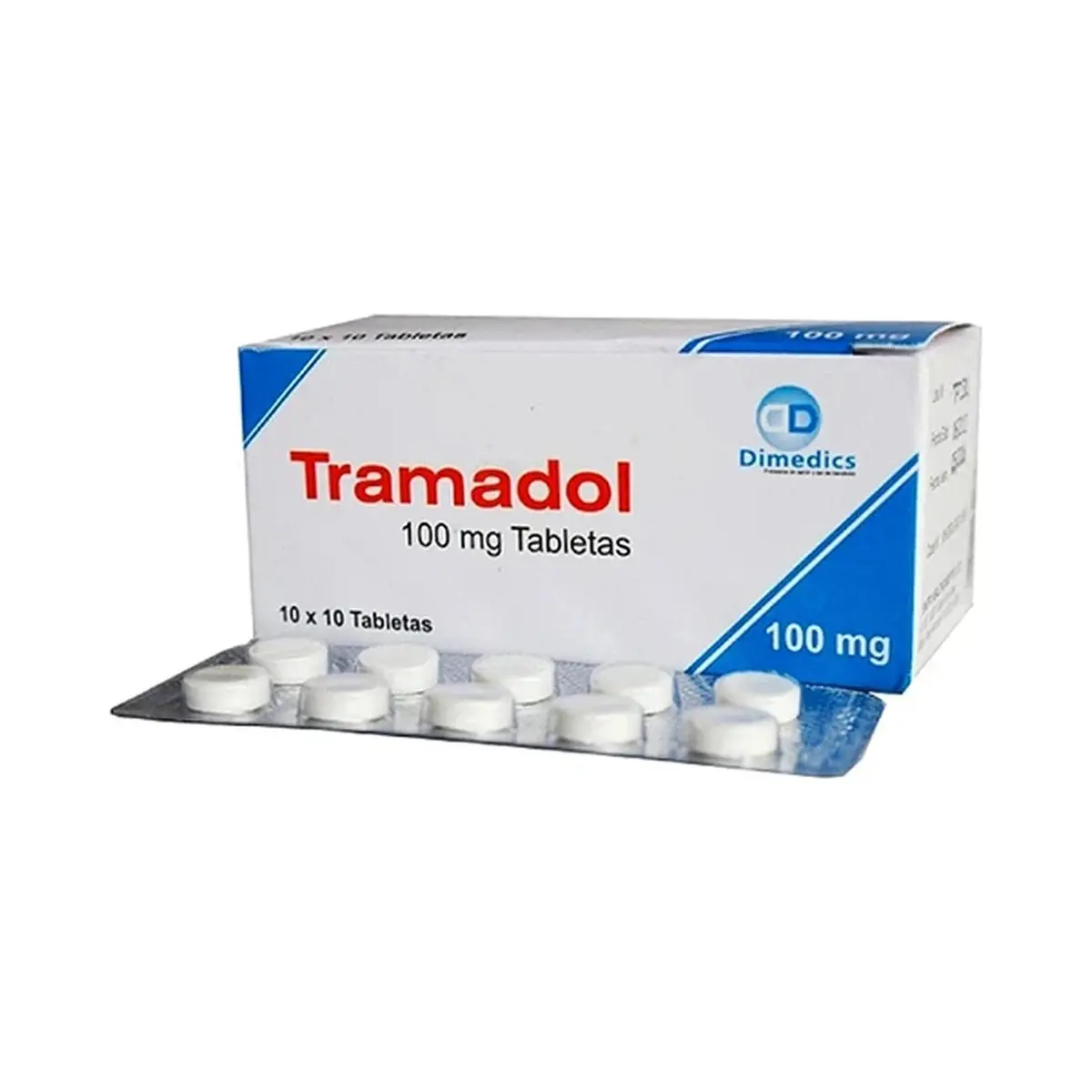
Tramhub is presented as a tramadol 200 mg tablet product. Tramadol is an opioid analgesic used for pain relief, with both opioid and non-opioid effects. The medicine is associated with clinically important safety risks, including dependence, respiratory depression, seizures, and serotonin syndrome.
Active Ingredient and Medicine Class
The verified active ingredient is tramadol. It is a centrally acting analgesic and is generally classified as an opioid analgesic. Scientific reviews describe tramadol as an atypical opioid with μ-opioid receptor activity and inhibition of serotonin and norepinephrine reuptake.
Established Medical Uses
Official prescribing information for tramadol tablets identifies use for the management of pain severe enough to require an opioid analgesic and for which alternative treatments are inadequate. Tramadol is used in adults for moderate to moderately severe pain in clinical practice, but exact approved indications can vary by country and product.
How It Works
Tramadol helps reduce pain by acting on opioid pathways in the central nervous system and by increasing the activity of serotonin and norepinephrine signalling. Its active metabolite contributes to opioid receptor effects, which helps explain its analgesic action.
Important Safety Information
Tramadol should not be used in patients with hypersensitivity to tramadol or opioids, in those taking monoamine oxidase inhibitors or who have taken them recently, or in situations where opioid use is contraindicated. Official labels warn about serious risks including addiction, abuse and misuse; life-threatening respiratory depression; seizures; serotonin syndrome; and adrenal and other opioid-related adverse effects. Important interaction risks include other CNS depressants, other serotonergic medicines, and mixed agonist-antagonist opioids, which may reduce analgesic effect or trigger withdrawal.
Possible Side Effects
Common adverse effects reported in clinical use include dizziness, nausea, constipation, headache, somnolence, vomiting and pruritus. Serious reactions can include severe sedation, breathing problems, seizures, allergic reactions, and serotonin syndrome.
Scientific Evidence
Peer-reviewed reviews and meta-analyses support tramadol as an analgesic with modest pain-relieving effects in some settings, while also showing an increased risk of adverse events. The evidence base indicates that benefits must be weighed against safety concerns, particularly in long-term or higher-risk use.
Medical Information Notice
This summary is for educational purposes only and is based on sources available at the time of review. It does not replace the official patient leaflet, local prescribing information, or assessment by a qualified healthcare professional.
Medical Sources
- DailyMed / FDA — Tramadol Hydrochloride tablet, film coated — prescribing information
- Raffa RB et al. — “What is the main mechanism of tramadol?” — Current Pharmaceutical Design (2016) — PubMed