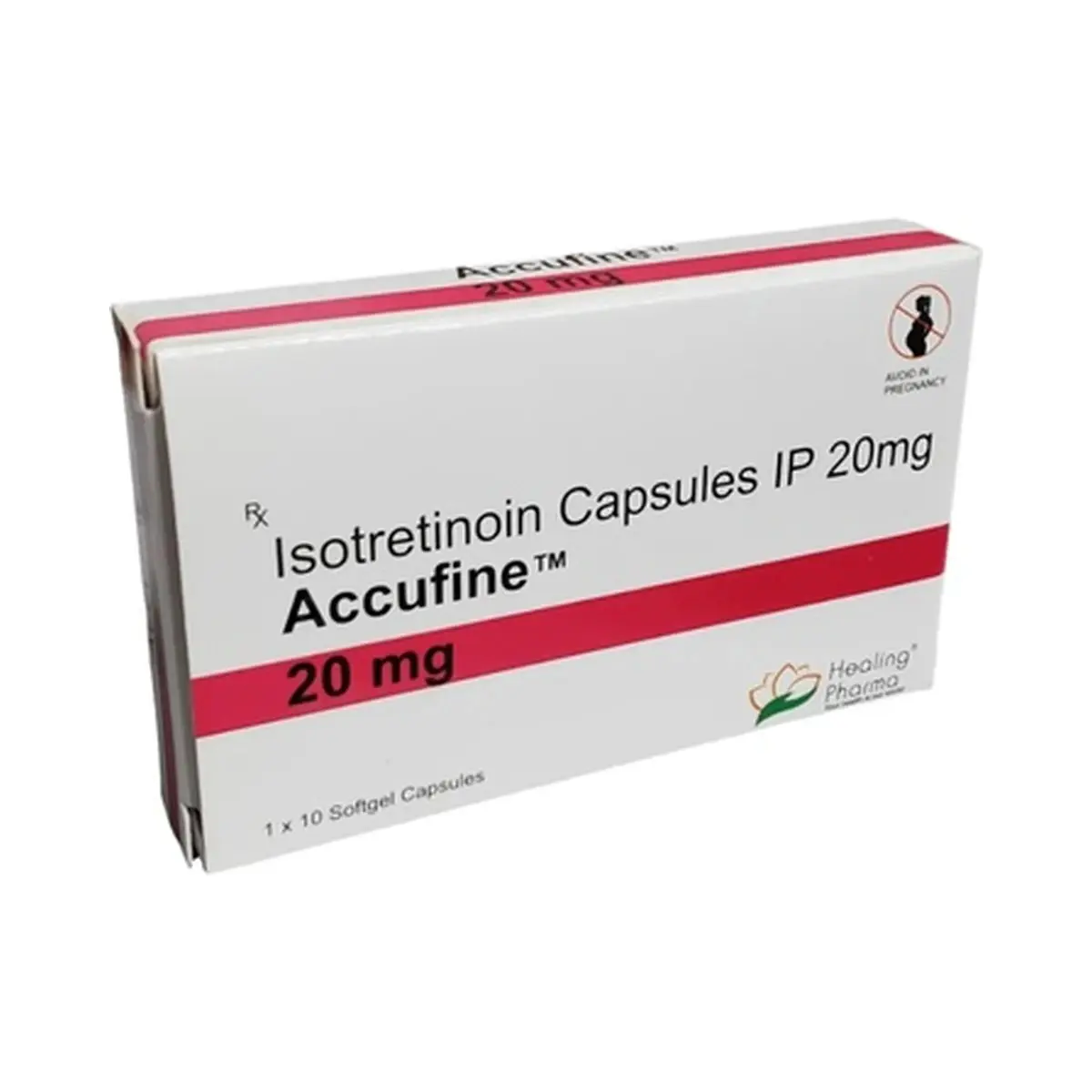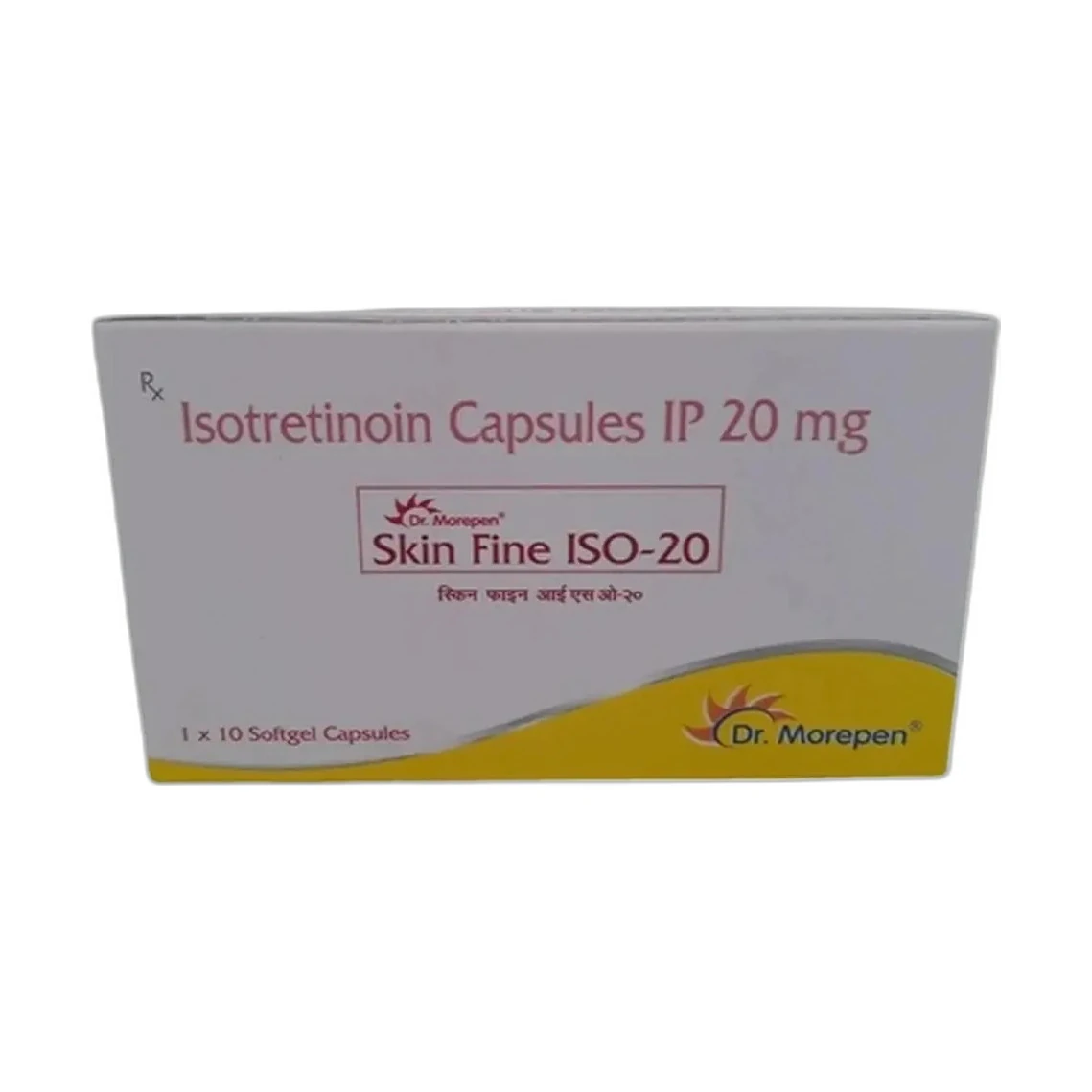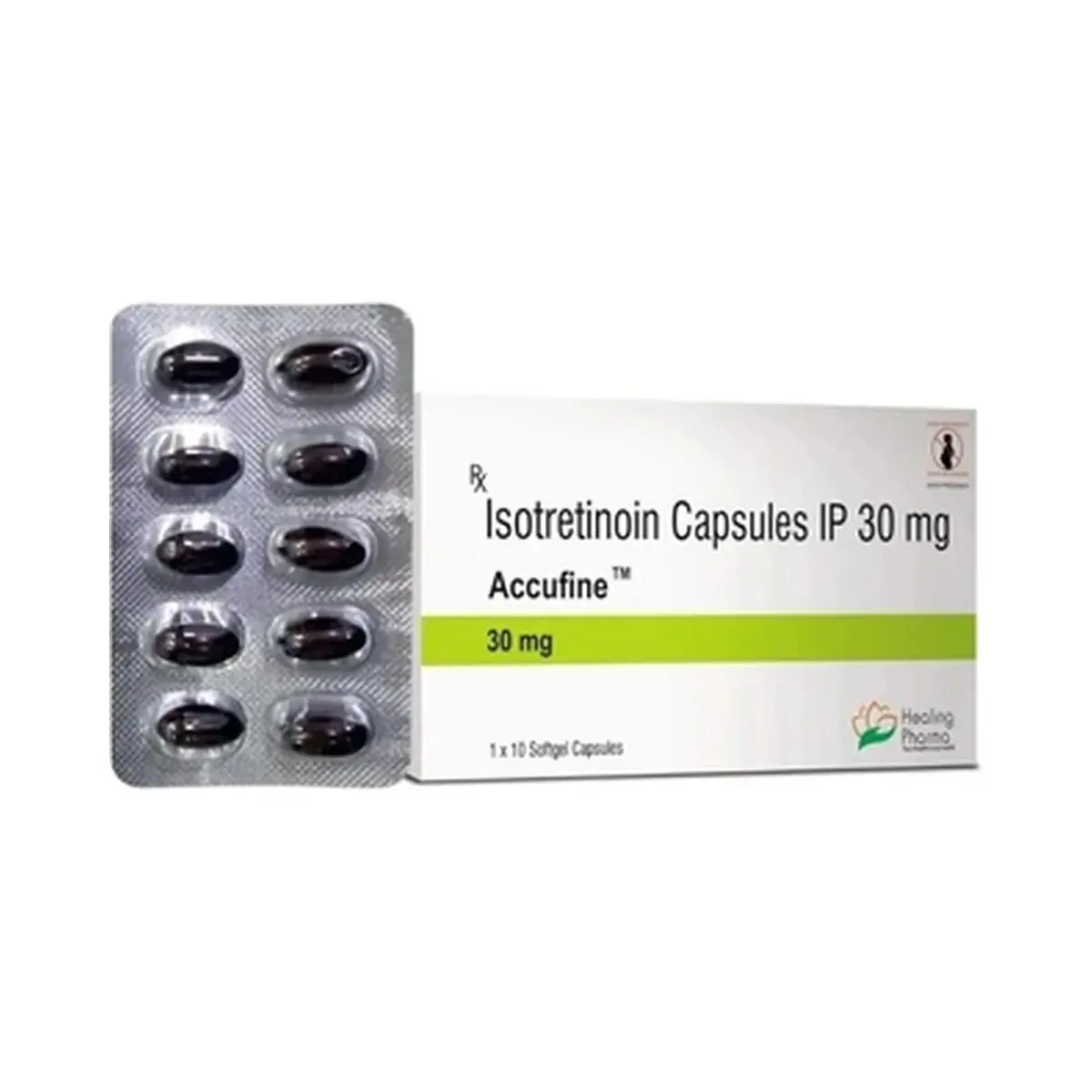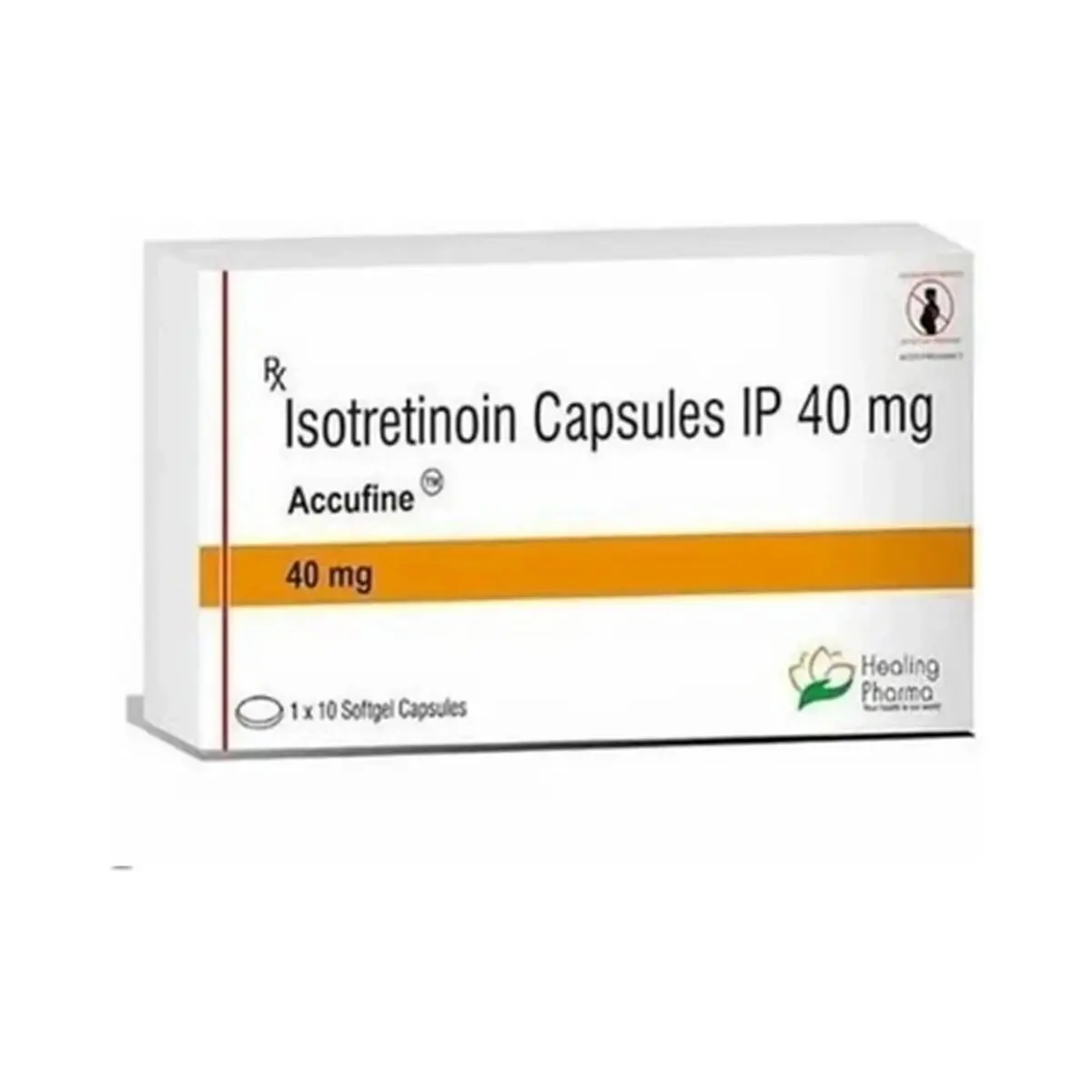
Description
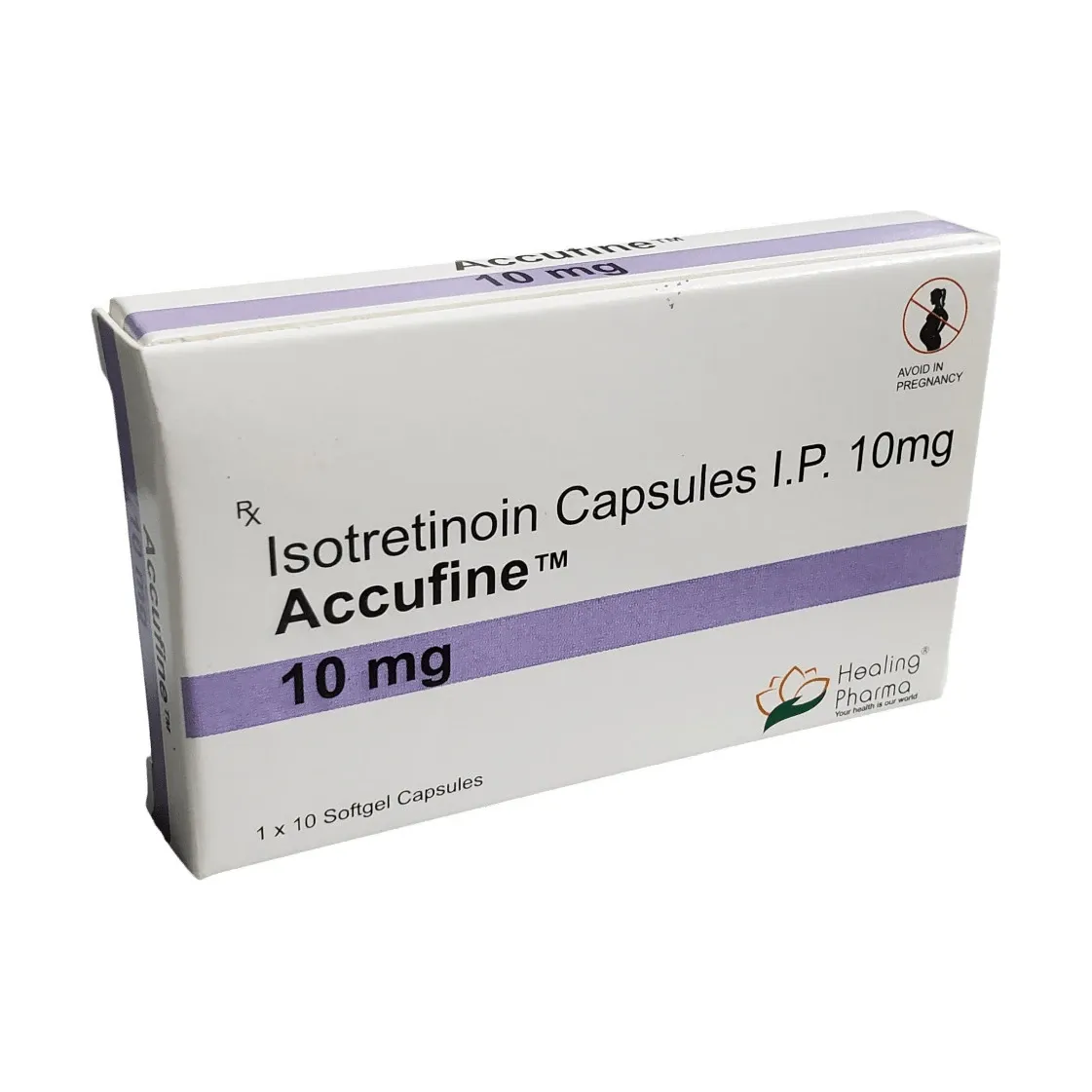
Accufine (Isotretinoin) 10 mg
Accufine 10 mg is listed as an oral isotretinoin capsule. Isotretinoin is a retinoid medicine used in dermatology for severe acne that has not responded adequately to conventional therapy. Regulatory prescribing information for isotretinoin capsules describes it as a treatment for severe recalcitrant nodular acne in appropriate patients, with important safety restrictions because of its potential for serious adverse effects.
Active Ingredient and Medicine Class
The verified active ingredient is isotretinoin, also known chemically as 13-cis-retinoic acid. It belongs to the retinoid class, which is related to vitamin A. Retinoids influence skin cell growth and differentiation and are used mainly in acne care.
Established Medical Uses
Oral isotretinoin is established for the treatment of severe, recalcitrant nodular acne. Official prescribing information indicates its use for patients whose acne has not responded to conventional therapy, including systemic antibiotics. It is reserved for serious acne because of the risk profile and the need for careful prescribing controls.
How It Works
Isotretinoin reduces acne through several related actions on the pilosebaceous unit. Prescribing information states that it inhibits sebaceous gland function and keratinization, with clinical improvement occurring alongside a reduction in sebum secretion. It also reduces sebaceous gland size and affects gland differentiation. Reviews in the medical literature describe additional anti-inflammatory and immunomodulatory effects that may contribute to benefit in acne.
Important Safety Information
Isotretinoin is contraindicated in pregnancy because it can cause severe fetal harm and life-threatening birth defects. It is also contraindicated in people with hypersensitivity to isotretinoin, vitamin A, or any capsule component. Important precautions include the risk of increased lipids, liver-related laboratory abnormalities, musculoskeletal effects, ocular effects such as reduced night vision or dry eyes, intracranial hypertension, serious skin reactions, inflammatory bowel disease, and rare hypersensitivity reactions.
Clinically significant interactions include vitamin A, which may increase adverse effects, and tetracyclines, which should not be used concomitantly because of the risk of intracranial hypertension. Prescribing information also lists interactions with phenytoin, systemic corticosteroids, and certain hormonal contraceptive components.
Possible Side Effects
Common adverse effects include dry lips, dry skin, cheilitis, dry eyes, back pain, arthralgia, headache, epistaxis, dermatitis, nasopharyngitis, increased creatine kinase, and reduced visual acuity. Serious reactions can include severe birth defects with pregnancy exposure, pancreatitis associated with very high triglycerides, severe skin reactions, vision changes, mood or neurologic symptoms reported in some patients, inflammatory bowel disease, and rare allergic reactions.
Scientific Evidence
Human reviews and clinical studies consistently support isotretinoin as one of the most effective treatments for severe acne, with the potential for prolonged remission. A 2020 review concluded that it can produce durable benefit in moderate to severe acne, while emphasizing that serious adverse events are uncommon but teratogenicity remains the most important risk. A 2021 review highlighted that isotretinoin’s bioavailability and clinical use are influenced by formulation, which may matter for treatment performance. Overall, the evidence base supports its established role in carefully selected patients, balanced against well-recognized safety concerns.
Medical Information Notice
This page is an educational summary based on sources available at the time of review. It does not replace the official patient leaflet, product labeling, or assessment by a qualified healthcare professional.
Medical Sources
- U.S. Food and Drug Administration / DailyMed Isotretinoin Capsules, prescribing information. View official prescribing information
- U.S. Food and Drug Administration ABSORICA (isotretinoin) capsules, label. View FDA label
- Edileia Bagatin et al. The use of isotretinoin for acne – an update on optimal dosing, surveillance, and adverse effects. Expert Review of Clinical Pharmacology, 2020. View scientific article
- Risha Bellomo et al. New Formulations of Isotretinoin for Acne Treatment: Expanded Options and Clinical Implications. Journal of Clinical and Aesthetic Dermatology, 2021. View scientific article