Description
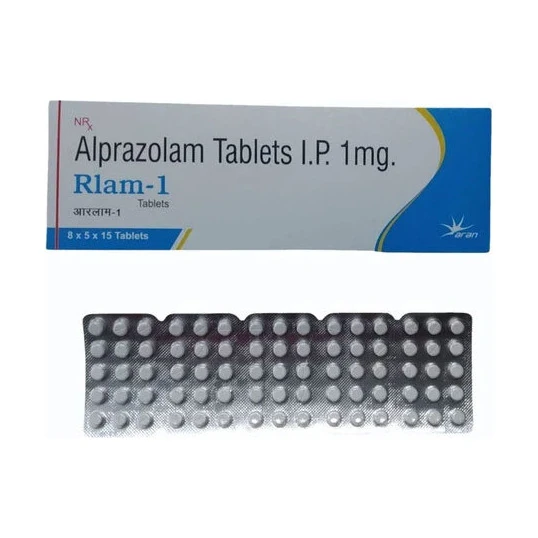
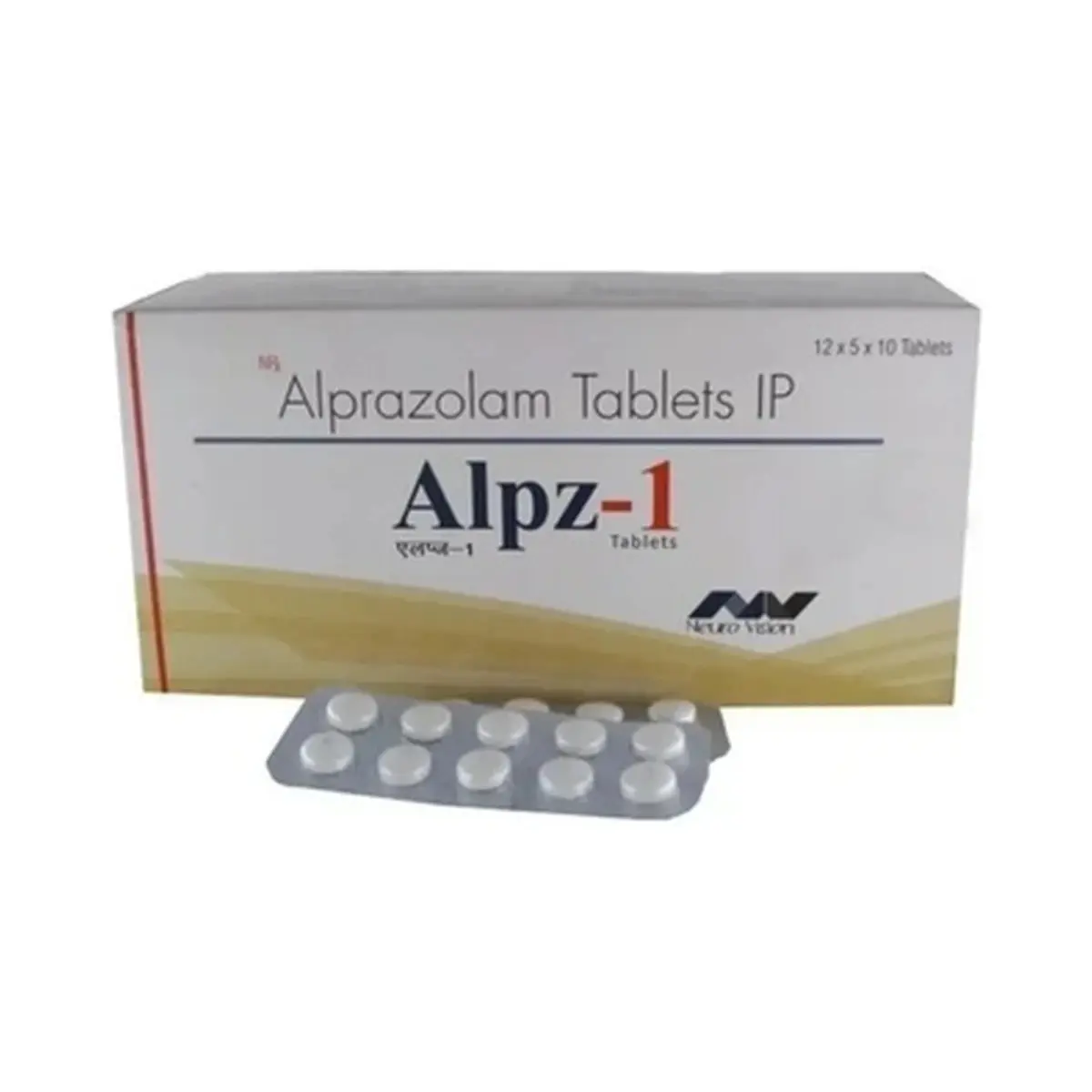
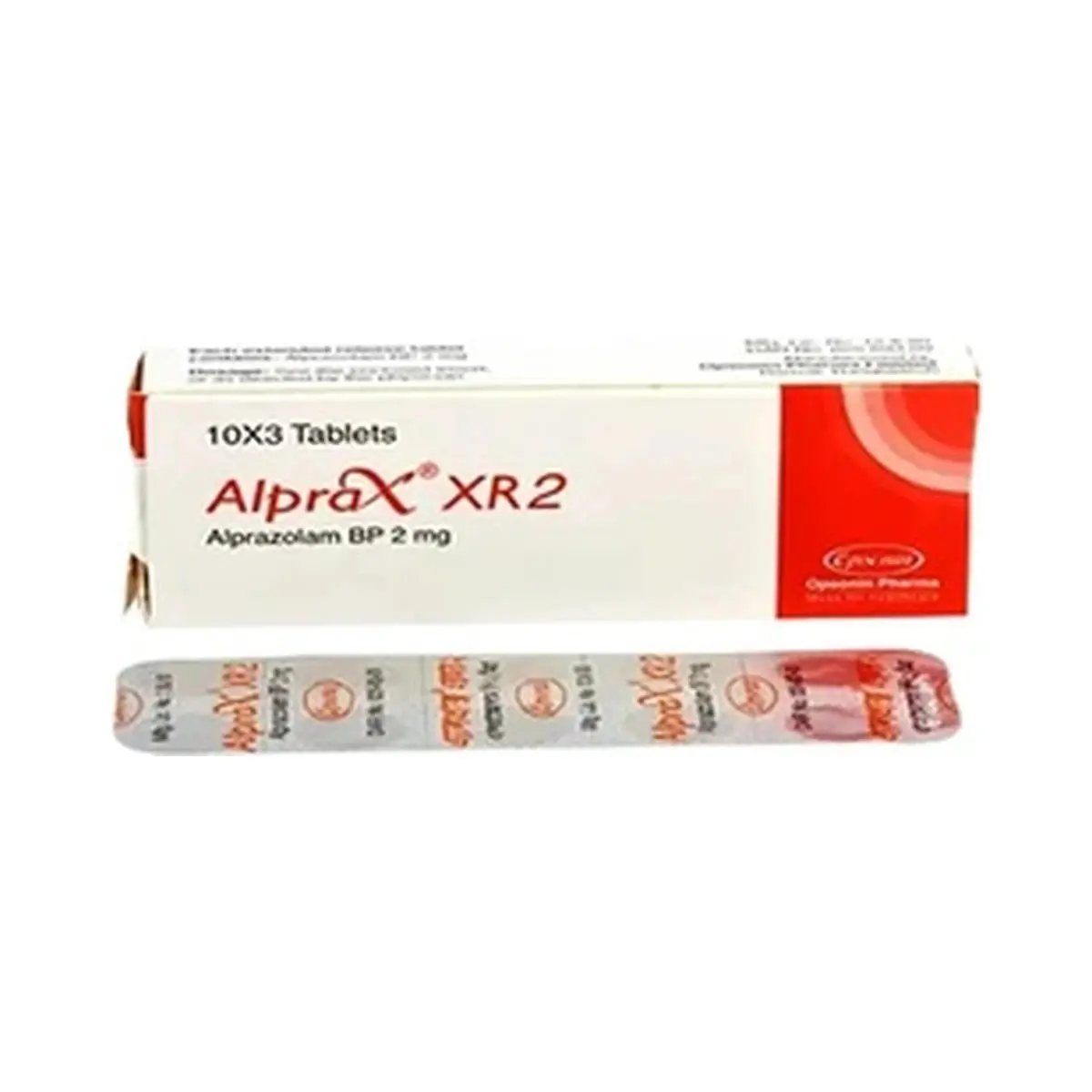
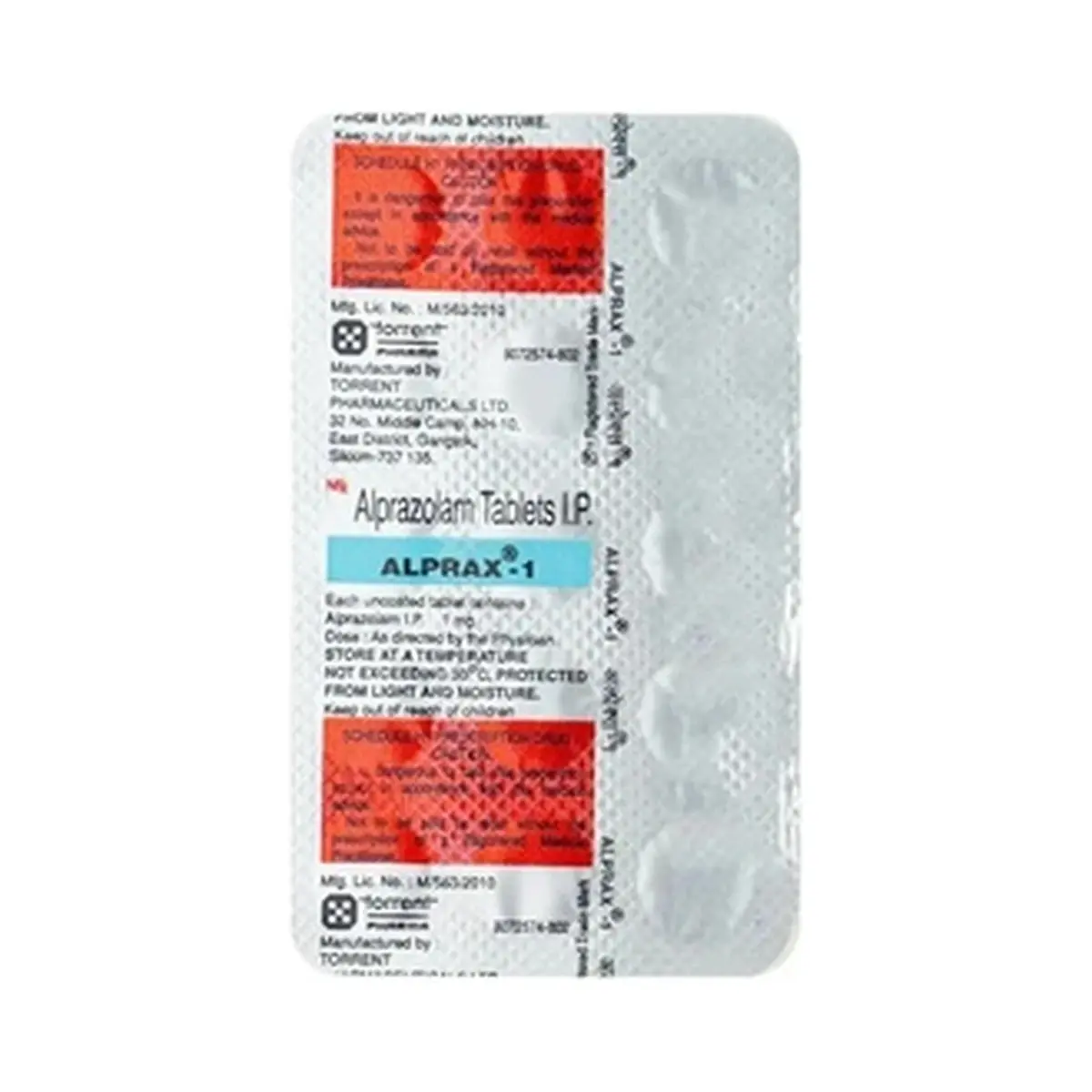
Alprax XR (Alprazolam) 1 mg
Alprax XR 1 mg is described as an extended-release alprazolam tablet. Alprazolam is a benzodiazepine medicine used in adults for panic disorder with or without agoraphobia. Extended-release formulations are designed to release the active ingredient more gradually than immediate-release tablets.
Active Ingredient and Medicine Class
The verified active ingredient is alprazolam. It belongs to the benzodiazepine class of central nervous system depressants. In this formulation, the tablet is intended for extended release, meaning drug exposure is spread over a longer period than with standard immediate-release products.
Established Medical Uses
Established prescribing information supports alprazolam extended-release tablets for the treatment of panic disorder with or without agoraphobia in adults. The available evidence and official labeling do not support describing it as a general treatment for all types of anxiety disorders.
How It Works
Alprazolam works by binding to the benzodiazepine site on GABA-A receptors in the brain and enhancing GABA-mediated inhibitory signalling. This calming effect can reduce panic symptoms and associated nervous system overactivity. As an extended-release product, the medicine is absorbed more slowly, which helps prolong exposure compared with immediate-release alprazolam.
Important Safety Information
Alprazolam has important safety limitations because it can cause sedation, dependence, and withdrawal reactions. It is contraindicated in people with known hypersensitivity to alprazolam or other benzodiazepines, and in patients taking strong CYP3A inhibitors such as certain azole antifungals, except ritonavir in specific circumstances.
Clinically significant interactions are also a concern with opioids, alcohol, and other central nervous system depressants, because combined use can increase the risk of profound sedation and breathing suppression. Alprazolam is extensively metabolized by CYP3A4, so medicines that inhibit or induce this pathway may change alprazolam exposure. Caution is also warranted in patients with depression, respiratory impairment, or a history of substance misuse.
Because benzodiazepine treatment can lead to physical dependence, abrupt discontinuation or rapid dose reduction may trigger withdrawal symptoms, including severe reactions such as seizures.
Possible Side Effects
Commonly reported adverse effects with alprazolam extended-release tablets include somnolence, memory impairment, dysarthria, coordination problems, ataxia, decreased libido, constipation, and nausea. Dizziness, sedation, and impaired alertness are also clinically important.
Serious reactions can include respiratory depression, severe CNS depression, angioedema, mania or hypomania, severe withdrawal phenomena, misuse or addiction, and overdose-related coma or death, particularly when combined with other depressant medicines or alcohol.
Scientific Evidence
Clinical trials and reviews have found that extended-release alprazolam can be effective for panic disorder and may provide symptom control comparable to immediate-release alprazolam, while offering a longer duration of effect. Published research also supports the rationale for extended-release benzodiazepine formulations as a way to reduce interdose anxiety and improve convenience.
At the same time, the broader benzodiazepine literature emphasizes the risks of tolerance, dependence, withdrawal, and drug interactions. For this reason, alprazolam XR is generally viewed as a symptom-relieving medicine with meaningful safety limitations rather than a treatment without long-term risk.
Medical Information Notice
This page is an educational summary based on sources available at the time of review. It does not replace the official patient leaflet, prescribing information, or individual assessment by a qualified healthcare professional.
Medical Sources
- DailyMed, U.S. National Library of Medicine. Alprazolam extended-release tablets, full prescribing information
- Ehud Klein. The role of extended-release benzodiazepines in the treatment of anxiety: a risk-benefit evaluation with a focus on extended-release alprazolam. J Clin Psychiatry, 2002. View scientific article
- J Pecknold et al. A double-blind, placebo-controlled, multicenter study with alprazolam and extended-release alprazolam in the treatment of panic disorder. J Clin Psychopharmacol, 1994. View scientific article