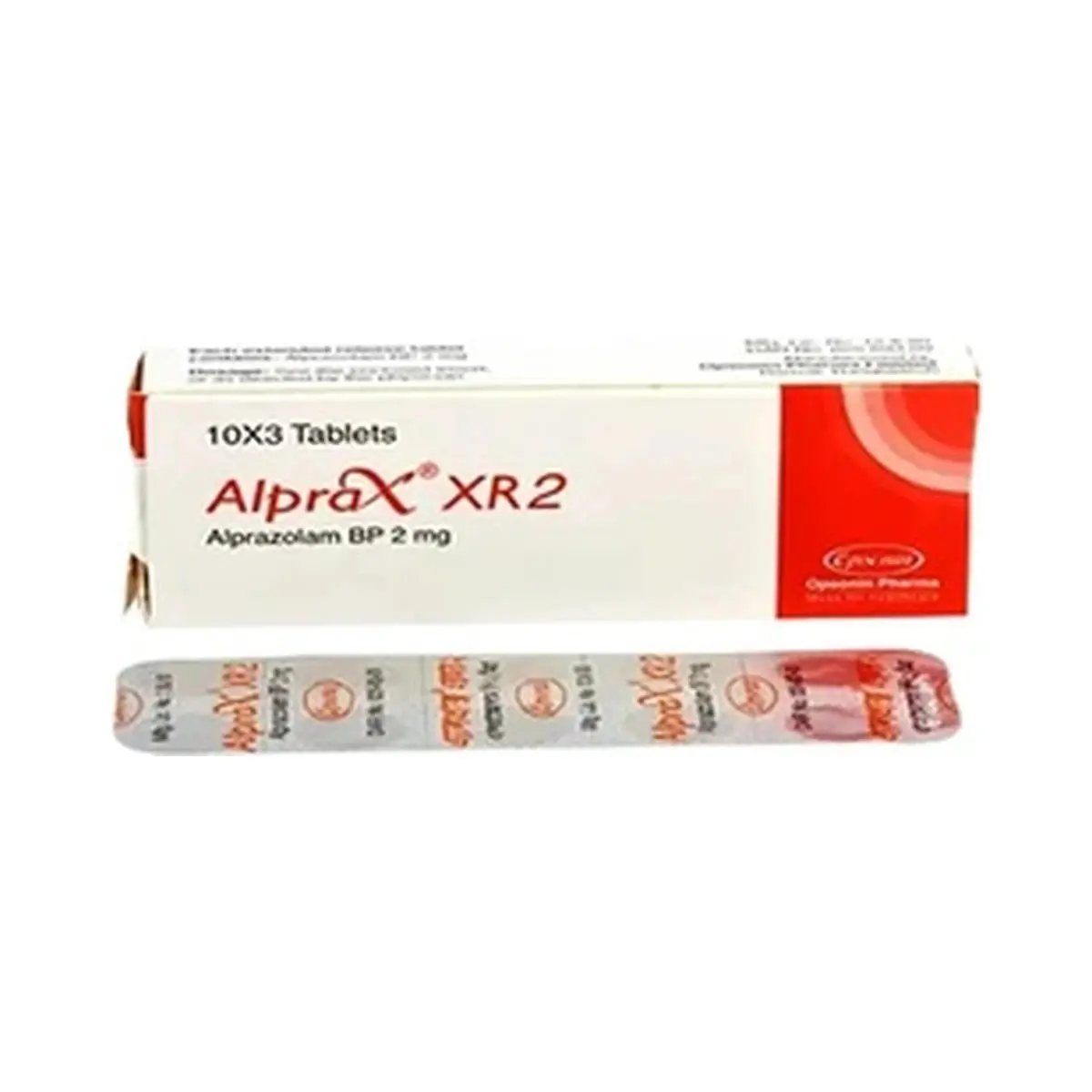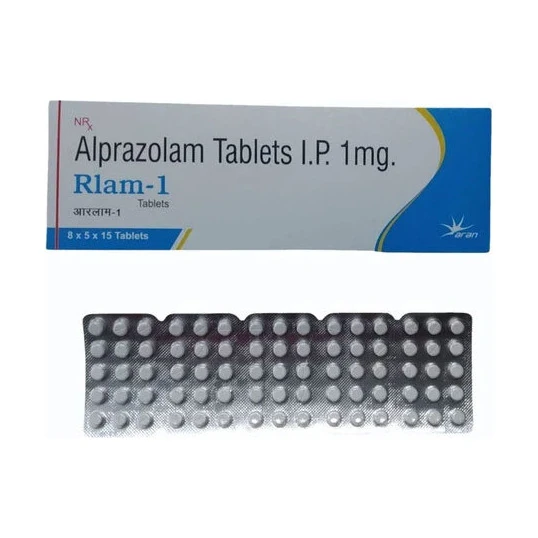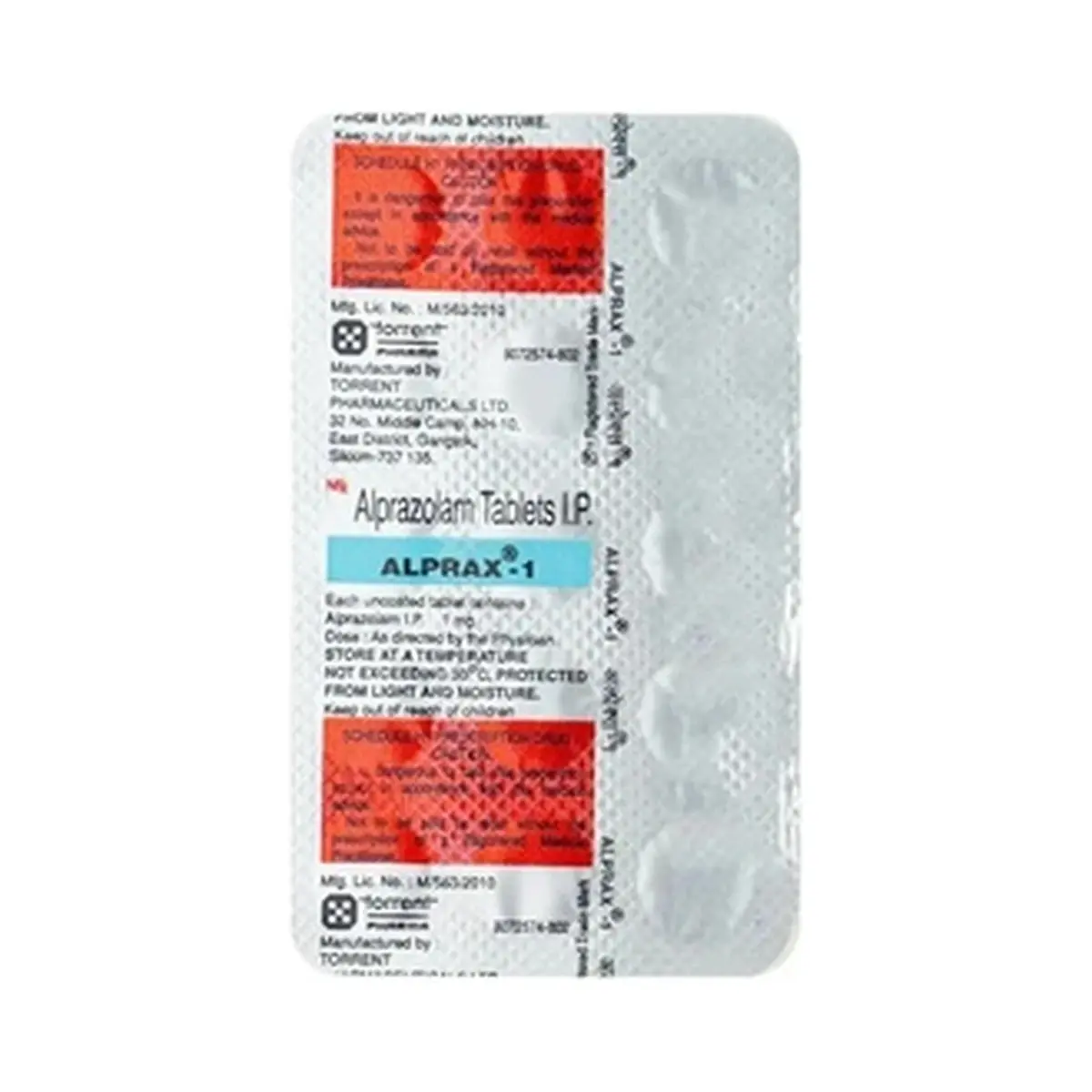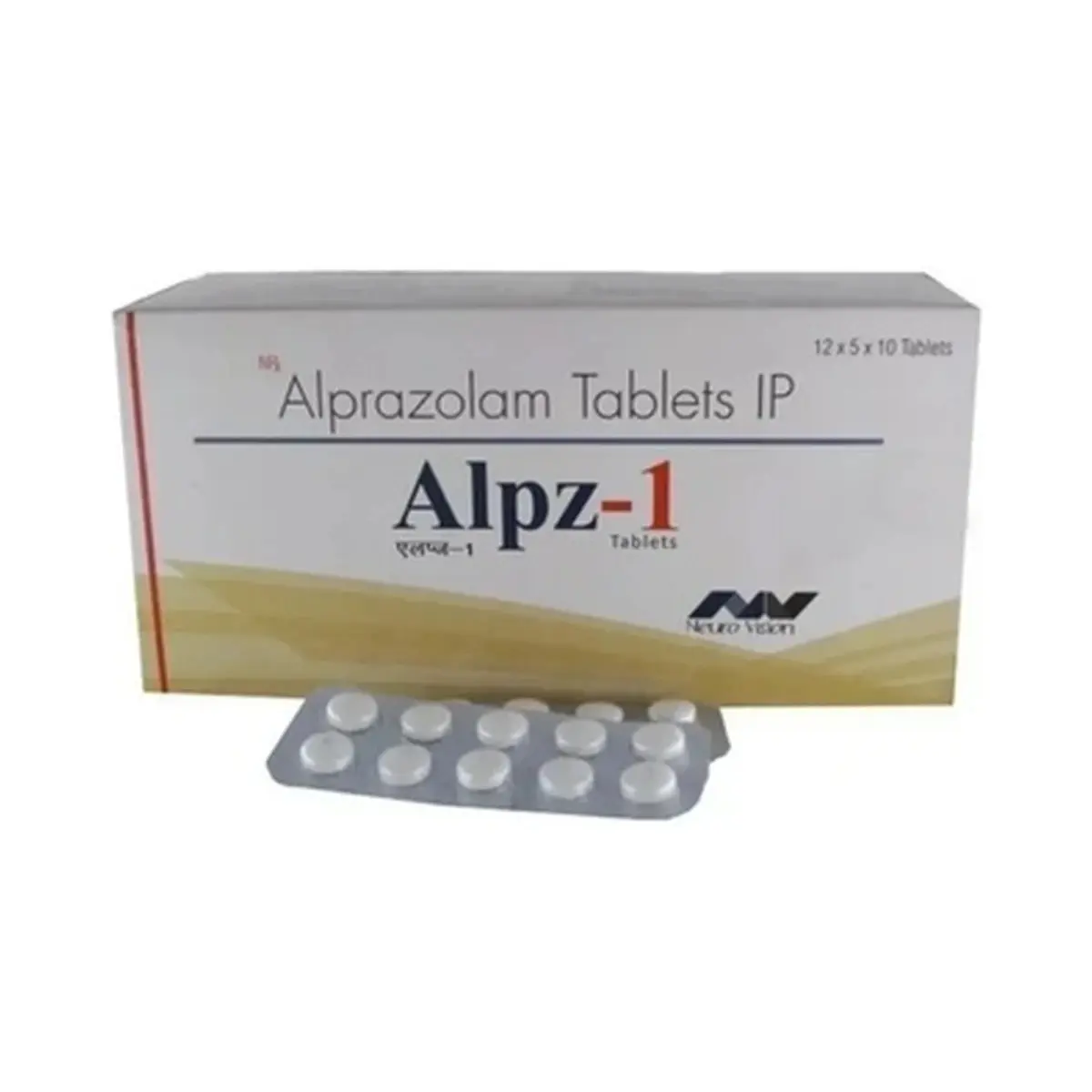
Description
Alpz (Alprazolam) 1 mg
Alpz 1 mg is a tablet medicine containing alprazolam, a benzodiazepine used for the acute treatment of generalized anxiety disorder and for panic disorder, with or without agoraphobia, in adults. The 1 mg strength identifies the tablet strength; it does not imply a recommended dose for any individual patient.
Active Ingredient and Medicine Class
The verified active ingredient is alprazolam. It belongs to the benzodiazepine class of central nervous system depressants. Alprazolam is a triazolo-benzodiazepine and is supplied as an oral tablet in multiple strengths, including 1 mg.
Established Medical Uses
Official prescribing information identifies two established uses in adults: short-term treatment of generalized anxiety disorder and treatment of panic disorder, with or without agoraphobia. Benzodiazepines are generally associated with a need for careful reassessment because of dependence, tolerance, and withdrawal risks, especially when treatment continues beyond the period for which benefit clearly outweighs risk.
How It Works
Alprazolam acts in the brain by binding to the benzodiazepine site on GABA-A receptors and enhancing the effect of gamma-aminobutyric acid, the main inhibitory neurotransmitter in the central nervous system. This increases inhibitory signaling and helps reduce excessive anxiety-related nervous system activity. Because it is a central nervous system depressant, it can also cause sedation and psychomotor slowing.
Important Safety Information
Alprazolam is contraindicated in people with known hypersensitivity to alprazolam or other benzodiazepines. It should not be used with certain strong CYP3A inhibitors, such as ketoconazole or itraconazole, because these can markedly increase alprazolam exposure. Clinically important interactions also occur with opioids and other central nervous system depressants, which can increase the risk of profound sedation and respiratory depression. Other important precautions include a risk of abuse, misuse, physical dependence, and potentially severe withdrawal reactions if treatment is stopped too quickly after continued use. Caution is also warranted in patients with liver disease, impaired respiratory function, depression, or a history of substance misuse.
Possible Side Effects
Commonly reported adverse effects include drowsiness, fatigue, impaired coordination, dizziness, memory impairment, dysarthria, hypotension, irritability, and increased libido. More serious reactions can include severe sedation, breathing problems, confusion, falls, paradoxical behavioral changes, suicidal thoughts or worsening mood symptoms, and withdrawal symptoms such as anxiety, tremor, insomnia, seizures, or other severe reactions after abrupt reduction or discontinuation.
Scientific Evidence
Clinical literature supports alprazolam as an effective benzodiazepine option for panic disorder, and comparative evidence suggests it is broadly similar in efficacy to other benzodiazepines for reducing panic symptoms. Review literature also emphasizes that while alprazolam can be clinically useful, its dependence and withdrawal profile limits long-term use. Scientific reviews additionally describe its established role in anxiety and panic disorders and its pharmacology as a potent benzodiazepine with clinically important interaction potential.
Medical Information Notice
This summary is based on sources available at the time of review and is intended for educational use only. It does not replace the official patient leaflet, prescribing information, or assessment by a qualified healthcare professional.
Medical Sources
- DailyMed / U.S. National Library of Medicine. Alprazolam tablets, full prescribing information
- DailyMed / U.S. National Library of Medicine. Alprazolam tablets, highlights of prescribing information
- S Kasper et al. Panic disorder: the place of benzodiazepines and selective serotonin reuptake inhibitors. Eur Neuropsychopharmacol, 2001. View scientific article
- J K S No authors listed in source confirmation unavailable for lead attribution. The efficacy and safety of alprazolam versus other benzodiazepines in the treatment of panic disorder. Journal of Clinical Psychopharmacology, 2011. View scientific article
- M Schweizer et al. A review of alprazolam use, misuse, and withdrawal. Journal not verified in source snippet. View scientific article