Description
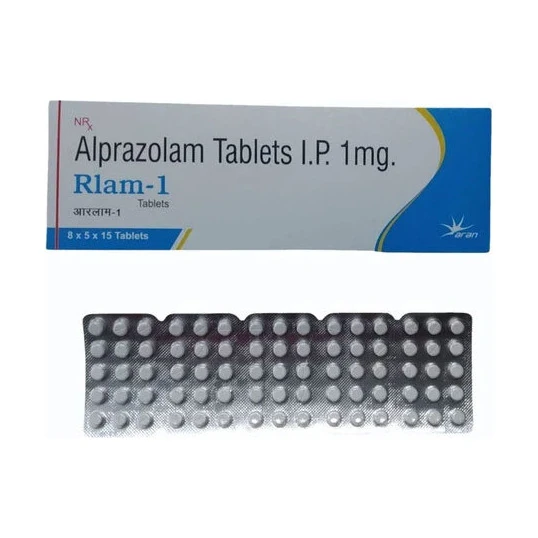
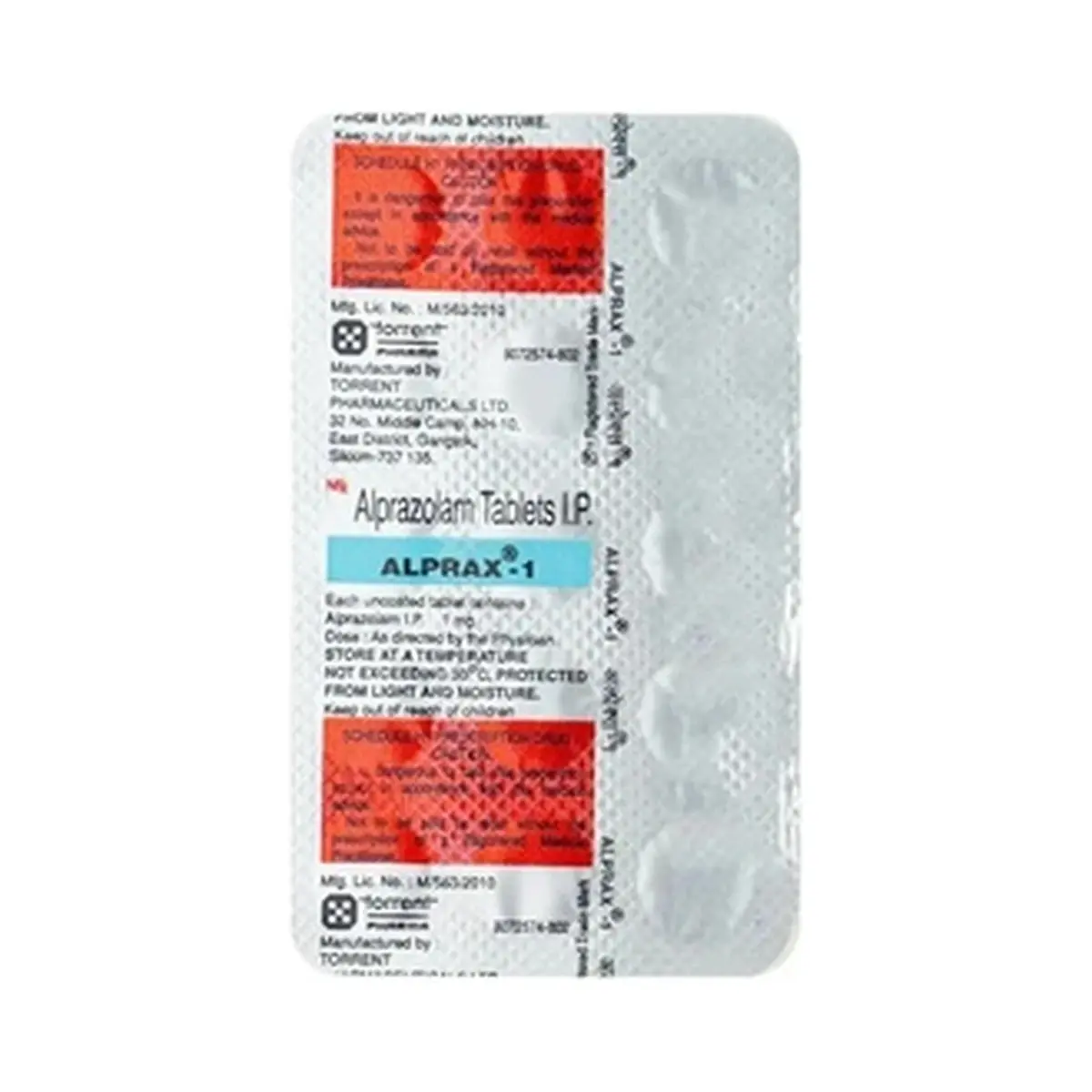
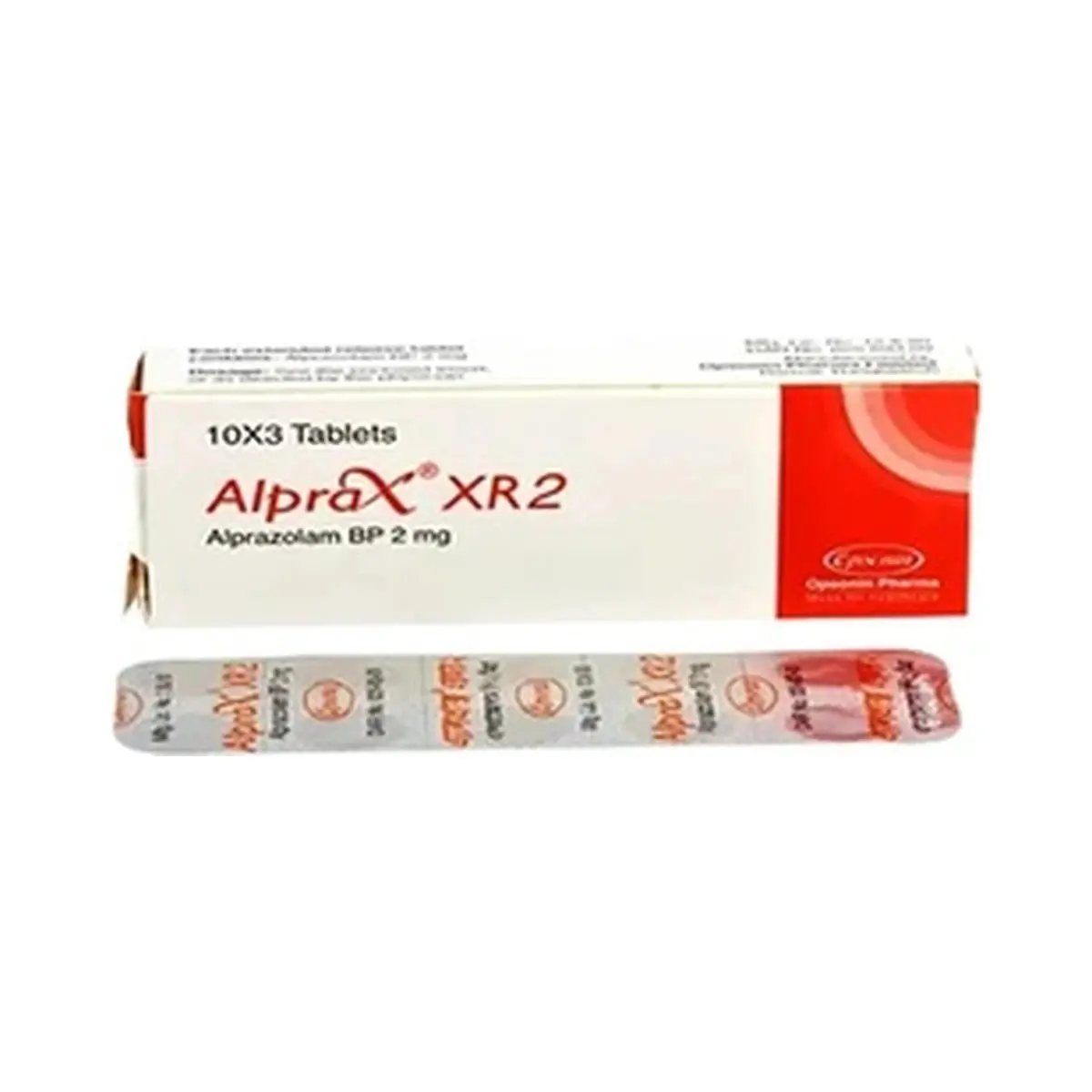
Alprax XR (Alprazolam) 2 mg
This page describes alprazolam extended-release tablets, a benzodiazepine medicine used for anxiety-related disorders. The supplied trade name could not be independently verified from authoritative sources, so the summary is based on the confirmed active ingredient and extended-release oral tablet formulation.
Active Ingredient and Medicine Class
The verified active ingredient is alprazolam. It belongs to the benzodiazepine class of medicines and acts on the central nervous system. The extended-release formulation is designed to release the medicine gradually over time rather than all at once.
Established Medical Uses
Authoritative prescribing information identifies alprazolam extended-release tablets for the treatment of panic disorder, with or without agoraphobia, in adults. Scientific literature also discusses its use in panic symptoms and anxiety disorders, but the officially established indication is panic disorder.
How It Works
Alprazolam enhances the effect of gamma-aminobutyric acid (GABA), a naturally occurring inhibitory neurotransmitter in the brain. By strengthening GABA-mediated calming activity, it can reduce excessive nervous system excitation and help lessen panic and anxiety symptoms. The extended-release form is intended to provide a longer duration of effect than immediate-release alprazolam.
Important Safety Information
Alprazolam carries important safety warnings typical of benzodiazepines. It is contraindicated with strong CYP3A inhibitors such as certain azole antifungals, because these can markedly increase alprazolam exposure. Clinically significant interactions also occur with opioids, other central nervous system depressants, and some medicines that affect CYP3A metabolism, increasing the risk of sedation or respiratory depression. Prescribing information also warns about abuse, misuse, dependence, and withdrawal reactions, and advises caution in people with depression, impaired respiratory function, or liver problems.
Possible Side Effects
Common adverse effects reported with alprazolam extended-release tablets include sedation, somnolence, memory impairment, dysarthria, abnormal coordination, ataxia, decreased libido, constipation, and nausea. Drowsiness and impaired alertness are clinically important because they may affect everyday activities. Serious reactions can include marked CNS depression, respiratory depression when combined with opioids or alcohol, severe allergic reactions, and withdrawal symptoms if the medicine is stopped after regular use.
Scientific Evidence
Clinical trial evidence supports alprazolam extended-release tablets for panic disorder. A multicenter placebo-controlled study found that once-daily extended-release alprazolam was more effective than placebo and performed similarly to regular alprazolam in panic-related outcomes. A later review concluded that extended-release benzodiazepine formulations were developed to improve duration of effect and may reduce breakthrough anxiety, while still requiring careful attention to dependence and discontinuation risks.
Medical Information Notice
This summary is an educational overview based on sources available at the time of review. It does not replace the official patient leaflet, full prescribing information, or an individual assessment by a qualified healthcare professional.
Medical Sources
- U.S. Food and Drug Administration. XANAX XR (alprazolam) extended-release tablets, for oral use, CIV. View official prescribing information
- DailyMed. Alprazolam tablet, extended release. View official label
- J Pecknold et al. A double-blind, placebo-controlled, multicenter study with alprazolam and extended-release alprazolam in the treatment of panic disorder. J Clin Psychopharmacol, 1994. View scientific article
- Ehud Klein. The role of extended-release benzodiazepines in the treatment of anxiety: a risk-benefit evaluation with a focus on extended-release alprazolam. J Clin Psychiatry, 2002. View scientific article