Description
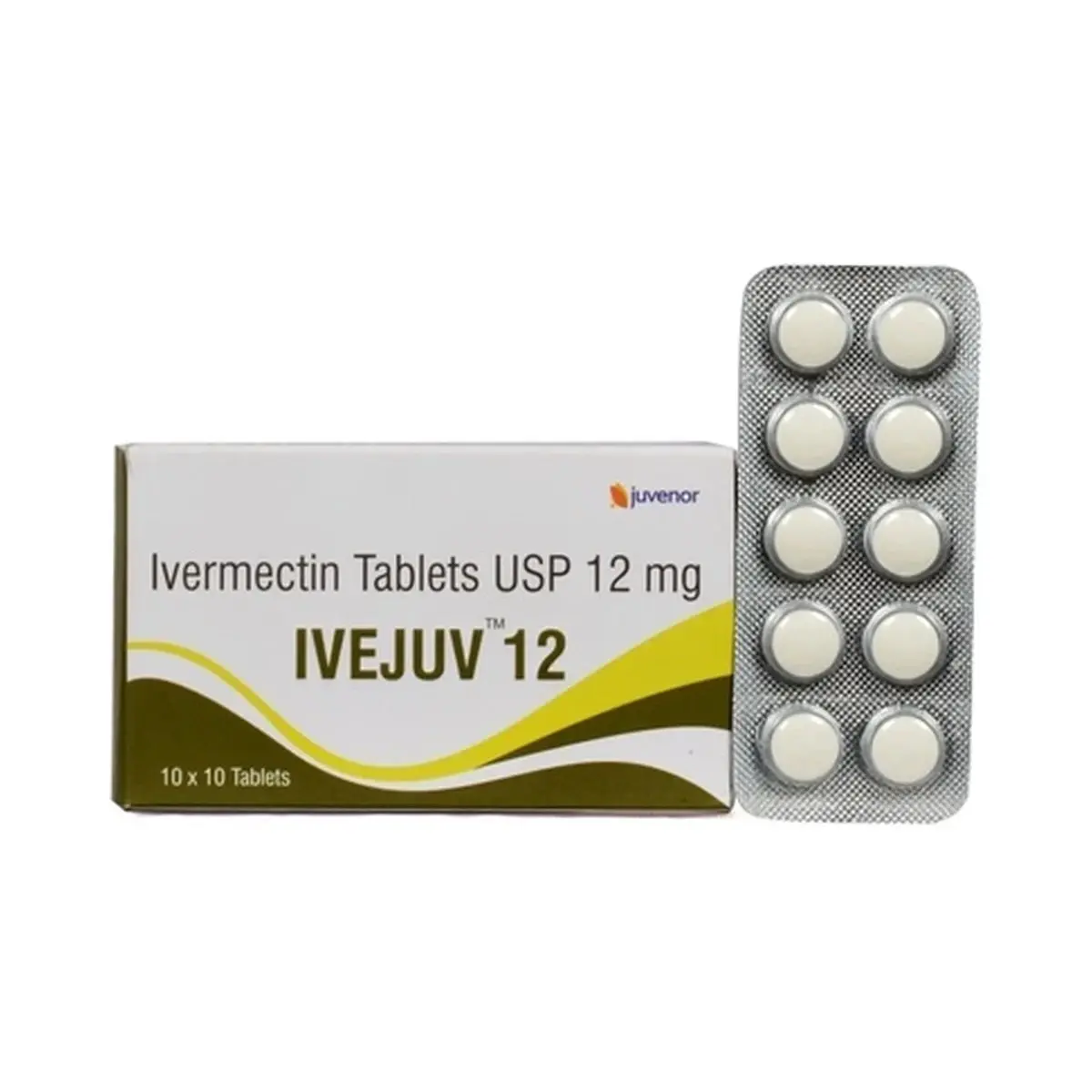
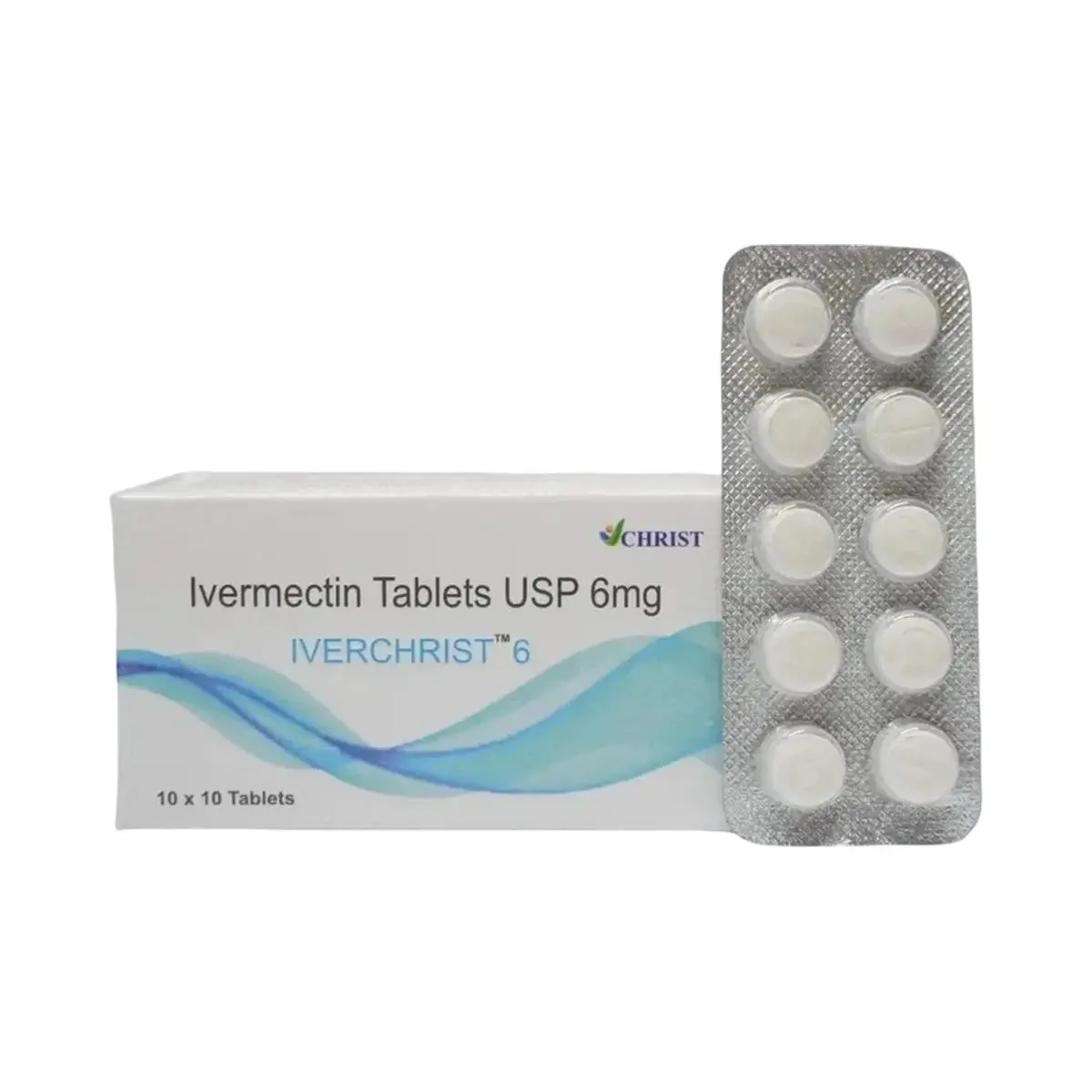
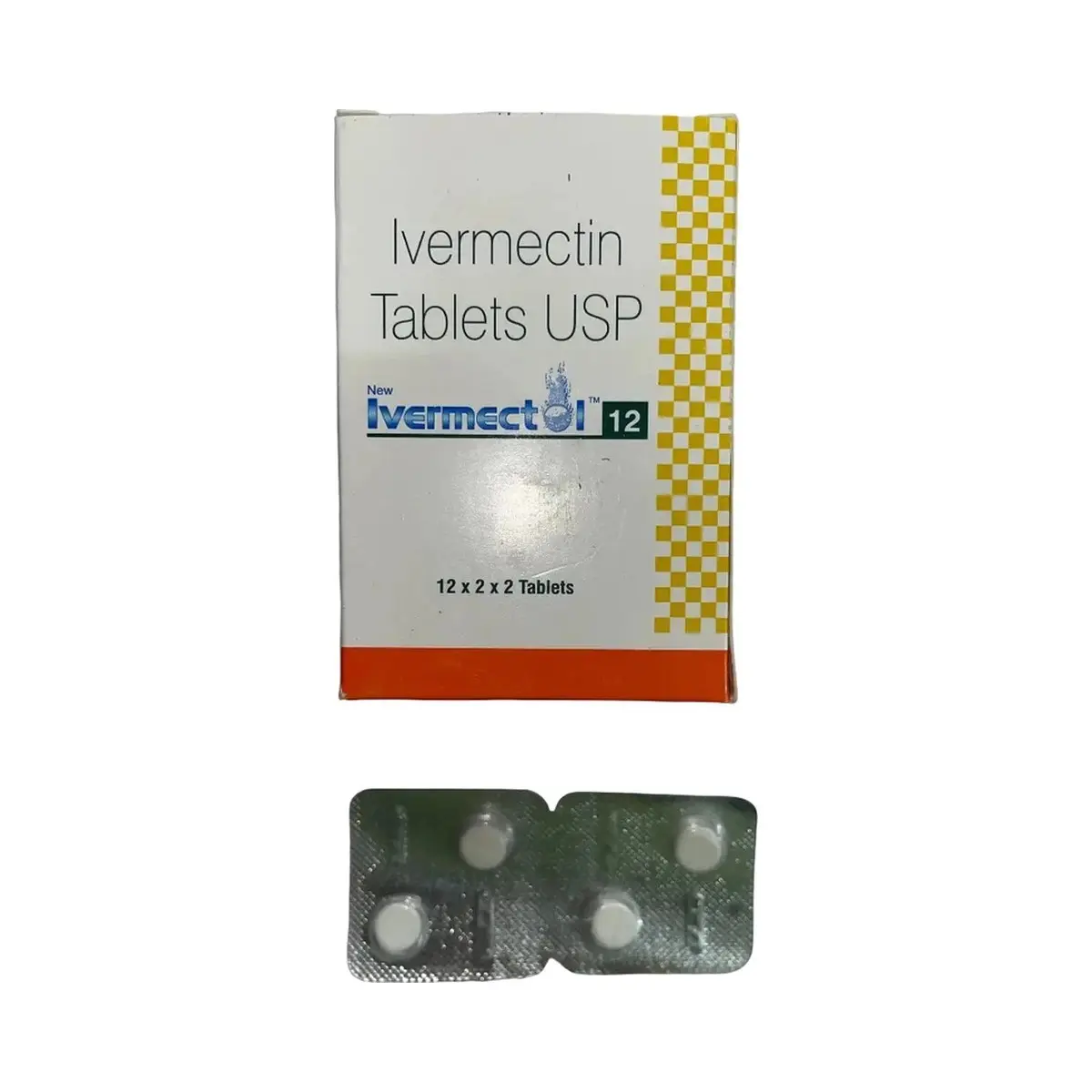
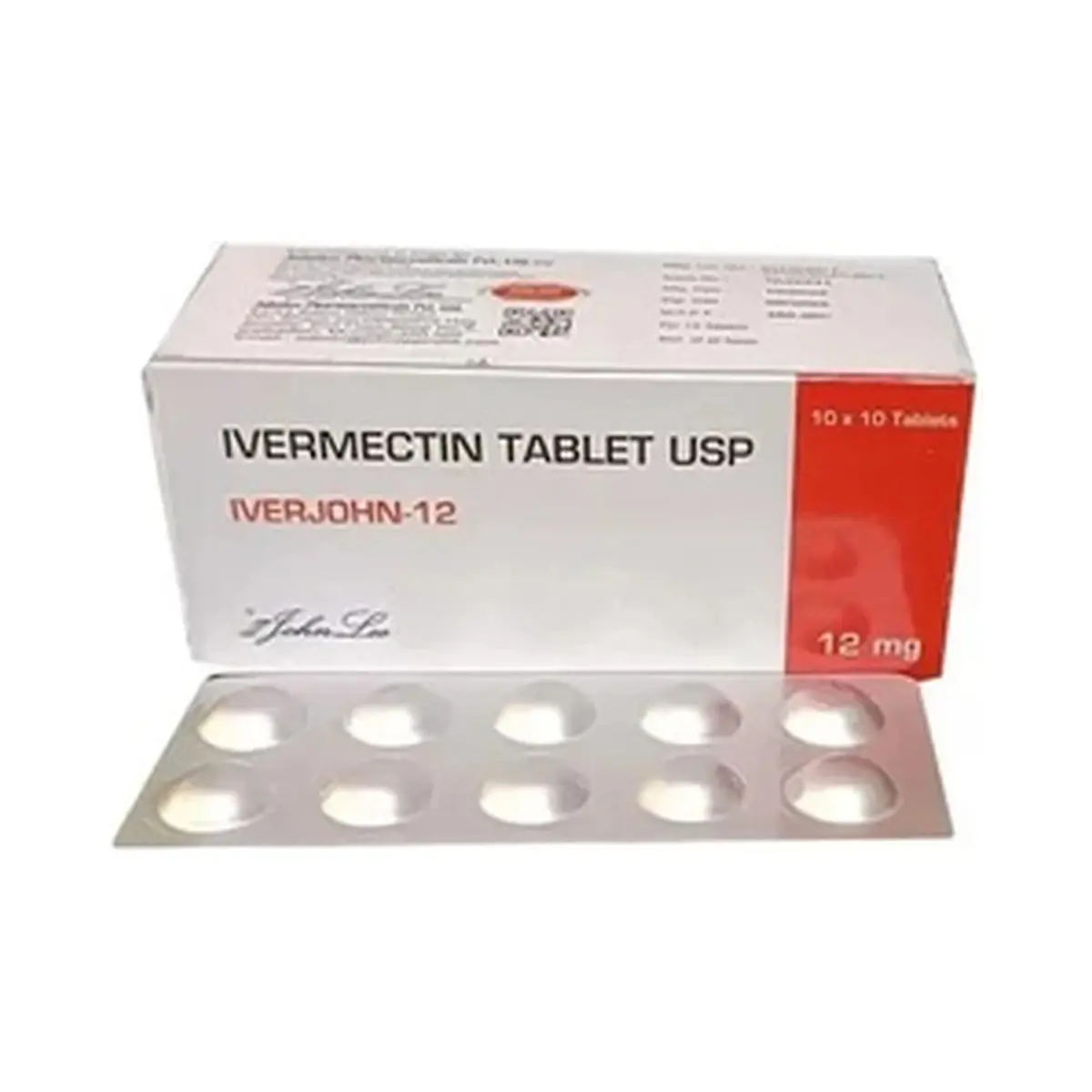
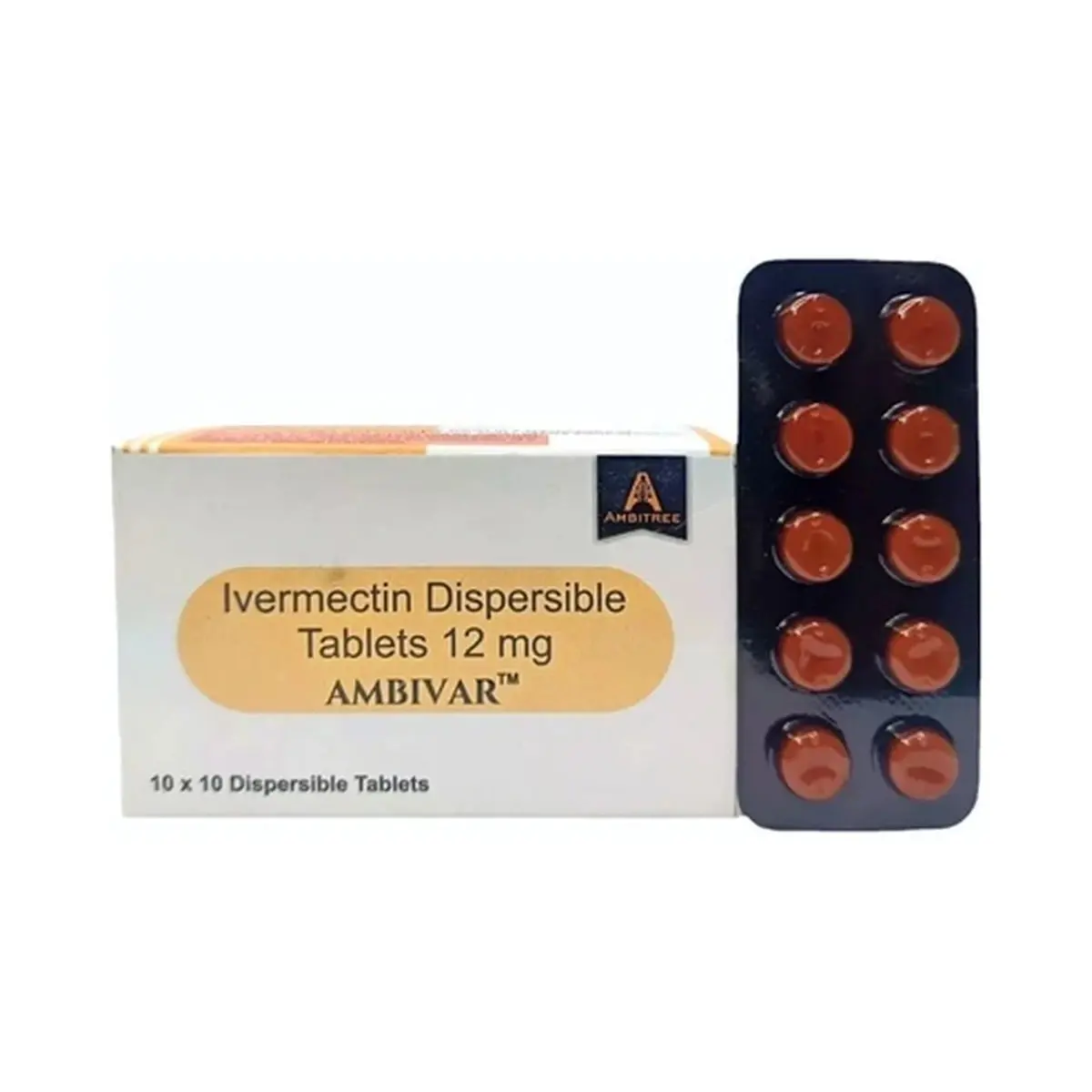
Ambivar (Ivermectin) 12 mg
Ambivar 12 mg is an ivermectin medicine. Ivermectin is a well-established antiparasitic agent used in human medicine for certain parasitic infections. The product name “Ambivar” was not independently verified from official sources, so this overview is based on the verified active ingredient ivermectin.
Active Ingredient and Medicine Class
The active ingredient is ivermectin, an antiparasitic medicine in the macrocyclic lactone class. It acts against several nematode and ectoparasite species.
Established Medical Uses
Official US prescribing information identifies ivermectin tablets for the treatment of intestinal strongyloidiasis due to Strongyloides stercoralis and onchocerciasis due to Onchocerca volvulus. Human reviews also describe use in other parasitic conditions such as scabies and some filarial infections, but these uses depend on local guidance and are not always included in product labeling.
How It Works
Ivermectin works by binding to parasite-specific chloride channels, especially glutamate-gated ion channels, which increases cell membrane permeability, causes paralysis, and leads to death of susceptible parasites. Reviews also describe effects on other ligand-gated ion channels in parasites.
Important Safety Information
Ivermectin should not be used in people with known hypersensitivity to ivermectin or any component of the medicine. In onchocerciasis, treatment can trigger inflammatory reactions related to dying microfilariae, including skin and eye reactions. Serious neurologic toxicity has been reported, particularly in people with high parasite burdens such as loiasis or severe onchocerciasis. Clinically significant interactions may occur with medicines or substances that affect drug transport or metabolism, including strong inhibitors of CYP3A4 and P-glycoprotein.
Possible Side Effects
Common adverse effects reported with ivermectin include dizziness, nausea, diarrhea, abdominal discomfort, itching, rash, and fatigue. In onchocerciasis, reactions may also reflect the infection itself and can include fever, swelling, lymph node tenderness, and eye symptoms. Rare but serious events may include severe neurologic effects and encephalopathy in susceptible patients.
Scientific Evidence
Peer-reviewed reviews and clinical reports support ivermectin as an effective antiparasitic medicine for onchocerciasis and strongyloidiasis. The literature also notes a generally low rate of adverse reactions at approved doses, while emphasizing the need for caution in patients with heavy microfilarial infection. More recent reviews continue to describe ivermectin as an important human antiparasitic medicine, but not as a proven treatment for unrelated diseases such as COVID-19.
Medical Information Notice
This page is an educational summary based on sources available at the time of review and does not replace the official patient leaflet or assessment by a qualified healthcare professional.