Description
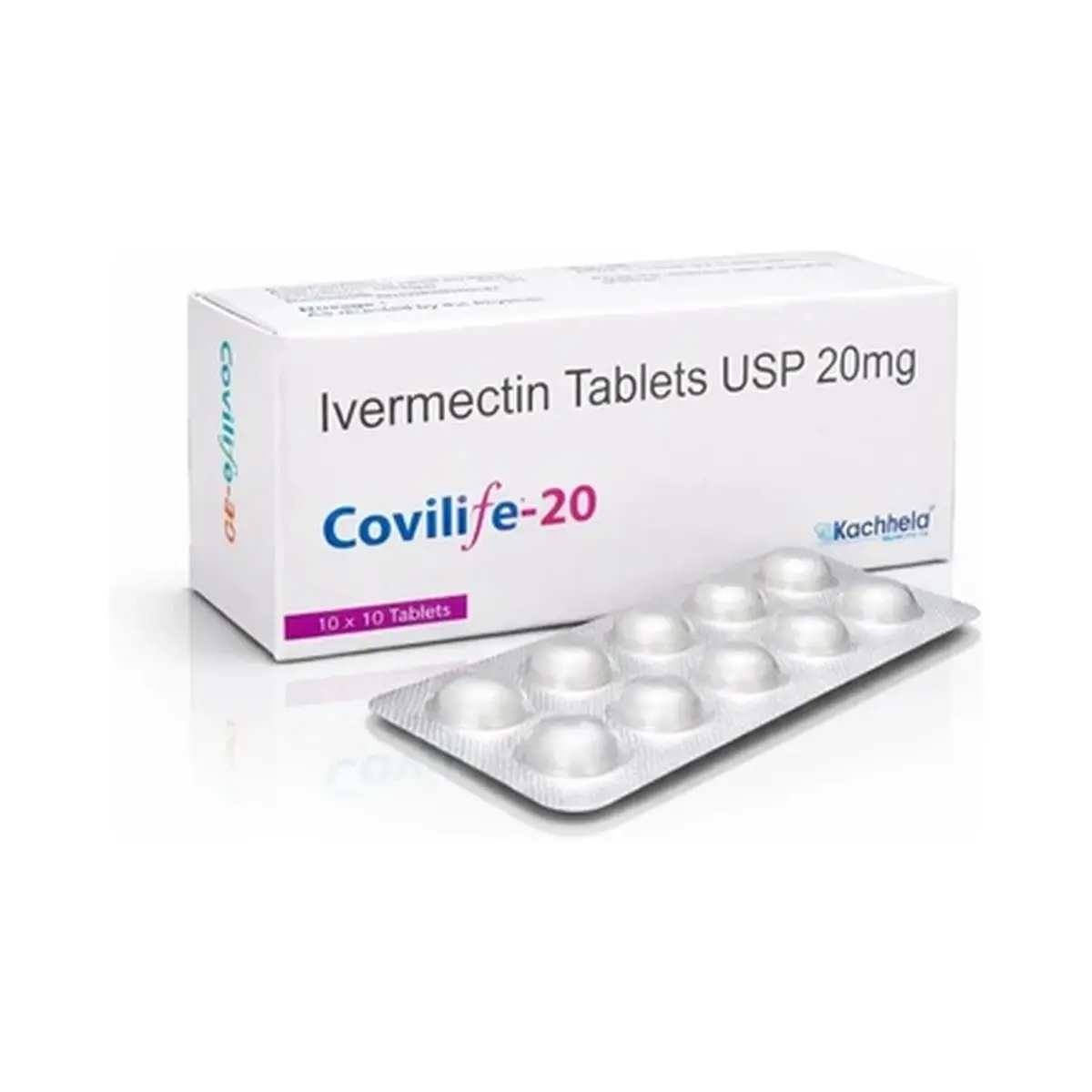
Covilife (Ivermectin) 20 mg
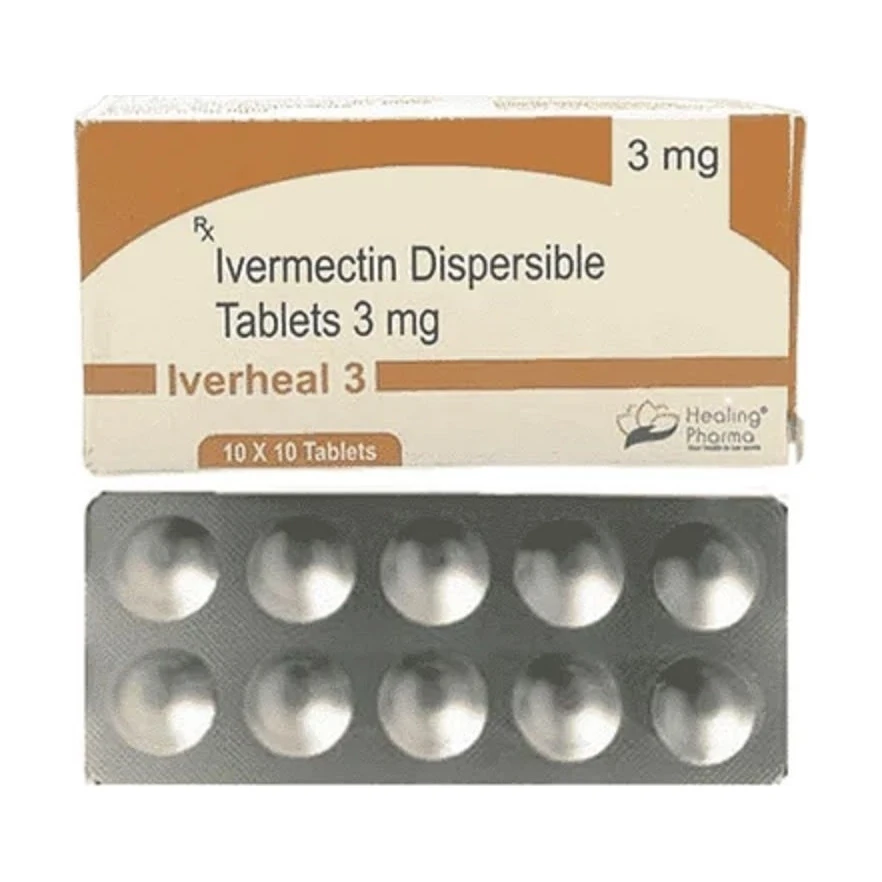
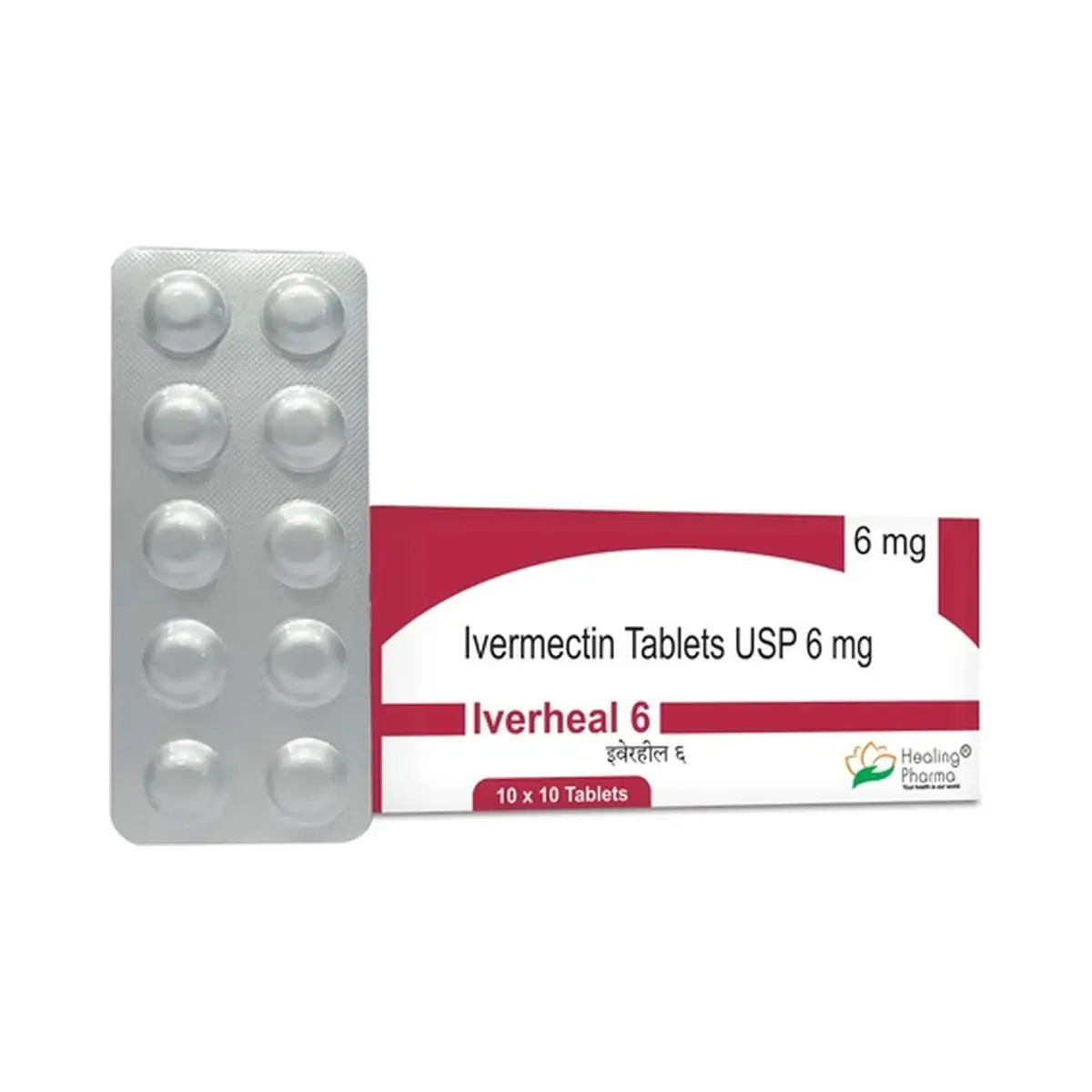
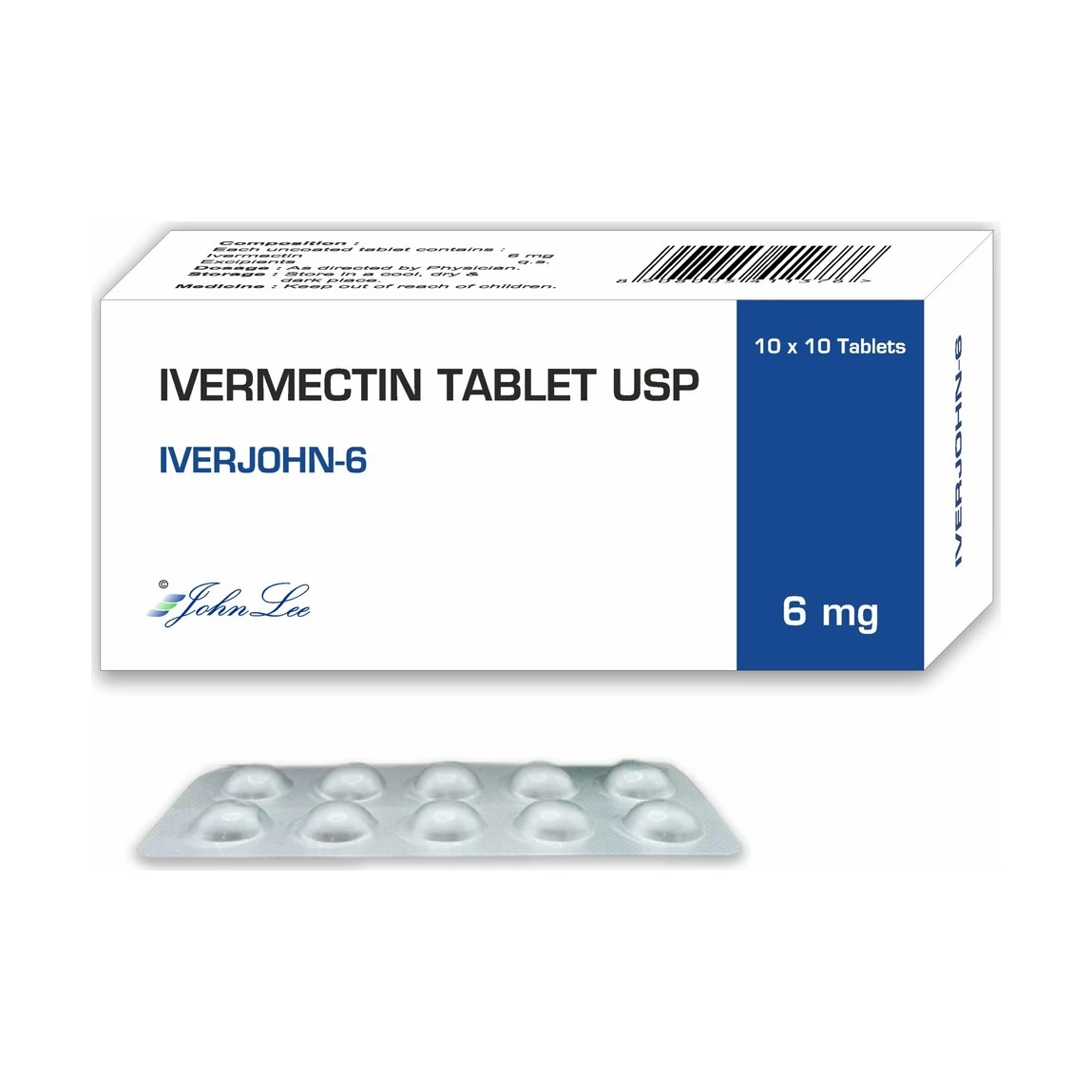
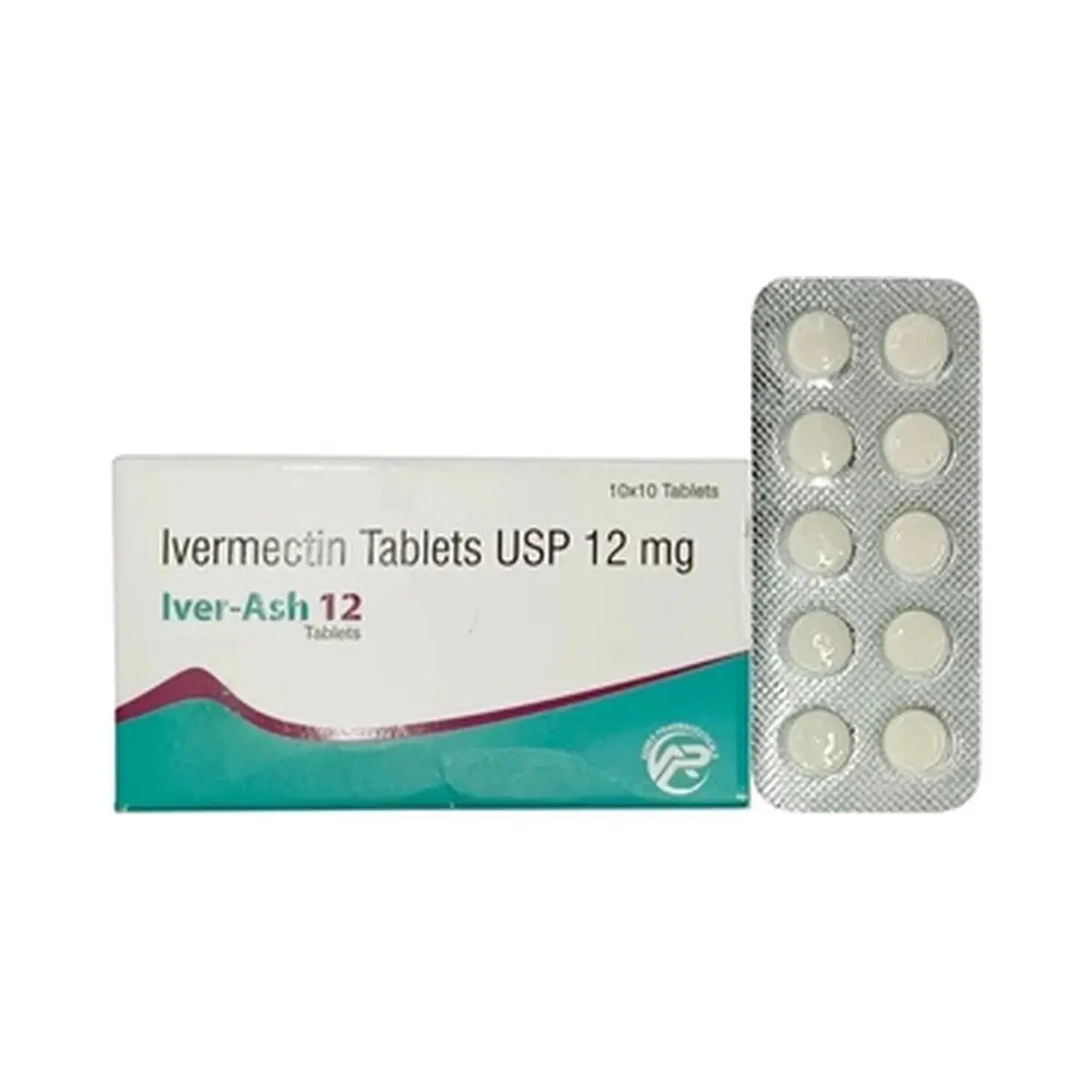
Covilife 20 mg contains ivermectin, a prescription antiparasitic medicine. The product name suggests an oral tablet formulation, but the verified medical information below is based on ivermectin as the active ingredient.
Active Ingredient and Medicine Class
Ivermectin is a semi-synthetic anthelmintic and broad-spectrum antiparasitic agent. It belongs to the avermectin class. Official prescribing information identifies ivermectin as an oral medicine used against certain nematode parasitic infections.
Established Medical Uses
In official human prescribing information, ivermectin tablets are indicated for the treatment of intestinal strongyloidiasis caused by Strongyloides stercoralis and onchocerciasis caused by Onchocerca volvulus. Peer-reviewed reviews also describe use in other parasitic conditions such as scabies and head lice, but those uses may depend on local approvals and clinical context.
How It Works
Ivermectin acts on parasite nerve and muscle function. It increases permeability of parasite cell membranes to chloride ions through invertebrate-specific channels, which leads to paralysis and death of susceptible parasites. This selective action explains its antiparasitic effect in humans.
Important Safety Information
Ivermectin is contraindicated in people with known hypersensitivity to the product. Important precautions include the risk of inflammatory reactions in onchocerciasis, especially when parasites die quickly after treatment. Serious neurotoxicity has been reported, including confusion, drowsiness, stupor, coma and death. Patients with possible exposure to Loa loa in endemic areas may be at increased risk of severe encephalopathy and require special caution. Clinically significant interactions are reported with other medicines that may increase adverse effects or affect the central nervous system, so professional review of the full medicine list is important.
Possible Side Effects
Commonly reported adverse effects include dizziness, nausea, diarrhea, abdominal discomfort, fatigue, and rash. In onchocerciasis, reactions may also reflect the body’s response to dying microfilariae and can include itching, fever, swelling, low blood pressure and eye symptoms. Rare but serious reactions can include severe skin reactions, neurologic toxicity, and worsening symptoms in people with heavy Loa loa infection.
Scientific Evidence
Clinical reviews and regulatory studies support ivermectin as an effective antiparasitic medicine for onchocerciasis and strongyloidiasis. PubMed-indexed reviews describe a broad antiparasitic role and note that ivermectin has been studied for other parasitic skin infections, including scabies and lice, although the strength of evidence and approved use vary by indication and country.
Medical Information Notice
This summary is for educational purposes only and is based on sources available at the time of review. It does not replace the official patient leaflet, prescribing information, or assessment by a qualified healthcare professional.
Medical Sources
- U.S. FDA – STROMECTOL (ivermectin) tablets, prescribing information
- DailyMed – Ivermectin Tablets, USP
- Levy MZ et al. – Broadening the range of use cases for ivermectin – a review of the evidence, Pathogens and Global Health, 2021