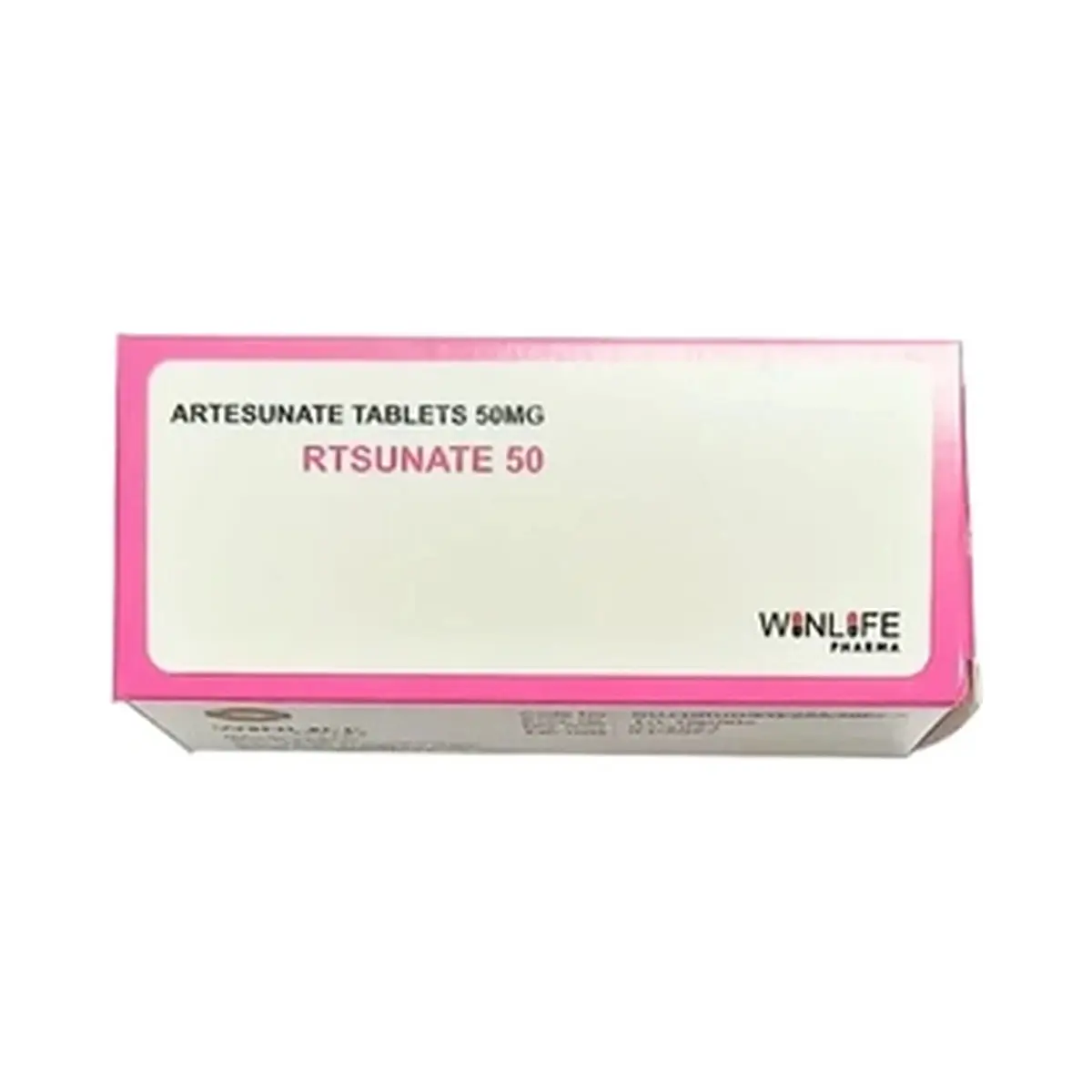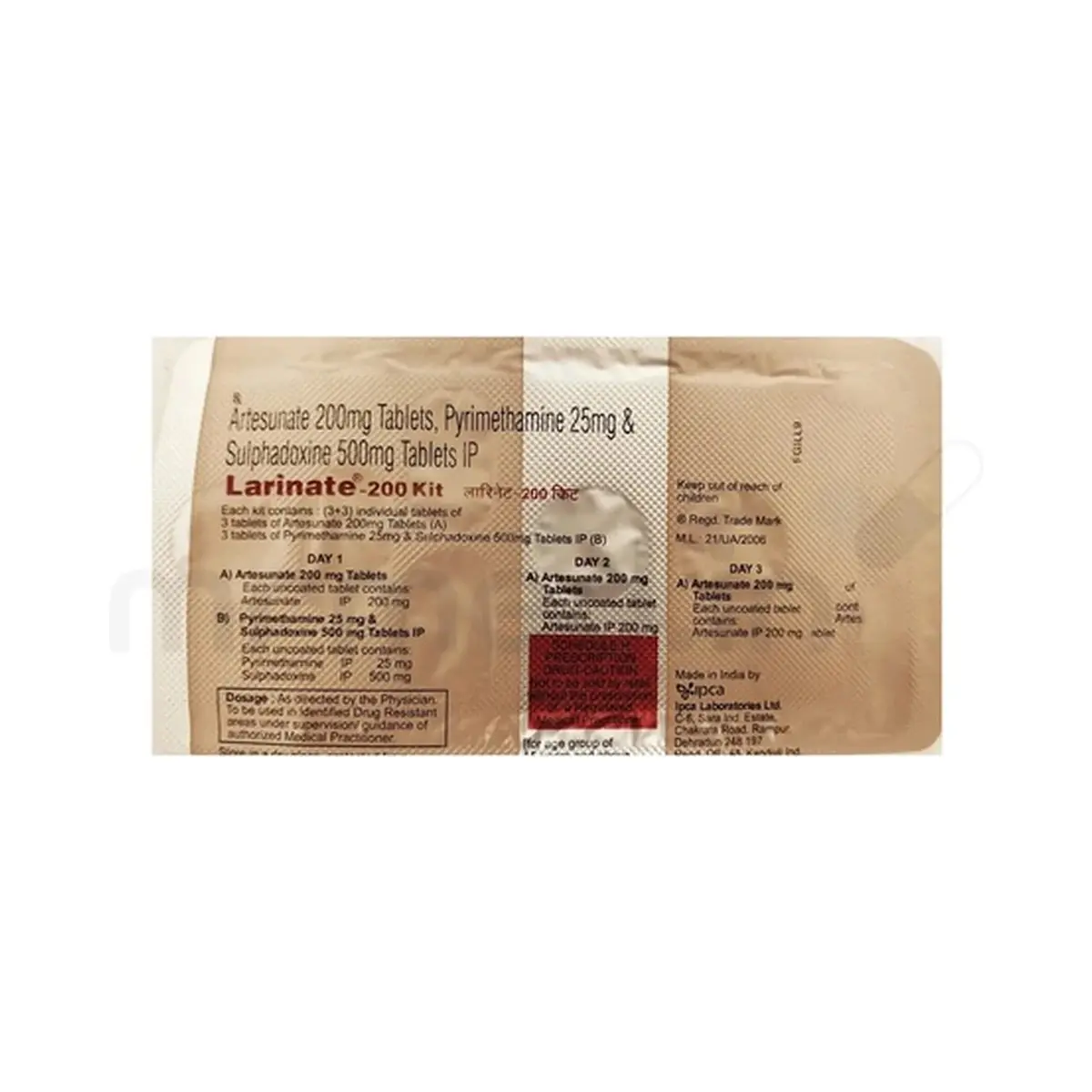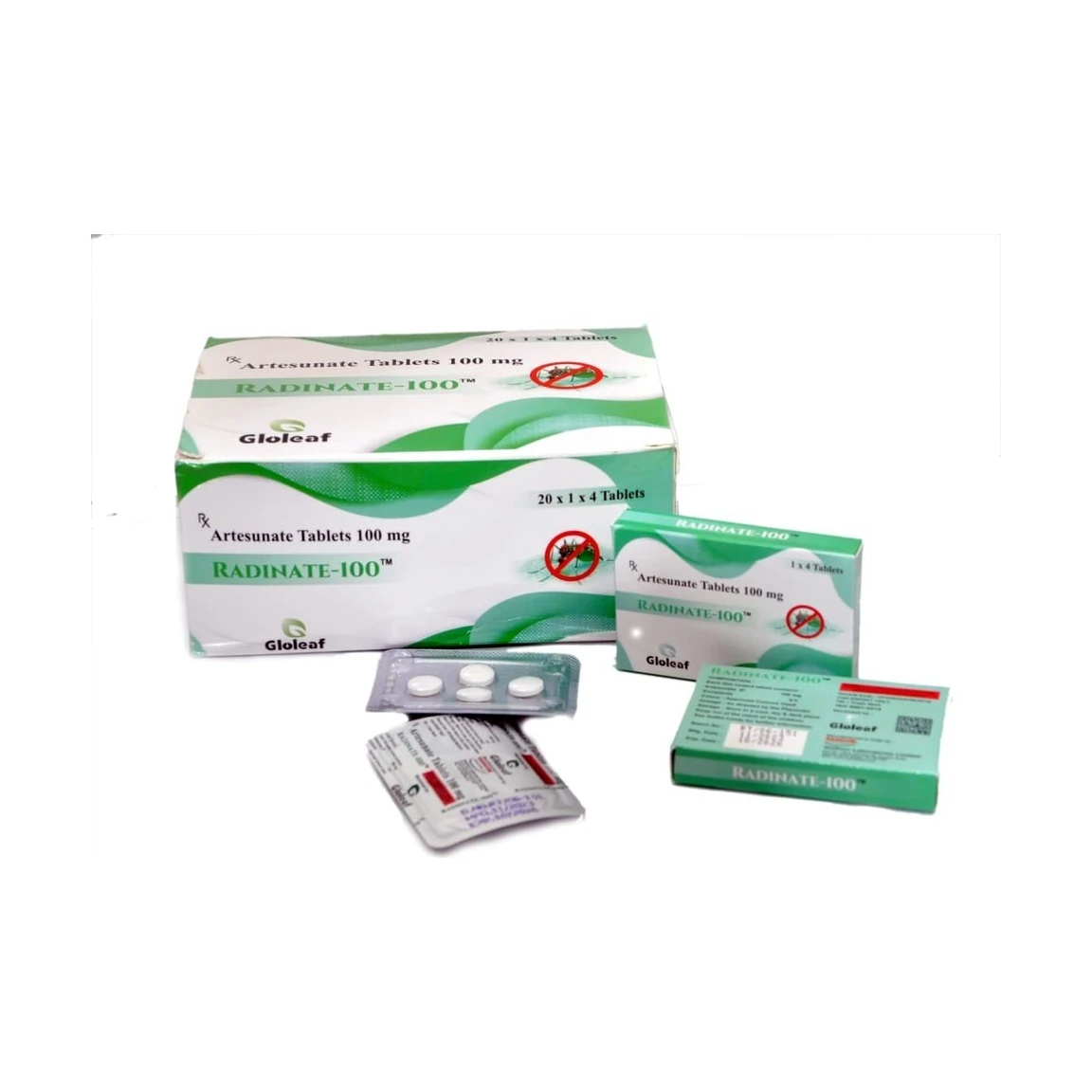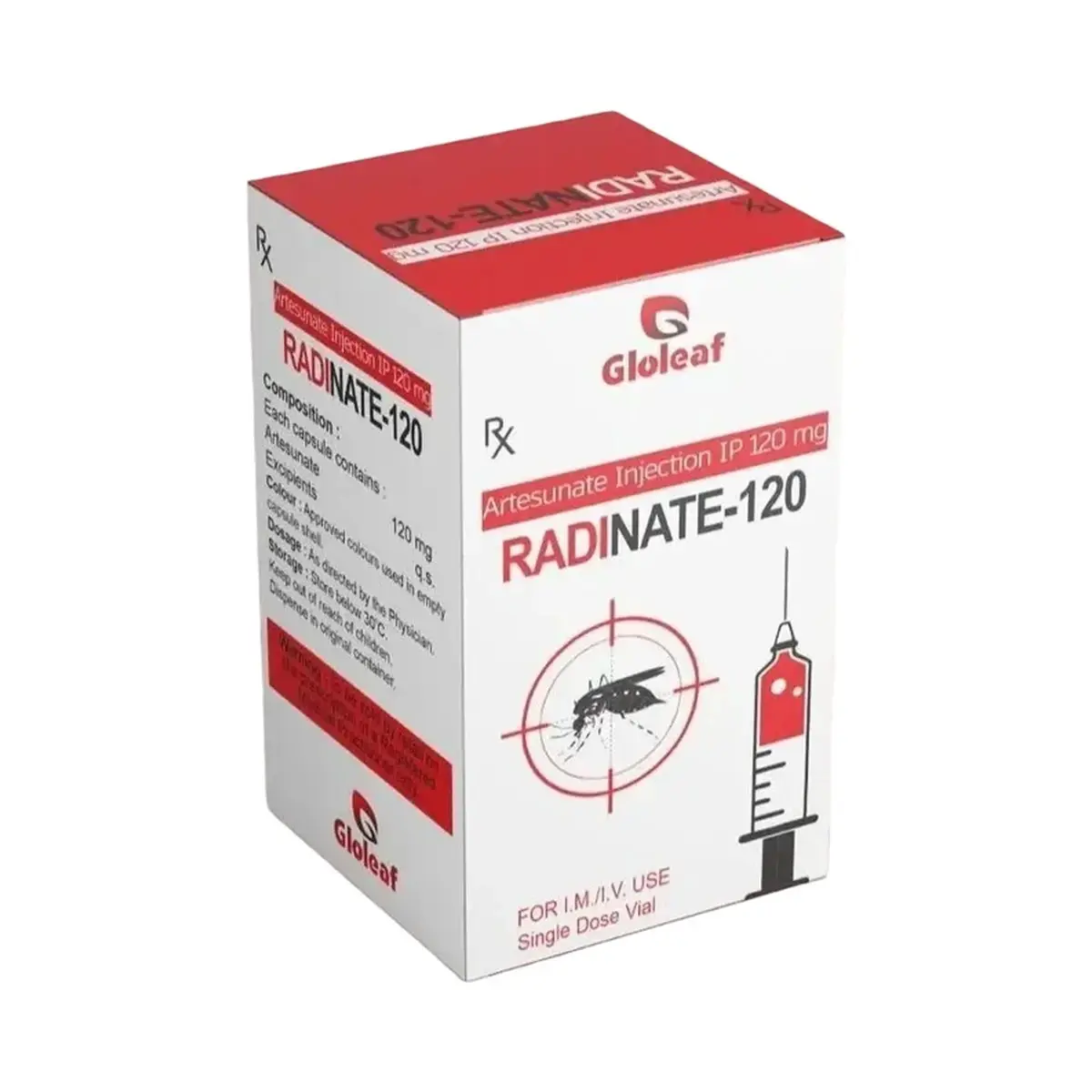
Description
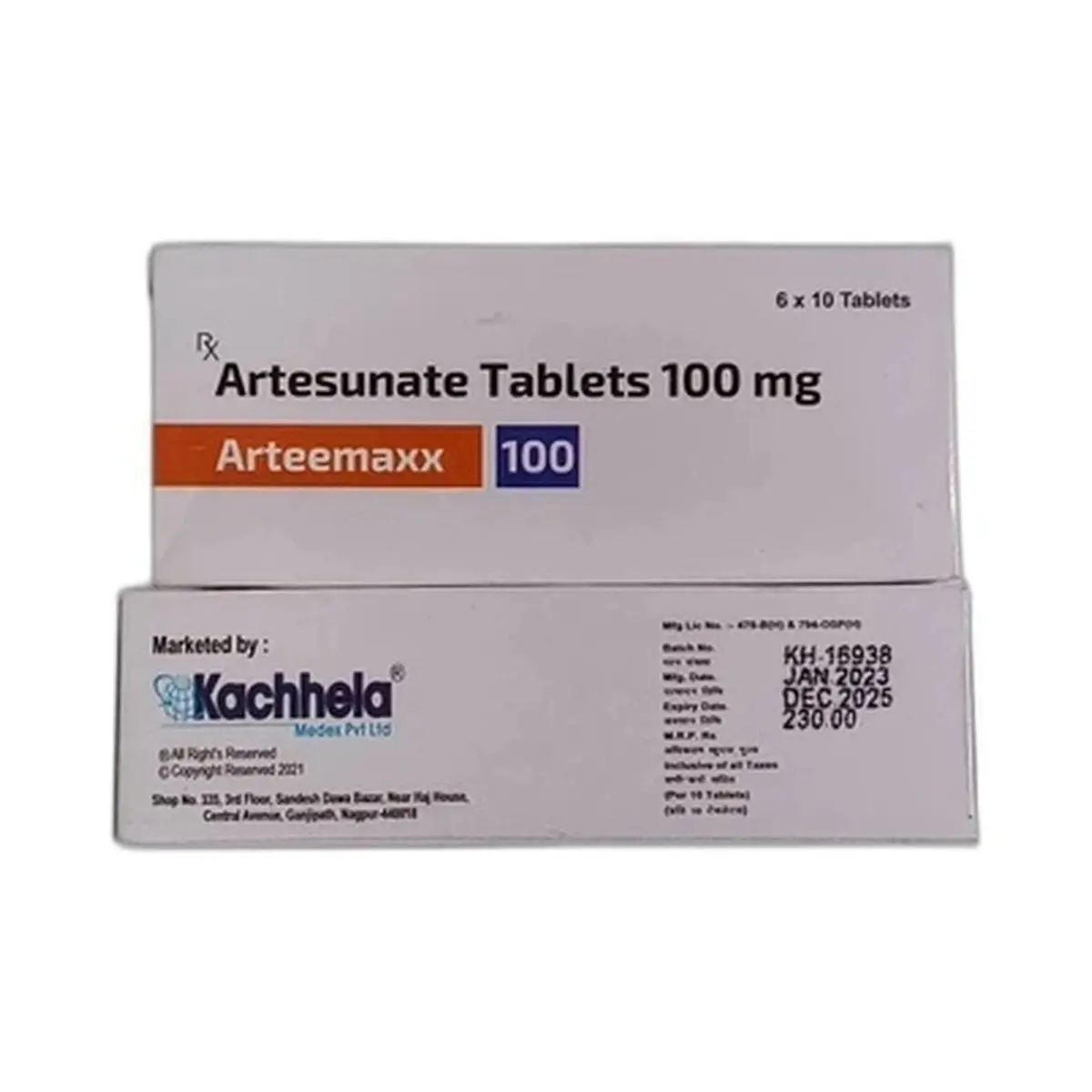
Arteemaxx (Artesunate) 100 mg
Arteemaxx 100 mg contains artesunate, an antimalarial medicine in the artemisinin class. Artesunate is used against malaria parasites and is best understood as a fast-acting antimalarial ingredient whose clinical role depends on the type and severity of malaria and on local treatment guidance.
Active Ingredient and Medicine Class
The verified active ingredient is artesunate. It is a semisynthetic artemisinin derivative and antimalarial agent. In the body, artesunate is rapidly converted to dihydroartemisinin, its main active metabolite.
Established Medical Uses
Artesunate is established in major malaria guidance as an important treatment for severe malaria when given by parenteral routes, and it is also used in artemisinin-based combination therapies for uncomplicated malaria. WHO guidance states that severe malaria should be treated with intravenous or intramuscular artesunate, followed by completion of therapy with an appropriate oral antimalarial regimen once the patient can tolerate oral treatment.
For oral tablet products containing artesunate alone, the exact regulatory status and approved use can vary by country. Established use should therefore be interpreted conservatively and in line with the official medicine information for the market where the product is supplied.
How It Works
Artesunate belongs to the artemisinin family of antimalarials. It acts rapidly against malaria parasites, and its activity is mainly linked to conversion into dihydroartemisinin. This class is valued for its quick parasite-killing effect and for its role in combination regimens that help reduce the risk of treatment failure and resistance.
Important Safety Information
Important safety issues include the risk of delayed haemolysis after artesunate treatment, which has been reported particularly after treatment of severe malaria. WHO also notes that artesunate should be used within structured malaria treatment regimens, because oral follow-on therapy is generally needed after parenteral treatment for severe disease. Drug interaction data from clinical pharmacokinetic reviews indicate that artesunate does not appreciably alter some common antimalarial combinations, but treatment choices should still be guided by official local protocols and patient-specific factors.
As with other antimalarials, artesunate should not be used as a substitute for proper diagnosis, species identification when available, and assessment of malaria severity. WHO guidance also highlights the importance of using the most appropriate antimalarial strategy for the setting and resistance pattern.
Possible Side Effects
Reported adverse effects of artesunate-containing treatment include headache, dizziness, nausea, vomiting, and abdominal discomfort. More serious concerns discussed in the literature include haemolysis after treatment, anaemia, jaundice, and other complications seen in the context of severe malaria itself, which can make safety assessment more complex. Overall, artesunate has generally been described as well tolerated in human studies, but monitoring remains important.
Scientific Evidence
Peer-reviewed reviews show that artesunate has rapid antimalarial pharmacokinetics, with short-lived parent drug exposure and conversion to the active metabolite dihydroartemisinin. Clinical studies and systematic reviews support its central role in severe malaria treatment and explain why it is usually paired with another antimalarial for uncomplicated malaria. Research also suggests that oral artesunate exposure can vary substantially, which is one reason why regimen design and local guidance matter.
Medical Information Notice
This page is an educational summary based on sources available at the time of review. It does not replace the official patient leaflet, product label, malaria treatment guideline, or assessment by a qualified health professional.
Medical Sources
- World Health Organization. WHO Guidelines for malaria. View official guideline ([iris.who.int](https://iris.who.int/bitstream/handle/10665/382254/B09514-eng.pdf?utm_source=openai))
- World Health Organization. WHOAPI-097a: Artesunate. View official WHO prequalification record ([extranet.who.int](https://extranet.who.int/prequal/medicines/active-pharmaceutical-ingredient/whoapi-097a-artesunate?utm_source=openai))
- Yobouet Ines Kouakou et al. Systematic review of artesunate pharmacokinetics: Implication for treatment of resistant malaria. International Journal of Infectious Diseases, 2019. View scientific article ([pubmed.ncbi.nlm.nih.gov](https://pubmed.ncbi.nlm.nih.gov/31491558/?utm_source=openai))
- Carrie A Morris et al. Review of the clinical pharmacokinetics of artesunate and its active metabolite dihydroartemisinin following intravenous, intramuscular, oral or rectal administration. Malaria Journal, 2011. View scientific article ([pubmed.ncbi.nlm.nih.gov](https://pubmed.ncbi.nlm.nih.gov/21914160/?utm_source=openai))