Description
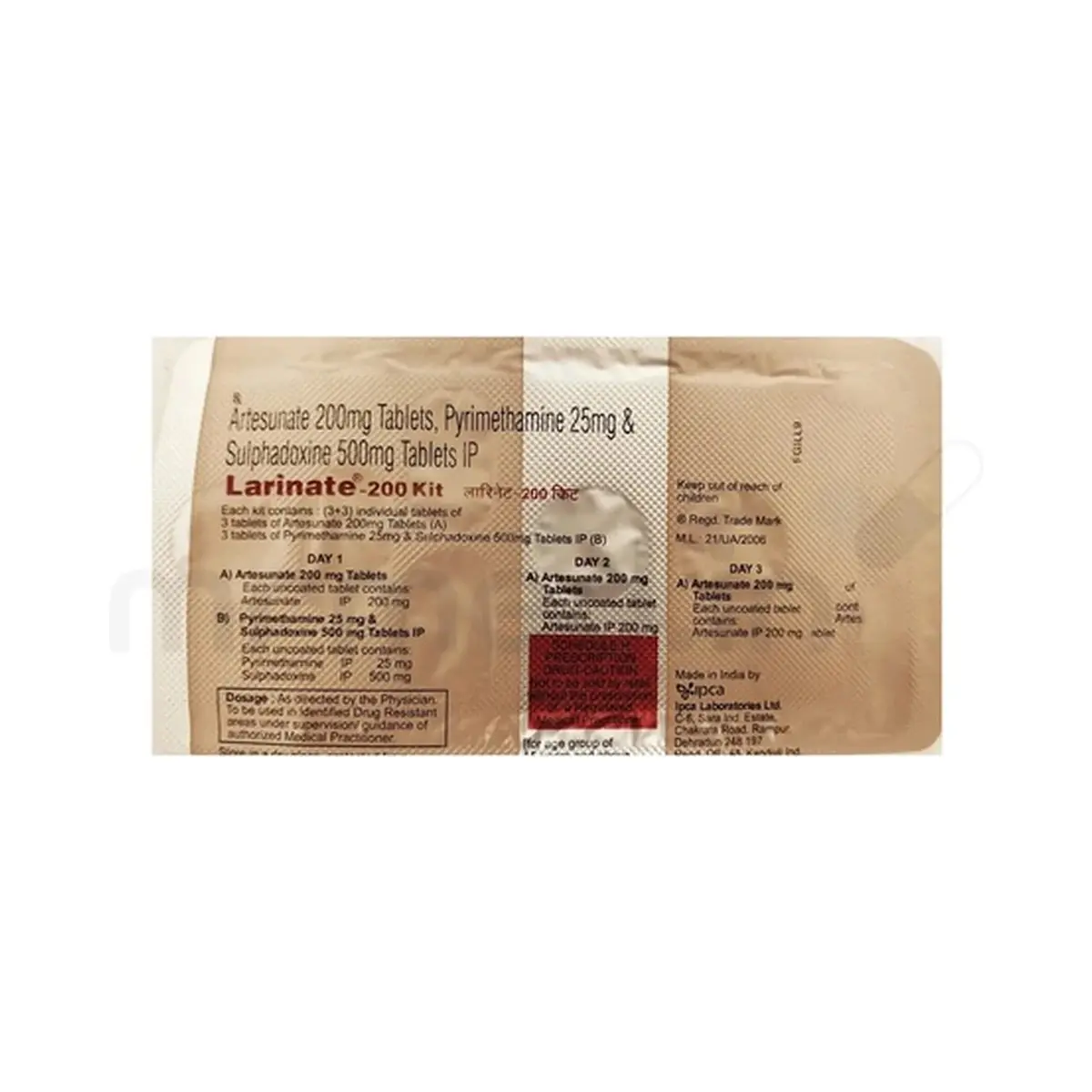
Larinate SP (Artesunate) 200/500/25 mg
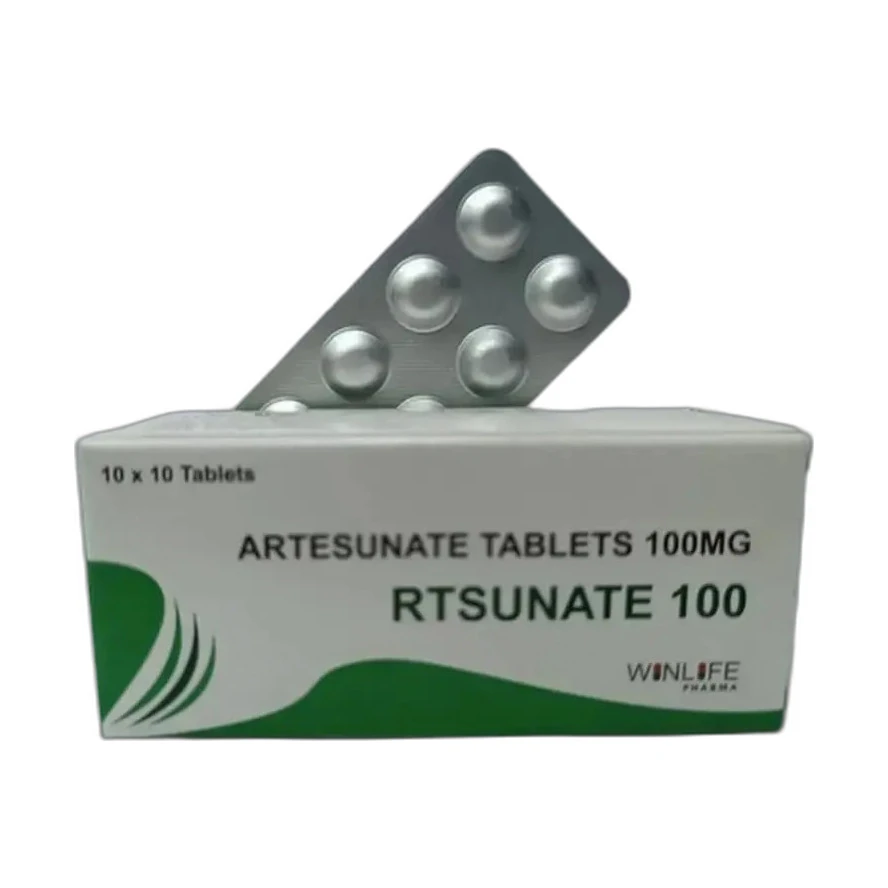
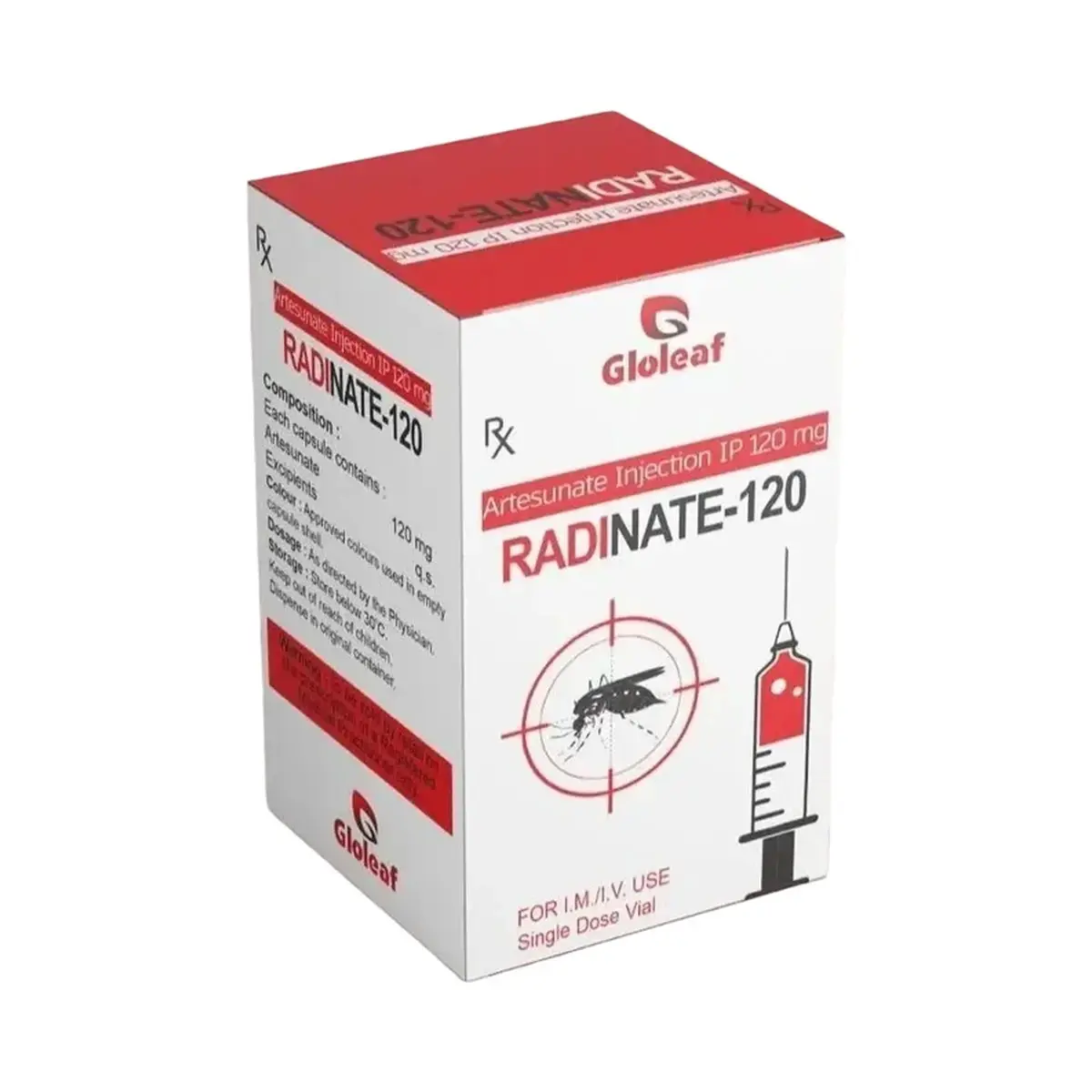
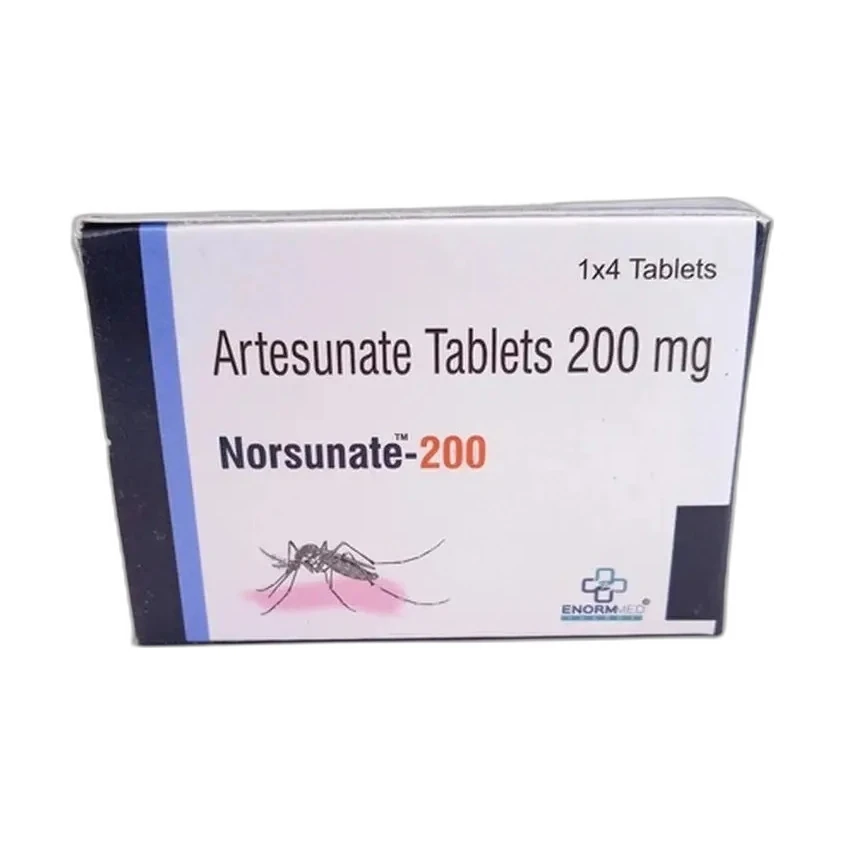
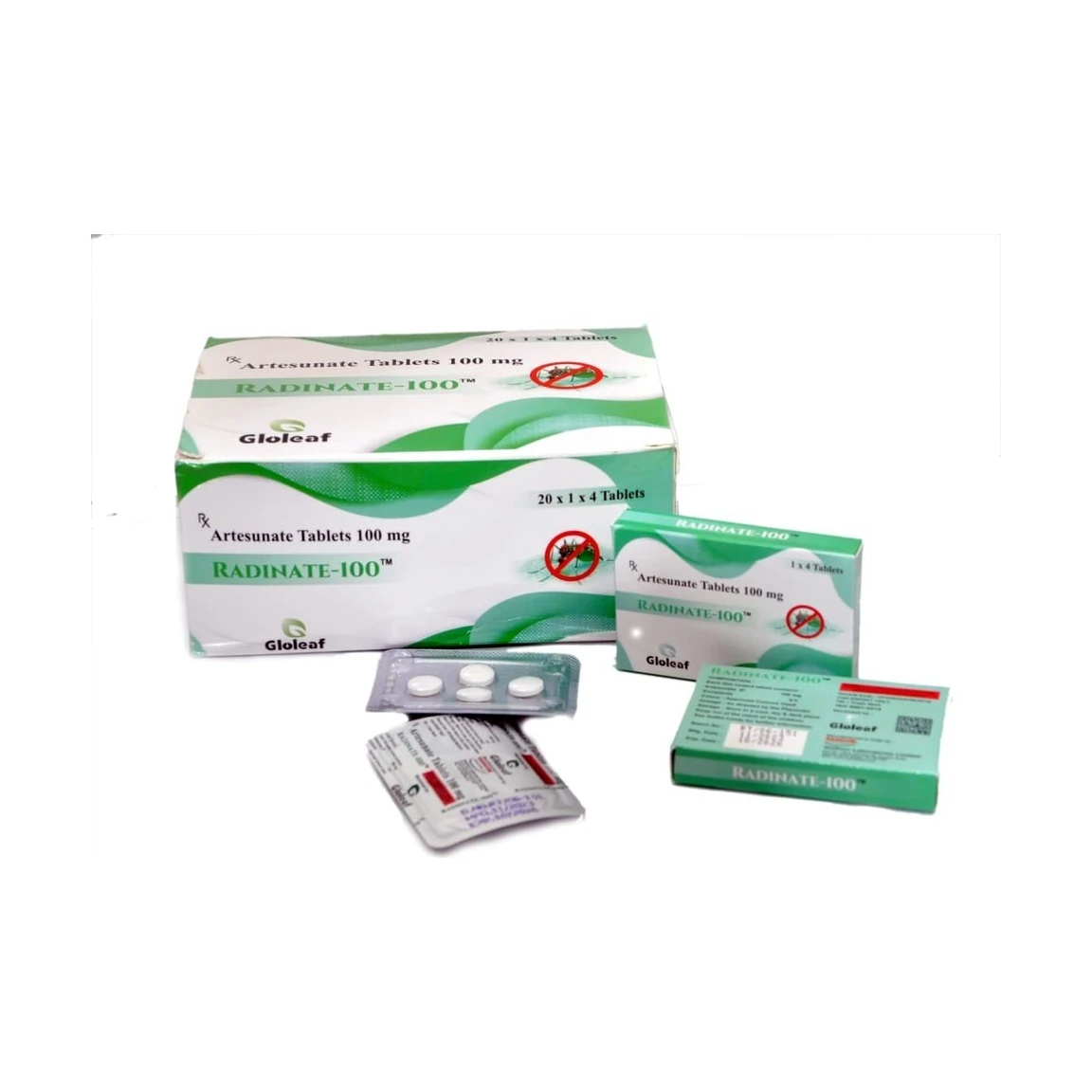
Larinate SP 200/500/25 mg is a combination antimalarial medicine identified here by its active ingredients: artesunate, sulfadoxine and pyrimethamine. The combination is used for the treatment of uncomplicated malaria caused by susceptible Plasmodium parasites. Because antimalarial resistance patterns vary by region, its clinical usefulness depends on local parasite sensitivity and official treatment guidance.
Active Ingredient and Medicine Class
This medicine contains three antiparasitic agents. Artesunate is an artemisinin derivative with rapid blood-stage antimalarial activity. Sulfadoxine is a sulfonamide, and pyrimethamine is a dihydrofolate reductase inhibitor (an antifolate). Together, sulfadoxine and pyrimethamine form the well-known SP combination, and artesunate adds a fast-acting artemisinin component.
Established Medical Uses
The established use of the artesunate plus sulfadoxine-pyrimethamine combination is treatment of uncomplicated malaria where the infecting parasite remains susceptible and where this regimen is recommended by local policy. It is intended for blood-stage malaria infection and is not a treatment for relapsing liver-stage infection caused by Plasmodium vivax or Plasmodium ovale.
WHO materials describe artesunate–sulfadoxine–pyrimethamine as one of the artemisinin-based combination therapies used for uncomplicated malaria, but also note that it is not widely used because of sulfadoxine-pyrimethamine resistance in many settings.
How It Works
Artesunate acts quickly against malaria parasites in the blood. It helps reduce parasite numbers rapidly and may also reduce transmission to mosquitoes. Sulfadoxine and pyrimethamine interfere with folate metabolism in the parasite, a pathway needed for parasite growth and replication. Using agents with different mechanisms can improve antimalarial effect and help slow the emergence of resistance, although resistance to the SP component is a major limitation.
Important Safety Information
This combination should be used with care in people with a known hypersensitivity to sulfonamides or pyrimethamine, or with a history of serious allergic reactions to these medicines. Pyrimethamine is also contraindicated in patients with documented megaloblastic anemia due to folate deficiency. Because the sulfonamide component can cause severe hypersensitivity, caution is particularly important in patients with prior severe drug rashes.
Important drug-interaction concerns include overlap with other antifolate or bone-marrow-suppressing medicines, which may increase the risk of blood-related toxicity. Pyrimethamine labeling warns that concomitant use with agents such as trimethoprim-sulfamethoxazole, proguanil, zidovudine, or methotrexate may raise the risk of marrow suppression. Sulfadoxine-pyrimethamine products are also commonly avoided with cotrimoxazole because of shared sulfonamide-related toxicity concerns.
Pregnancy and breastfeeding require special caution. Pyrimethamine labeling warns of fetal risk based on animal data and advises that use in pregnancy should be reserved for situations where benefit outweighs risk. WHO product information for pyrimethamine/sulfadoxine also warns about rare severe hypersensitivity reactions and advises against first-trimester use unless benefit is compelling.
Possible Side Effects
Reported adverse effects of artesunate plus sulfadoxine-pyrimethamine include nausea, vomiting, headache, abdominal pain, dizziness and fever. Most reactions described in clinical surveillance have been mild, but severe reactions are possible.
Important serious adverse effects associated mainly with the sulfonamide and antifolate components include severe cutaneous reactions such as Stevens-Johnson syndrome and toxic epidermal necrolysis, blood dyscrasias such as leukopenia, thrombocytopenia or pancytopenia, and hypersensitivity reactions including anaphylaxis. Artesunate itself is associated with hypersensitivity and post-treatment hemolysis in parenteral use, although those warnings come from the injectable product rather than this oral combination.
Scientific Evidence
Clinical trials have shown that adding artesunate to sulfadoxine-pyrimethamine can improve parasite clearance and reduce gametocyte carriage compared with sulfadoxine-pyrimethamine alone in uncomplicated falciparum malaria. Other studies reported acceptable tolerability and a low frequency of serious treatment-related adverse effects, although efficacy depends strongly on local SP resistance. Modern reviews also emphasize that resistance has limited the role of artesunate–sulfadoxine–pyrimethamine in many regions.
Medical Information Notice
This page is an educational summary based on sources available at the time of review. It does not replace the official patient leaflet, product-specific regulatory information, or assessment by a qualified health professional.
Medical Sources
- World Health Organization. Compendium of Molecular Markers for Antimalarial Drug Resistance. Official WHO source describing sulfadoxine-pyrimethamine and artesunate–sulfadoxine–pyrimethamine use. View official source
- U.S. Food and Drug Administration. Artesunate for Injection Prescribing Information. Official prescribing information for artesunate, including antimalarial class, indications, contraindications, interactions and adverse reactions. View official label
- DailyMed. Pyrimethamine tablet prescribing information. Official labeling for pyrimethamine, including class, contraindications, warnings, interactions and adverse reactions. View official label
- E Tjitra et al. Therapy of uncomplicated falciparum malaria: a randomized trial comparing artesunate plus sulfadoxine-pyrimethamine versus sulfadoxine-pyrimethamine alone in Irian Jaya, Indonesia. American Journal of Tropical Medicine and Hygiene, 2001. View scientific article
- Javier Cairo et al. Surveillance for adverse drug reactions to combination antimalarial therapy with sulfadoxine-pyrimethamine plus artesunate in Peru. American Journal of Tropical Medicine and Hygiene, 2008. View scientific article