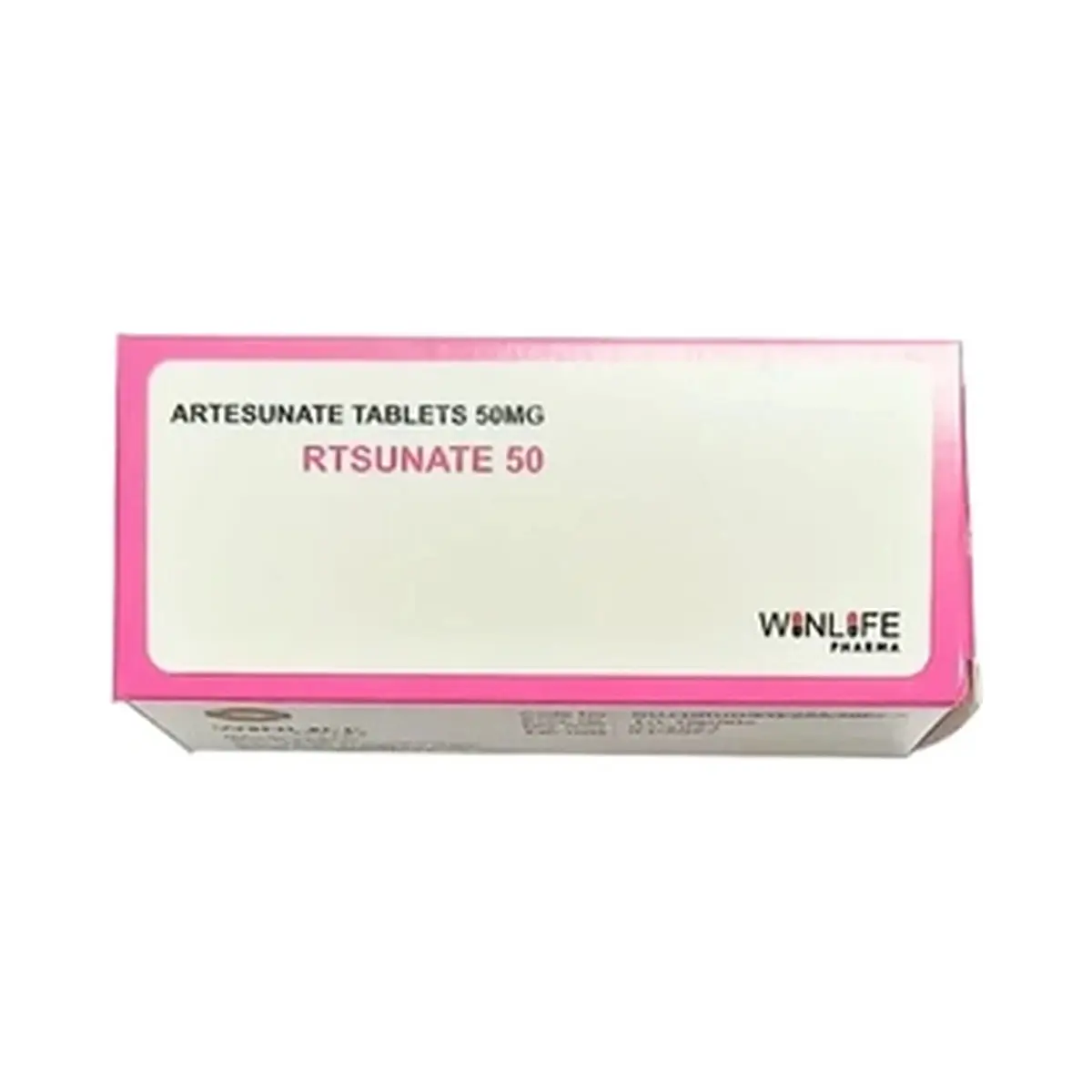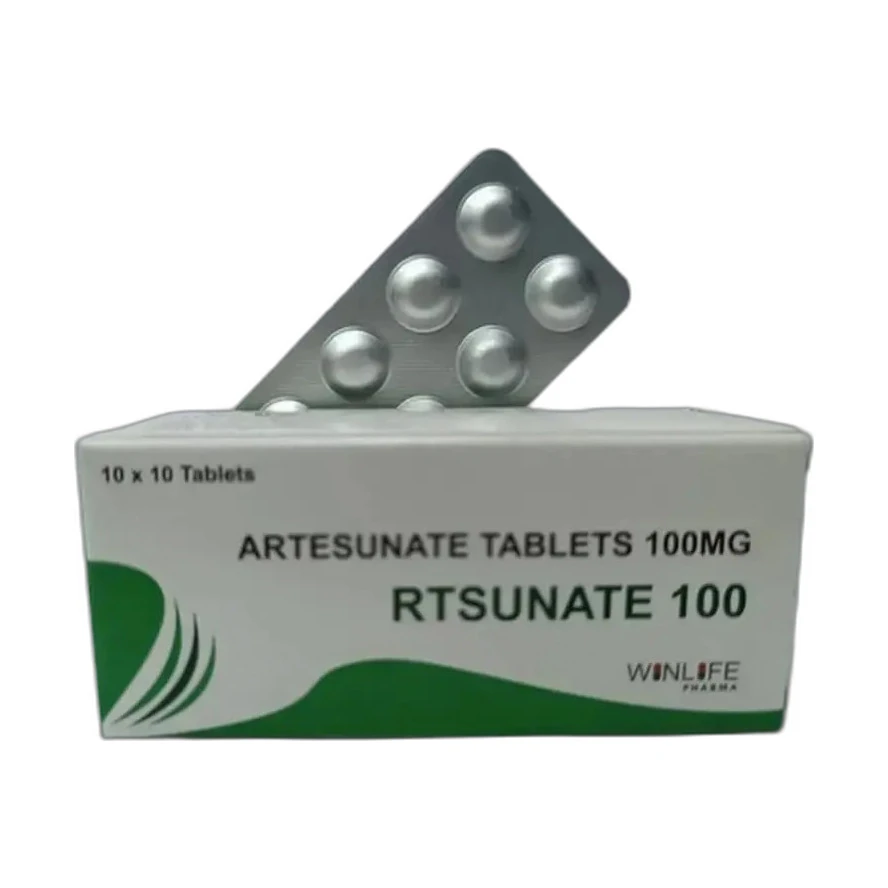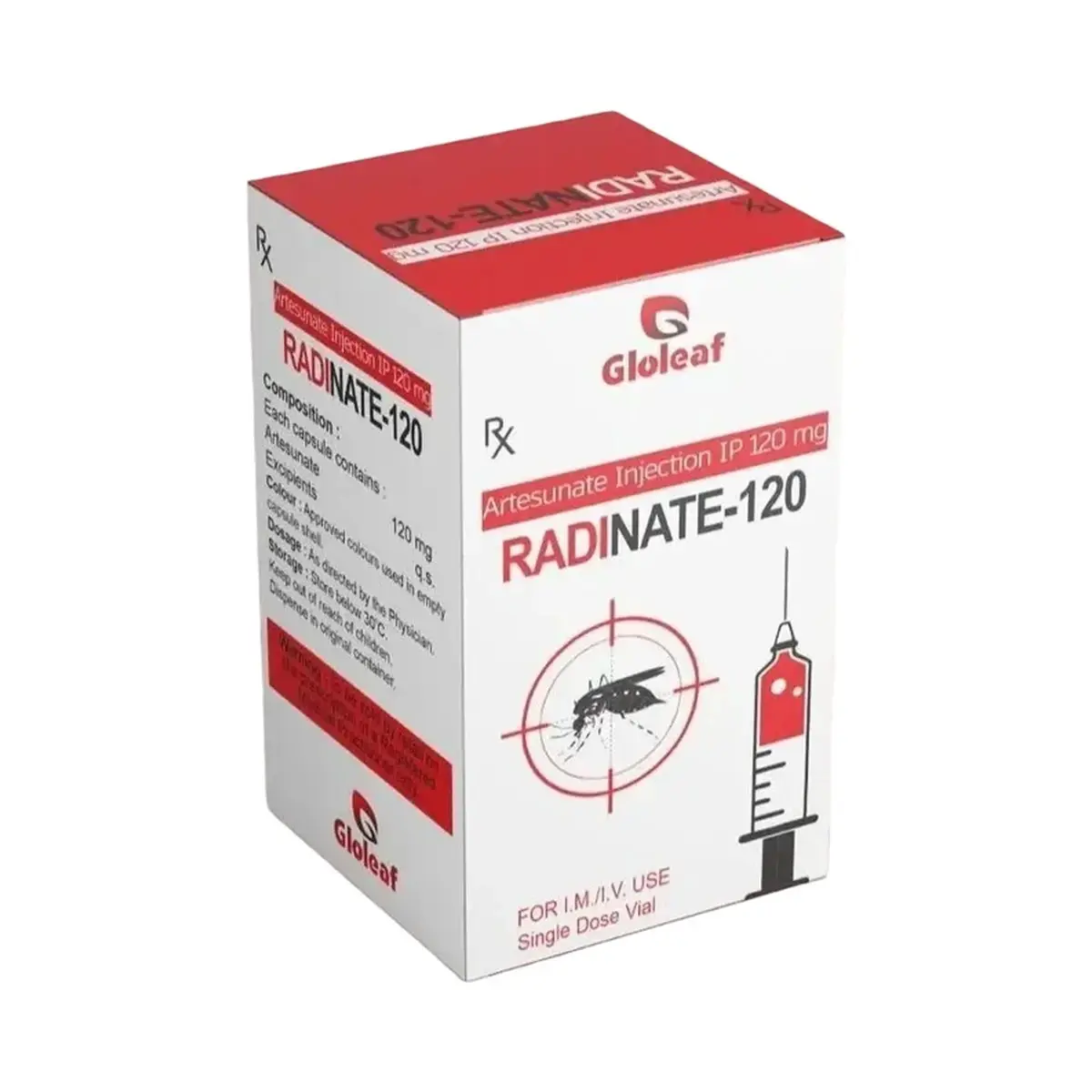
Description
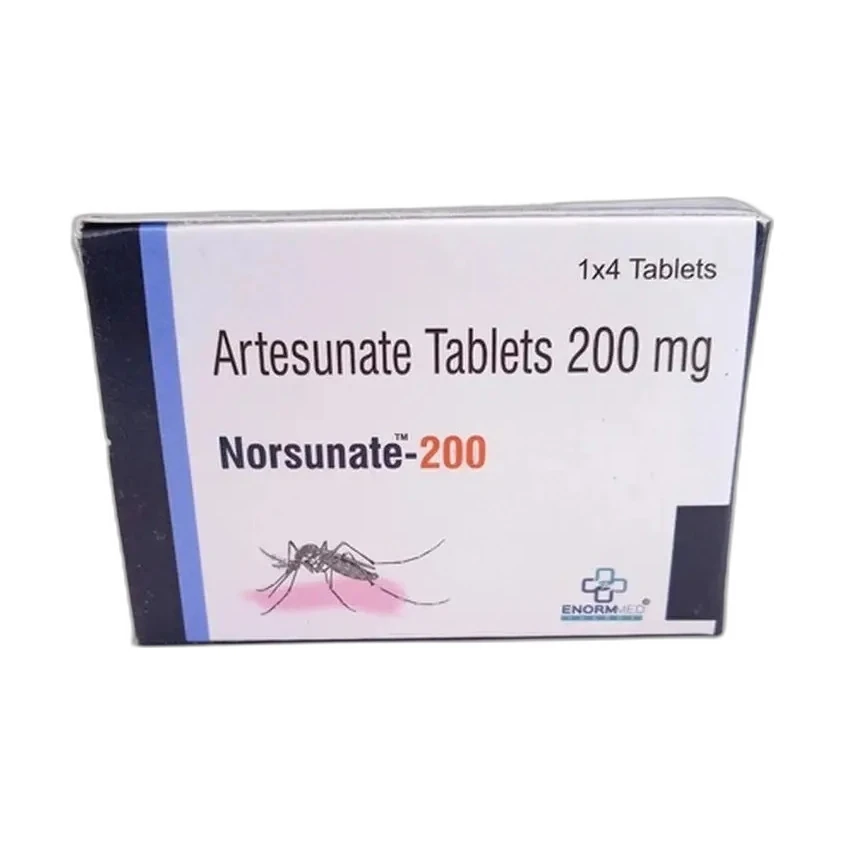
Norsunate (Artesunate) 200 mg
Norsunate is presented here as an oral artesunate medicine. Artesunate is an artemisinin-derived antimalarial used in malaria treatment, but the exact trade name could not be confirmed from authoritative prescribing sources. The description below therefore focuses on the verified active ingredient, artesunate.
Active Ingredient and Medicine Class
The active ingredient is artesunate, a semisynthetic derivative of artemisinin and a member of the artemisinin class of antimalarial medicines. It is a rapidly acting antimalarial with activity against blood-stage malaria parasites.
Established Medical Uses
Artesunate is used in malaria treatment, particularly as part of artemisinin-based combination therapy for uncomplicated Plasmodium falciparum malaria in settings where such combinations are recommended. In severe malaria, artesunate is widely used as a parenteral medicine, followed by a complete oral antimalarial regimen once the patient can take oral therapy. Oral artesunate monotherapy is not recommended for routine treatment of uncomplicated malaria because it may promote resistance and does not provide the partner-drug component used in standard combination regimens.
How It Works
Artesunate contains an endoperoxide structure that is activated within the parasite. This process generates reactive molecules that damage parasite proteins and other essential structures, leading to parasite death. Its action is rapid, which helps reduce parasite levels quickly during malaria treatment.
Important Safety Information
Important safety concerns include hypersensitivity to artesunate or related artemisinin medicines. Oral artemisinin monotherapy is discouraged because of the risk of treatment failure and the broader public-health concern of resistance selection. Artesunate should be used cautiously in the context of malaria species that can relapse from dormant liver forms, because artesunate alone does not clear hypnozoites. Clinically important interactions may occur when artesunate is used with other antimalarial medicines, especially in combination regimens where the partner drug determines some of the overall safety profile. In severe malaria, follow-on therapy is required after parenteral artesunate; oral artesunate by itself is not a complete strategy for severe disease.
Possible Side Effects
Commonly reported adverse effects with artesunate-containing regimens include nausea, vomiting, headache, dizziness, abdominal discomfort, and fever related to malaria itself or treatment. More serious reactions can include allergic reactions and haemolytic anaemia after artesunate exposure, especially after treatment of severe malaria. Other clinically important laboratory abnormalities reported with artesunate include anaemia, liver test abnormalities, and low platelet counts in some settings.
Scientific Evidence
Clinical research supports artesunate as a fast-acting antimalarial that is highly effective when used appropriately within modern malaria treatment strategies. Reviews and clinical studies show that artesunate-based regimens clear parasites rapidly and are central to current malaria management. Published literature also describes post-artesunate delayed haemolysis, a recognised but uncommon complication after treatment for severe malaria, and highlights the need for clinical awareness during recovery.
Medical Information Notice
This page is an educational summary based on sources available at the time of review. It does not replace the official patient leaflet, regulatory product information, or assessment by a qualified healthcare professional.
Medical Sources
- World Health Organization — WHO Guidelines for malaria
- World Health Organization — Artemisinin partial resistance: malaria Q&A
- U.S. Food and Drug Administration — Artesunate for Injection prescribing information
- Andrew W. Taylor-Robinson et al. Post-artesunate delayed haemolysis after treatment of severe malaria. Malaria Journal, 2015. View scientific article
- Daniel J. Postels et al. Post-Artesunate Delayed Hemolysis: A Review of Current Evidence. Journal of Tropical Medicine, 2022. View scientific article