Description
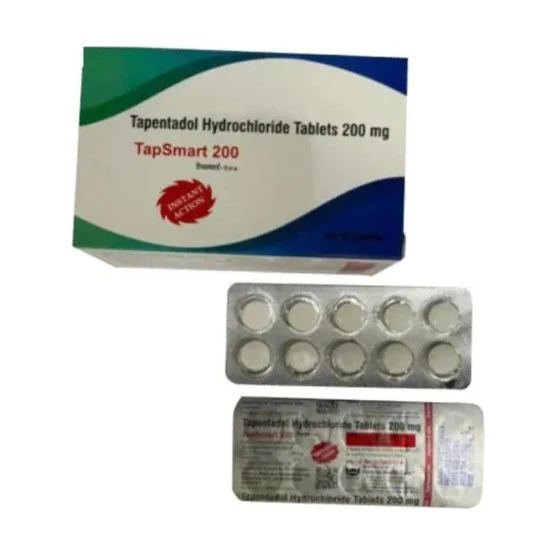
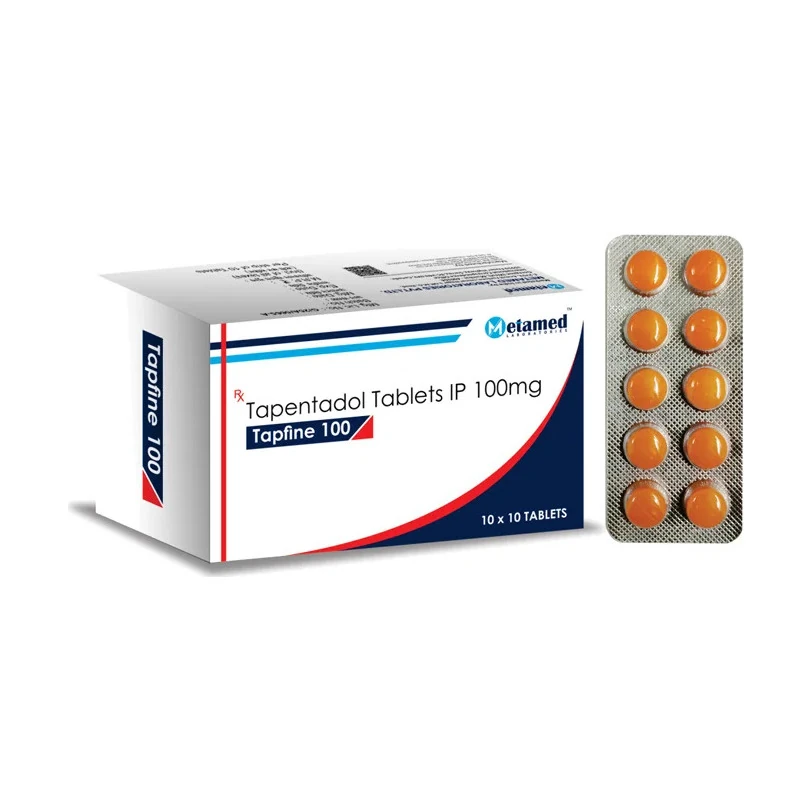
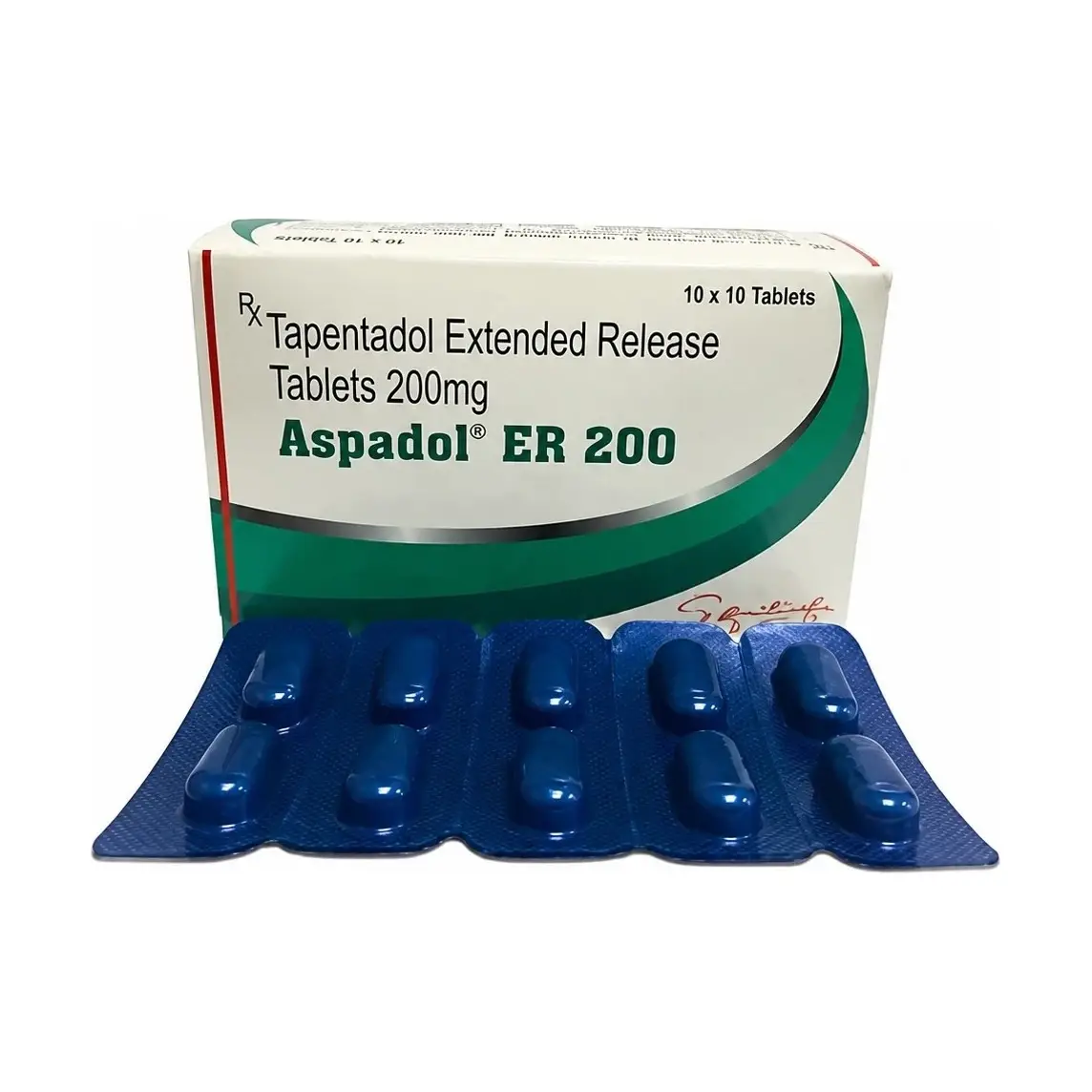
Aspadol ER (Tapentadol) 200 mg
Aspadol ER 200 mg is a brand name for tapentadol, an extended-release opioid analgesic. Tapentadol is used for pain relief in situations where opioid treatment is appropriate, and the extended-release form is designed for ongoing analgesic effect rather than rapid relief.
Active Ingredient and Medicine Class
Tapentadol hydrochloride is a centrally acting analgesic in the opioid class. It has two recognised pharmacological actions: mu-opioid receptor agonism and noradrenaline reuptake inhibition. This combination distinguishes it from many traditional opioids.
Established Medical Uses
Regulatory prescribing information for tapentadol extended-release tablets identifies use in the management of severe chronic pain that requires around-the-clock, long-term opioid treatment and for which alternative treatment options are inadequate. The scientific literature also describes clinical use in moderate to severe chronic pain, including musculoskeletal pain.
How It Works
Tapentadol relieves pain through two complementary mechanisms. Its opioid activity reduces pain signalling in the nervous system, while noradrenaline reuptake inhibition strengthens descending inhibitory pathways that help dampen pain transmission. Review literature describes this as a dual-mechanism analgesic approach.
Important Safety Information
Tapentadol is an opioid and carries well-recognised risks of addiction, abuse, misuse, respiratory depression, sedation, and overdose. It should not be used with benzodiazepines or other CNS depressants, including alcohol, because these combinations can increase the risk of profound sedation, respiratory depression, coma, and death. FDA prescribing information also warns against use in patients with severe hepatic or renal impairment and highlights the risk of neonatal opioid withdrawal syndrome with extended opioid use during pregnancy.
Other clinically important cautions include risk in people with impaired consciousness, head injury, brain tumours, or increased intracranial pressure. Mixed agonist/antagonist or partial agonist opioid analgesics may reduce the analgesic effect or precipitate withdrawal.
Possible Side Effects
Common adverse reactions reported with tapentadol extended-release include nausea, constipation, dizziness, headache, and somnolence. Serious reactions can include marked respiratory depression, severe sedation, and opioid dependence or withdrawal.
Scientific Evidence
PubMed-indexed reviews and clinical trial summaries indicate that tapentadol prolonged-release can provide effective analgesia for moderate to severe chronic pain and may have a somewhat different tolerability profile from some other strong opioids. Published reviews also support its dual mechanism of action and its use in a range of chronic pain conditions.
Medical Information Notice
This educational summary is based on sources available at the time of review and does not replace the official patient leaflet or assessment by a qualified healthcare professional.
Medical Sources
- U.S. Food and Drug Administration — NUCYNTA ER (tapentadol) extended-release tablets, prescribing information
- M. C. Tzschentke et al. — “The mu-opioid receptor agonist/noradrenaline reuptake inhibition (MOR-NRI) concept in analgesia: the case of tapentadol” — European Journal of Pain (2014) — PubMed