Description
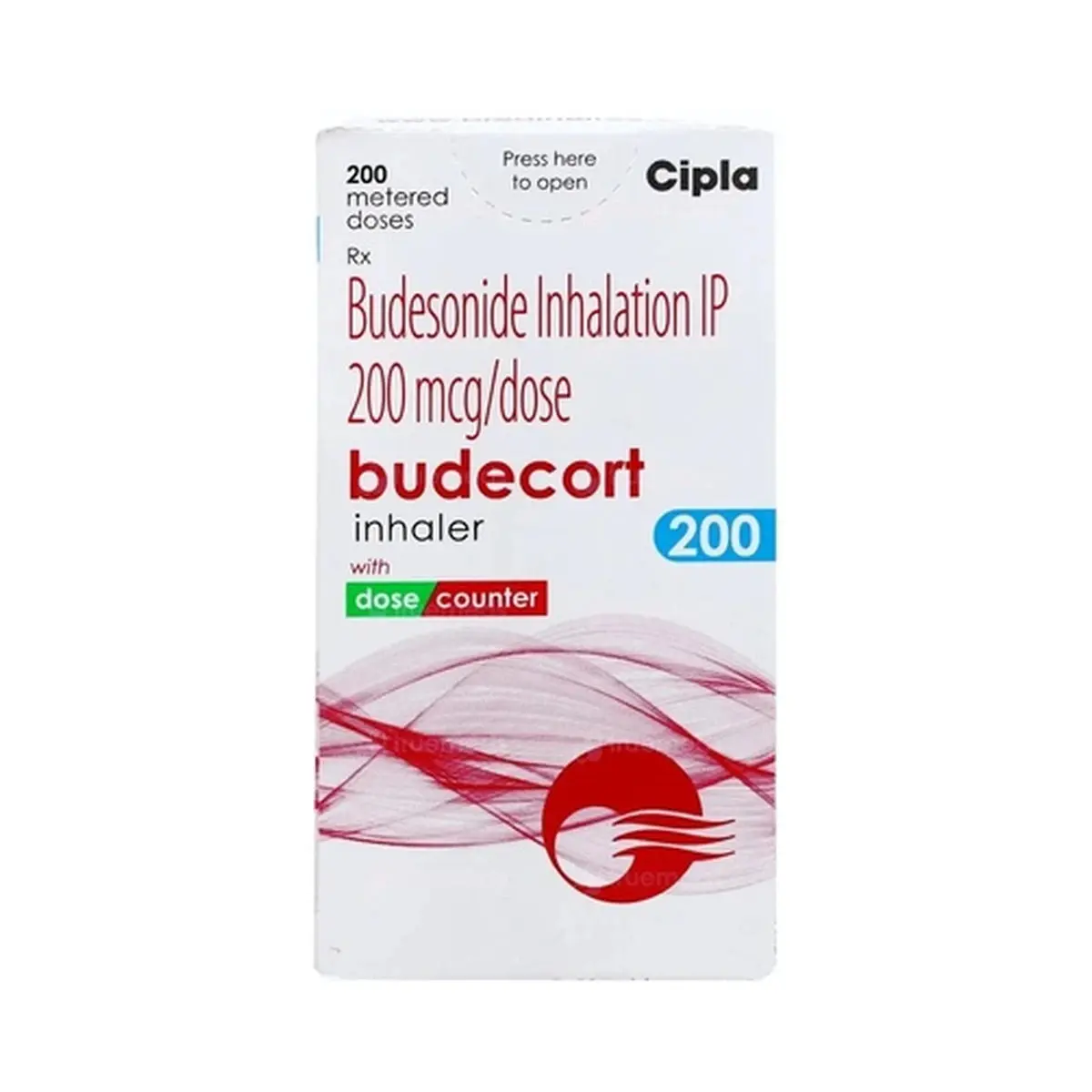
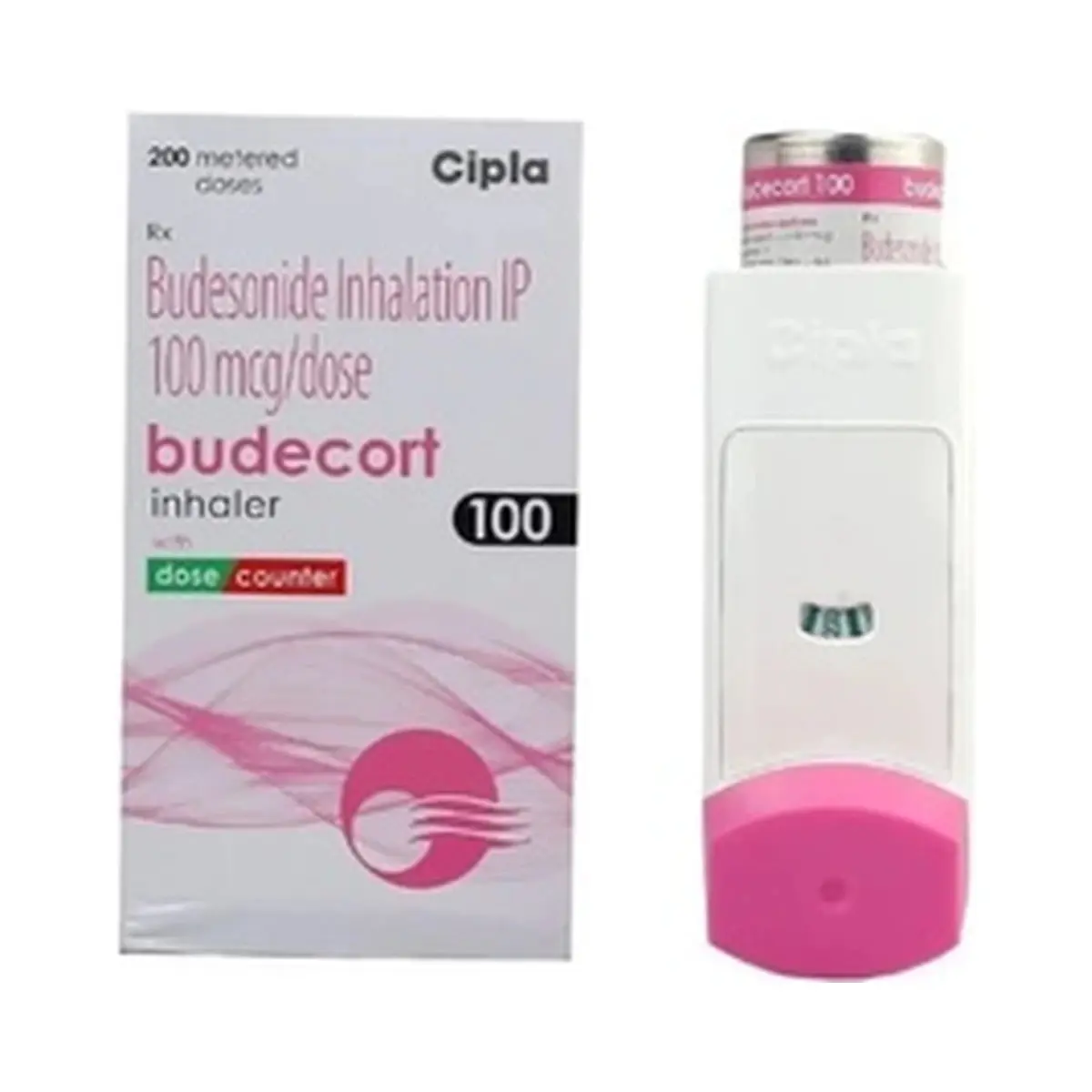
Budecort inhaler (Budesonide) 100 mcg
Budecort inhaler contains budesonide, an inhaled corticosteroid used as maintenance treatment for asthma. It is designed for regular anti-inflammatory control of the airways rather than rapid relief of sudden breathing symptoms.
Active Ingredient and Medicine Class
The verified active ingredient is budesonide. Budesonide belongs to the inhaled corticosteroid class. Medicines in this class reduce airway inflammation and help prevent asthma symptoms and flare-ups over time.
Established Medical Uses
Budesonide inhalers are established for the maintenance treatment of asthma and for prophylactic control of persistent airway inflammation. They are not intended as rescue medicines for immediate relief of acute bronchospasm.
In clinical practice, inhaled budesonide is used as a controller medicine to help reduce symptoms such as wheeze, chest tightness and shortness of breath, and to lower the risk of exacerbations when used as part of long-term asthma management.
How It Works
After inhalation, budesonide acts directly in the lungs to suppress inflammatory activity in the bronchial passages. This reduces swelling, mucus production and airway reactivity, making the airways less likely to narrow in response to triggers. Because the medicine is inhaled, its effect is concentrated in the lungs while systemic exposure is generally lower than with oral corticosteroids.
Important Safety Information
Budesonide should not be used for rapid relief of acute asthma attacks. Patients with worsening asthma, frequent need for reliever medicine, or sudden breathing difficulty require prompt medical assessment rather than reliance on an inhaled corticosteroid alone.
Clinically important precautions include hypersensitivity to budesonide or any excipient, and caution in people using strong CYP3A4 inhibitors such as ritonavir or similar medicines, because these can increase systemic corticosteroid exposure. Like other inhaled corticosteroids, budesonide may be associated with local mouth and throat effects, and the risk of systemic corticosteroid effects may increase with high exposure or prolonged use.
Possible Side Effects
Common adverse effects reported with inhaled budesonide include oral candidiasis, throat irritation, hoarseness or dysphonia, cough, and unpleasant taste or throat dryness. Some patients may also experience headache or mild upper respiratory symptoms.
More serious but less common reactions can include hypersensitivity reactions, paradoxical bronchospasm, and signs of corticosteroid excess with higher or prolonged exposure. Any marked worsening of breathing after use should be treated as urgent.
Scientific Evidence
Human studies and review literature support inhaled budesonide as an effective controller treatment for chronic asthma. The evidence shows improvement in asthma control, symptom reduction and prevention of exacerbations compared with placebo, with long-standing clinical experience supporting its use as an inhaled corticosteroid option. Reviews also describe a generally good tolerability profile, with local adverse effects being more common than serious systemic toxicity when used appropriately.
Medical Information Notice
This page is an educational summary based on sources available at the time of review. It does not replace the official patient leaflet, product label or individual assessment by a qualified healthcare professional.
Medical Sources
- U.S. Food and Drug Administration / DailyMed. PULMICORT FLEXHALER (budesonide) inhalation powder, prescribing information
- National Library of Medicine / DailyMed. PULMICORT FLEXHALER (budesonide) inhalation powder, updated label
- Adams N. Budesonide for chronic asthma in children and adults. Cochrane Database of Systematic Reviews, 2001. View scientific article
- Brogden RN et al. Budesonide. An updated review of its pharmacological properties, and therapeutic efficacy in asthma and rhinitis. Drugs, 1992. View scientific article