Description
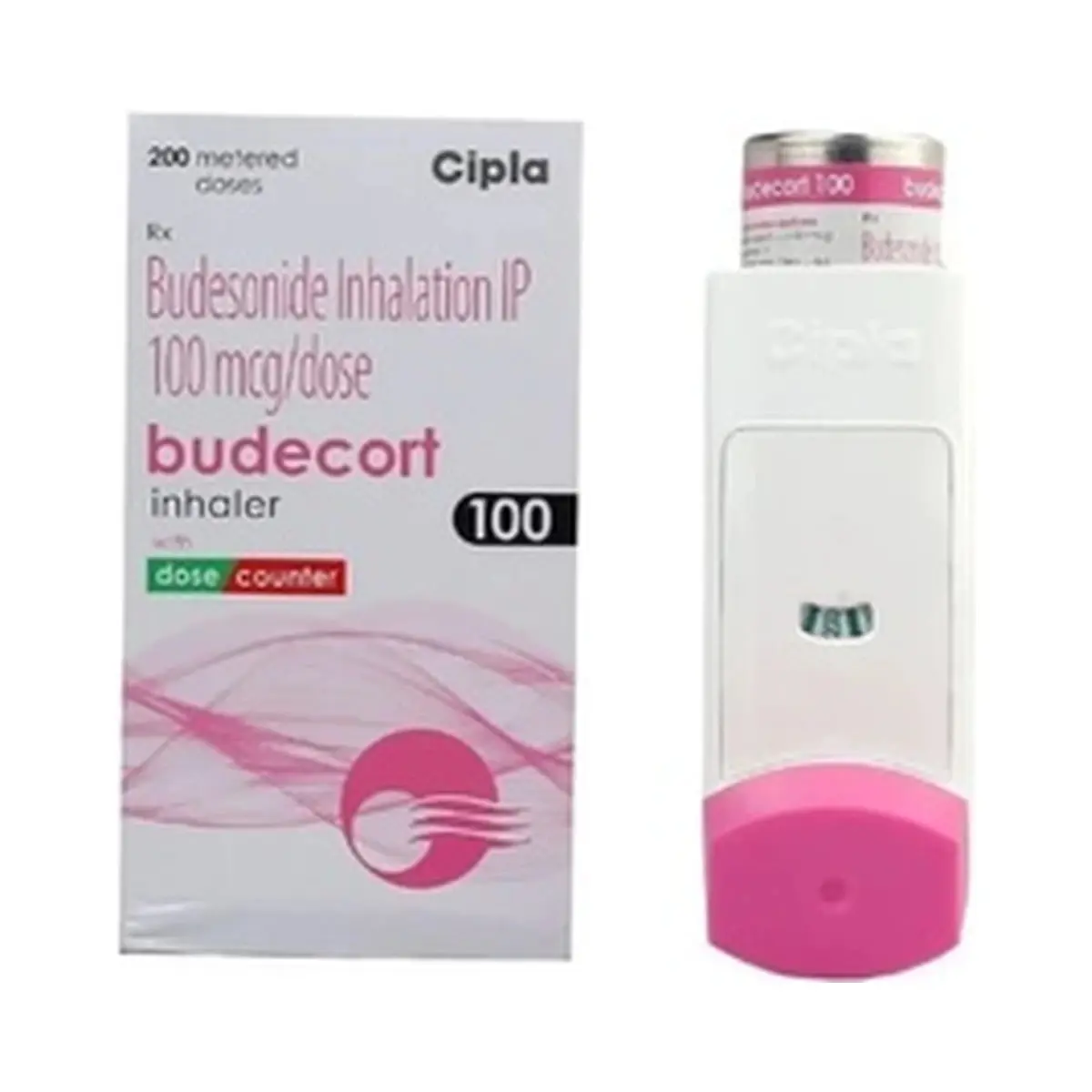
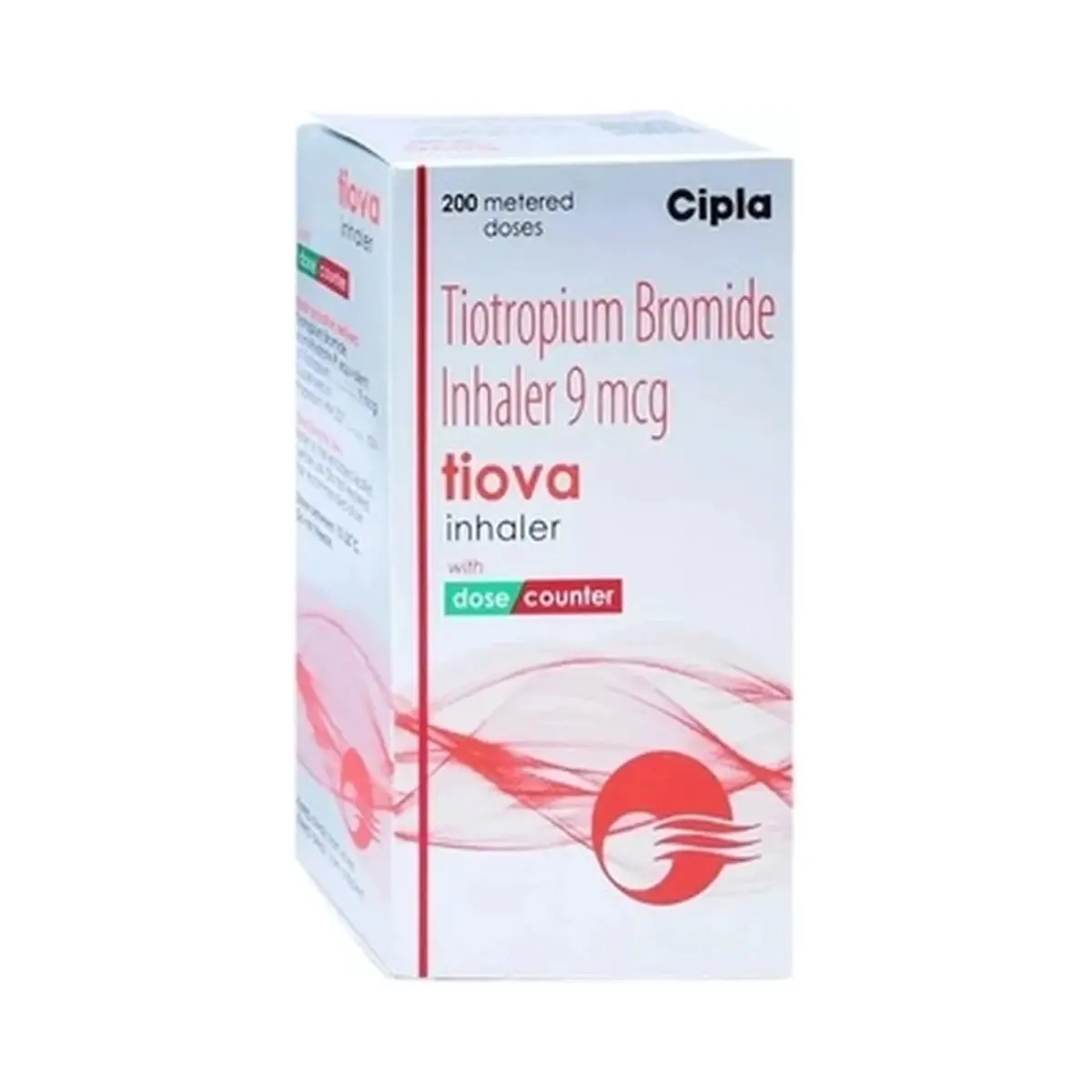
Tiova inhaler (Budesonide) 9 mcg – 200 doses
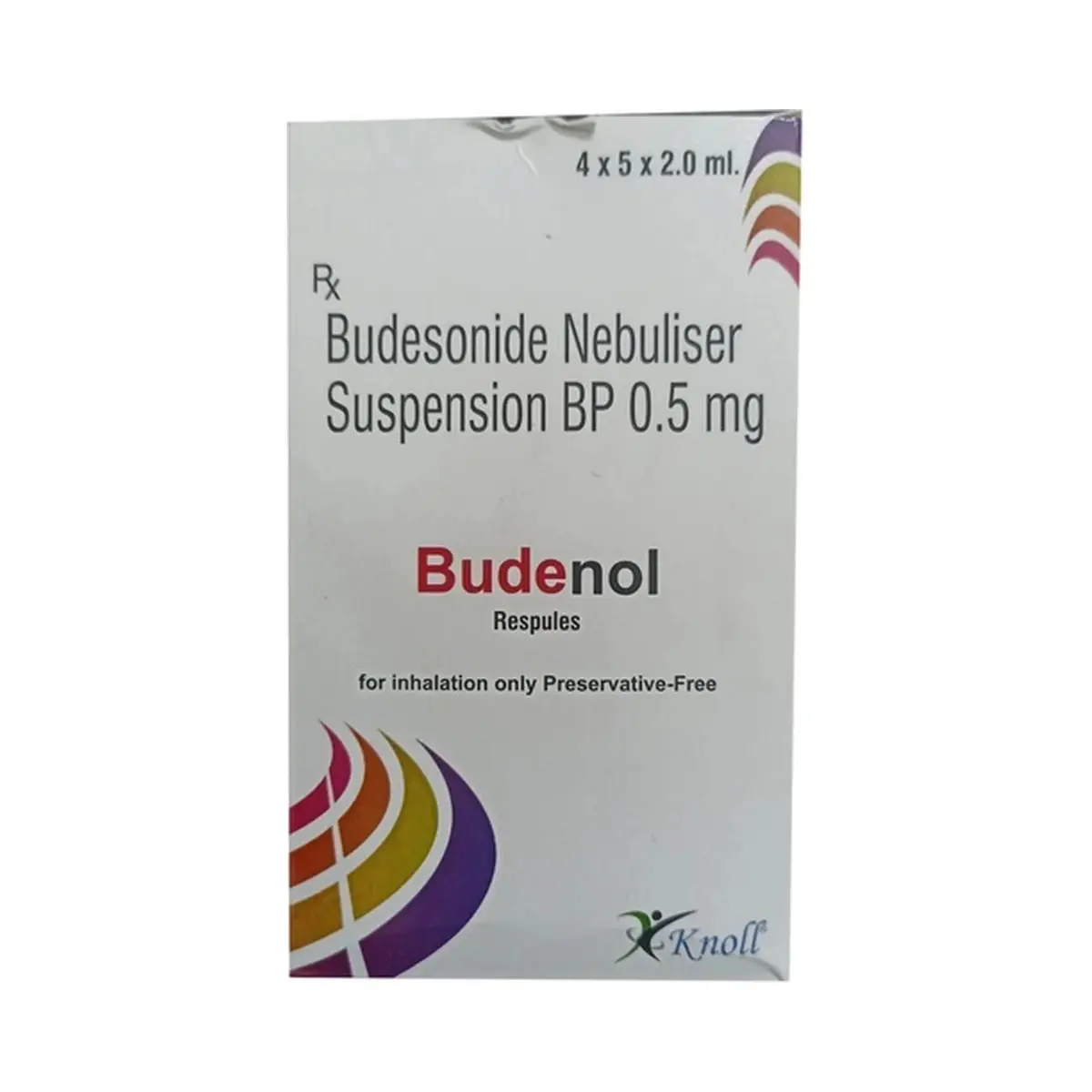
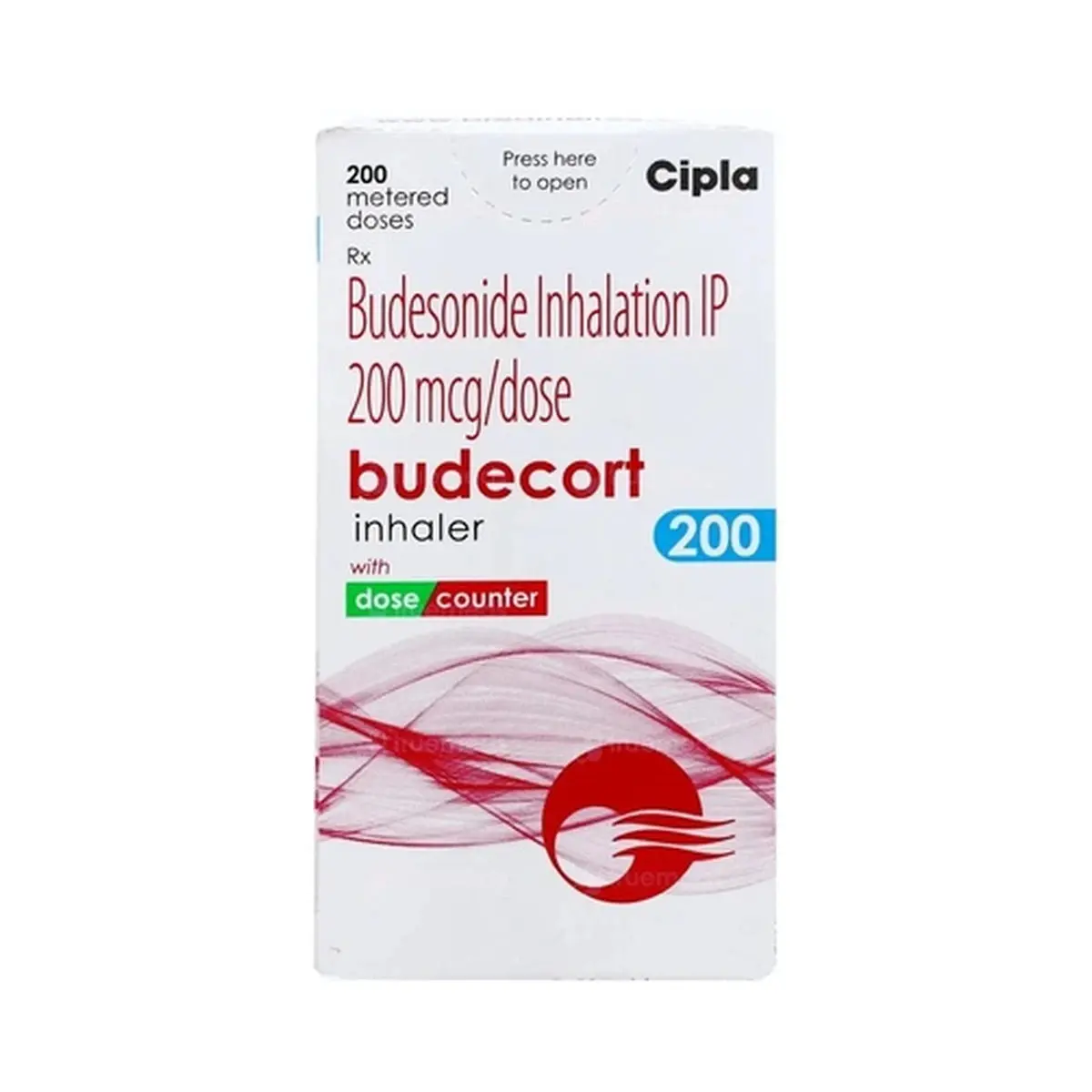
Tiova inhaler, as listed here, is described as a budesonide-containing inhaled medicine. Budesonide is an inhaled corticosteroid used for long-term control of asthma symptoms by reducing airway inflammation. The exact trade name could not be verified in the official sources reviewed, so this summary is based on the active ingredient described in the product listing.
Active Ingredient and Medicine Class
The verified active ingredient for this summary is budesonide. Budesonide belongs to the inhaled corticosteroid class. Medicines in this class are anti-inflammatory treatments designed to act directly in the lungs, with lower systemic exposure than oral corticosteroids when used as inhaled products.
Established Medical Uses
Budesonide inhalation products are established for the maintenance treatment of asthma and for prevention of persistent asthma symptoms. Inhaled corticosteroids are widely recognised as core controller medicines in asthma management. They are not intended for immediate relief of sudden bronchospasm or an acute asthma attack.
Depending on the formulation, budesonide may also be used in specific paediatric age groups or delivered by different inhalation devices. The exact approved use depends on the product presentation and local prescribing information.
How It Works
Budesonide reduces inflammation inside the airways. By calming the inflammatory process, it helps decrease swelling, mucus production and airway sensitivity, which can make asthma symptoms less frequent and easier to control over time. Because it is an inhaled medicine, its action is concentrated in the lungs rather than throughout the body.
Important Safety Information
Budesonide should not be used as a rescue medicine for sudden breathing difficulty. Official prescribing information for budesonide inhalation products also lists hypersensitivity to budesonide or any excipient as a contraindication. Clinically important precautions include the possibility of local fungal infection in the mouth and throat, worsening asthma control, and hypersensitivity reactions including bronchospasm or anaphylaxis.
Important interaction and caution considerations can include medicines that increase corticosteroid exposure, which may raise the risk of systemic steroid effects. As with other corticosteroids, prolonged or higher-exposure use may contribute to adrenal suppression, reduced growth velocity in children, bone effects or eye-related complications in susceptible patients. Product-specific information should always be checked because warnings can differ by formulation and device.
Possible Side Effects
Commonly reported adverse effects with inhaled budesonide products include throat irritation, cough, hoarseness, oral candidiasis and respiratory symptoms such as upper airway discomfort. Less common but more serious reactions can include hypersensitivity, paradoxical bronchospasm, adrenal suppression and systemic corticosteroid effects with prolonged exposure.
Scientific Evidence
Human studies and reviews consistently support budesonide as an effective inhaled corticosteroid for asthma control. Review evidence has shown benefit in chronic asthma, with reductions in symptoms and bronchodilator need, and clinical studies have supported its role as a maintenance anti-inflammatory treatment. More recent review literature continues to describe budesonide as an established controller medicine with a well-recognised efficacy and tolerability profile in asthma.
Medical Information Notice
This page is an educational summary based on sources available at the time of review. It does not replace the official patient leaflet, approved product information or an individual assessment by a qualified healthcare professional.
Medical Sources
- U.S. Food and Drug Administration / DailyMed. Budesonide Inhalation Suspension, prescribing information
- Medicines and Healthcare products Regulatory Agency (MHRA), GOV.UK. Inhaled medicines containing corticosteroid
- R N Brogden et al. Budesonide. An updated review of its pharmacological properties, and therapeutic efficacy in asthma and rhinitis. Drugs, 1992. View scientific article
- Olof Selroos et al. Once-daily inhaled budesonide for the treatment of asthma: clinical evidence and pharmacokinetic explanation. J Asthma, 2004. View scientific article