Description
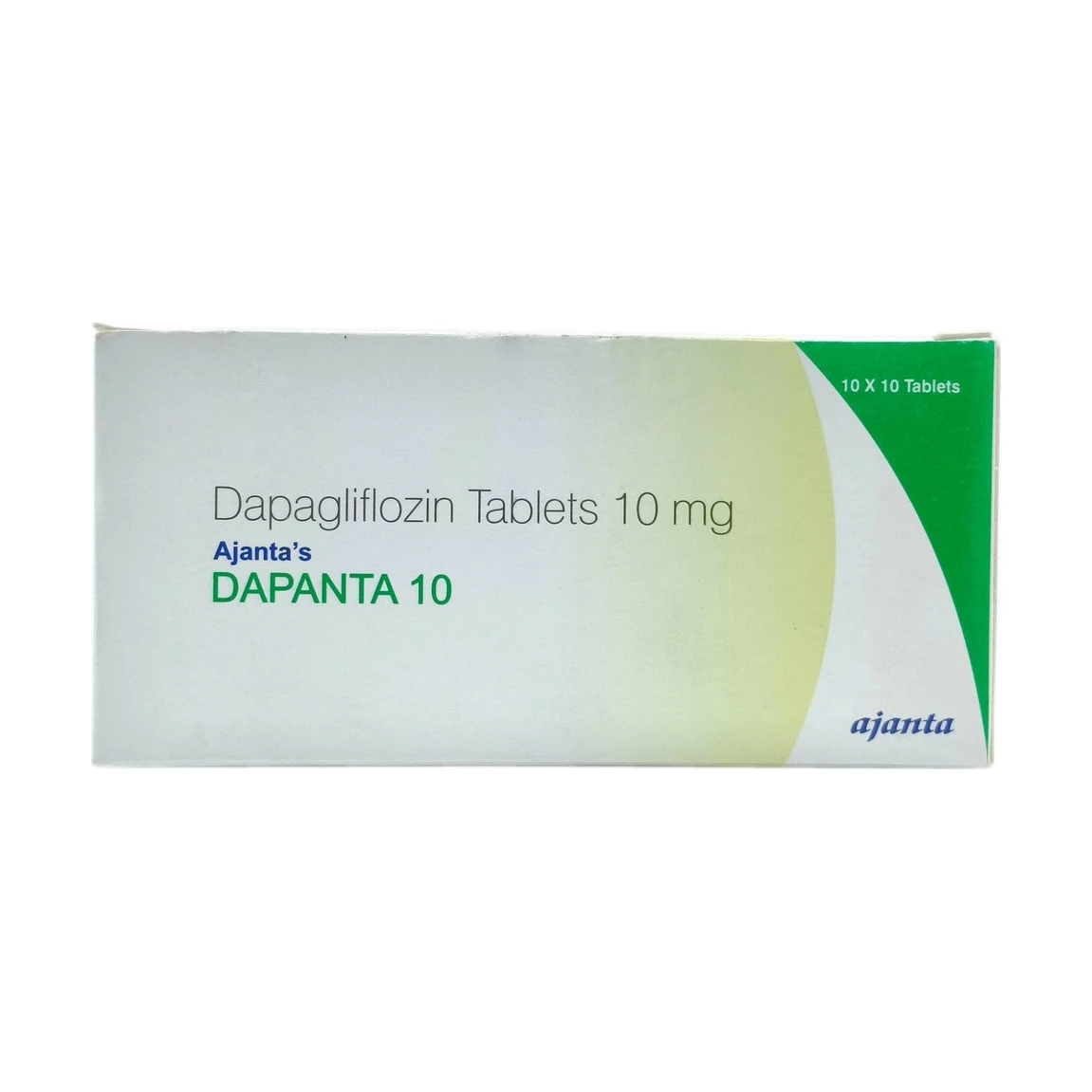
Dapanta (Dapagliflozin) 10 mg
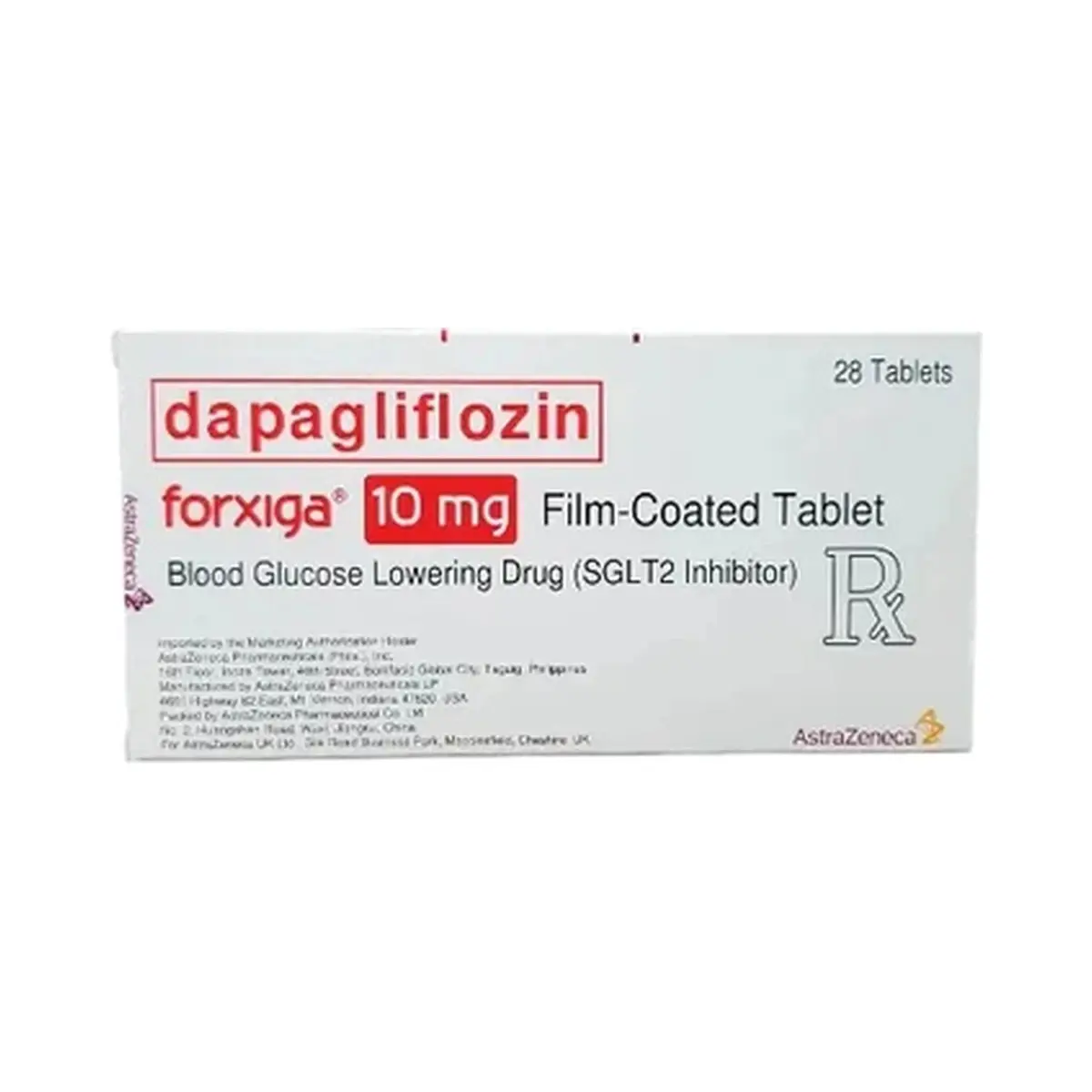
Dapanta 10 mg is a brand of dapagliflozin, an oral sodium-glucose cotransporter 2 (SGLT2) inhibitor. The verified product information describes dapagliflozin tablets as film-coated oral tablets, with the 10 mg strength used in adults for established indications.
Active Ingredient and Medicine Class
The active ingredient is dapagliflozin. It belongs to the SGLT2 inhibitor class of medicines used in diabetes care and, in some regulatory settings, for selected cardiorenal indications. This class acts mainly in the kidneys rather than by increasing insulin release.
Established Medical Uses
Authoritative prescribing information confirms dapagliflozin is used as an adjunct to diet and exercise to improve glycaemic control in adults with type 2 diabetes. It is also indicated to reduce the risk of hospitalization for heart failure in adults with type 2 diabetes who have established cardiovascular disease or multiple cardiovascular risk factors. In some jurisdictions, dapagliflozin products are additionally authorised for heart failure and chronic kidney disease, but those uses depend on the specific local label.
How It Works
Dapagliflozin blocks SGLT2 in the proximal renal tubules. This reduces reabsorption of filtered glucose and promotes urinary glucose excretion, which helps lower blood glucose. The mechanism also leads to mild natriuresis and changes in fluid balance, which are thought to contribute to its cardiovascular and renal effects seen in clinical studies.
Important Safety Information
Dapagliflozin should not be used in people with a history of serious hypersensitivity to dapagliflozin or any excipient in the tablet. Prescribing information warns about diabetic ketoacidosis, which can occur even when blood glucose is not markedly elevated, and about volume depletion, symptomatic hypotension, and acute changes in kidney function. Risk may be higher in older adults, patients with renal impairment, and those taking loop diuretics. Genitourinary infections, including urinary tract infections, genital mycotic infections, pyelonephritis, urosepsis, and rare cases of Fournier’s gangrene, have been reported. When used with insulin or insulin secretagogues, the risk of hypoglycaemia may increase. Pregnancy and breastfeeding require special caution, and product labelling advises against use while breastfeeding.
Possible Side Effects
Commonly reported adverse effects include genital fungal infections, urinary tract infections, and nasopharyngitis. Other important reactions include increased urination, dehydration-related symptoms, dizziness or low blood pressure, and changes in kidney function. Serious but less common events include ketoacidosis, severe urinary or genital infection, hypersensitivity reactions such as angioedema, and necrotising soft tissue infection of the perineum.
Scientific Evidence
Clinical trial evidence supports dapagliflozin as an effective glucose-lowering therapy in type 2 diabetes, with additional benefits on heart failure-related outcomes in selected patients. In the DECLARE-TIMI 58 trial, dapagliflozin did not reduce major adverse cardiovascular events overall, but it did lower the composite of cardiovascular death or hospitalization for heart failure, driven mainly by fewer heart-failure hospitalizations. Reviews in PubMed also describe consistent reductions in blood glucose and a generally favourable tolerability profile, while noting a higher frequency of genital infections and rare ketoacidosis.
Medical Information Notice
This educational summary is based on official prescribing information and peer-reviewed literature available at the time of review. It does not replace the official patient leaflet, product label, or an individual assessment by a qualified healthcare professional.
Medical Sources
- U.S. Food and Drug Administration / DailyMed. Dapagliflozin tablets, for oral use: Full prescribing information. View official prescribing information
- European Medicines Agency. Dapagliflozin Viatris, INN-dapagliflozin: medicine overview. View medicine overview
- Stephen D Wiviott et al. Dapagliflozin and Cardiovascular Outcomes in Type 2 Diabetes. N Engl J Med, 2019. View scientific article
- Sohita Dhillon. Dapagliflozin: A Review in Type 2 Diabetes. Drugs, 2019. View scientific article