Description
Dapasmart (Dapagliflozin) 10 mg
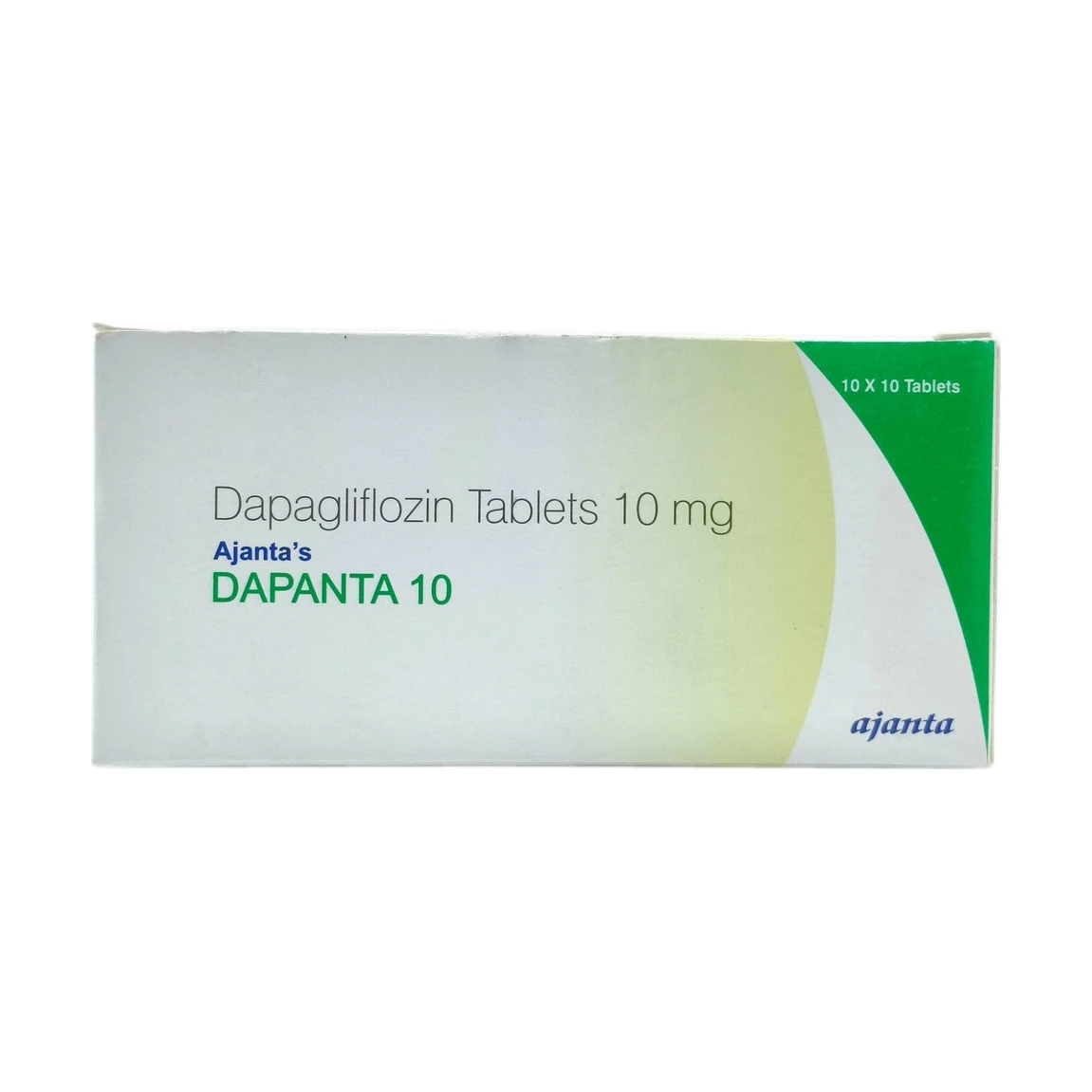
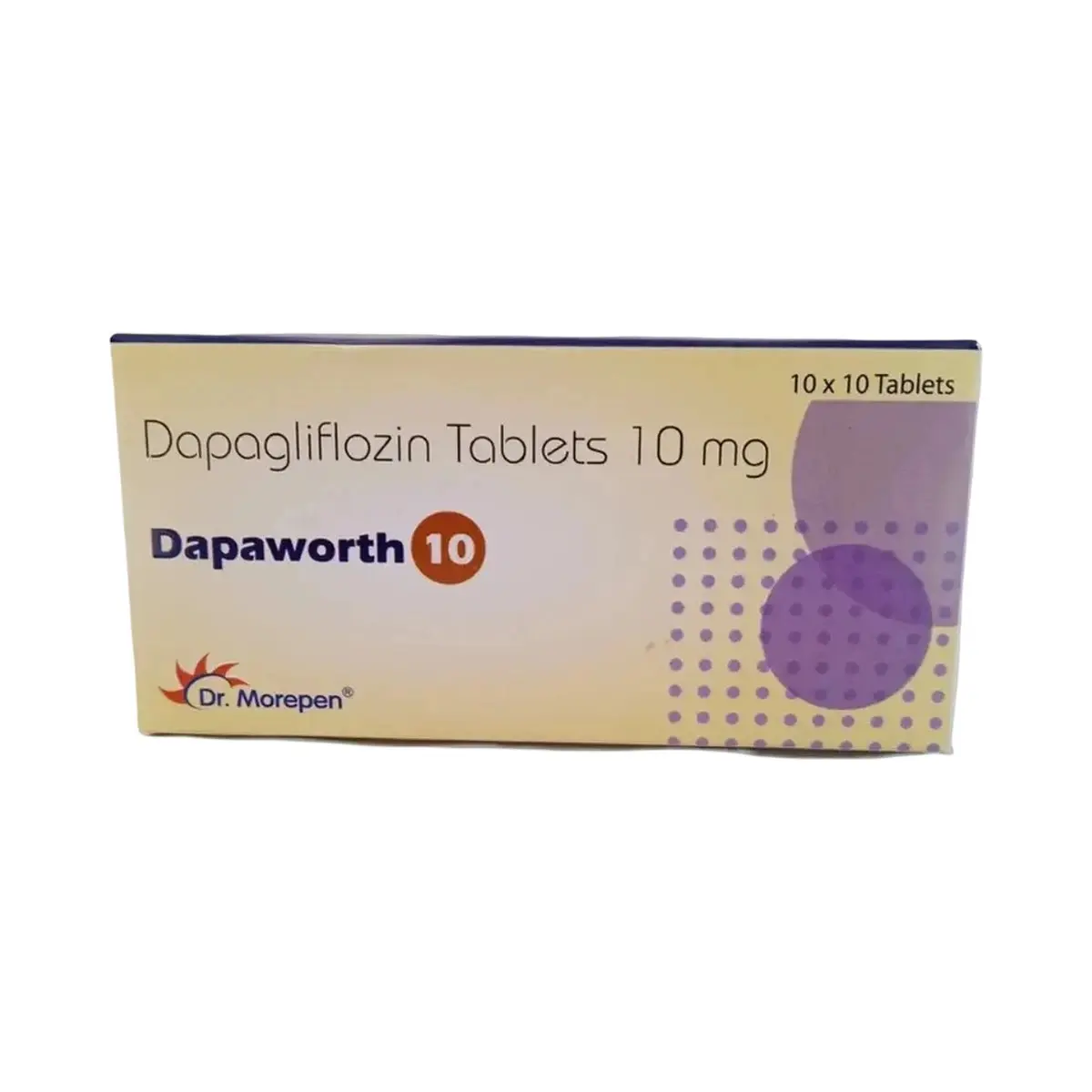
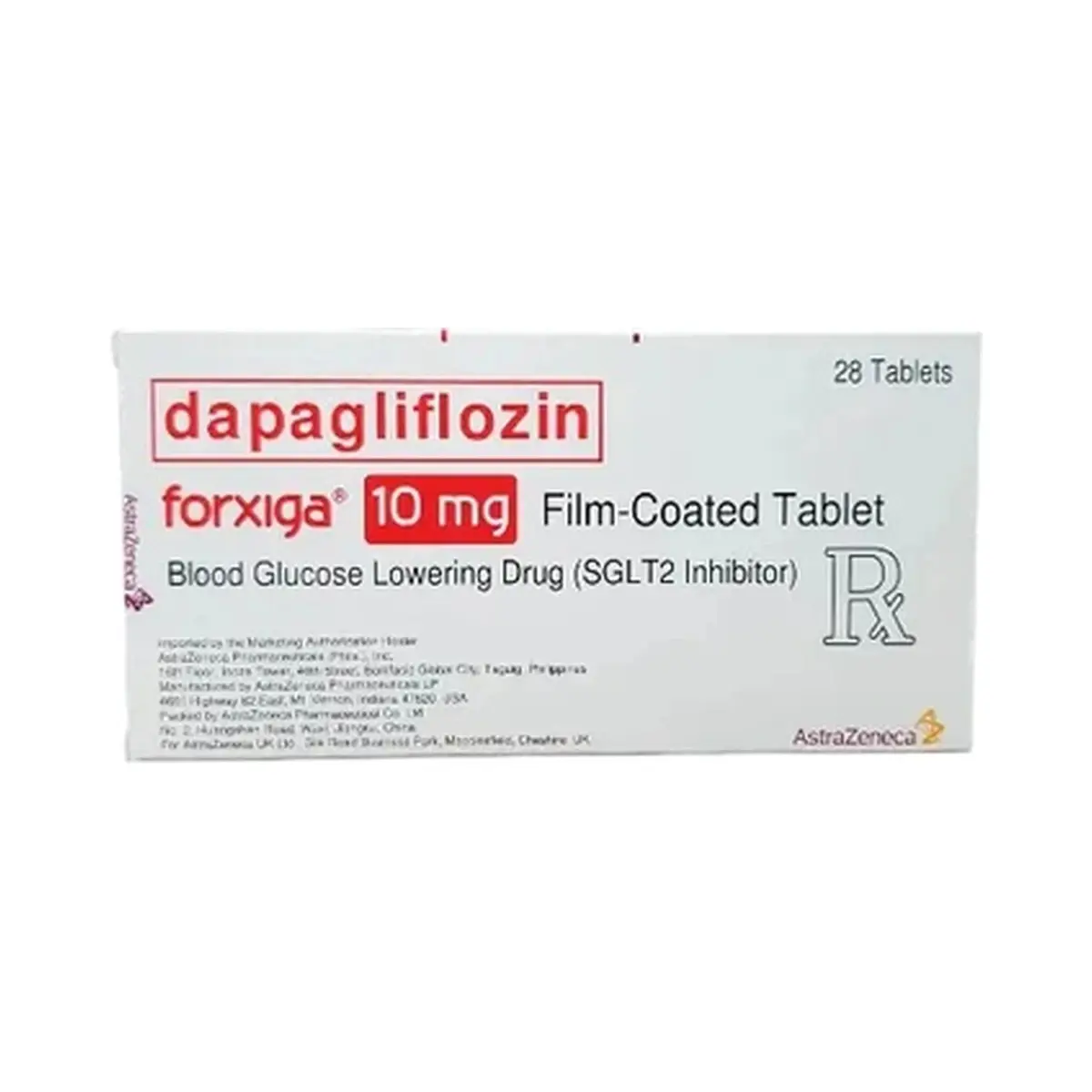
This product is presented as dapagliflozin 10 mg tablets. Dapagliflozin is a prescription medicine in the sodium-glucose co-transporter 2 (SGLT2) inhibitor class. Official regulatory information identifies dapagliflozin as the active ingredient used in the treatment of type 2 diabetes, and in some regions it is also authorised for chronic heart failure and chronic kidney disease.
Active Ingredient and Medicine Class
The verified active ingredient is dapagliflozin. It belongs to the SGLT2 inhibitor class of medicines. These agents act in the kidneys to reduce glucose reabsorption, which increases urinary glucose loss and lowers blood glucose. Dapagliflozin is supplied as oral tablets; 10 mg is one of the established strengths.
Established Medical Uses
For type 2 diabetes, dapagliflozin is used as an adjunct to diet and exercise to improve glycaemic control in adults, and in some regulatory settings also in children and adolescents from 10 years of age. It may be used alone when metformin is not suitable, or together with other diabetes medicines. In some countries, authorised uses also include symptomatic chronic heart failure and chronic kidney disease in adults.
Established use depends on local approval and the official product label for the specific market. A trade name may not have the same authorised indications everywhere.
How It Works
Dapagliflozin blocks SGLT2, a transporter in the kidney tubules that normally reabsorbs filtered glucose back into the bloodstream. By inhibiting this transporter, the medicine increases the amount of glucose excreted in urine and lowers circulating glucose levels. Its glucose-lowering effect does not depend on insulin secretion, which makes it mechanistically different from many traditional diabetes medicines.
In heart failure and chronic kidney disease, the clinical benefits are thought to involve a combination of effects, including mild diuresis and natriuresis, reduced intravascular volume, and broader kidney and cardiovascular effects observed in clinical studies.
Important Safety Information
Dapagliflozin is contraindicated in people with a history of serious hypersensitivity to dapagliflozin or any tablet excipient. Important warnings include diabetic ketoacidosis, including cases reported with relatively normal blood glucose; volume depletion and hypotension, especially in older adults, people with renal impairment, or those taking diuretics; and serious genitourinary infections, including pyelonephritis, urosepsis, and rare necrotizing fasciitis of the perineum. It may increase the risk of hypoglycaemia when combined with insulin or an insulin secretagogue. Use in pregnancy and breastfeeding requires careful consideration because official prescribing information advises caution or non-use in these settings.
Renal function is important because glycaemic benefit is reduced when kidney function is significantly impaired, and some labels restrict initiation below certain estimated glomerular filtration thresholds. The exact thresholds can vary by indication and jurisdiction.
Possible Side Effects
Common adverse effects include genital mycotic infections, urinary tract infections, and nasopharyngitis. In some patients, dehydration-related effects such as dizziness, low blood pressure, or changes in kidney function may occur. Serious reactions, although less common, include ketoacidosis, severe urinary infections, acute kidney injury, hypersensitivity reactions such as angioedema, and Fournier’s gangrene.
People taking other glucose-lowering medicines may have a higher risk of low blood sugar, depending on the accompanying therapy.
Scientific Evidence
Clinical trials and systematic reviews show that dapagliflozin lowers HbA1c and fasting glucose in type 2 diabetes, with additional effects on body weight and blood pressure. Larger outcome studies and later reviews also support benefits in heart failure and chronic kidney disease populations. At the same time, published analyses consistently note a higher risk of genital infections, and some analyses report increased urinary tract infection risk with dapagliflozin, particularly at certain doses or in specific study groups.
Medical Information Notice
This page is an educational summary based on sources available at the time of review. It does not replace the official patient leaflet, product label, or individual assessment by a qualified health professional.
Medical Sources
- U.S. Food and Drug Administration. FARXIGA (dapagliflozin) tablets, for oral use — Prescribing Information. View official prescribing information
- DailyMed. Dapagliflozin tablets — Prescribing Information. View official drug label
- European Medicines Agency. Forxiga (dapagliflozin) — EPAR Medicine Overview. View medicine overview
- Ioanna Papakitsou et al. Differential pharmacology and clinical utility of dapagliflozin in type 2 diabetes. Clinical Pharmacology, 2019. View scientific article
- Dandan Li et al. Urinary tract and genital infections in patients with type 2 diabetes treated with sodium-glucose co-transporter 2 inhibitors: A meta-analysis of randomized controlled trials. Diabetes, Obesity and Metabolism, 2017. View scientific article