Description
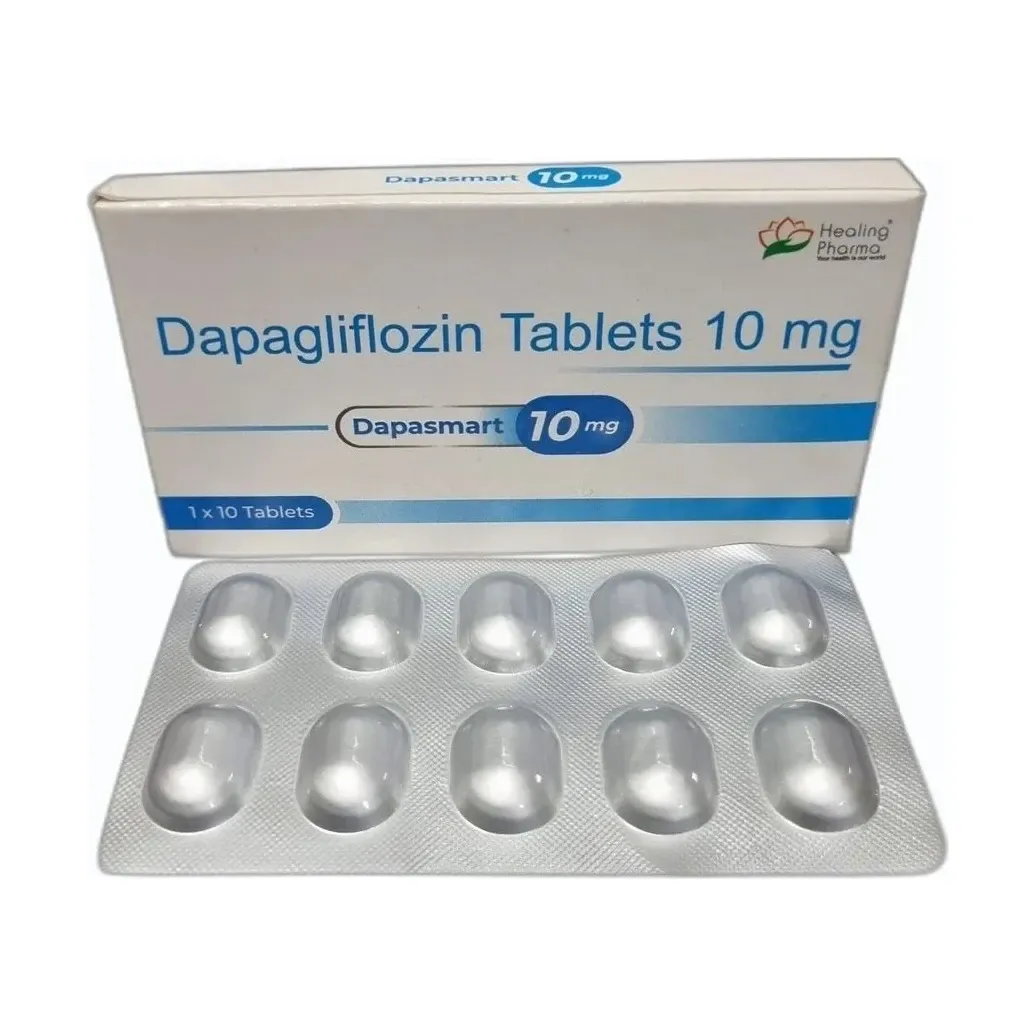
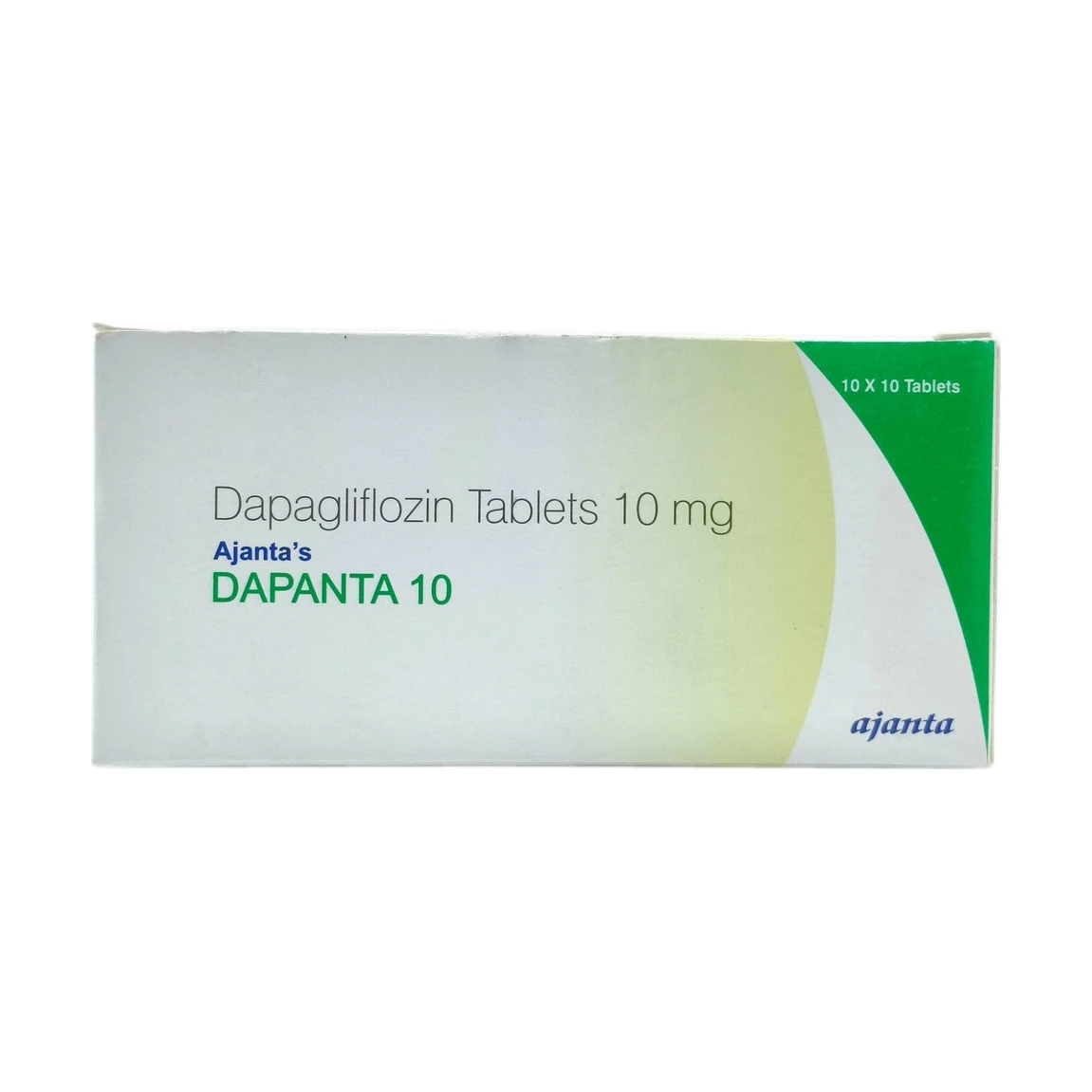
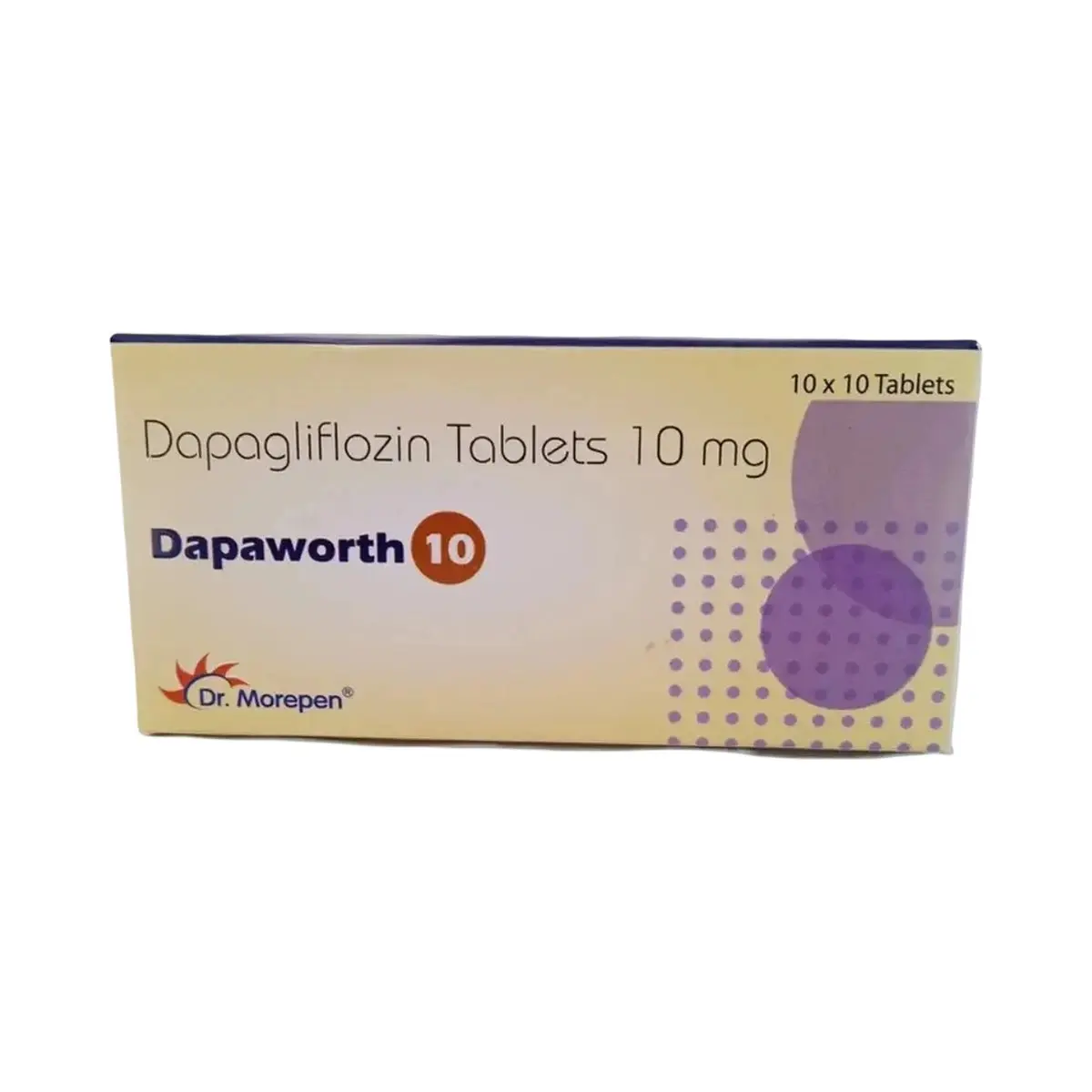
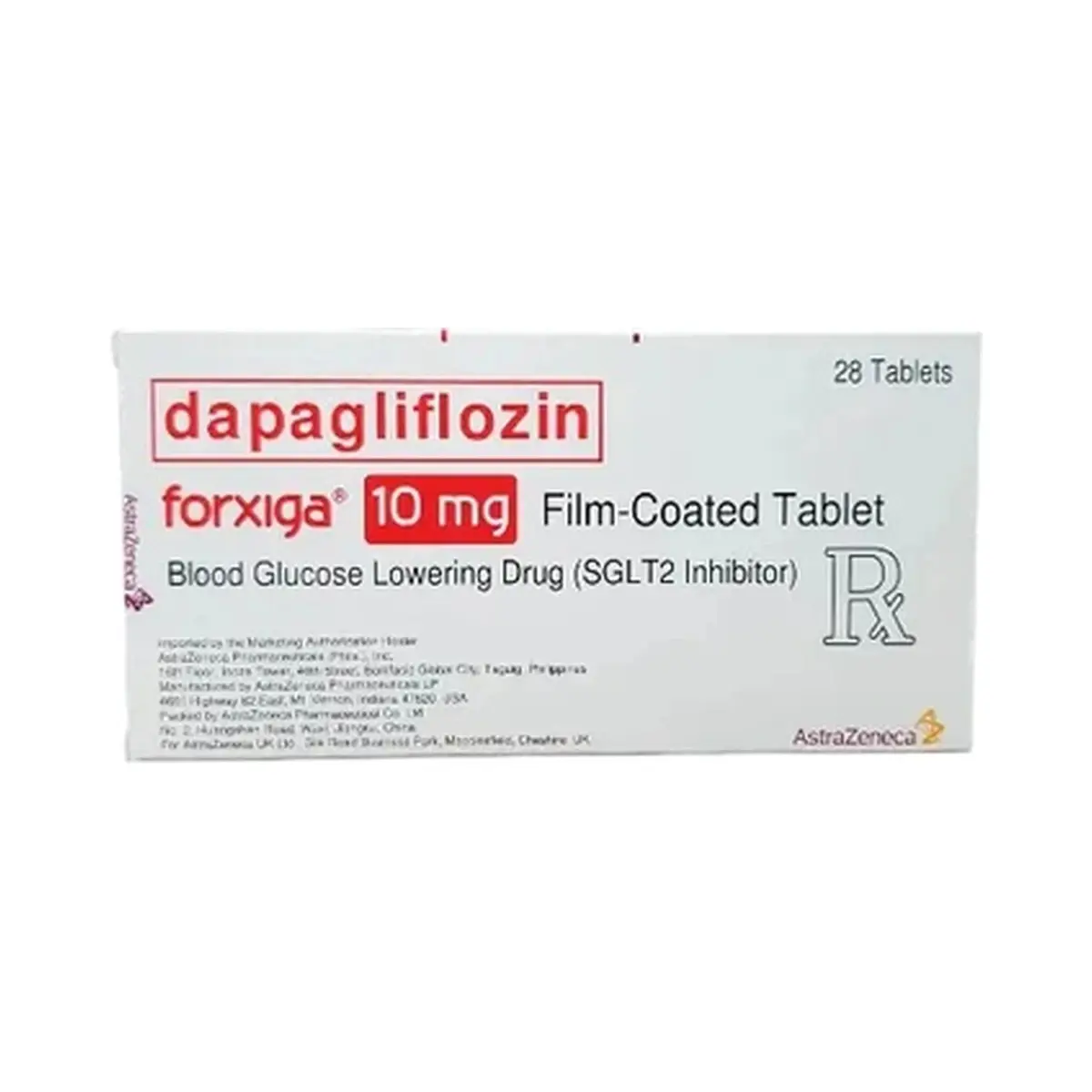
Forxiga (Dapagliflozin) 10 mg
Forxiga 10 mg is a prescription medicine containing dapagliflozin, an oral sodium-glucose co-transporter 2 (SGLT2) inhibitor. It is a tablet formulation used in the management of type 2 diabetes, and it is also authorised in adults for symptomatic chronic heart failure and chronic kidney disease. This summary focuses on the verified medicine and its established clinical uses.
Active Ingredient and Medicine Class
The active ingredient in Forxiga is dapagliflozin. It belongs to the SGLT2 inhibitor class of medicines. These agents reduce glucose reabsorption in the kidney, which increases glucose loss in the urine and helps lower blood glucose. Because the same renal mechanism also has effects on salt and fluid balance, dapagliflozin has clinical roles beyond glucose control in selected adults with heart failure and chronic kidney disease.
Established Medical Uses
Forxiga is authorised for the treatment of insufficiently controlled type 2 diabetes mellitus in adults and in children aged 10 years and above, as an adjunct to diet and exercise. In adults, it is also authorised for symptomatic chronic heart failure and for chronic kidney disease.
In type 2 diabetes, it may be used when metformin is not appropriate because of intolerance, or as add-on treatment with other glucose-lowering medicines. In heart failure and chronic kidney disease, its use is based on evidence that it can reduce clinically important disease-related events in appropriately selected patients.
How It Works
Dapagliflozin blocks SGLT2 in the kidney’s proximal tubules. Under normal conditions, this transporter reabsorbs filtered glucose back into the bloodstream. By inhibiting SGLT2, dapagliflozin increases urinary glucose excretion and lowers circulating glucose levels. The same mechanism also promotes mild natriuresis and osmotic diuresis, which is thought to contribute to benefits seen in heart failure and kidney disease.
Important Safety Information
Important contraindications and precautions include hypersensitivity to dapagliflozin or any excipient, and situations where the medicine is unsuitable because of limited expected benefit or increased risk. Use is not recommended in type 1 diabetes. Dapagliflozin should be used cautiously in people at risk of volume depletion, hypotension, or renal impairment, because its glucose-lowering effect depends on kidney function and may be reduced at lower glomerular filtration rates.
Clinically significant interactions include a higher risk of hypoglycaemia when combined with insulin or insulin secretagogues, and an increased risk of dehydration or low blood pressure when used with loop or thiazide diuretics. Lithium levels may be reduced. The medicine may also increase urine glucose, which can affect laboratory interpretation.
Rare but serious risks reported with the SGLT2 inhibitor class include diabetic ketoacidosis, severe urinary tract infection, and necrotising fasciitis of the perineum. Genital mycotic infection is a recognised common risk. Dapagliflozin should be avoided during pregnancy in later trimesters and should not be used while breastfeeding according to the product information.
Possible Side Effects
Common adverse effects include genital infections, urinary tract infections, increased urination, thirst, and genital itching or discomfort. Low blood sugar is especially likely when dapagliflozin is used with insulin or a sulphonylurea. Other important reactions can include dizziness, dehydration, increased haematocrit, and changes in renal function in susceptible patients.
Serious adverse effects are uncommon but may include diabetic ketoacidosis, severe infection of the genital or perineal region, acute kidney injury in the setting of fluid loss, and serious hypersensitivity reactions.
Scientific Evidence
Clinical studies and reviews have shown that dapagliflozin lowers HbA1c and fasting glucose in type 2 diabetes, with additional effects on body weight and blood pressure. Larger outcome trials have also shown reductions in heart-failure-related events and kidney disease progression in selected adult populations. The evidence base is strongest for established prescribing uses; it should not be interpreted as a guarantee of benefit for every patient.
Medical Information Notice
This page is an educational summary based on sources available at the time of review. It does not replace the official patient leaflet, the full prescribing information, or an individual assessment by a qualified healthcare professional.
Medical Sources
- European Medicines Agency. Forxiga: EPAR – Medicine overview. View official medicine overview
- European Medicines Agency. Forxiga: EPAR – Product Information. View product information
- electronic Medicines Compendium (emc). Dapagliflozin 10 mg Film-coated Tablets: Summary of Product Characteristics. View SmPC
- Ioanna Papakitsou et al. Differential pharmacology and clinical utility of dapagliflozin in type 2 diabetes. Clinical Pharmacology: Advances and Applications, 2019. View scientific article
- Gregory L. Peters et al. Dapagliflozin for the Treatment of Type 2 Diabetes Mellitus. P&T, 2014. View scientific article