Description
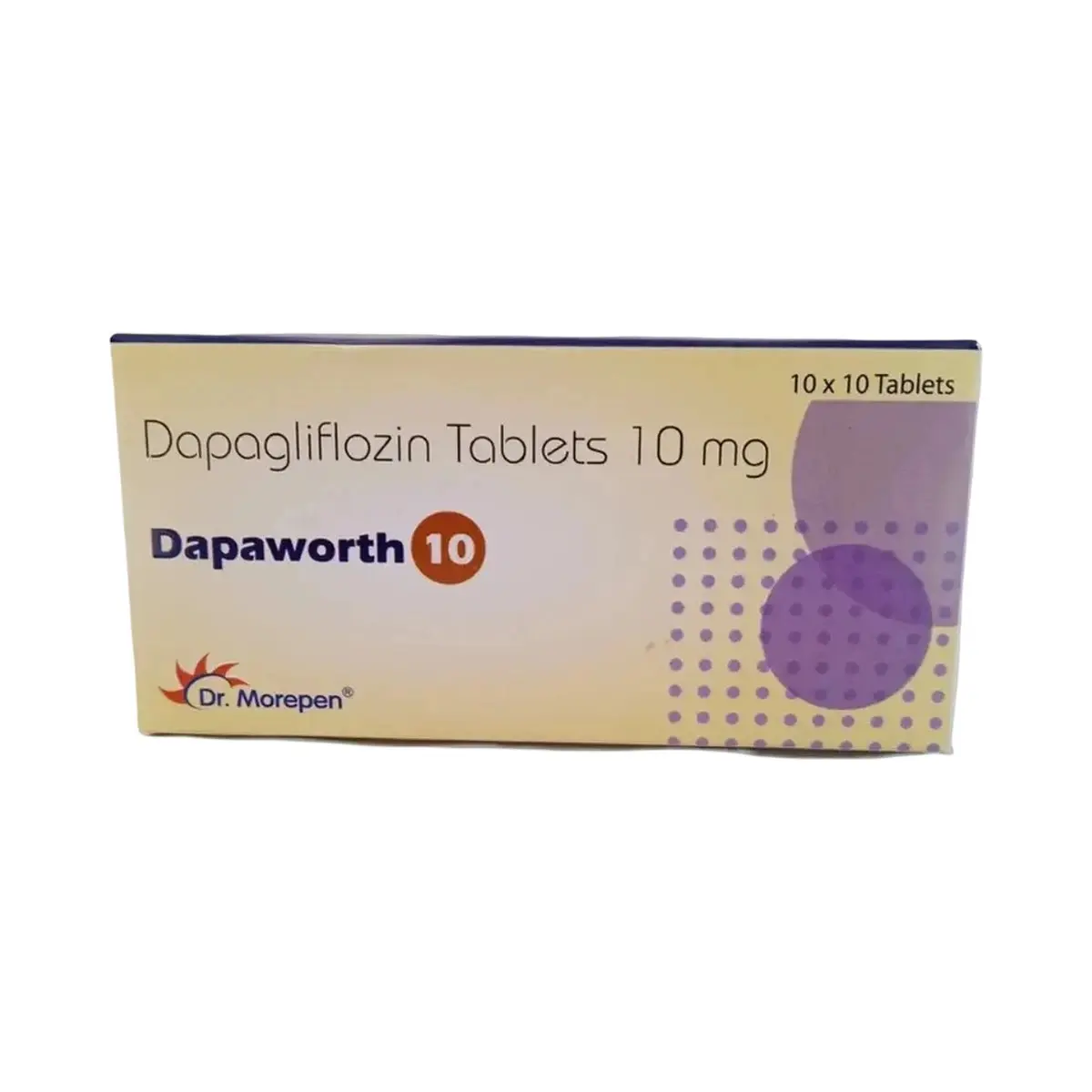
Dapaworth (Dapagliflozin) 10 mg
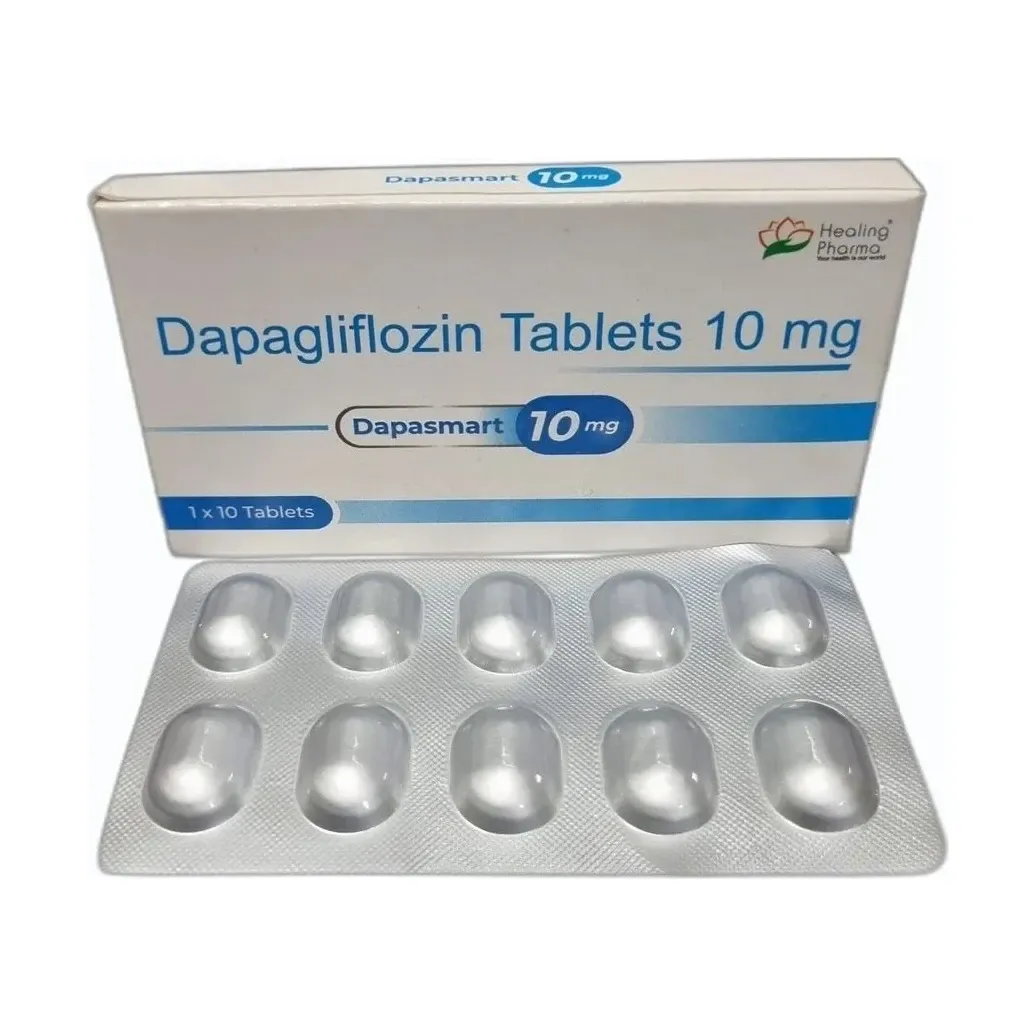
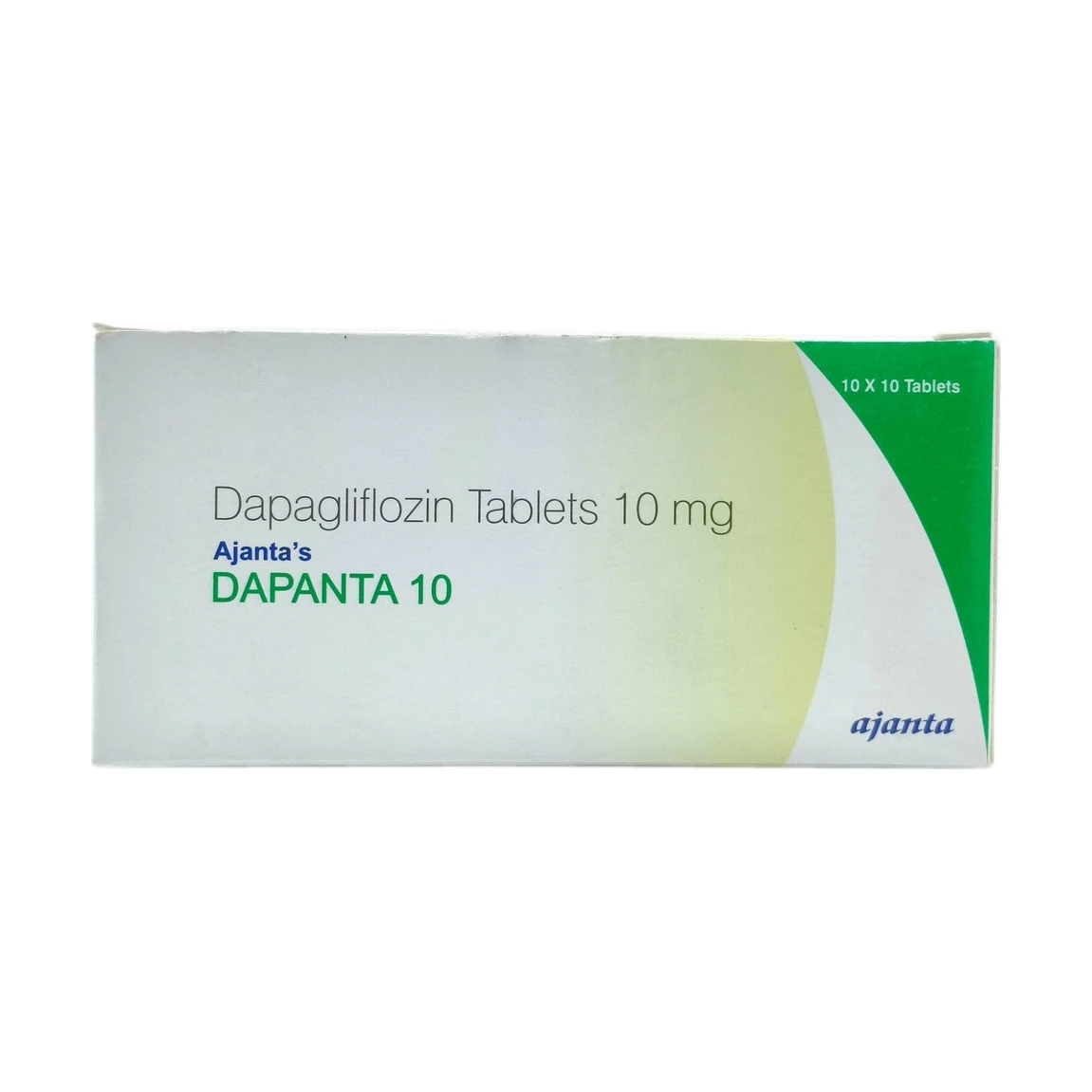
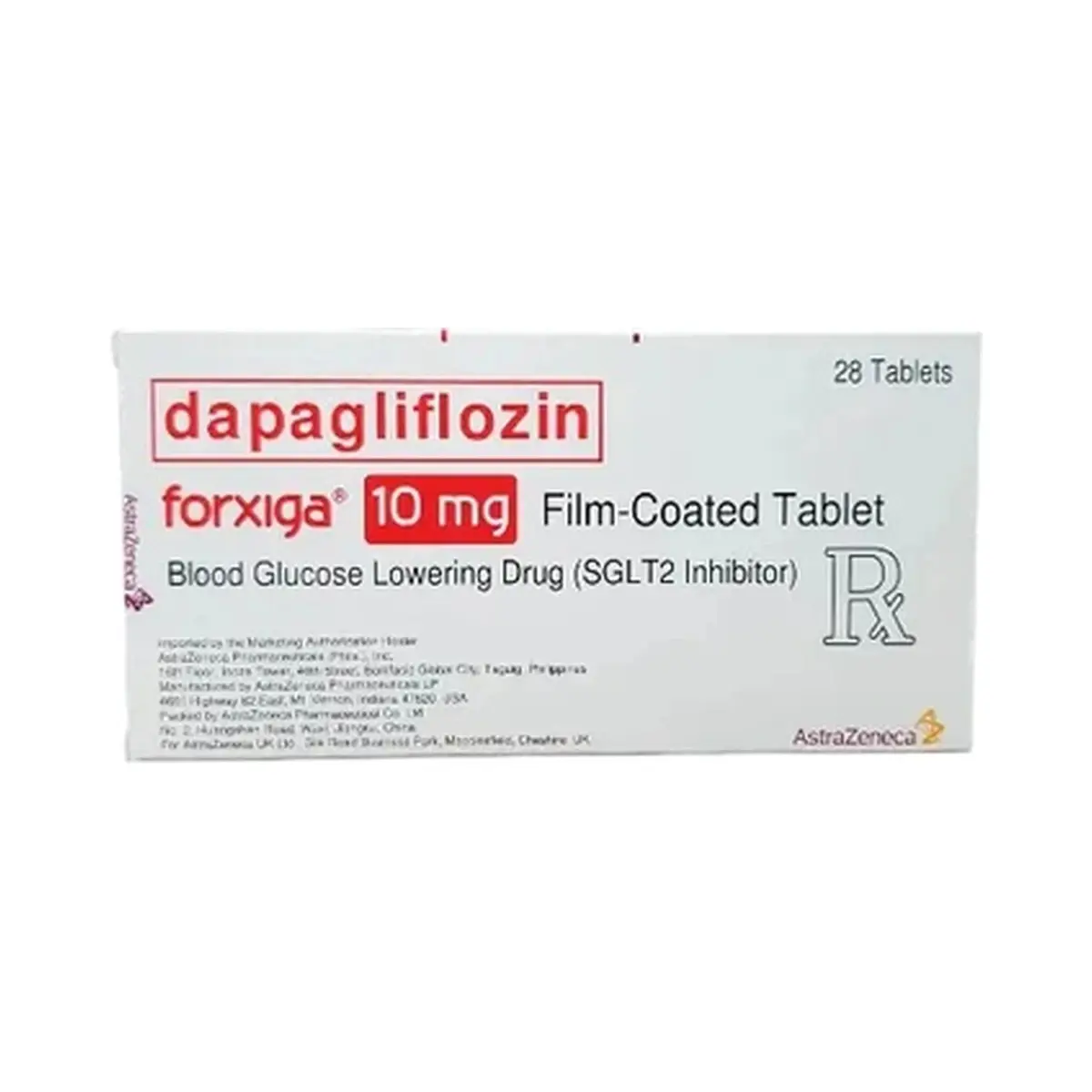
Dapaworth 10 mg is a prescription oral tablet containing dapagliflozin. Dapagliflozin is a sodium-glucose cotransporter 2 (SGLT2) inhibitor. It is used in the management of type 2 diabetes and is also associated with cardiovascular and heart-failure benefits in selected adult patients with type 2 diabetes.
Active Ingredient and Medicine Class
The verified active ingredient is dapagliflozin. It belongs to the SGLT2 inhibitor class. These medicines act on the kidney to reduce glucose reabsorption, which increases urinary glucose excretion. This class also produces mild natriuretic and diuretic effects that may contribute to cardiovascular and renal benefits.
Established Medical Uses
Dapagliflozin is established for improving glycaemic control in adults with type 2 diabetes mellitus as an adjunct to diet and exercise. In official prescribing information, it is also indicated to reduce the risk of hospitalization for heart failure in adults with type 2 diabetes who have established cardiovascular disease or multiple cardiovascular risk factors.
Additional regulatory indications may vary by country and product label. The listed 10 mg tablet strength is commonly used in adult indications where dapagliflozin is prescribed.
How It Works
SGLT2 proteins in the proximal renal tubules normally reclaim most filtered glucose from urine. Dapagliflozin blocks this transporter, so more glucose is excreted in the urine and blood glucose levels fall. By also reducing sodium reabsorption, the medicine may lower preload and afterload on the heart and influence fluid balance.
Important Safety Information
Dapagliflozin should not be used in patients with a known serious hypersensitivity reaction to the medicine or its excipients. Official labeling also lists severe renal impairment, end-stage kidney disease, or dialysis as contraindications in some regulatory jurisdictions. Its glucose-lowering effect is reduced when kidney function is significantly impaired, and renal function should be assessed before use and monitored during therapy.
Clinically important warnings include diabetic ketoacidosis, which can occur even when blood glucose is not markedly elevated, especially during acute illness, surgery, reduced food intake, dehydration, or excessive alcohol use. The medicine can also cause volume depletion, hypotension, and changes in kidney function. Serious genitourinary infections, including pyelonephritis, urosepsis, and rare Fournier’s gangrene, have been reported. Hypoglycemia is more likely when dapagliflozin is combined with insulin or sulfonylureas.
Possible Side Effects
Common adverse effects include genital fungal infections, urinary tract infections, increased urination, thirst, and symptoms related to reduced circulating volume such as dizziness or low blood pressure. In some patients, laboratory changes in kidney function may occur.
Less common but serious reactions include ketoacidosis, severe dehydration, acute kidney injury, serious urinary or genital infections, hypersensitivity reactions such as angioedema or urticaria, and necrotizing fasciitis of the perineum. Any concerning symptoms should be assessed promptly by a qualified clinician.
Scientific Evidence
Human clinical trials have shown that dapagliflozin lowers blood glucose in type 2 diabetes and improves major heart-failure outcomes in selected patient groups. In the DAPA-HF trial, dapagliflozin reduced the risk of worsening heart failure or cardiovascular death in patients with heart failure and reduced ejection fraction, regardless of diabetes status. In the DELIVER trial, benefit was also seen in heart failure with mildly reduced or preserved ejection fraction. These findings support the broader cardiovascular role of SGLT2 inhibition beyond glucose lowering.
Medical Information Notice
This page is an educational summary based on sources available at the time of review. It does not replace the official product leaflet, local prescribing information, or individual medical assessment by a healthcare professional.
Medical Sources
- U.S. Food and Drug Administration. FARXIGA (dapagliflozin) tablets, prescribing information. View official prescribing information
- DailyMed / U.S. National Library of Medicine. Dapagliflozin tablets, film coated, prescribing information. View official drug label
- John J V McMurray et al. Dapagliflozin in Patients with Heart Failure and Reduced Ejection Fraction. New England Journal of Medicine, 2019. View scientific article
- Scott D Solomon et al. Dapagliflozin in Heart Failure with Mildly Reduced or Preserved Ejection Fraction. New England Journal of Medicine, 2022. View scientific article