Description
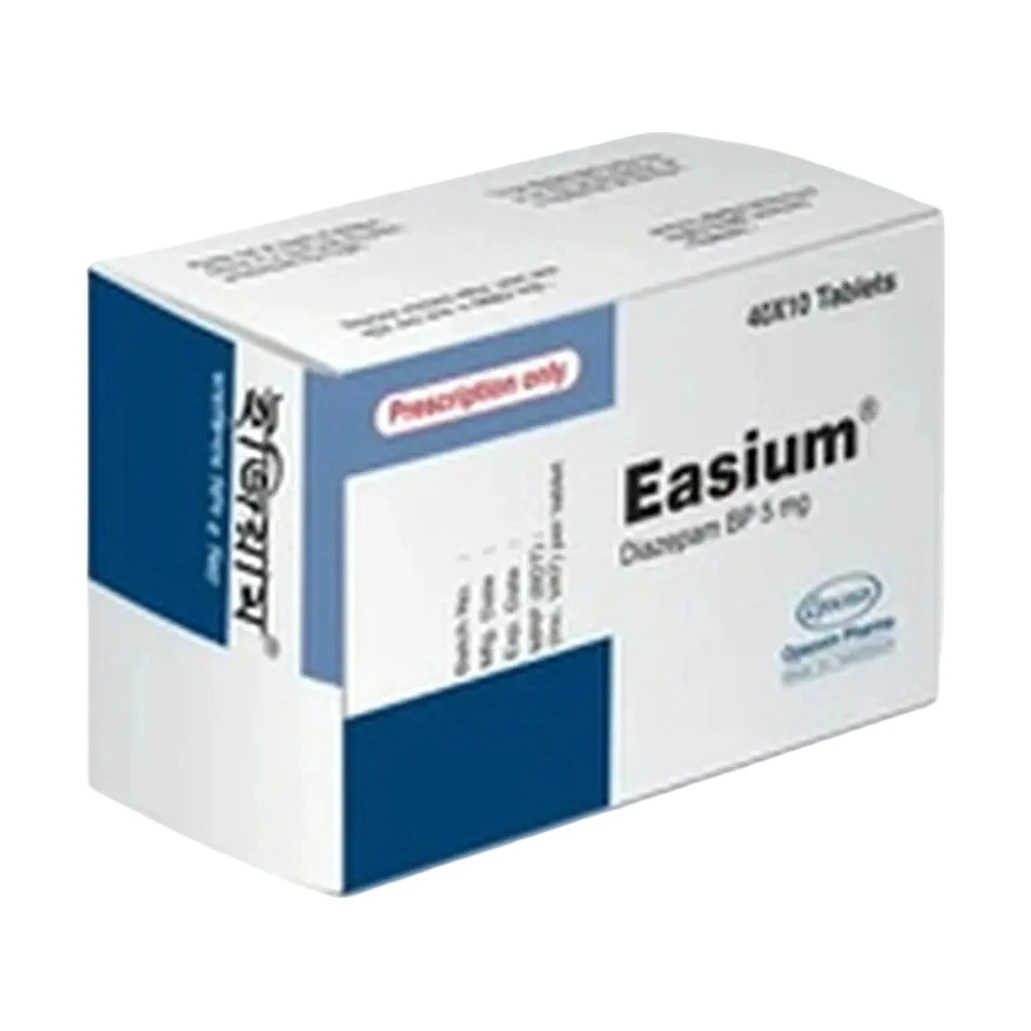
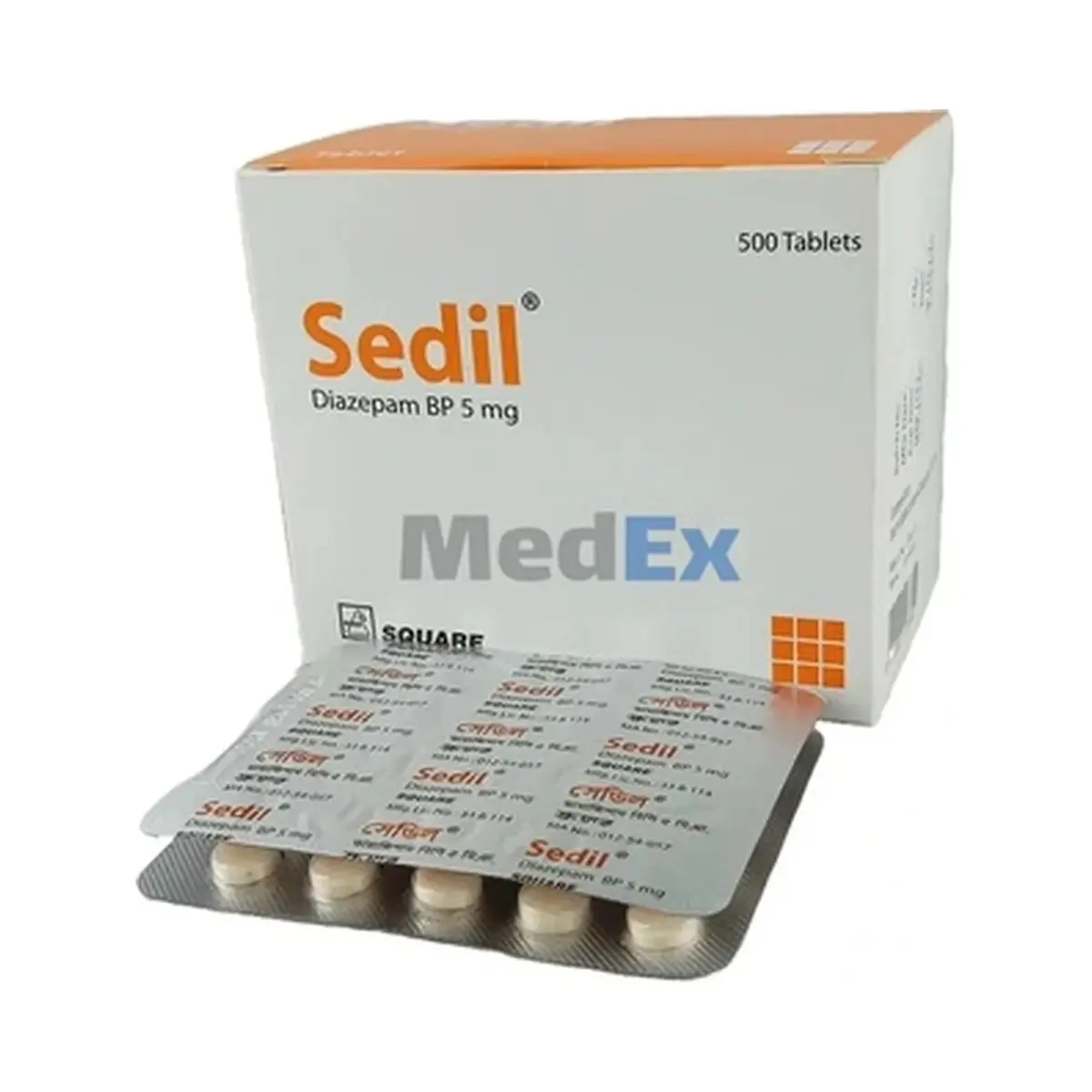
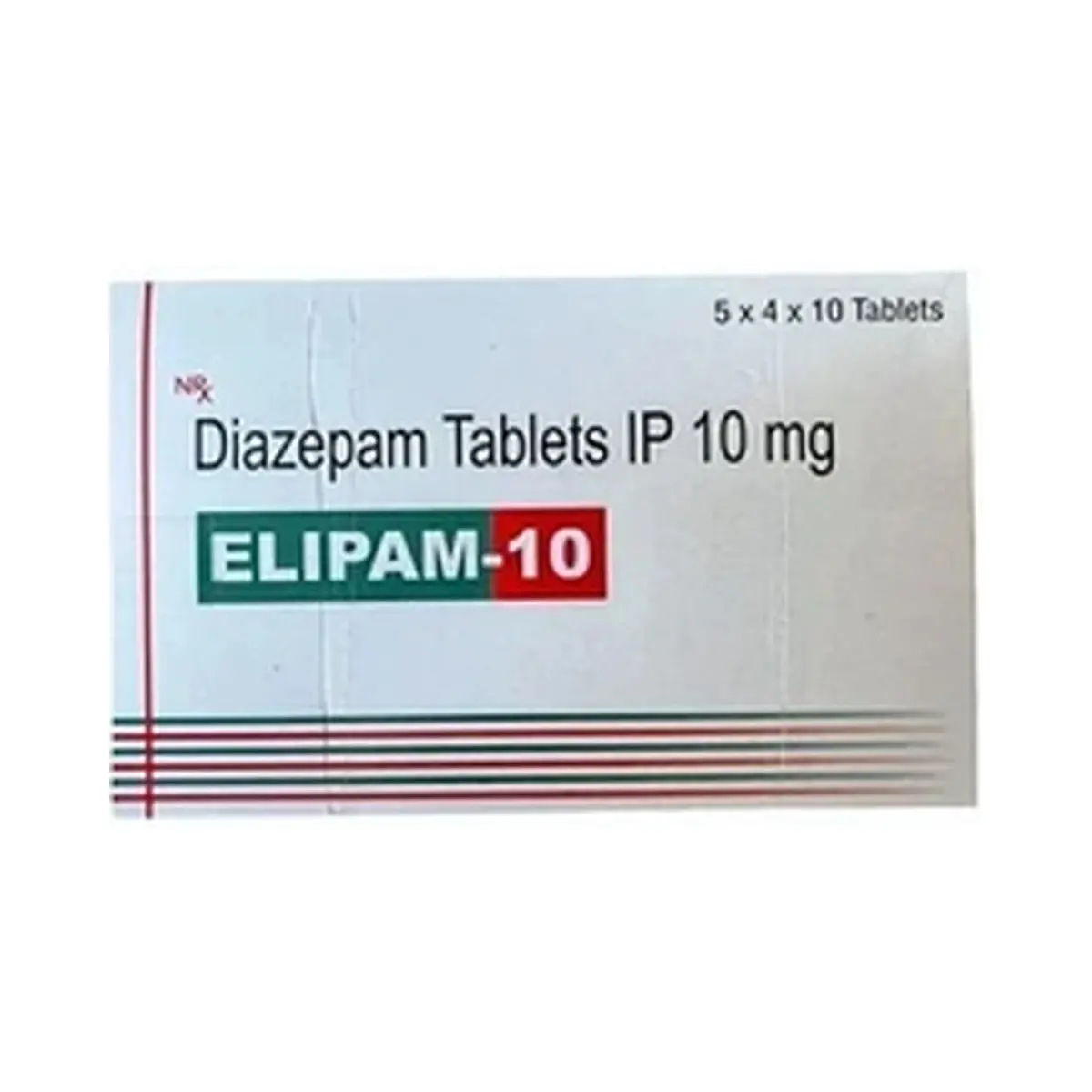
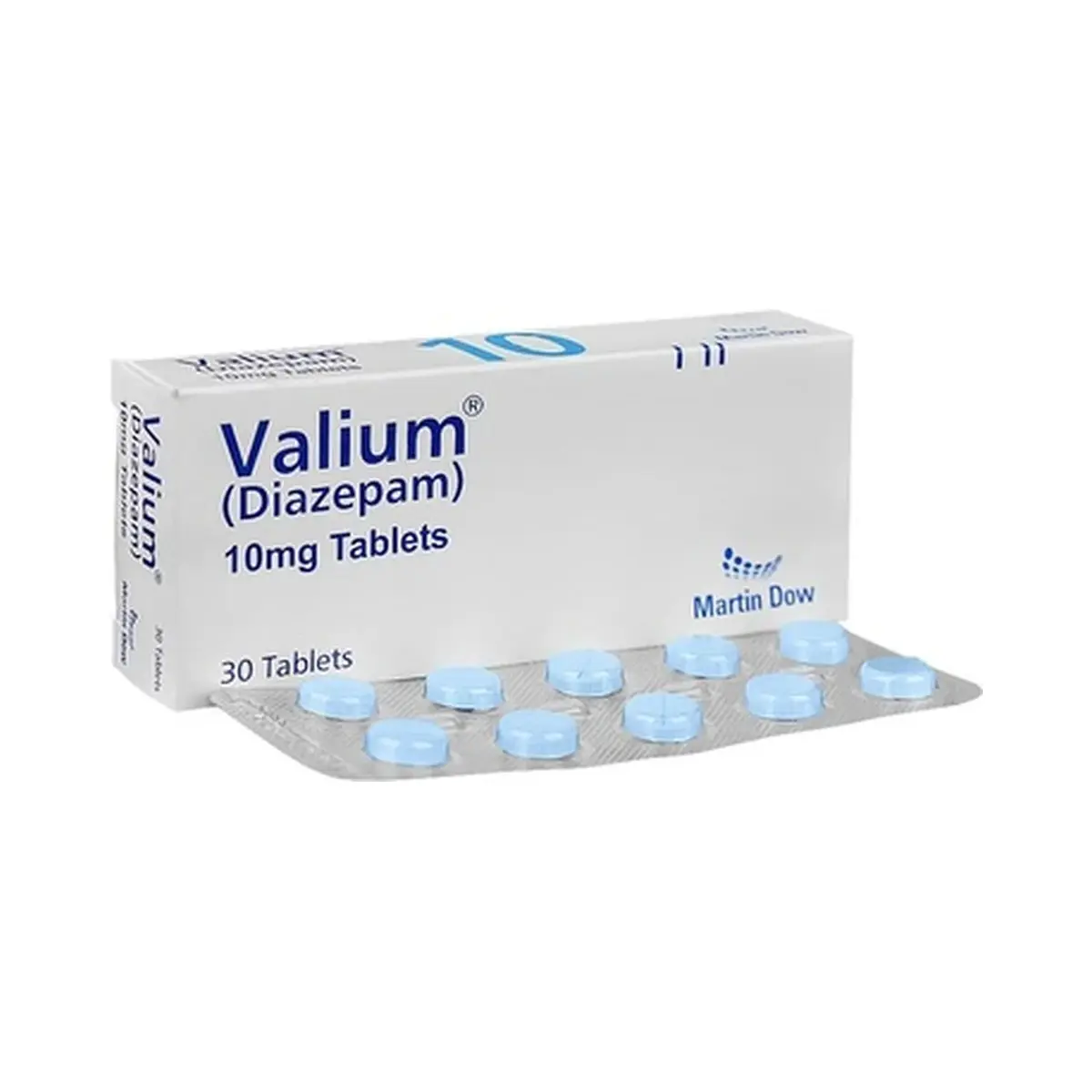
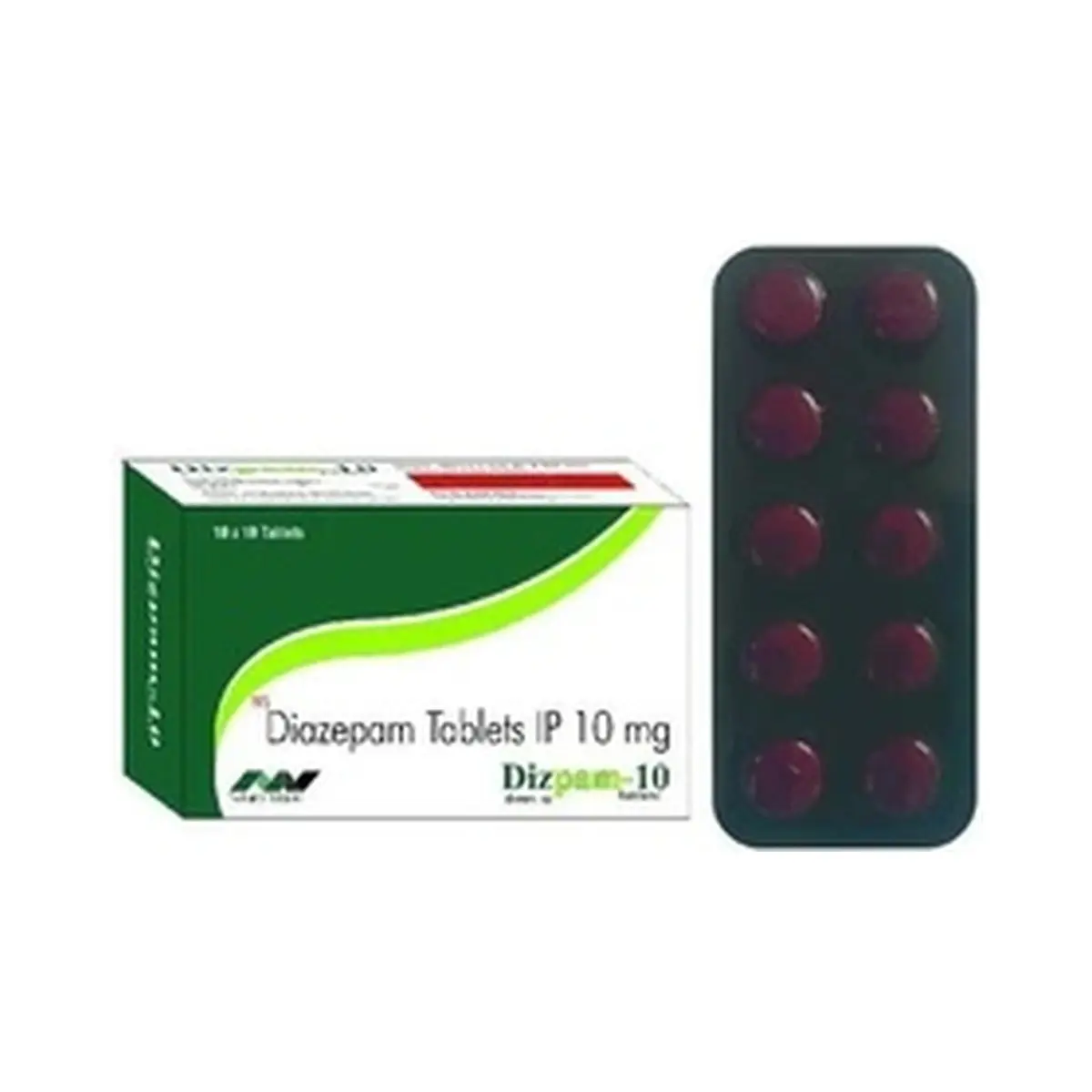
Dizpam (Diazepam) 10 mg
Dizpam 10 mg is a brand name for diazepam, a benzodiazepine medicine. It is used for recognised conditions in which short-term relief of anxiety, muscle spasm, or certain seizure-related symptoms may be appropriate. The tablet form is an oral prescription medicine, and its effects reflect the well-established central nervous system actions of diazepam.
Active Ingredient and Medicine Class
The verified active ingredient is diazepam. Diazepam belongs to the benzodiazepine class. Medicines in this group are known for anxiolytic, sedative, anticonvulsant, muscle-relaxant, and amnestic effects. These effects are class-related and are part of the reason diazepam has longstanding clinical use in several distinct medical settings.
Established Medical Uses
Official prescribing information and clinical references describe diazepam as being used for anxiety disorders and for short-term relief of anxiety symptoms. It is also used as an adjunct in the management of skeletal muscle spasm, in selected seizure disorders, and for some peri-procedural or preoperative anxiety-related situations. In broader clinical practice, diazepam may also be used where its muscle-relaxant or anticonvulsant properties are specifically needed, but established indications should always be interpreted according to the relevant local product label.
How It Works
Diazepam enhances the action of gamma-aminobutyric acid, commonly called GABA, which is the main inhibitory neurotransmitter in the central nervous system. By strengthening GABA-mediated inhibition, diazepam reduces excessive nervous system activity. This explains its calming effect, its ability to reduce muscle overactivity, and its anticonvulsant action. The same mechanism also contributes to drowsiness and slowed reaction time.
Important Safety Information
Diazepam should not be used in people with a known hypersensitivity to the medicine. Important contraindications in official prescribing information include myasthenia gravis, severe respiratory insufficiency, severe hepatic insufficiency, sleep apnoea syndrome, acute narrow-angle glaucoma, and use in very young infants where safety and effectiveness are not established. Caution is especially important in older adults, in people with chronic respiratory disease, in those with liver impairment, and in people with a history of alcohol or drug misuse.
Clinically significant interactions are well recognised. The most important is with opioids, because combined use can cause profound sedation, respiratory depression, coma, and death. Diazepam can also have additive effects with alcohol, other sedatives, hypnotics, antipsychotics, anticonvulsants, anaesthetic agents, and other central nervous system depressants. Medicines that inhibit certain hepatic enzymes may increase diazepam exposure and prolong sedation. Dependence, tolerance, and withdrawal are important concerns, especially with longer use or higher cumulative exposure.
Possible Side Effects
Common adverse effects include drowsiness, fatigue, muscle weakness, and ataxia. Other reported effects include dizziness, confusion, slurred speech, headache, blurred vision, double vision, constipation, nausea, and dry mouth. Some patients may experience paradoxical reactions such as agitation, restlessness, irritability, aggression, hallucinations, or sleep disturbance. Less common but clinically important risks include respiratory depression, falls, memory impairment, dependence, and withdrawal symptoms after stopping the medicine.
Scientific Evidence
Human clinical and review literature supports diazepam’s role as a benzodiazepine with anxiolytic and muscle-relaxant activity, but the evidence also shows that these benefits must be balanced against sedation, cognitive effects, and dependence risk. Reviews of skeletal muscle relaxants include diazepam among centrally acting options for spasticity or muscle spasm, although comparative evidence does not show clear superiority over alternative agents for many musculoskeletal problems. Broader benzodiazepine reviews also emphasise that long-term use is limited by tolerance, withdrawal, and safety concerns.
Medical Information Notice
This page is an educational summary based on sources available at the time of review. It does not replace the official patient leaflet, the approved product label, or individual assessment by a qualified healthcare professional.
Medical Sources
- DailyMed / U.S. National Library of Medicine. Diazepam Tablets USP C-IV, prescribing information. View official prescribing information
- Jaberpreet S. Dhaliwal et al. Diazepam. StatPearls [Internet], 2026. View scientific article
- Nicholas E. Calcaterra et al. Classics in chemical neuroscience: diazepam (valium). ACS Chemical Neuroscience, 2014. View scientific article