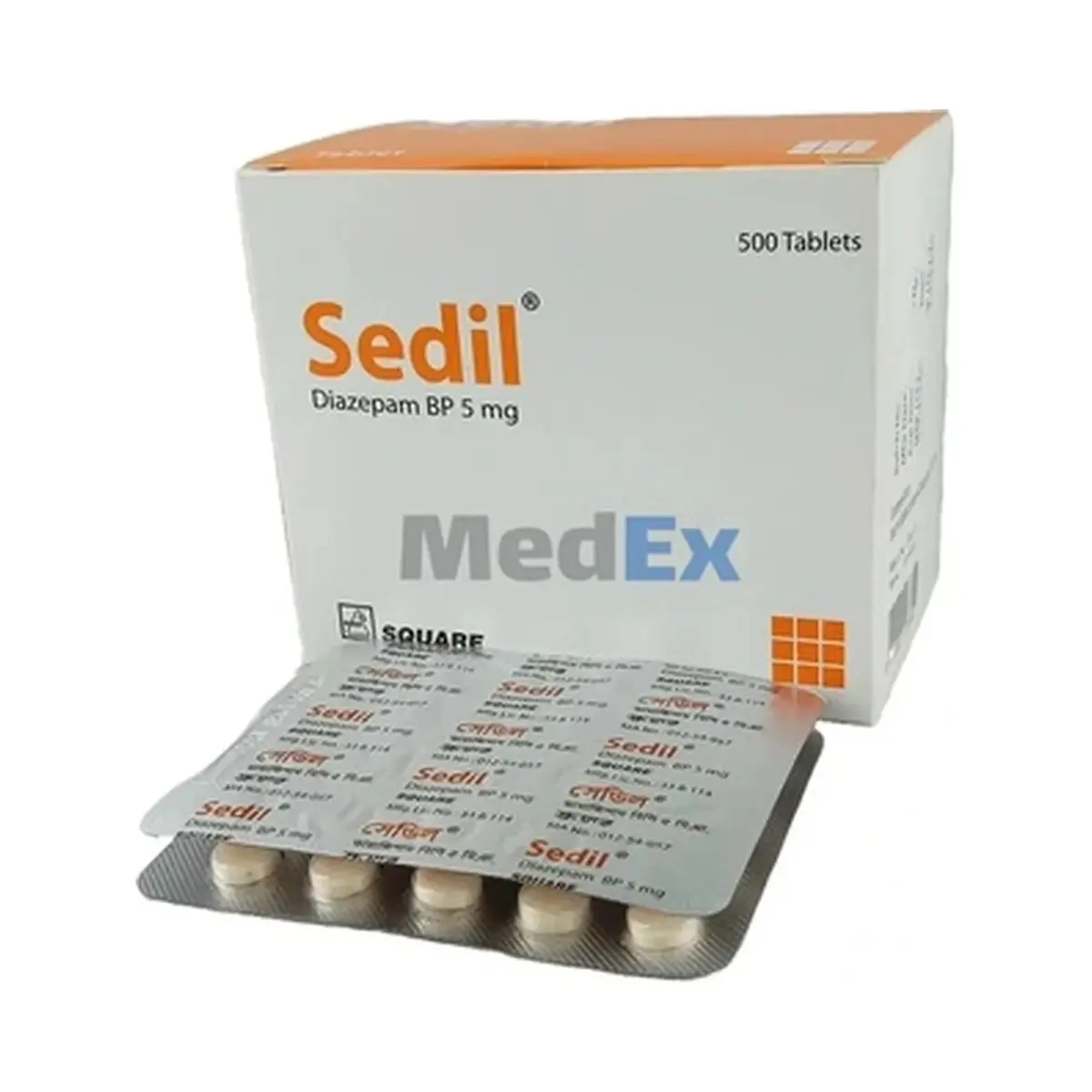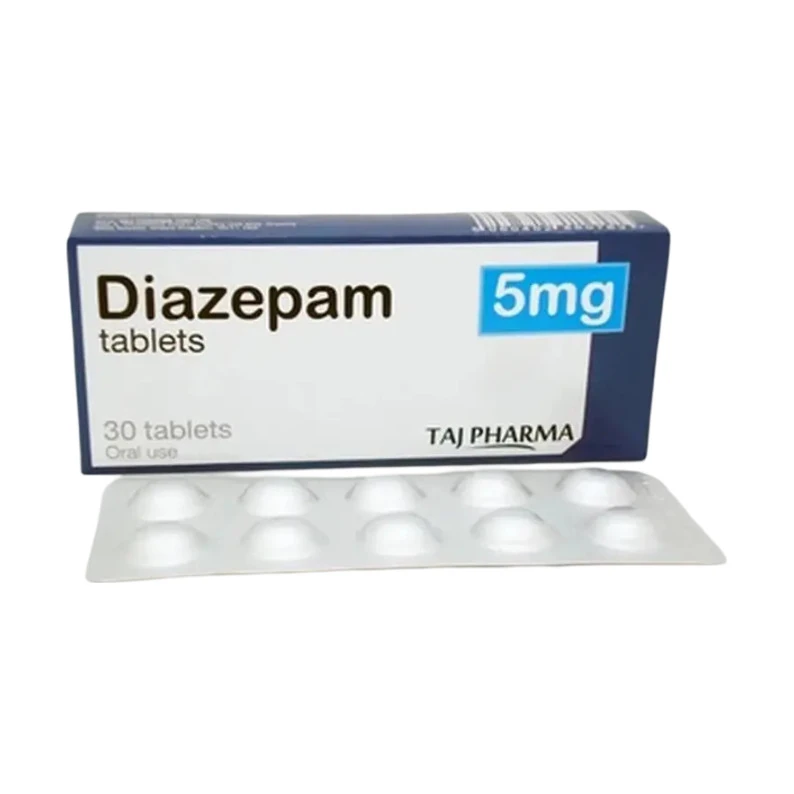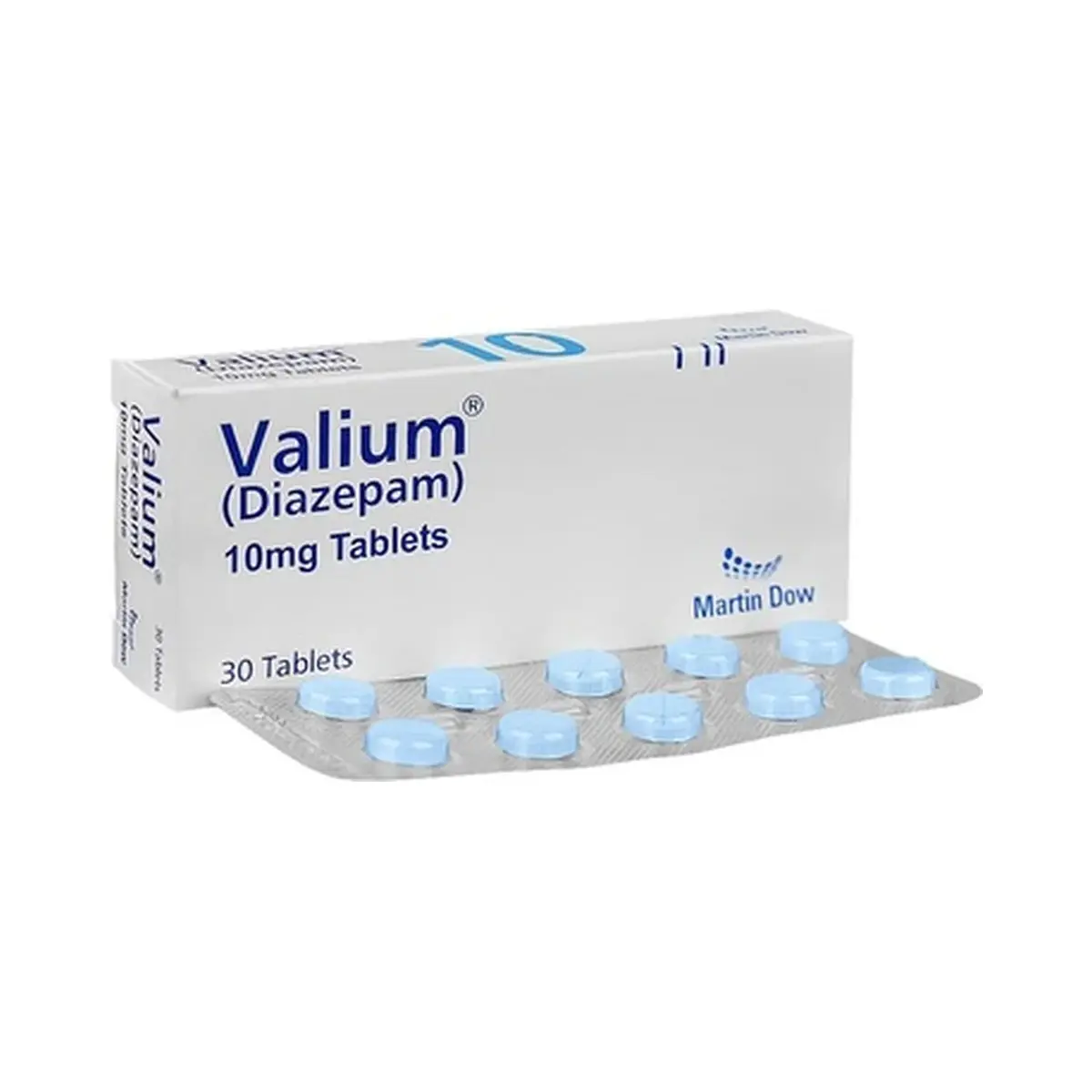
Description
Valium (Diazepam) 10 mg
Valium is a brand name for diazepam, a benzodiazepine medicine used in oral tablet form. The 10 mg tablet is one strength of this prescription medicine. Diazepam has central nervous system depressant effects and is used in established clinical settings where short-term symptom control or adjunctive treatment is appropriate.
Active Ingredient and Medicine Class
The verified active ingredient is diazepam. It belongs to the benzodiazepine class of medicines. Benzodiazepines are known for anxiolytic, sedative, muscle-relaxant, anticonvulsant and amnestic effects.
Established Medical Uses
According to official prescribing information, diazepam tablets are indicated for the management of anxiety disorders and for the short-term relief of symptoms of anxiety. They are also used for symptomatic relief in acute alcohol withdrawal, for relief of skeletal muscle spasm related to local pathology or trauma, for spasticity due to upper motor neuron disorders, and as adjunctive therapy in convulsive disorders.
The long-term effectiveness of diazepam tablets has not been established in systematic clinical studies beyond several months of use, so official prescribing information advises periodic reassessment of ongoing need.
How It Works
Diazepam acts in the brain by enhancing the effect of gamma-aminobutyric acid, or GABA, which is the main inhibitory neurotransmitter in the central nervous system. By strengthening this inhibitory signalling, diazepam can reduce excessive neuronal activity and produce calming, muscle-relaxing and anticonvulsant effects.
Important Safety Information
Diazepam should not be used in patients with known hypersensitivity to diazepam or in those with certain conditions listed in prescribing information, including myasthenia gravis, severe respiratory insufficiency, severe hepatic insufficiency, sleep apnea syndrome, and acute narrow-angle glaucoma. It is also not recommended for pediatric patients under 6 months of age.
Official labeling warns that use with opioids can cause profound sedation, respiratory depression, coma and death. Alcohol and other central nervous system depressants may increase sedation and related risks. Diazepam also has clinically important interactions with several medicines that may increase sedation or alter its clearance, including some antidepressants, antipsychotics, narcotic analgesics, barbiturates and inhibitors of CYP3A4 or CYP2C19. Dependence and withdrawal can occur, especially with longer treatment duration or higher daily doses, and abrupt stopping after continued use may trigger serious withdrawal reactions.
Possible Side Effects
Common adverse effects associated with diazepam and other benzodiazepines include drowsiness, fatigue, dizziness, unsteadiness and impaired coordination. Some people may experience confusion or reduced alertness.
Important serious reactions can include respiratory depression, excessive sedation, falls, paradoxical reactions such as agitation or disinhibition, abuse and misuse, physical dependence, and withdrawal symptoms when the medicine is reduced too quickly or stopped abruptly.
Scientific Evidence
Human and review literature supports diazepam’s clinical role as a benzodiazepine with anxiolytic, muscle-relaxant, sedative and anticonvulsant properties. The drug’s actions are understood mainly through enhancement of GABA-mediated inhibitory neurotransmission in the central nervous system. Reviews of benzodiazepines also highlight the class’s recognised risks, including sedation, tolerance, dependence and withdrawal, which are important considerations in clinical use.
Medical Information Notice
This page is an educational summary based on sources available at the time of review. It does not replace the official patient leaflet, prescribing information, or an individual assessment by a qualified healthcare professional.
Medical Sources
- U.S. Food and Drug Administration Valium (diazepam) Tablets, Prescribing Information. View official prescribing information
- DailyMed / National Library of Medicine VALIUM- diazepam tablet. View official drug label
- Diazepam. StatPearls. PubMed, 2019. View scientific article
- L Oreland. The benzodiazepines: a pharmacological overview. Acta Anaesthesiologica Scandinavica Supplementum, 1988. View scientific article