Description
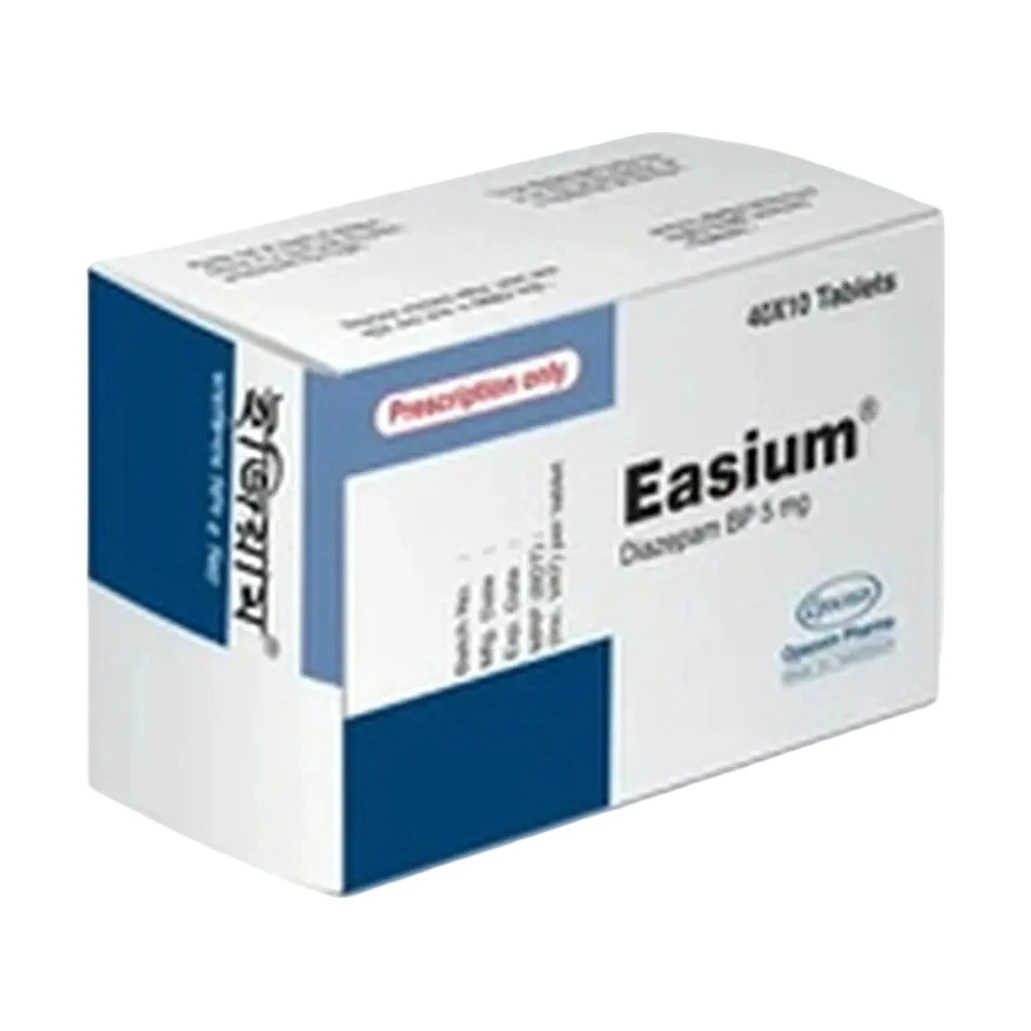
Easium (Diazepam) 5 mg
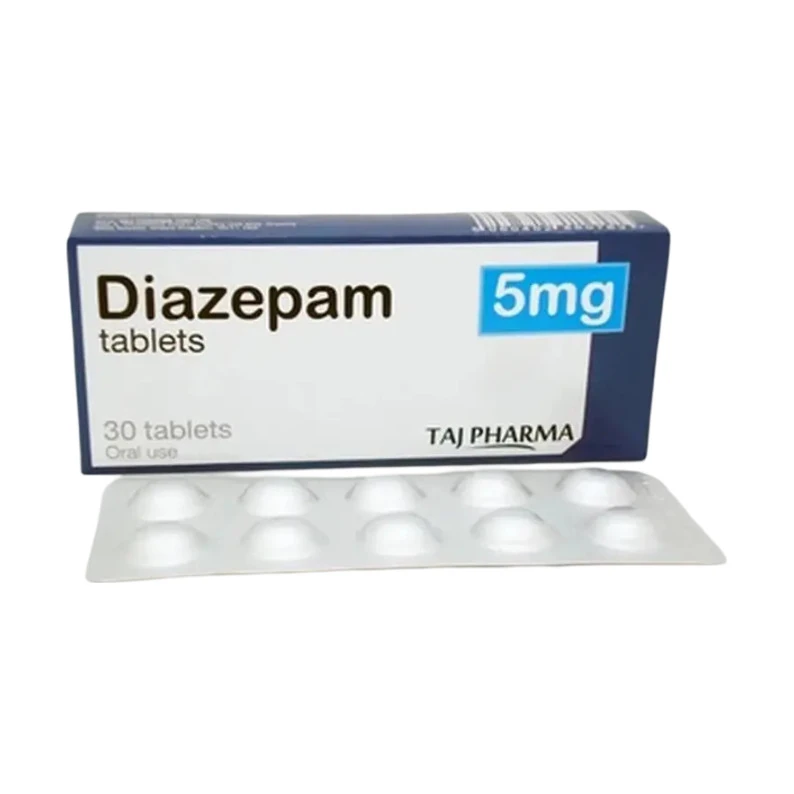
Easium 5 mg is a diazepam medicine in oral tablet form. Diazepam belongs to the benzodiazepine class of central nervous system depressants. It is used in established prescribing information for short-term relief of anxiety symptoms and as an adjunct in certain muscle spasm or spasticity conditions.
Active Ingredient and Medicine Class
The verified active ingredient is diazepam. Diazepam is a benzodiazepine, a group of medicines that act on the brain and spinal cord to reduce excessive nervous system activity. This class is associated with calming, muscle-relaxing, anticonvulsant and sedative effects.
Established Medical Uses
Diazepam tablets are established for the short-term management of anxiety symptoms. They are also used as an adjunct for relief of skeletal muscle spasm, including spasm related to local musculoskeletal problems or certain neurologic conditions involving increased muscle tone. In some official prescribing information, diazepam is also listed for other specific uses such as alcohol withdrawal symptoms, adjunctive treatment in convulsive disorders, and selected seizure-related indications.
The exact approved uses can vary by country and product licence. A product name such as Easium may reflect local branding, but the underlying medicine is diazepam.
How It Works
Diazepam enhances the effect of gamma-aminobutyric acid, or GABA, the brain’s main inhibitory neurotransmitter. By strengthening GABA-mediated calming signals, it can reduce anxiety, lessen muscle overactivity, and decrease abnormal electrical activity in the nervous system. Its effects on alertness and coordination are also part of the same central nervous system action.
Important Safety Information
Diazepam should be used with particular caution because it can cause sedation, slowed reaction time, impaired coordination and dependence with repeated use. It may be unsuitable for people with hypersensitivity to benzodiazepines, severe respiratory depression, sleep apnoea syndrome or significant myasthenia-related muscle weakness, depending on the official product label in the relevant market.
Clinically important interactions are a major concern. Additive central nervous system depression can occur with alcohol, opioids, other sedatives, sleeping medicines, some antihistamines, antipsychotics and certain antidepressants. Strong enzyme inhibitors may increase diazepam exposure, while other medicines may alter its clearance. In older adults and in people with liver impairment, effects may be stronger or last longer.
Because benzodiazepines can lead to tolerance, misuse, withdrawal symptoms and physical dependence, prescribing is generally conservative and reviewed carefully against the benefits and risks.
Possible Side Effects
Common adverse effects include drowsiness, fatigue, dizziness, slowed thinking, unsteadiness, muscle weakness and reduced concentration. Some people may experience confusion, especially older adults.
More serious reactions can include excessive sedation, breathing problems when combined with other depressants, paradoxical agitation, mood changes, falls, and dependence or withdrawal symptoms after prolonged use. Any severe or unexpected reaction requires prompt medical assessment.
Scientific Evidence
Human studies and reviews support diazepam’s role as a benzodiazepine anxiolytic and as an option for reducing muscle spasm or spasticity. However, the evidence base for oral antispastic medicines is generally limited, and benefits may be modest in some settings. Research on anxiety treatments also consistently highlights the need to balance symptom relief against sedation, dependence and interaction risks.
Overall, diazepam remains a well-established medicine, but its use is typically reserved for situations where short-term benefit is expected to outweigh safety concerns.
Medical Information Notice
This page is an educational summary based on sources available at the time of review. It does not replace the official patient leaflet, product licence information or individual assessment by a qualified healthcare professional.
Medical Sources
- DailyMed / U.S. prescribing information. Diazepam Tablets USP: official prescribing information and safety details. View official prescribing information
- Toshiya Inada et al. Efficacy of diazepam as an anti-anxiety agent: meta-analysis of double-blind, randomized controlled trials carried out in Japan. Human Psychopharmacology, 2003. View scientific article
- Eric Chang et al. A Review of Spasticity Treatments: Pharmacological and Interventional Approaches. Critical Reviews in Physical and Rehabilitation Medicine, 2013. View scientific article