Description
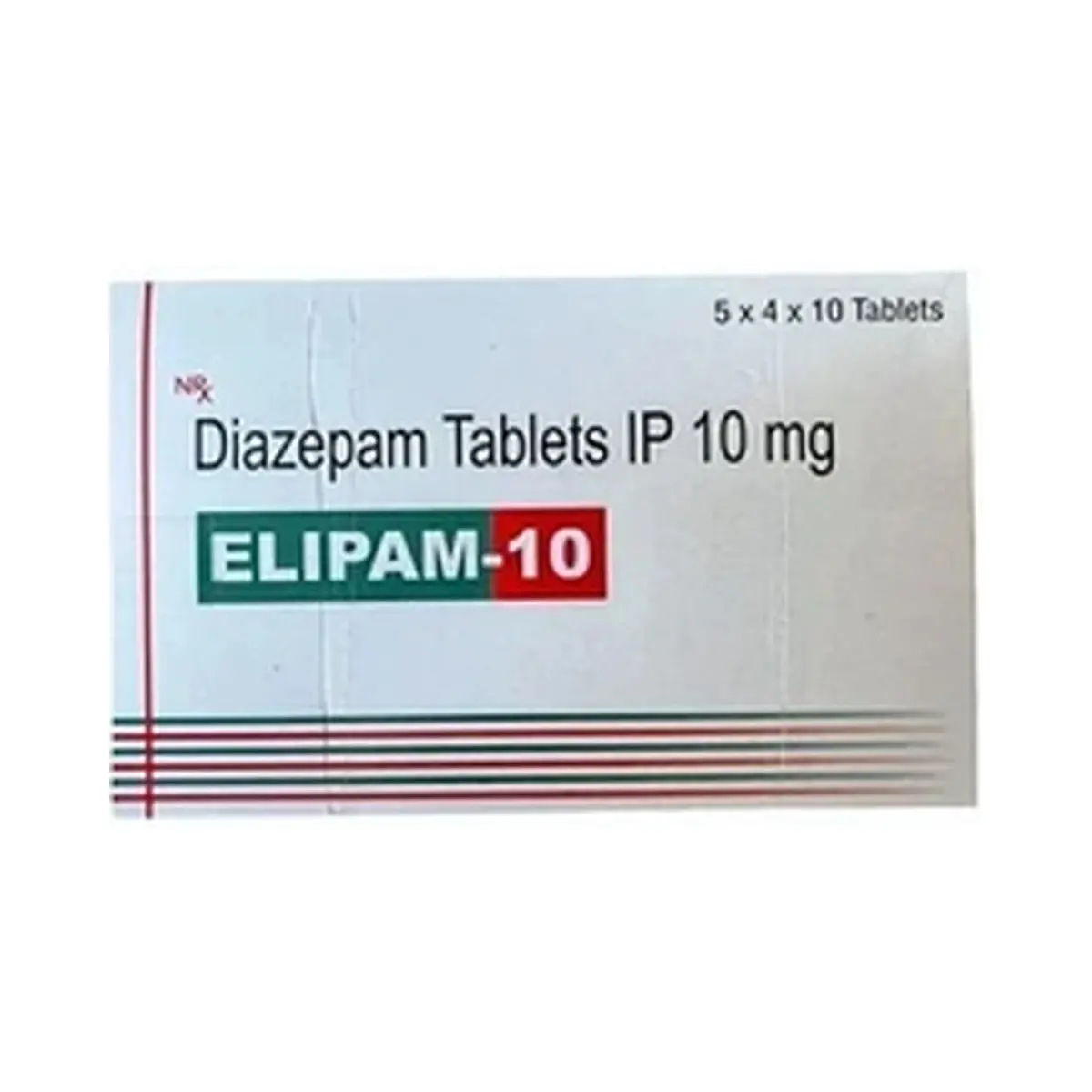
Elipam (Diazepam) 10 mg
Elipam is a brand name for diazepam, a benzodiazepine medicine in oral tablet form. Diazepam is used clinically for its calming, sedative, muscle-relaxant, and anticonvulsant properties. The exact licensed uses can vary by country, but diazepam is widely recognised as a short-term treatment option in conditions involving anxiety, muscle spasm, and certain seizure disorders.
Active Ingredient and Medicine Class
The verified active ingredient is diazepam. It belongs to the benzodiazepine class of medicines, which act on the central nervous system and enhance inhibitory signalling in the brain. This class is associated with anxiolytic, sedative, hypnotic, anticonvulsant, and skeletal muscle relaxant effects.
Established Medical Uses
Diazepam tablets are established for the management of anxiety disorders and short-term relief of anxiety symptoms. They are also used for skeletal muscle spasm and spasticity associated with neurological conditions, and may be used as adjunctive therapy in certain seizure disorders. In some settings, diazepam is also used for related peri-procedural or withdrawal indications, depending on the approved product information in each market.
How It Works
Diazepam works by enhancing the effect of gamma-aminobutyric acid, or GABA, the main inhibitory neurotransmitter in the central nervous system. By strengthening GABA-mediated activity at GABA-A receptors, it reduces excessive nerve signalling. This produces the familiar benzodiazepine effects of reduced anxiety, muscle relaxation, calming, and protection against some seizure activity.
Important Safety Information
Diazepam should not be used in patients with known hypersensitivity to diazepam or other benzodiazepines. Important contraindications and major precautions commonly include myasthenia gravis, severe respiratory insufficiency, sleep apnoea syndrome, severe hepatic insufficiency, and acute narrow-angle glaucoma. Caution is also required in people with a history of substance misuse, depression, or respiratory disease.
Clinically significant interactions may occur with opioids, alcohol, barbiturates, other sedatives, and other central nervous system depressants. These combinations can increase the risk of profound sedation and respiratory depression. Diazepam can also be associated with dependence, tolerance, and withdrawal reactions, particularly after repeated or prolonged use.
Possible Side Effects
Common adverse effects include drowsiness, fatigue, dizziness, unsteadiness, slowed reaction time, and reduced coordination. Some people may experience confusion, forgetfulness, or impaired concentration. Less common but important reactions include paradoxical agitation, mood changes, respiratory depression, excessive sedation, and problems related to dependence or withdrawal.
Because diazepam can impair alertness and psychomotor performance, caution is warranted when sedation would be hazardous. Elderly or debilitated patients may be more sensitive to central nervous system effects.
Scientific Evidence
Human and review-level evidence supports diazepam and other benzodiazepines as effective short-term medicines for anxiety symptoms, with rapid onset of action. The drug class is also recognised for muscle-relaxant and anticonvulsant activity, although long-term use is limited by sedation, tolerance, dependence, and withdrawal risk. Modern pharmacological research shows that diazepam acts as a positive allosteric modulator at GABA-A receptors, helping explain its clinical effects. Evidence for muscle spasm relief exists, but the benefit must be balanced against well-established safety limitations.
Medical Information Notice
This page is an educational summary based on sources available at the time of review. It does not replace the official patient leaflet, approved product information, or individual assessment by a qualified healthcare professional.
Medical Sources
- DailyMed, U.S. National Library of Medicine. Diazepam Tablets, USP. View official prescribing information
- DailyMed, U.S. National Library of Medicine. Diazepam. View official prescribing information
- H Möhler, J M Fritschy, U Rudolph. A new benzodiazepine pharmacology. Journal of Pharmacology and Experimental Therapeutics, 2002. View scientific article
- Lars Richter et al. Diazepam-bound GABAA receptor models identify new benzodiazepine binding-site ligands. Nature Chemical Biology, 2012. View scientific article