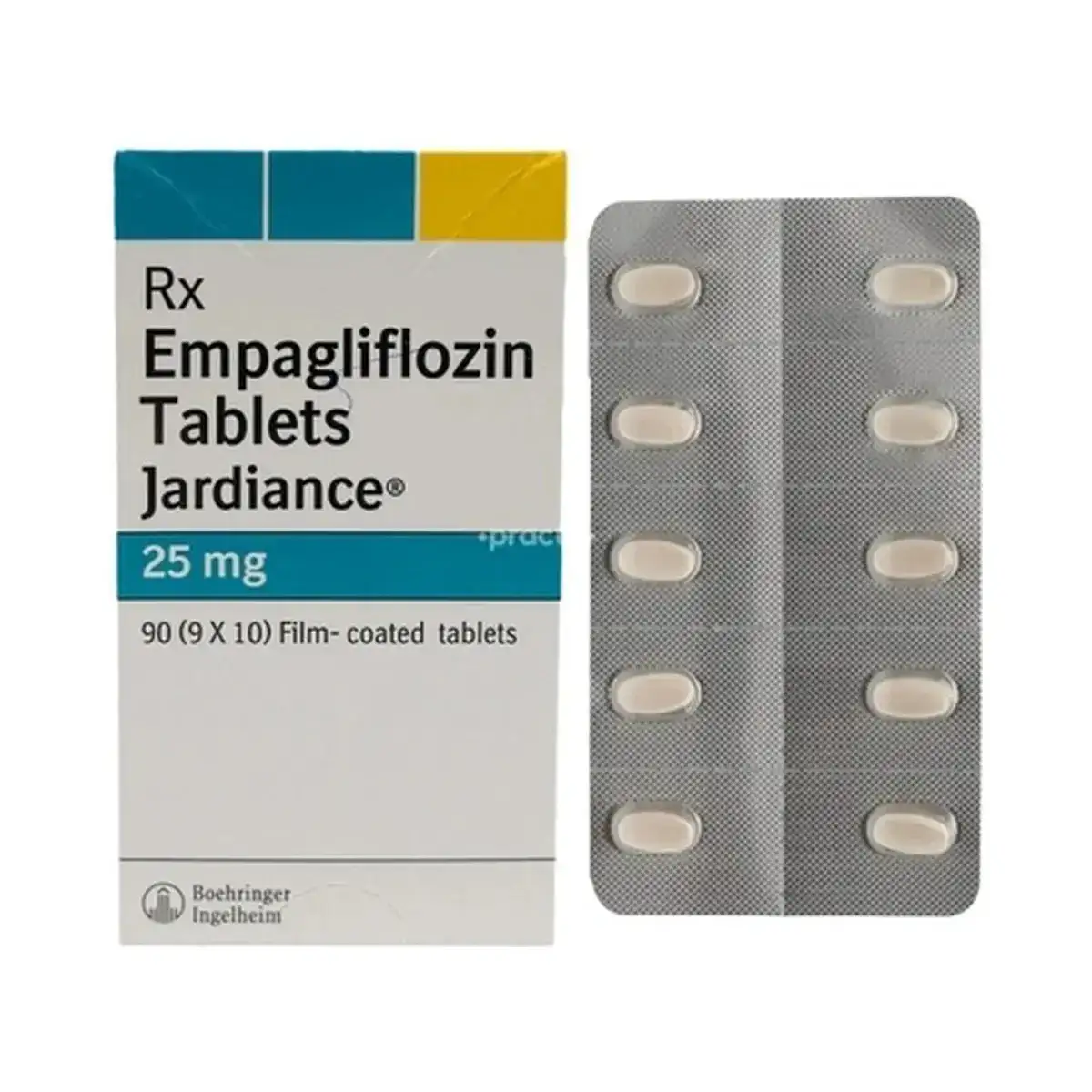
Description
Empacon (Empagliflozin) 10 mg
Empacon 10 mg is presented here as a brand of empagliflozin, an oral antidiabetic medicine in the sodium-glucose co-transporter 2 (SGLT2) inhibitor class. Empagliflozin is used for glycaemic control in type 2 diabetes and, in some regulatory settings, for certain cardiovascular and kidney-related indications. Exact brand authorisation can vary by country.
Active Ingredient and Medicine Class
The verified active ingredient is empagliflozin. It belongs to the SGLT2 inhibitor class of medicines. These drugs lower blood glucose by increasing the amount of glucose excreted in the urine rather than by directly stimulating insulin release.
Established Medical Uses
Empagliflozin is established as an adjunct to diet and exercise to improve glycaemic control in adults with type 2 diabetes mellitus, and it is also authorised in some settings for use in adults and older children with type 2 diabetes. Regulatory labelling also includes use to reduce the risk of cardiovascular death in adults with type 2 diabetes and established cardiovascular disease, and in some countries it is additionally approved for heart failure and chronic kidney disease indications.
Because product approvals differ between regions, the exact approved uses for a local brand such as Empacon should be checked against the official leaflet for the market in which it is sold.
How It Works
Empagliflozin blocks SGLT2 in the kidney, a transporter that normally reabsorbs filtered glucose back into the bloodstream. By reducing this reabsorption, more glucose is eliminated in urine, which helps lower blood glucose. The same mechanism also produces a mild diuretic and natriuretic effect, which may contribute to its cardiovascular and renal effects in some patient groups.
Important Safety Information
Empagliflozin is contraindicated in patients with hypersensitivity to empagliflozin or any tablet component. Important warnings include diabetic ketoacidosis, volume depletion, acute kidney injury, serious urinary and genital infections, Fournier’s gangrene, and hypersensitivity reactions such as angioedema. It is not recommended for glycaemic control in type 1 diabetes, where the risk of ketoacidosis is increased. Safety considerations are especially important in people with reduced renal function, older age, or conditions that increase dehydration risk.
Clinically significant interactions may occur when empagliflozin is combined with insulin or insulin secretagogues, because the risk of hypoglycaemia can increase. The official prescribing information also highlights possible interactions and laboratory test interferences that should be reviewed in the full product information.
Possible Side Effects
Common adverse effects include urinary tract infection, female genital mycotic infection, increased urination, and sometimes nausea. Other recognised effects include male genital mycotic infection, thirst, dizziness related to fluid loss, and changes consistent with volume depletion. Serious but less common reactions can include diabetic ketoacidosis, severe urinary tract infection, kidney injury, and severe allergic reactions.
Scientific Evidence
Clinical trials and reviews show that empagliflozin improves glycaemic control in type 2 diabetes and tends to produce modest reductions in body weight and blood pressure. Human outcomes data also support cardiovascular benefit in selected patients with type 2 diabetes and established cardiovascular disease, with later evidence extending benefits to some heart failure and kidney disease populations under approved indications. These benefits are based on clinical studies in defined patient groups and should not be assumed for every individual use.
Medical Information Notice
This page is an educational summary based on sources available at the time of review. It is not a substitute for the official patient leaflet, local regulatory information, or assessment by a qualified healthcare professional.
Medical Sources
- U.S. Food and Drug Administration. JARDIANCE (empagliflozin tablets) Prescribing Information. View official prescribing information
- James E Frampton. Empagliflozin: A Review in Type 2 Diabetes. Drugs, 2018. View scientific article
- John R White Jr. Empagliflozin, an SGLT2 inhibitor for the treatment of type 2 diabetes mellitus: a review of the evidence. Annals of Pharmacotherapy, 2015. View scientific article