Description
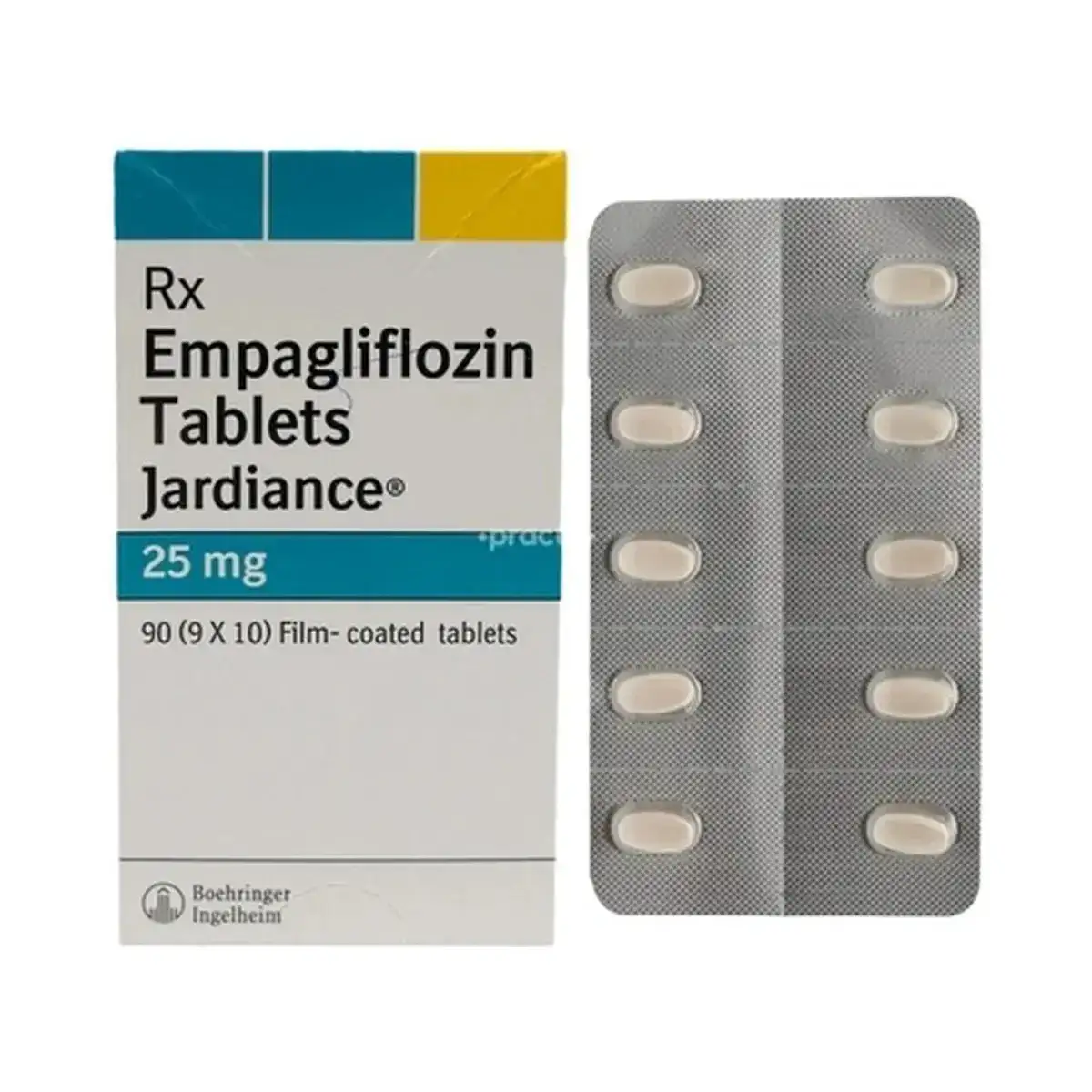
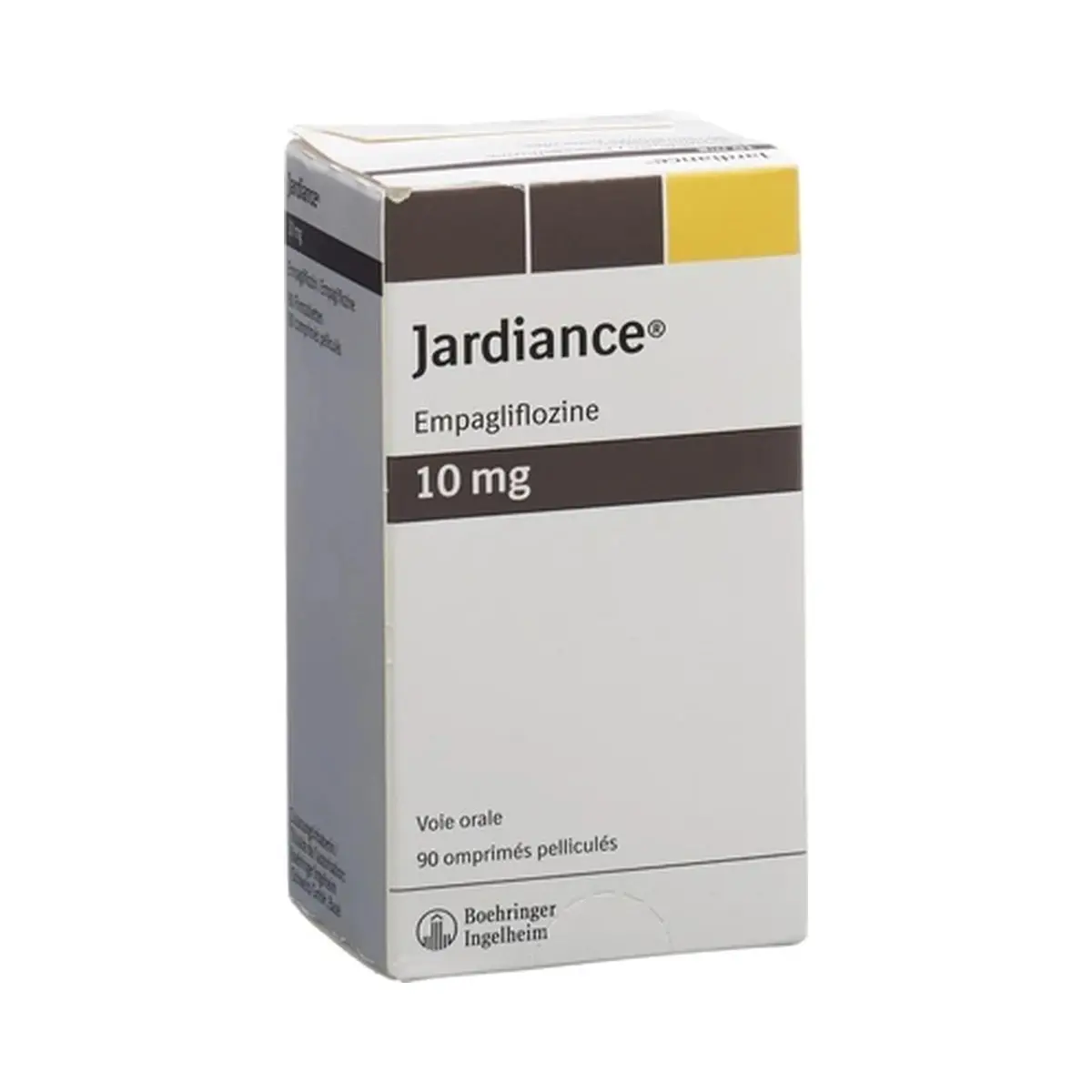
Jardiance (Empagliflozin) 10 mg
Jardiance 10 mg contains empagliflozin, a prescription medicine in the sodium-glucose co-transporter 2 (SGLT2) inhibitor class. It is an oral film-coated tablet used in adults, and in some regions also in pediatric patients with type 2 diabetes, for recognised metabolic and cardiorenal indications.
Active Ingredient and Medicine Class
The verified active ingredient is empagliflozin. It is an SGLT2 inhibitor, a class of medicines that lowers blood glucose by reducing glucose reabsorption in the kidneys and increasing glucose loss in urine. It is not an insulin and does not work by replacing insulin.
Established Medical Uses
Official prescribing information for Jardiance states that empagliflozin is used to improve glycaemic control in type 2 diabetes mellitus, and to reduce cardiovascular and kidney-related risks in specified adult populations. These include adults with heart failure, adults with chronic kidney disease at risk of progression, and adults with type 2 diabetes and established cardiovascular disease.
Because the product strength here is 10 mg, it identifies the marketed tablet presentation; it does not by itself indicate the most suitable use for any individual.
How It Works
Empagliflozin acts in the kidneys, where it blocks SGLT2, a transporter responsible for reclaiming filtered glucose back into the bloodstream. By inhibiting this transporter, the medicine increases urinary glucose excretion and can also produce mild osmotic diuresis and natriuresis. These kidney effects are thought to contribute not only to glucose lowering but also to the observed heart-failure and kidney benefits in clinical studies.
Important Safety Information
Jardiance should not be used in patients with a known hypersensitivity to empagliflozin or any tablet excipient. Important warnings include ketoacidosis, which can occur even when blood glucose is not very high, volume depletion with possible low blood pressure or worsening kidney function, and serious genitourinary infections such as pyelonephritis, urosepsis, and Fournier’s gangrene. The product information also warns about hypoglycaemia when it is used together with insulin or insulin secretagogues, and about serious hypersensitivity reactions such as angioedema.
Clinically relevant interactions include diuretics, which may increase the risk of volume depletion, and insulin or sulfonylureas, which may increase hypoglycaemia risk. Urine glucose tests may be affected because the medicine increases urinary glucose excretion.
Possible Side Effects
Commonly reported adverse effects include urinary tract infections, genital mycotic infections, increased urination, and nausea. Other recognised adverse reactions include dizziness related to fluid loss, changes in renal function, and, less commonly, serious reactions such as ketoacidosis, acute kidney injury, Fournier’s gangrene, and severe allergic reactions.
Scientific Evidence
Clinical research supports empagliflozin’s glucose-lowering effect in type 2 diabetes and its broader cardiorenal benefits. In the large EMPA-REG OUTCOME trial, empagliflozin was associated with lower rates of major cardiovascular outcomes and death in patients with type 2 diabetes at high cardiovascular risk. Later evidence also supported benefits in heart failure and chronic kidney disease populations, which is consistent with current regulatory indications.
Medical Information Notice
This page is an educational summary based on sources available at the time of review. It does not replace the official patient leaflet, full prescribing information, or assessment by a qualified healthcare professional.
Medical Sources
- U.S. Food and Drug Administration Jardiance (empagliflozin) Prescribing Information. View official prescribing information
- James E Frampton Empagliflozin: A Review in Type 2 Diabetes. Drugs, 2018. View scientific article
- Bernard Zinman et al. Empagliflozin, Cardiovascular Outcomes, and Mortality in Type 2 Diabetes. New England Journal of Medicine, 2015. View scientific article