Description
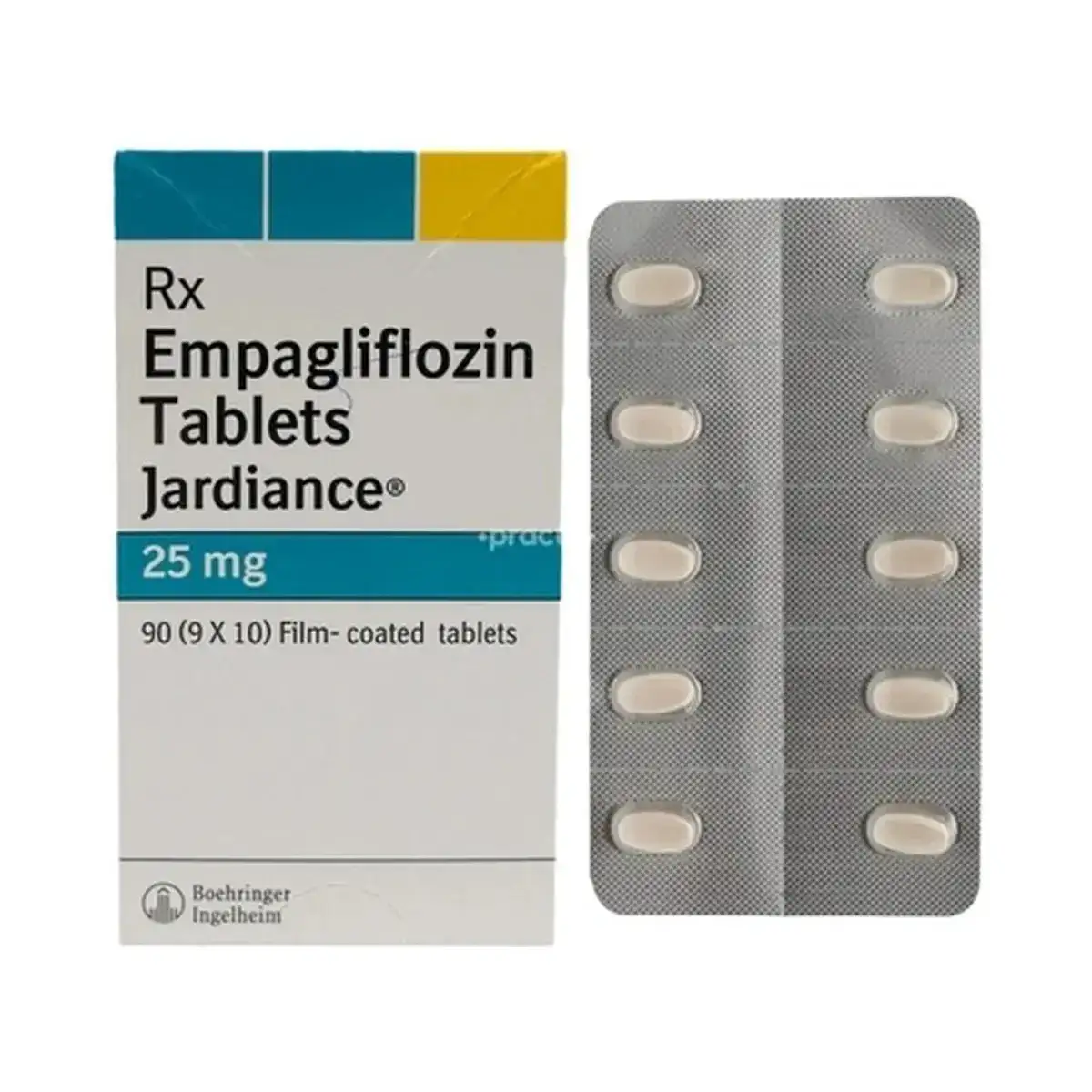
Jardiance (Empagliflozin) 25 mg
Jardiance 25 mg contains empagliflozin, an oral prescription medicine from the sodium-glucose co-transporter 2 (SGLT2) inhibitor class. It is a film-coated tablet used in the management of type 2 diabetes and is also approved for certain cardiovascular, heart failure, and chronic kidney disease indications in adults.
Active Ingredient and Medicine Class
The verified active ingredient is empagliflozin. It belongs to the SGLT2 inhibitor class. Medicines in this class act on the kidneys to reduce glucose reabsorption, which increases glucose loss in urine and helps lower blood sugar.
Established Medical Uses
Jardiance is established for use as an adjunct to diet and exercise to improve glycaemic control in adults and in paediatric patients aged 10 years and older with type 2 diabetes mellitus. It is also indicated to reduce the risk of cardiovascular death in adults with type 2 diabetes and established cardiovascular disease, to reduce the risk of cardiovascular death and hospitalisation for heart failure in adults with heart failure, and to reduce the risk of sustained decline in kidney function, end-stage kidney disease, cardiovascular death, and hospitalisation in adults with chronic kidney disease at risk of progression.
How It Works
Empagliflozin blocks SGLT2, the main transporter responsible for returning filtered glucose from the kidney back into the bloodstream. By reducing this reabsorption, more glucose is excreted in urine and less remains in the circulation. The medicine also causes mild sodium loss, which may contribute to effects on blood pressure, kidney pressure inside the glomerulus, and cardiac workload.
Important Safety Information
Jardiance should not be used in people with a known hypersensitivity to empagliflozin or any of the tablet components. Important warnings include diabetic ketoacidosis, volume depletion, genitourinary infections, hypoglycaemia when used with insulin or an insulin secretagogue, lower-limb amputation risk monitoring, and serious hypersensitivity reactions such as angioedema. The label also notes caution in pregnancy, lactation, older adults, and patients with renal impairment. Clinically significant interactions may occur with medicines that increase dehydration risk or lower glucose, especially insulin and insulin secretagogues.
Possible Side Effects
Common adverse effects include urinary tract infections and female genital mycotic infections. Other clinically important reactions that may occur include increased urination, thirst, low blood pressure related to fluid loss, genital infections in men or women, nausea, and symptoms consistent with ketoacidosis. Rare but serious events reported in the official prescribing information include severe ketoacidosis, Fournier’s gangrene, serious allergic reactions, and acute kidney problems in susceptible patients.
Scientific Evidence
Clinical research supports empagliflozin’s glucose-lowering effect and its cardiovascular benefits in selected patients. In the EMPA-REG OUTCOME trial, empagliflozin was associated with lower rates of cardiovascular death, hospitalisation for heart failure, and all-cause mortality in adults with type 2 diabetes and established cardiovascular disease. Systematic review evidence has also supported efficacy and overall tolerability in type 2 diabetes, while later analyses have continued to evaluate cardiovascular and safety outcomes in broader patient groups.
Medical Information Notice
This page is an educational summary based on sources available at the time of review. It does not replace the official patient leaflet, full prescribing information, or individual assessment by a qualified healthcare professional.
Medical Sources
- U.S. Food and Drug Administration / DailyMed Jardiance (empagliflozin) tablets, official prescribing information. View official label
- Zinman B et al. Empagliflozin, Cardiovascular Outcomes, and Mortality in Type 2 Diabetes. New England Journal of Medicine, 2015. View scientific article
- Liakos A et al. Efficacy and safety of empagliflozin for type 2 diabetes: a systematic review and meta-analysis. Diabetes, Obesity and Metabolism, 2014. View scientific article