Description
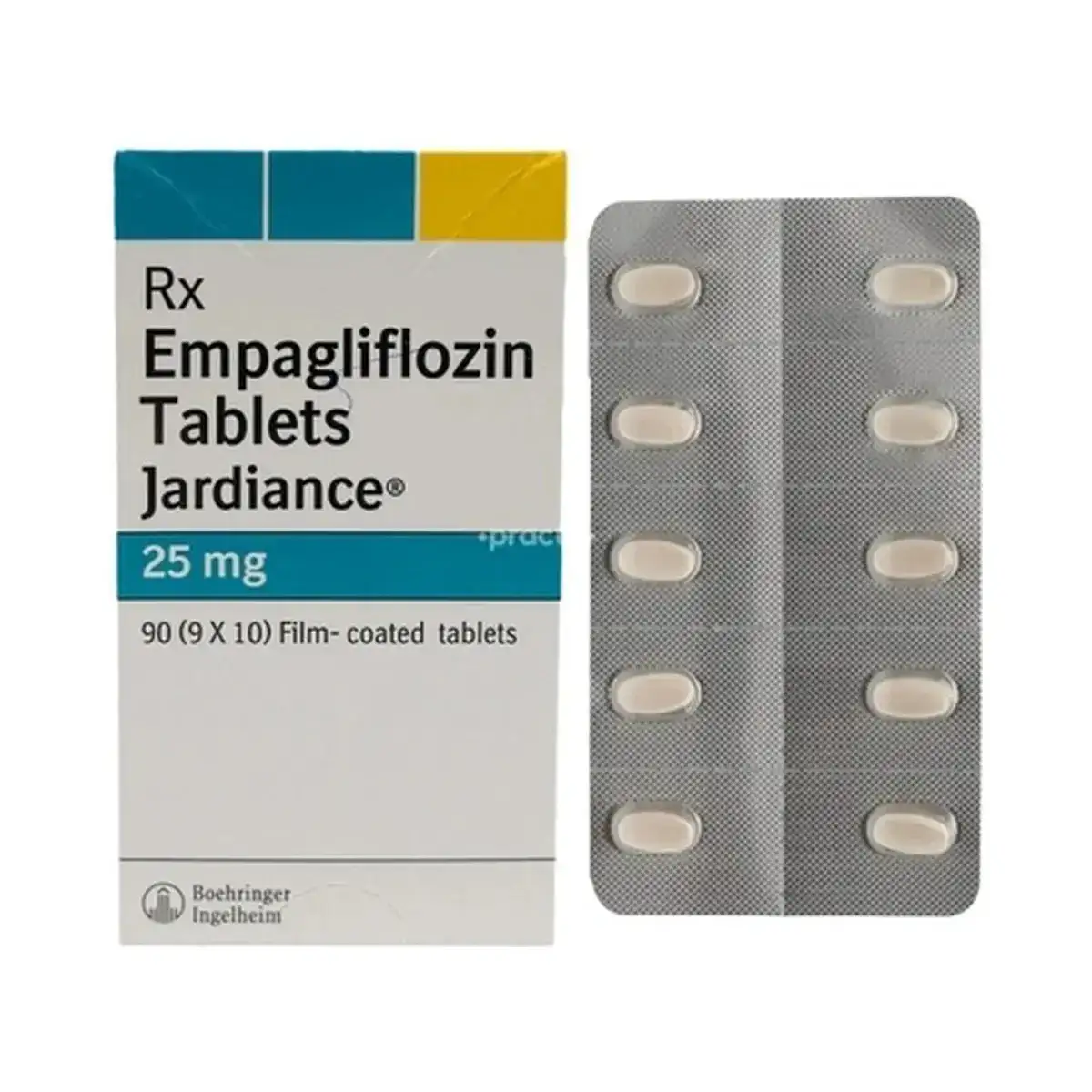
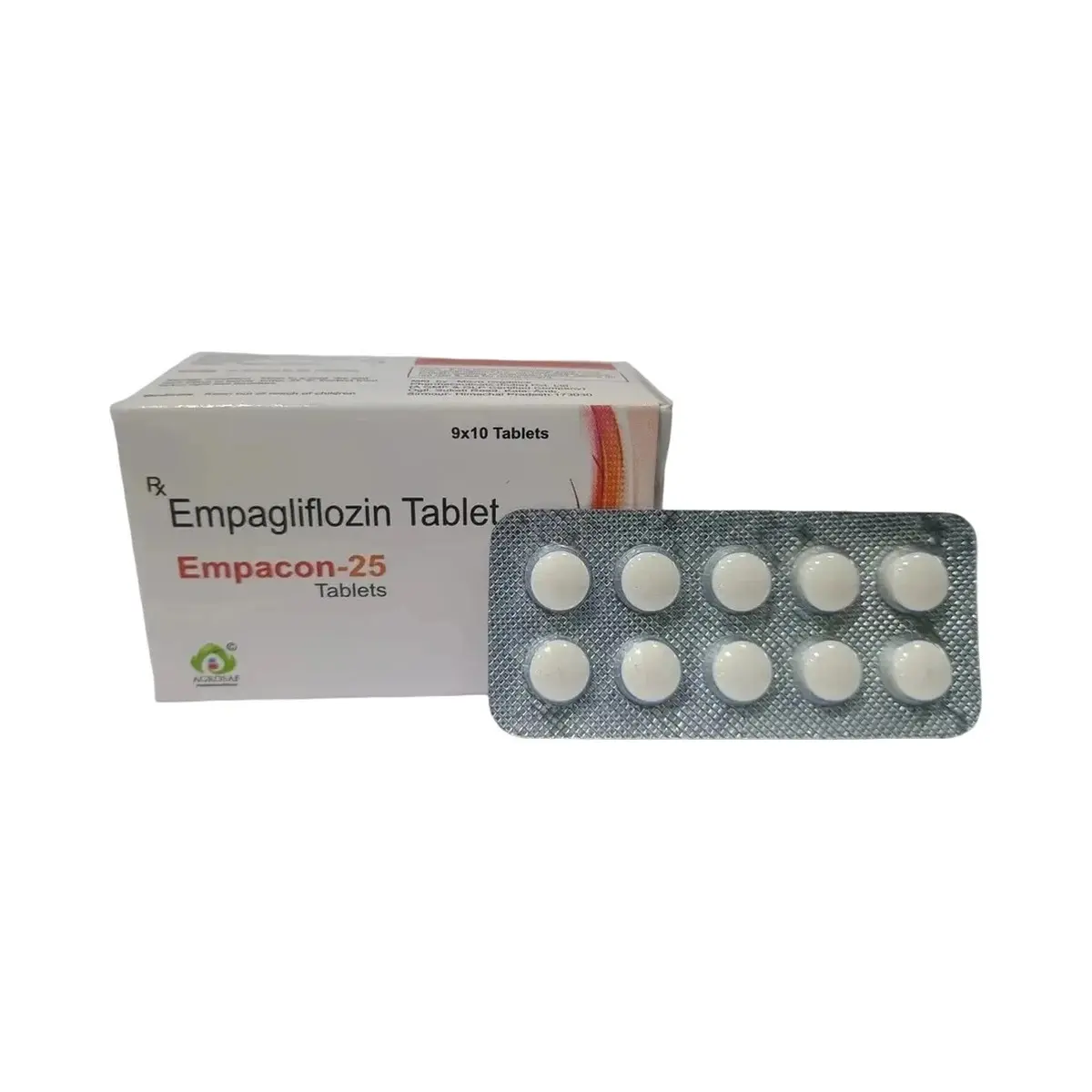
Empacon (Empagliflozin) 25 mg
Empacon 25 mg is presented here as a medicine containing the active ingredient empagliflozin. Empagliflozin is an oral prescription medicine in the sodium-glucose co-transporter 2 (SGLT2) inhibitor class. The verified regulatory product information available for empagliflozin tablets describes it as a medicine used in type 2 diabetes, heart failure, and chronic kidney disease, depending on the approved jurisdiction and patient population.
Active Ingredient and Medicine Class
The active ingredient is empagliflozin. It belongs to the SGLT2 inhibitor class of glucose-lowering medicines. This class works in the kidneys rather than the pancreas, helping the body remove more glucose in the urine. Empagliflozin is also associated with cardiovascular and kidney-protective effects in approved indications.
Established Medical Uses
Regulatory prescribing information for empagliflozin tablets supports use in adults with type 2 diabetes mellitus to improve glycaemic control. In the United States, current prescribing information also includes use to reduce the risk of cardiovascular death and hospitalization for heart failure in adults with heart failure, and to reduce the risk of sustained decline in kidney function, end-stage kidney disease, cardiovascular death, and hospitalization in adults with chronic kidney disease at risk of progression.
For type 2 diabetes, the medicine is not recommended for glycaemic control in type 1 diabetes, and it is not intended to treat diabetic ketoacidosis.
How It Works
Empagliflozin blocks SGLT2 transporters in the kidney’s proximal tubules. These transporters normally reabsorb filtered glucose back into the bloodstream. By inhibiting this process, empagliflozin increases urinary glucose excretion and lowers blood glucose. The same mechanism also causes a mild loss of sodium and water, which is thought to contribute to its beneficial effects in heart failure and kidney disease.
Important Safety Information
Empagliflozin should not be used in people with a known hypersensitivity to empagliflozin or any tablet excipients. Important warnings include ketoacidosis, including cases reported with relatively normal blood glucose, volume depletion, acute kidney injury, and urinary tract or genital infections. Caution is also needed in people taking insulin or insulin secretagogues because the risk of hypoglycaemia may increase when empagliflozin is combined with those medicines.
Other clinically significant considerations include reduced effectiveness or lack of indication in certain renal populations, and a need for careful assessment in pregnancy, breastfeeding, older adults, and patients with renal impairment. Because the medicine affects renal glucose handling, it may also interfere with some urine glucose tests and one laboratory assay used for glucose monitoring.
Possible Side Effects
Common adverse reactions reported with empagliflozin include urinary tract infection and female genital mycotic infection. Other effects that may occur include increased urination, thirst, dizziness related to fluid loss, and mild changes in kidney function tests.
Serious reactions can include ketoacidosis, severe urinary tract infection such as pyelonephritis or urosepsis, acute kidney injury, and hypersensitivity reactions. Any unusual symptoms should be assessed by a qualified healthcare professional.
Scientific Evidence
Clinical evidence from large trials and subsequent reviews supports empagliflozin as more than a glucose-lowering medicine. In people with type 2 diabetes and established cardiovascular disease, it reduced major cardiovascular risk outcomes and showed important heart-failure benefits. More recent evidence and regulatory updates extend these benefits to selected patients with heart failure and chronic kidney disease, including some patients without diabetes.
Scientific reviews generally describe empagliflozin as a well-established SGLT2 inhibitor with consistent cardio-renal benefits, while also emphasising the need to monitor for recognised adverse effects and to use it only within approved indications.
Medical Information Notice
This page is an educational summary based on sources available at the time of review. It does not replace the official patient leaflet, product labelling, or assessment by a qualified healthcare professional for an individual patient.
Medical Sources
- U.S. Food and Drug Administration / DailyMed JARDIANCE (empagliflozin tablets) prescribing information. View official prescribing information
- U.S. Food and Drug Administration / DailyMed JARDIANCE (empagliflozin tablets) full prescribing information. View official prescribing information PDF
- James E Frampton Empagliflozin: A Review in Type 2 Diabetes. Drugs, 2018. View scientific article
- James E Frampton Empagliflozin: A Review in Symptomatic Chronic Heart Failure. Drugs, 2022. View scientific article