Description
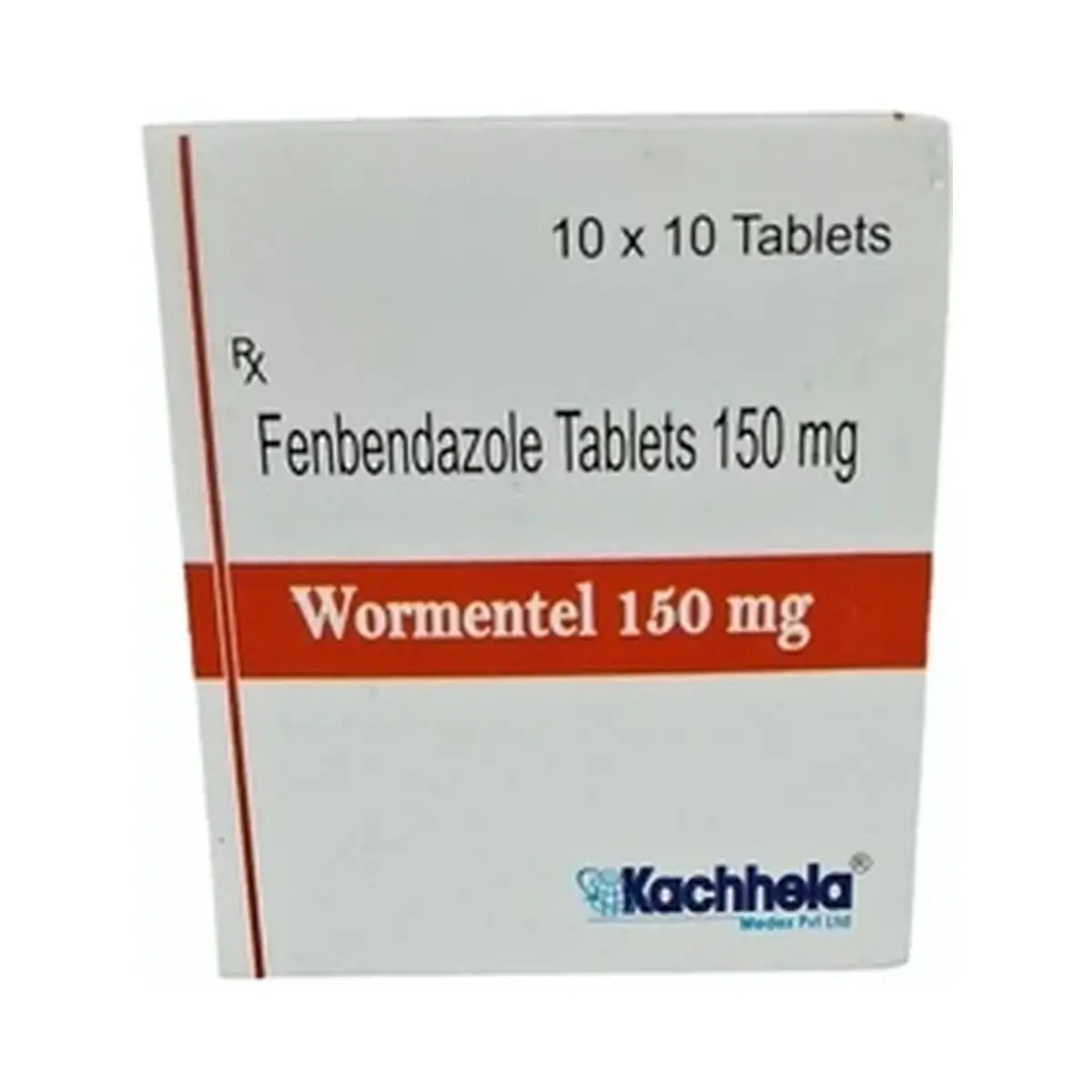
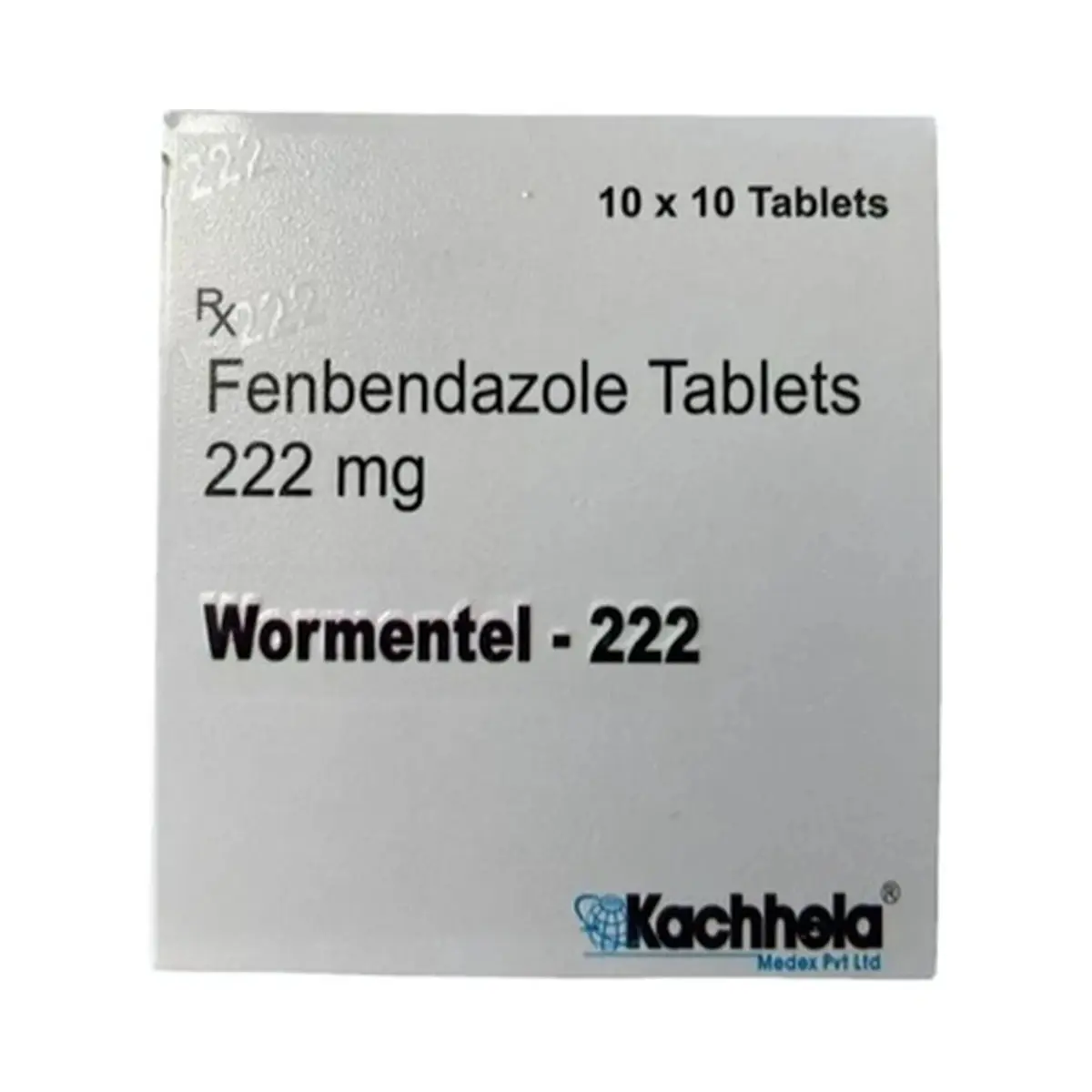
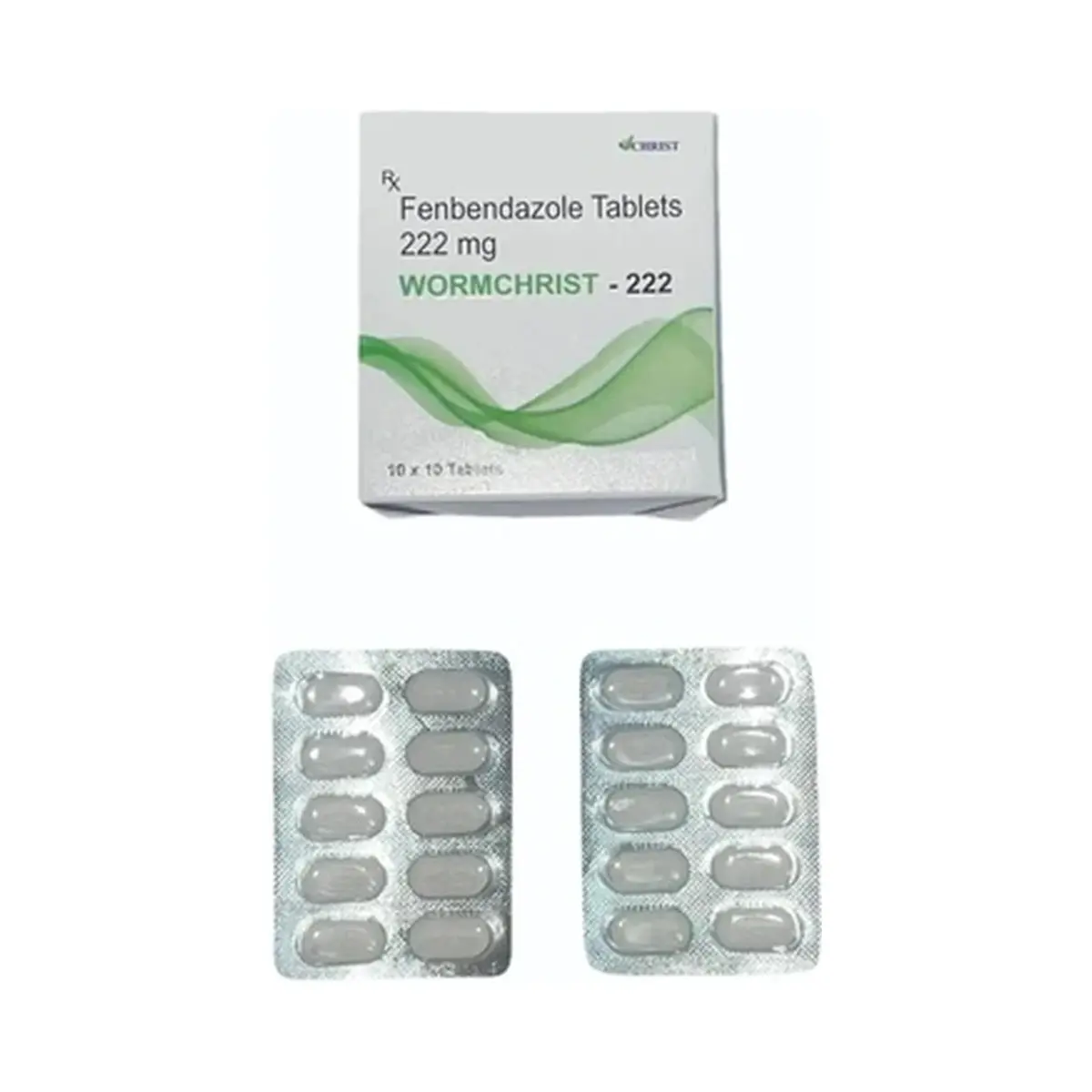
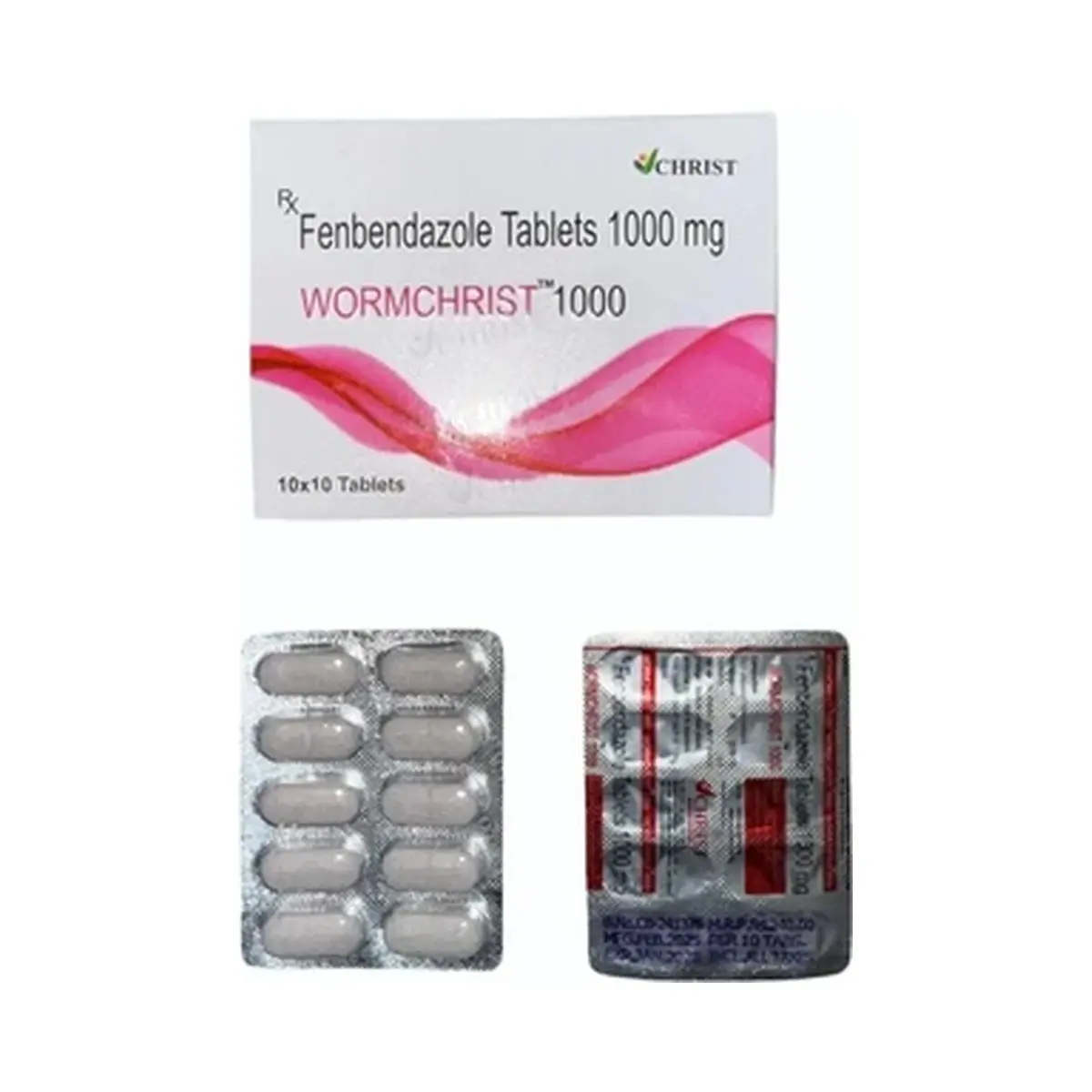
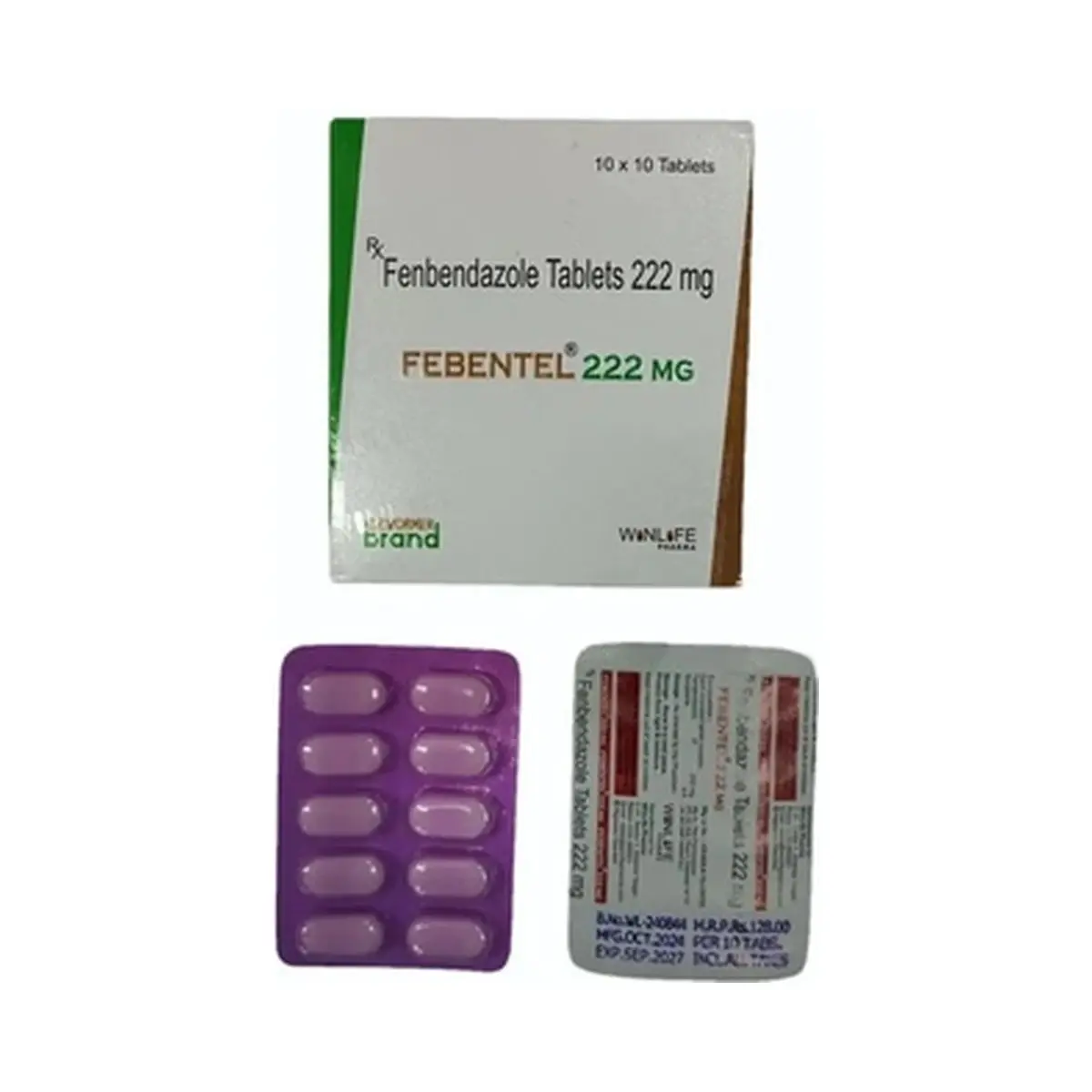
Febentel (Fenbendazole) 222 mg
Febentel 222 mg is a veterinary anthelmintic medicine associated with the active ingredient fenbendazole. Fenbendazole is a benzimidazole antiparasitic used in animals to help control susceptible internal worm infections. Because the trade name could not be independently confirmed in an official product register, this description is based on the verified active ingredient and veterinary use of fenbendazole.
Active Ingredient and Medicine Class
The active ingredient is fenbendazole, a benzimidazole anthelmintic. This drug class is used in veterinary medicine against a range of helminths, especially gastrointestinal nematodes. Fenbendazole has also been listed in official animal-drug references for several approved veterinary products, confirming its recognised use as an antiparasitic agent.
Established Medical Uses
Fenbendazole is established in veterinary practice for controlling susceptible parasitic worm infections in animals. Depending on the species and authorised product, its labelled use may include gastrointestinal roundworms and certain other internal parasites. Official veterinary labels and product information show fenbendazole-containing medicines used in dogs, cats, cattle and other animal species, with specific indications varying by product and jurisdiction.
For this reason, fenbendazole should be understood as a veterinary deworming medicine rather than a general-purpose treatment. Its exact approved use depends on the authorised product, target species and local regulatory status.
How It Works
Fenbendazole acts by interfering with parasite microtubule formation. This disrupts structures needed for normal cellular function, including nutrient handling and energy balance. As a result, the parasite becomes unable to maintain its essential metabolic processes and eventually dies. This mechanism is characteristic of benzimidazole anthelmintics and is consistent with the broader scientific literature on this drug class.
Important Safety Information
Safety information varies by product and animal species. Official veterinary labels generally restrict fenbendazole to use under veterinary direction or according to the authorised label. As with other antiparasitic medicines, important precautions include correct species selection, attention to the target parasites listed on the label, and consideration of local parasite resistance patterns. Some veterinary products containing fenbendazole or related benzimidazoles have label restrictions for pregnancy, lactation, or specific animal groups, so the official product information should always be checked for the exact medicine.
Clinically relevant interactions may occur when fenbendazole is used alongside other medicines, but interaction details are product-specific and not always fully characterised in public summaries. Where combination wormers are involved, the other active ingredients may determine additional warnings or contraindications.
Possible Side Effects
Fenbendazole is generally well tolerated in veterinary use, but adverse effects can occur. Reported or label-recognised effects may include reduced appetite, digestive upset, or transient signs of intolerance in some animals. Serious reactions are uncommon but possible, particularly if the product is used inappropriately, at excessive exposure, or in an animal with heightened sensitivity. Any unexpected clinical change after treatment should be assessed by a veterinarian.
Scientific Evidence
Published veterinary studies support fenbendazole’s anthelmintic activity against gastrointestinal nematodes in livestock and companion animals. Older controlled cattle data showed substantial reductions in several worm burdens after treatment, and later reviews describe fenbendazole as a broad-spectrum benzimidazole used for animal parasite control. The scientific literature also notes that efficacy can vary by parasite species, life stage and resistance status, which is one reason product-specific label claims remain important.
Medical Information Notice
This summary is an educational overview based on sources available at the time of review. It does not replace the official package leaflet, product label or an individual veterinary professional’s assessment of an animal’s condition.
Medical Sources
- U.S. Food and Drug Administration, DailyMed. Panacur® (fenbendazole) Granules 22.2%: official animal drug label. View official label
- U.S. Food and Drug Administration, Animal Drugs @ FDA. FDA Approved Animal Drug Products: fenbendazole listings. View official FDA reference
- Melanie Abongwa et al. A brief review on the mode of action of antinematodal drugs. Acta Veterinaria, 2017. View scientific article
- T M Craig et al. Evaluation of fenbendazole as an anthelmintic for gastrointestinal nematodes of cattle. American Journal of Veterinary Research, 1978. View scientific article
- T F Booze et al. A literature review of the anthelmintic, fenbendazole. Veterinary and Human Toxicology, 1982. View scientific article