Description
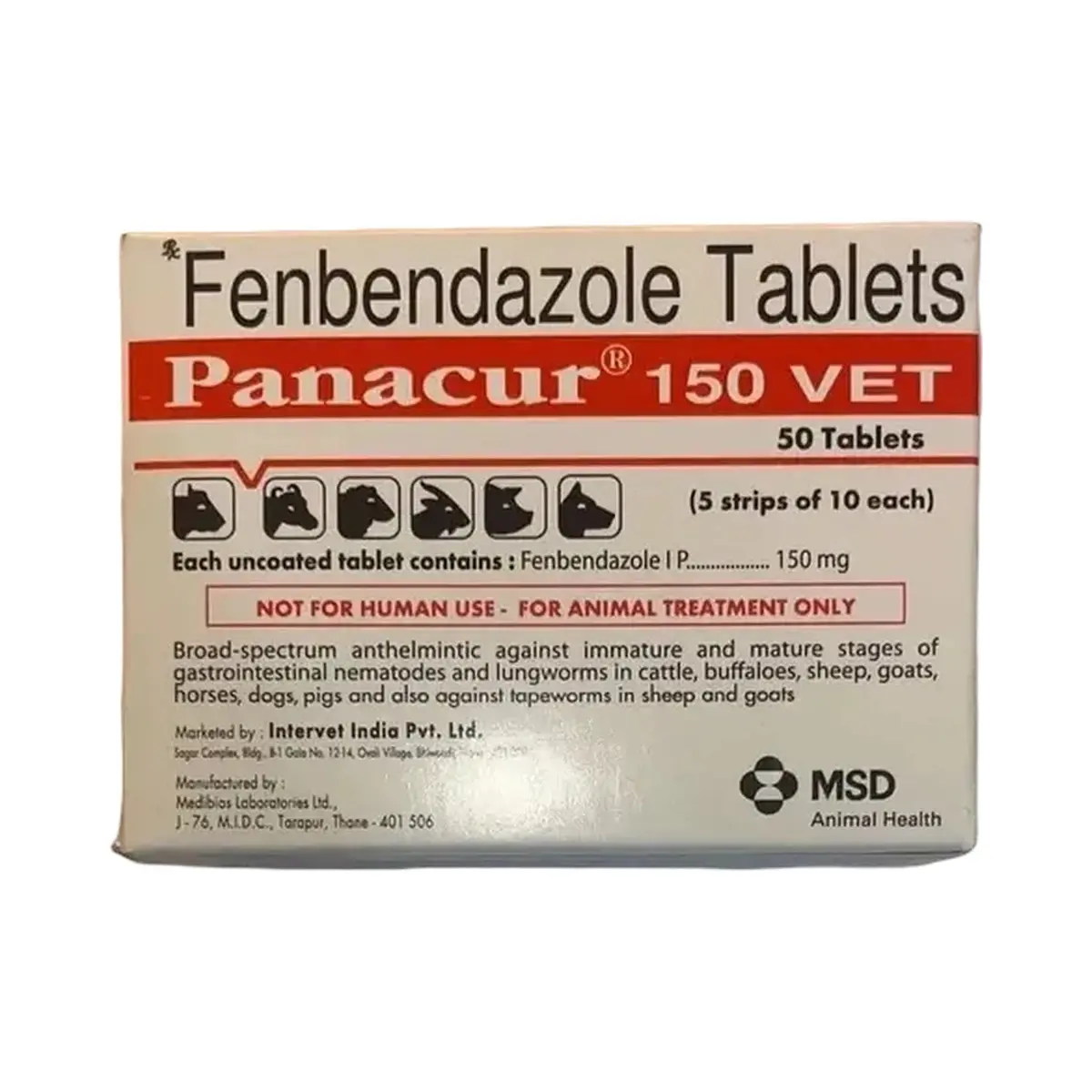
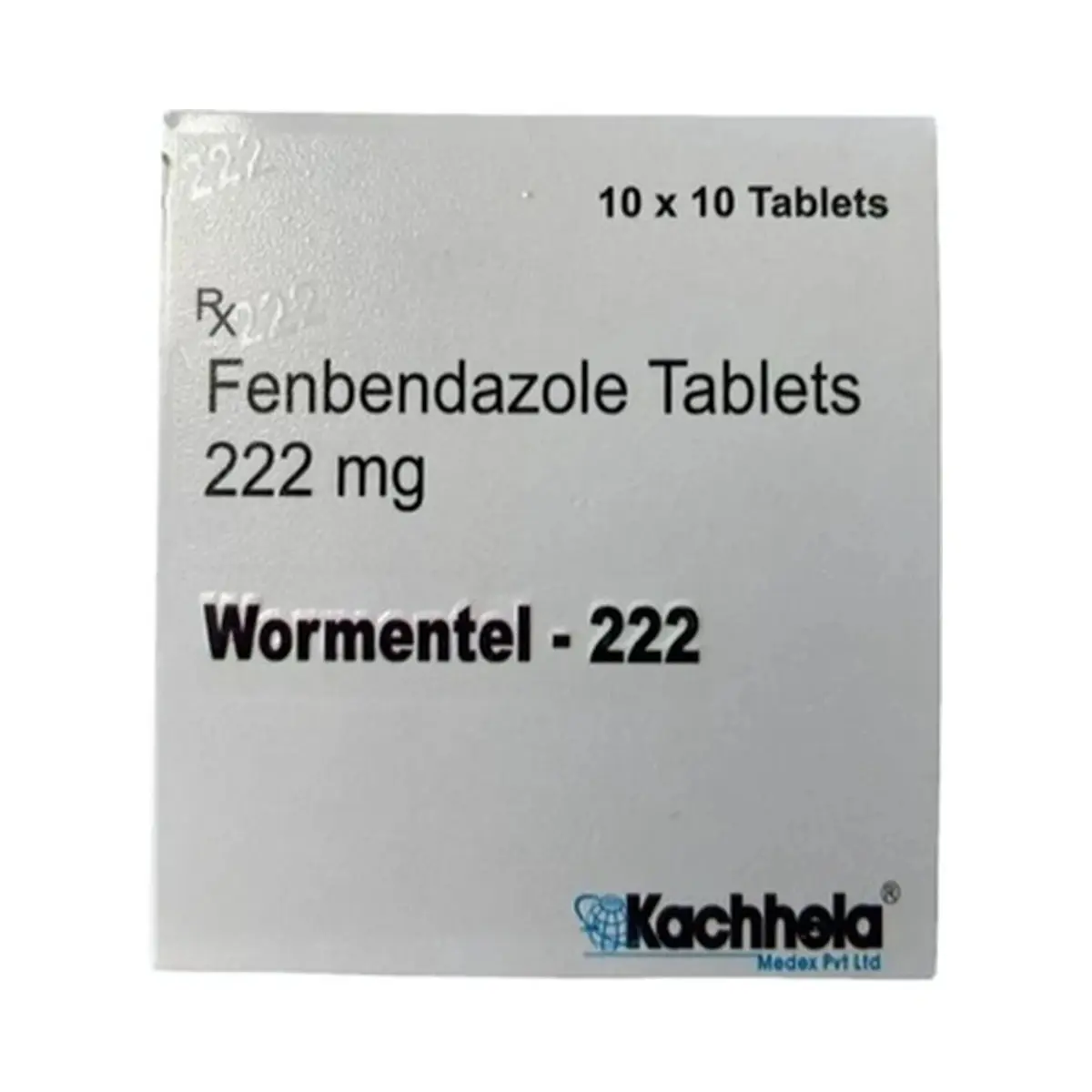
Wormchrist (Fenbendazole) 222 mg – 10 tablets
Wormchrist is presented as a fenbendazole-containing veterinary medicine. Fenbendazole is a benzimidazole anthelmintic used to treat certain parasitic worm infections in animals. Because the exact trade name could not be independently verified from authoritative product records, the summary below is based on the verified active ingredient fenbendazole and established veterinary prescribing information.
Active Ingredient and Medicine Class
The verified active ingredient is fenbendazole. It belongs to the benzimidazole anthelmintic class. Medicines in this group are used in veterinary practice against susceptible helminths, especially nematodes, and some products also cover selected cestodes depending on the species and formulation.
Established Medical Uses
Authoritative veterinary product information shows fenbendazole being used for gastrointestinal and, in some products, respiratory nematodes in animals. Depending on the formulation and target species, established uses may include treatment of common intestinal worms such as ascarids, hookworms, whipworms and certain tapeworms, as well as selected lungworm or protozoal infections in some veterinary products. Fenbendazole products are not interchangeable unless the indication, species and formulation are specifically supported by the approved label.
How It Works
Fenbendazole acts by disrupting parasite cell function. Benzimidazole anthelmintics bind selectively to parasite beta-tubulin, which interferes with microtubule formation. This disrupts nutrient uptake and other essential processes in the worm, leading to immobilisation and death. Official veterinary sources also describe effects on parasite energy metabolism, including inhibition of glucose uptake and glycogen breakdown.
Important Safety Information
Safety information depends on the exact veterinary product, species and label conditions. Official product documents report that fenbendazole is generally well tolerated in animals and that benzimidazoles have a relatively high margin of safety. However, precautions still apply. Fenbendazole products may be contraindicated or restricted in certain species or clinical situations depending on the label. Important considerations include possible use limitations in pregnancy or juvenile animals for some products, the need to confirm the target species carefully, and the risk of under-treatment if the parasite species is not susceptible.
Fenbendazole can have clinically relevant interactions in the broader context of veterinary care, particularly where treatment choices depend on parasite species, resistance patterns or co-administration with other antiparasitic medicines. Environmental precautions may also be required for some formulations, as veterinary product information notes that fenbendazole should not enter watercourses.
Possible Side Effects
Reported adverse effects are usually uncommon, but they can occur. Veterinary product information describes fenbendazole as generally well tolerated. Possible reactions may include transient gastrointestinal upset, such as reduced appetite or soft stools, depending on the animal and formulation. In animals with heavy parasite burdens, symptoms may also reflect the underlying infection rather than the medicine itself.
More serious reactions are not common in standard veterinary use, but unexpected intolerance, hypersensitivity-type reactions, or product-specific adverse events should be taken seriously. In humans, fenbendazole is not an approved medicine, and published case reports have linked self-administration to liver injury.
Scientific Evidence
Published veterinary pharmacology studies show that fenbendazole is only partly absorbed after oral administration, and that its active metabolite, oxfendazole, contributes to the antiparasitic effect. Clinical and experimental veterinary literature supports its use against susceptible gastrointestinal nematodes in animals, with established efficacy depending on the parasite species, dose, formulation and local resistance patterns. Human publications do not support any approved therapeutic use in people, and recent case reports highlight the risk of serious liver injury when the drug is self-administered outside veterinary care.
Medical Information Notice
This page is an educational summary based on sources available at the time of review. It does not replace the official product leaflet, approved veterinary prescribing information, or individual assessment by a qualified veterinary professional.
Medical Sources
- Veterinary Medicines Directorate (UK). Fenbendazole veterinary product information / SPC. View official prescribing information
- Q A McKellar et al. Pharmacokinetics of fenbendazole in dogs. Journal of Veterinary Pharmacology and Therapeutics, 1990. View scientific article
- Aishwarya Thakurdesai et al. Severe Drug-Induced Liver Injury Due to Self-administration of the Veterinary Anthelmintic Medication, Fenbendazole. ACG Case Reports Journal, 2024. View scientific article